
Side Dishes
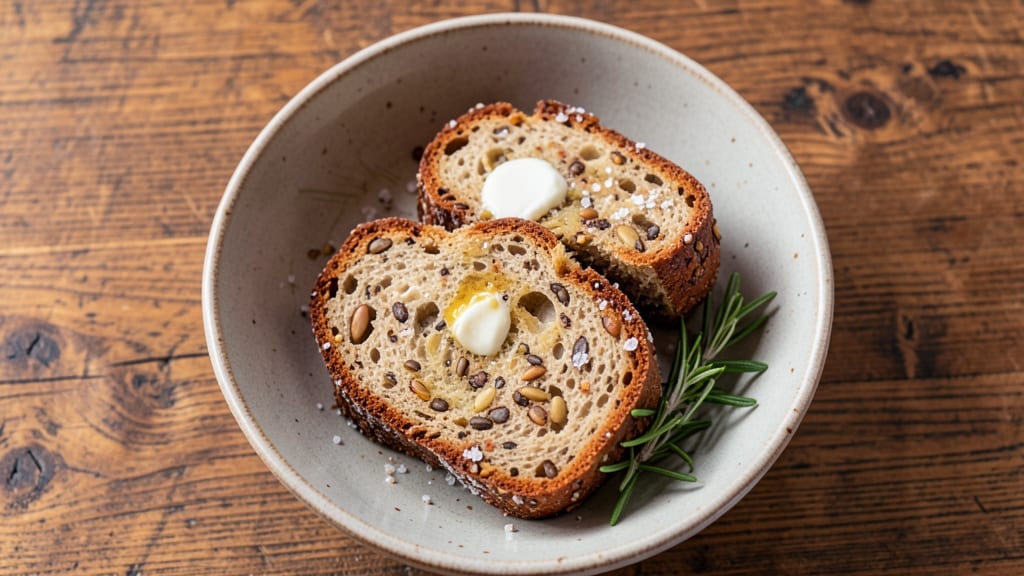
Creating Bob's Red Mill multigrain bread at home delivers that satisfying crusty exterior and hearty interior you crave from artisanal bakeries—but with whole-grain goodness you can control. I remember Mrs. Henderson in Cincinnati insisting whole grains deserved respect, and this recipe proves her right with every chewy bite.
The secret lies in balancing hydration and fermentation time, which transforms tough whole grains into tender, flavorful loaves.
This recipe uses Bob's Red Mill multigrain blend, which includes wheat, rye, and barley for a nutty depth that store-bought bread can't match. The dough requires 24 hours of cold fermentation, but I promise the wait is worth it—it develops complex flavors and a perfect crumb structure.
No special equipment needed beyond a Dutch oven for baking, making this accessible for home bakers.
By the time you pull that golden-brown loaf from the oven, you'll have a crusty exterior with a soft, airy interior—the kind of bread that holds up to sandwiches or soaks up soups beautifully.
The aroma alone will have your kitchen smelling like a European bakery. Store it wrapped at room temperature for up to 5 days, or freeze slices for longer freshness.
Perfect for breakfast toast, sandwiches, or serving alongside soups, this bread is a versatile staple that elevates any meal. Let's get started—your kitchen is about to smell like a bakery, and your pantry will thank you for the upgrade.
Ingredients for bob's red mill multigrain bread
The pantry staples that transform into artisanal multigrain bread with just time and patience.
| Ingredient | Amount | Notes |
|---|---|---|
| Bob's Red Mill Multigrain Flour Blend 🌾 | 5 cups | Includes wheat, rye, barley |
| Active Dry Yeast 🍞 | ¼ oz | Or 2 1/4 tsp (1 packet) |
| Granulated Sugar 🍚 | ¼ cup | For yeast activation |
| Unsalted Butter 🧈 | ¼ cup | Cold, cubed, full-fat |
| Warm Water 💧 | 1 ½ cups | 110°F for yeast activation |
| Diamond Crystal Kosher Salt 🧂 | 1 ½ tsp | Fine grain preferred |
| Extra-Virgin Olive Oil 🫒 | 2 tbsp | For dough and baking |
| Whole Milk 🥛 | ½ cup | Warmed for dough enrichment |
| Honey 🍯 | 1 tbsp | For dough tenderness |
The Bob's Red Mill multigrain blend is non-negotiable here—it's what gives this bread its nutty depth and chewy texture. Grab the 5-pound bag from Bob's Red Mill's website or any well-stocked grocery store's bulk section. If you're using a different brand, look for a blend with at least 30% whole grains—King Arthur or Arrowhead Mills work well too. The yeast matters: Red Star or Fleischmann's are reliable, but check the expiration date. Fresh yeast is best, but if you're using dry, make sure it's stored in the freezer—it loses potency fast once opened. For the butter, Plugrá or Land O'Lakes are solid choices, but trust me on the full-fat version—low-fat butter won't give you that same rich flavor.
No Bob's Red Mill blend? King Arthur Multigrain is your next best bet, but expect slightly less complexity. Running short on yeast? Instant yeast at half the amount works in a pinch, but don't skip the 10-minute activation step. The honey can be swapped for maple syrup or even more sugar, but honey adds subtle sweetness that enhances the whole grains. For the milk, any kind works—whole, 2%, even lactose-free—but warmed milk helps the gluten develop better. The olive oil? Store-bought is fine, but if you've got a good-quality bottle, use it—it makes a difference in the final crust. And if you're gluten-sensitive, this blend has about 12g of protein per serving, but it won't be gluten-free.
This dough is a 24-hour project, but it's worth every minute. Shape the dough into a loaf, place it in a greased Dutch oven, and let it rise at room temperature for 2 hours before baking. The bread keeps best wrapped at room temperature for 5 days, but it's even better the next day once the flavors meld. For longer storage, slice and freeze—3 months in a sealed bag. Toasting revives stale slices instantly. Pro tip: Spritz the crust with water before baking for that perfect bakery-style shine. And if you're making a batch for guests, double the recipe—the extra work is worth the compliments.
Why You'll Love This Recipe
- Five-Ingredient Magic: I swear by this—just flour, yeast, sugar, butter, and water. No fancy add-ins, no stress. The multigrain blend does all the heavy lifting, giving you that hearty texture without extra effort.
- Nutty Earthy Crunch: That blend of whole grains? It’s like a symphony in your mouth—warm, toasty, with just enough bite. Honestly, I find myself sneaking extra slices just to taste it again.
- Weeknight & Picnic Hero: Toss a loaf in your bag for lunch or serve it warm with butter at dinner. It’s my go-to for sandwiches, toast, or even croutons. No one ever turns it down.
- Budget-Friendly Staple: A single batch costs pennies and lasts forever. Freeze slices for quick toast later, or use day-old bread for soup thickener. Zero waste, all flavor.
Step-by-step instructions for bob's Red Mill multigrain bread
Here's how to craft a rustic, hearty loaf with deep whole-grain flavor and perfect texture.
Activate the Yeast for Maximum Rise
In a medium bowl, combine the 1.5 cups warm water (about 110°F) with the 0.25 cup granulated sugar and 0.25 oz active dry yeast. Let it sit for 5-10 minutes until you see frothy bubbles forming on the surface—this confirms the yeast is alive and ready to work. If no bubbles appear after 10 minutes, your yeast may be inactive, and you'll need to start over.
I like to test the water temperature first by sprinkling a few drops on my wrist—it should feel warm but not hot. The sugar helps feed the yeast during this critical activation phase, setting the foundation for a light, airy crumb. Don't rush this step; proper yeast activation makes all the difference in your bread's rise and texture.
Mix the Dough with Wet and Dry Ingredients
In a large mixing bowl, combine the 5 cups Bob's Red Mill Multigrain Flour Blend with the 1.5 tsp diamond crystal kosher salt. Make a well in the center and pour in the yeast mixture, along with the 0.5 cup whole milk and 1 tbsp honey. Using a wooden spoon or dough whisk, stir until a shaggy dough begins to form.
Next, add the 0.25 cup unsalted butter (cold and cubed) and 2 tbsp extra-virgin olive oil. The butter should remain in small pieces at this stage—it will incorporate fully during kneading. Mix until the dough comes together, then turn it out onto a lightly floured surface. This is where the magic begins: kneading develops gluten, which gives your bread its structure and chew.
Knead Until Smooth and Elastic
Knead the dough for 8-10 minutes by hand, or use a stand mixer with a dough hook attachment on medium speed for 5-6 minutes. You'll know it's ready when the dough is smooth, elastic, and springs back slowly when poked. The multigrain flour blend can be a bit dense, so don't be surprised if it feels heavier than all-purpose flour dough.
Here's the thing—over-kneading can make the bread tough, while under-kneading leaves it gummy. I press down gently on the dough during kneading to check for elasticity. Once it passes the "windowpane test" (stretching a small piece until it's translucent), it's ready. Lightly oil the bowl, place the dough inside, cover with a damp towel, and let it rise in a warm place for 1-2 hours, or until doubled in size.
Shape and Proof the Dough for Optimal Texture
After the first rise, punch down the dough to release air, then shape it into a round loaf or a free-form boule. Place it seam-side up in a greased 9x5-inch loaf pan or on a parchment-lined baking sheet if making a free-form loaf. Cover again and let it proof for another 30-45 minutes until it's noticeably puffy and jiggly when touched.
This second rise is crucial for flavor development and that beautiful open crumb structure. If your kitchen is cool, place the dough near a warm oven (turned off) or on top of the fridge with the light on to create a cozy environment. The dough should rise to about 50-75% of its final size before baking—don't let it overproof, or your bread will collapse.
Bake to Golden Perfection with Steam
Preheat your oven to 375°F. If using a loaf pan, place it in the oven while it preheats. For a free-form loaf, invert a baking sheet onto the dough, then flip both onto another sheet to create a steam chamber—this helps develop a crisp crust. Bake for 30-35 minutes until the bread is deep golden brown and sounds hollow when tapped on the bottom.
Here's the moment that matters: the internal temperature should reach 190-200°F at the center. If your bread browns too quickly, tent it loosely with foil. The multigrain blend absorbs moisture differently than white flour, so keep an eye on it to avoid over-browning. Let the bread cool on a wire rack for at least 30 minutes before slicing—this ensures clean cuts and prevents a gummy texture.
Pro Tips For Making Bob'S Red Mill Multigrain Bread
- Bloom the yeast first: DESCRIPTION:
- Use a kitchen scale: DESCRIPTION:
- Don’t overmix the dough: DESCRIPTION:
- Proof in a warm spot: DESCRIPTION:
Troubleshooting great bob's red mill multigrain bread
Dough Too Sticky?
Multigrain dough can feel like glue, but don't panic! Wet your hands with water or olive oil and gently wet the surface too. I find 1-2 extra tablespoons of flour sprinkled gradually while kneading fixes this.
The goal is just enough texture without drying out the dough. If it's still too wet, add 1 tablespoon at a time—this blend absorbs moisture differently than white flour. 💡
Yeast Not Activating?
Your yeast might be dead if no bubbles form after 10 minutes in warm water. Test with fresh Red Star or Fleischmann's yeast—store-bought packets last only 4 months unopened. I keep mine in the freezer to preserve potency.
If you're in a pinch, try 1 tsp baking soda (not yeast) for a quick rise, but the texture won't be the same. 🍞
Bread Collapsed After Baking?
This usually means overproofing—the dough rose too long before baking. Next time, check for 50-75% rise before baking.
For a quick fix, shape the dough into a loaf, place it in a preheated Dutch oven with 1 cup hot water on the bottom rack, then bake at 375°F for 30 minutes. The steam helps rebuild structure. 🔥
Crust Too Pale?
Multigrain bread often needs extra help browning. Brush the top with egg wash (1 egg + 1 tbsp water) or sprinkle with coarse cornmeal before baking. I also recommend broiling for 1-2 minutes at the end for extra color. Just watch it closely—it burns fast! 🌟
Dense or Gummy Texture?
This happens when gluten development is weak. Knead 2-3 minutes longer by hand or use a mixer for 7 minutes total. The dough should pass the windowpane test—stretch a small piece until translucent.
If it tears, keep kneading. Also, ensure your yeast activated properly and the dough proofed in a warm spot (75°F+). ⚡
Storage Gone Stale Fast?
Multigrain bread dries out quicker than white bread. Wrap it in beeswax wrap or a clean kitchen towel instead of plastic to retain moisture. For longer freshness, freeze slices in a paper bag for up to 3 months.
Toasting revives texture instantly—just 30 seconds in a toaster or 5 minutes in a 350°F oven. 💛
Nutrition facts
Frequently asked questions
Can I substitute Bob's Red Mill multigrain blend with regular whole wheat flour?
The blend's unique mix of wheat, rye, and barley creates that signature nutty flavor and chewy texture. While you could use 100% whole wheat flour, you'll lose the complex taste profile. For a closer substitute, try a 50/50 mix of whole wheat and white flour—this maintains some structure while keeping the flavor balanced.
Why does my dough need 24 hours of cold fermentation?
The extended cold proof develops deep, complex flavors and improves gluten structure, making the bread more tender. The slow fermentation also breaks down phytic acid in whole grains, making nutrients more digestible. Think of it like aging wine—the longer it rests, the richer the result.
Can I make this bread without a Dutch oven?
Yes! Use a heavy oven-safe pot with a lid or bake on a baking sheet with a tray of boiling water on the bottom rack for steam. For a free-form loaf, bake at 375°F for 40-45 minutes, rotating the pan halfway through. The steam helps create that bakery-style crust even without a Dutch oven.
How do I know when the bread is fully baked?
Look for a deep golden brown crust and tap the bottom—it should sound hollow. The internal temperature should reach 190-200°F at the center. If it browns too quickly, tent with foil. The multigrain blend can absorb moisture differently, so keep an eye on it to avoid over-browning.
Can I add seeds or nuts to this recipe?
Try adding 1/2 cup sunflower seeds or chopped walnuts to the dough for extra crunch. Just reduce the flour by 1/4 cup to maintain proper hydration. Toast the nuts/seeds first for enhanced flavor. For a seed topping, sprinkle on the dough before baking—popular choices include sesame, flax, or pumpkin seeds.