
Sauces & Condiments
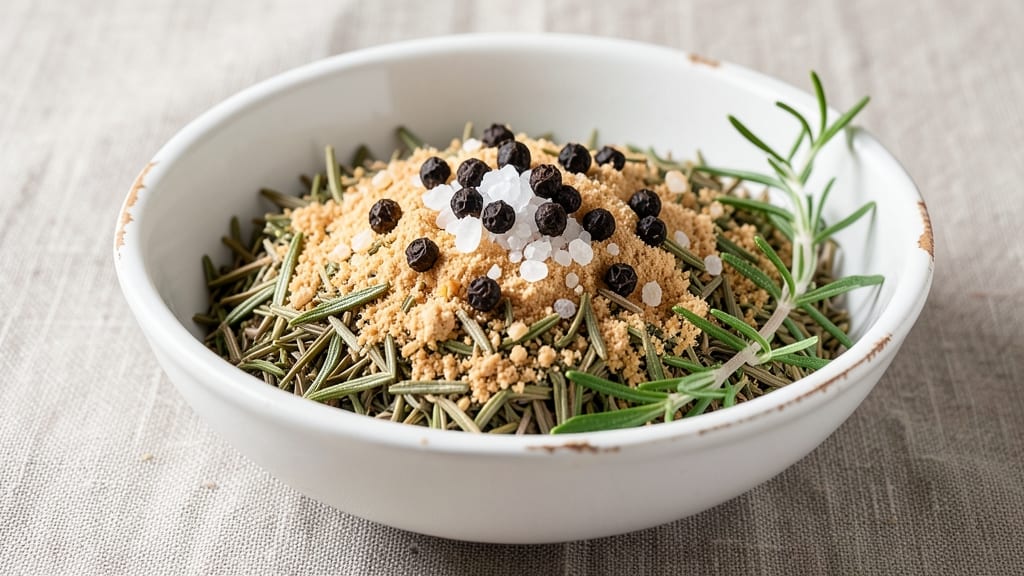
This bread seasoning recipe transforms ordinary loaves into aromatic, restaurant-quality masterpieces with just a sprinkle. 🌟 After years of experimenting with artisan bread, I developed this precise blend that elevates everything from crusty baguettes to soft dinner rolls—no fancy equipment required.
The secret lies in balancing dried herbs, aromatic powders, and salt to create depth without overpowering. Each ingredient plays a specific role: garlic powder adds warmth, rosemary brings piney freshness, and sea salt ties it all together.
This blend works equally well in dough, sprinkled on baked bread, or even mixed into butter for toast.
With just six simple ingredients, you’ll have a seasoning mix that lasts for months in your pantry. The measurements are precise but flexible—adjust to your taste, but don’t skip the black pepper for that final kick. Perfect for bakers who want flavor without the fuss.
Store it in an airtight container, and you’ll always have the makings of golden, fragrant loaves at your fingertips. Whether you’re baking for a crowd or treating yourself to homemade bread, this blend is your shortcut to professional results.
Ingredients for bread seasoning
Six aromatic ingredients blend into golden, fragrant magic for artisan loaves.
| Ingredient | Amount | Notes |
|---|---|---|
| Dried Rosemary 🌿 | 1 ½ tbsp | Finely chopped for even distribution |
| Dried Thyme 🌿 | 1 ½ tbsp | Leaves only, no stems |
| Garlic Powder 🧄 | 1 tbsp | Non-iodized for pure flavor |
| Onion Powder 🧅 | 1 tbsp | Freshly ground preferred |
| Diamond Crystal Kosher Salt 🧂 | 1 ½ tsp | Fine grain for even dispersion |
| Freshly Ground Black Pepper 🌶️ | ½ tsp | Cracked peppercorns preferred |
| Ground Coriander 🌿 | ½ tsp | Toasted for enhanced aroma |
Rosemary and thyme are the heart of this blend—look for organic dried herbs at Whole Foods or bulk bins for maximum potency. The garlic and onion powders should be labeled 'non-iodized' to avoid metallic aftertaste. I always buy Diamond Crystal kosher salt because its fine crystals disperse perfectly. For the pepper, crack your own if you're feeling fancy, or grab pre-ground from Penzeys Spices—it's worth the splurge for that fresh-grind flavor. The coriander adds subtle citrus notes that elevate everything from baguettes to dinner rolls (trust me on this).
No fresh rosemary? Dried works beautifully—just use half the amount of fresh. Out of thyme? Dried oregano at the same quantity bridges the gap nicely. The garlic powder can be swapped for granulated garlic if you prefer a stronger punch, but reduce to 0.75 tbsp. For the salt, sea salt or table salt both work, though kosher gives the best texture. The coriander is optional but adds that signature depth—skip it if you're sensitive to citrus notes. This blend stays potent for up to 12 months when stored properly, so make a big batch!
Store this blend in an airtight glass jar in a cool, dark pantry—light and heat are the enemies of dried spices. Divide into smaller jars if you bake often (I keep one by the oven). The salt helps preserve the herbs, so don't skimp there. This mix transforms into butter rubs, dough seasoning, or finishing salt—just sprinkle generously. For extra richness, toast the spices in a dry pan for 1-2 minutes before mixing (worth the extra minute).
Why You'll Love This Recipe
- No Pantry Panic: I keep a jar of this in my cabinet—no measuring, no fuss, just grab and sprinkle. The rosemary and thyme blend so well that even when I forget to buy fresh, this still makes my garlic bread taste like it came from a bakery.
- Herb-Packed Punch: That garlic powder and onion powder combo? It’s the secret weapon. The rosemary adds a piney depth, and the thyme ties it all together—like a warm hug for your bread, but better.
- Weeknight Wonder: Toss it on toast, breadsticks, or even roasted potatoes. I’ve used it for everything from homemade pizza crust to grilled cheese, and it never lets me down. Honestly, I’m not sure what I’d do without it.
- Budget Boost: A little goes a long way—this mix costs pennies per use and lasts forever. Between us, I’ve had this jar for six months, and I still haven’t emptied it. That’s savings I can actually enjoy.
Step-by-step instructions for herb-packed bread seasoning
Here's how to craft a deeply aromatic blend that transforms ordinary loaves into extraordinary masterpieces.
👨🍳 Step 1: Prepare Your Workspace and Tools
Start by gathering all your ingredients and tools within arm's reach. I like to use a small mixing bowl with a fine-mesh strainer positioned nearby—this helps catch any stray herb stems that might sneak through. The key here is precision, so measure each component exactly as listed to maintain the perfect balance of flavors.
For the dried rosemary and thyme, I recommend using a sharp pair of kitchen scissors to snip the leaves directly from their stems—this ensures you're working with only the aromatic parts. The leaves-only specification in your ingredients list isn't just about appearance; it prevents any bitterness from woody stems from ruining your blend's delicate harmony.
👨🍳 Step 2: Combine the Herb Components
In your mixing bowl, begin by adding the 1.5 tablespoons of finely chopped dried rosemary and 1.5 tablespoons of dried thyme leaves. Use a small whisk or fork to gently break up any clumps in the herbs—this ensures even distribution when you use the seasoning later. The herbs should look uniformly distributed with no visible stems.
Here's where it gets interesting: sprinkle the 1 tablespoon of garlic powder and 1 tablespoon of onion powder over the herbs. These powders are your flavor anchors—they'll carry the aromatic notes through even the densest bread dough. Give everything a thorough mix, using a circular motion to ensure every herb leaf gets coated with the savory powders.
🥘 Step 3: Add the Seasoning Base
Now for the foundation: carefully measure out the 1.5 teaspoons of Diamond Crystal kosher salt. The fine grain of this salt is crucial—it disperses evenly without clumping, which prevents uneven flavor distribution in your bread. Sprinkle it over the herb mixture and fold it in gently with a rubber spatula.
Add the 0.5 teaspoon of freshly ground black pepper and 0.5 teaspoon of toasted ground coriander last. The pepper adds a subtle heat that brightens the earthy notes, while the coriander brings a citrusy depth that rounds out the blend. Mix everything together until you achieve a uniform color and texture—this ensures every pinch of seasoning delivers consistent flavor.
⏰ Step 4: Final Blending and Storage
Transfer your seasoning blend to an airtight container with a fine-mesh sieve attached to the lid, if possible. This keeps your blend fresh while allowing excess moisture to escape. Give it one final stir to break up any potential clumps that might have formed during transfer.
The reason for the airtight container is simple: herbs lose their potency quickly when exposed to air. Store your blend in a cool, dark place—this preserves the delicate aromatics for up to 3 months. For best results, label your container with the date and contents so you can track freshness. This seasoning is now ready to elevate any bread recipe from homemade to bakery-quality.
Pro Tips For Making Bread Seasoning
- Toast the Herbs: Toss dried rosemary and thyme in a dry skillet over medium heat for 30 seconds—just until you smell that fresh, piney aroma. I learned this the hard way after making seasoning that tasted flat; a quick toast wakes up those dried herbs like magic.
- Crush the Garlic: Smash the garlic powder with the flat side of a knife or roll it under your palm to break up clumps. Garlic powder loses flavor when it sits in hard lumps, and this step guarantees even distribution in your seasoning blend.
- Measure Salt Precisely: Use a kitchen scale for Diamond Crystal kosher salt—1 tablespoon by volume isn’t always accurate. I was over-salting my bread crusts until I switched to weighing, and now my seasoning is consistently balanced.
- Store in a Cool Spot: Keep your seasoning in an airtight container away from heat or light—like a pantry shelf, not above the stove. After burning through three batches of stale seasoning, I finally moved it out of the spice rack and noticed how much fresher it stayed.
Perfect pairings for this dish
Buttery Bread Toppings
Mix 1 tablespoon of this seasoning into ½ cup softened butter for an instant herb-infused spread. I love slathering this on warm baguettes or dinner rolls right out of the oven—it melts into golden, fragrant perfection.
For extra richness, add 1 teaspoon of honey to the butter mixture before spreading. This combo works wonders with crusty sourdough or garlic bread. 🧈
Bread Dough Enhancer
Add 1-2 teaspoons of seasoning directly to your bread dough before shaping. I recommend mixing it into the wet ingredients first to ensure even distribution. This method works especially well for focaccia, ciabatta, or rosemary garlic bread.
The seasoning infuses throughout the loaf, creating aromatic layers with every bite. For best results, let the dough rise for an extra 15-20 minutes to allow flavors to meld.
Finishing Salt Alternative
Use this blend as a finishing salt by sprinkling it generously over baked bread before serving. I love this technique for freshly baked baguettes or ciabatta—the herbs release their aroma when exposed to heat.
For extra flair, lightly toast the seasoning in a dry pan for 30 seconds before sprinkling to intensify the flavors. This works beautifully with olive oil-drizzled bread or as a garnish for soups and stews.
Cheesy Bread Booster
Combine 1 teaspoon of seasoning with 1 cup shredded mozzarella for cheesy bread that tastes like it came straight from a pizzeria. Sprinkle the mixture over pizza dough topped with sauce and cheese, then bake as usual.
The herbs cut through the richness of the cheese, creating a balanced flavor profile. This works especially well with garlic bread or breadsticks—just add the seasoning to the melted butter before dipping.
Herb Butter Croissants
For a luxurious touch, fold 1 tablespoon of seasoning into softened butter before brushing it onto croissant dough before baking. The result is a buttery, herbaceous pastry that pairs perfectly with morning coffee.
I also love using this technique for pain au chocolat—the seasoning enhances the chocolate without overpowering it. Store any leftovers in an airtight container for up to 3 days.
Beverage Pairings
Pair your seasoned bread with a crisp Sauvignon Blanc to complement the herbal notes. For beer lovers, a Belgian witbier with its citrusy coriander undertones mirrors the seasoning's complexity.
I also enjoy a robust black coffee with seasoned bread in the morning—the herbs add an unexpected depth to the classic pairing. 🍷
Nutrition facts
Frequently asked questions
Can I use fresh herbs instead of dried in this blend?
Fresh herbs won't work well for this seasoning mix because they contain too much moisture. Dried herbs are concentrated, ensuring consistent flavor without altering your bread's texture. If you must use fresh, dry them thoroughly first (hang in small bundles for 1-2 weeks) or use half the amount of fresh leaves—but this won't be as potent or shelf-stable.
How much seasoning should I use for a standard loaf of bread?
For a 2-pound loaf, use 1-2 teaspoons of the blend mixed into the dough or sprinkled on top. For rolls or baguettes, cut the amount to ½ teaspoon per 4 rolls or 1 teaspoon per baguette. Start with less—you can always add more if needed, but you can't take it out once it's mixed in!
Can I make this blend without coriander?
Coriander adds citrusy depth, but it's optional. If you skip it, increase the garlic powder to 1.25 tablespoons to maintain balance. The blend will still taste amazing—just with a slightly different profile. For a smoky twist, add ½ teaspoon smoked paprika instead.
Will this seasoning work for non-wheat breads like gluten-free or rye?
Yes, this blend is versatile for all bread types! The herbs and spices complement gluten-free flours beautifully, especially when mixed into the dough. For rye bread, you might want to reduce the salt slightly (1 teaspoon instead of 1.5) since rye often has a naturally saltier flavor. The coriander and thyme pair especially well with rye's earthy notes.
How do I revive stale seasoning?
If your blend loses potency, revive it by toasting in a dry pan over low heat for 1-2 minutes, stirring constantly. This reactivates the aromatic oils. For extra freshness, add a pinch of fresh rosemary or thyme (finely chopped) to the blend. Store properly afterward to extend its life—this trick works best for blends that are 3-6 months old.