
Desserts
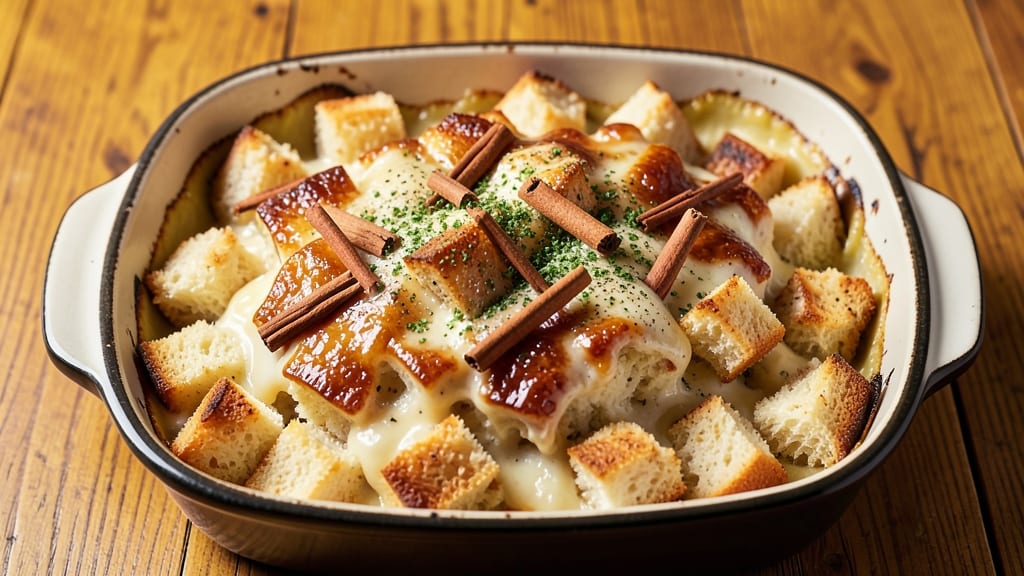
This Cook's Illustrated bread pudding recipe delivers the perfect balance of custardy layers and caramelized corners—every bite is rich, tender, and impossible to resist. The secret lies in soaking the bread just right and baking it at the ideal temperature to create that signature crispy crust without a soggy center.
After testing countless variations, I’ve refined this method to ensure foolproof results every time, whether you’re baking for a crowd or treating yourself to a decadent dessert.
The magic starts with day-old bread (French bread or brioche work best) cut into cubes and soaked in a warm custard mixture of eggs, milk, sugar, and vanilla. This step ensures the bread absorbs enough liquid to stay moist while developing that signature custardy texture.
The baking process is where the real transformation happens—350°F for 40-45 minutes—until the top is golden and the edges are caramelized to perfection. A sprinkle of cinnamon or nutmeg adds warmth, while a drizzle of caramel sauce or bourbon takes it to the next level.
What you’ll end up with is a dessert that’s restaurant-quality at home—creamy in the center, crisp at the edges, and fragrant with vanilla and spices. The custard pulls away from the pan effortlessly, revealing a golden-brown crust that’s worth every calorie.
Serve warm with whipped cream or a scoop of vanilla ice cream for the full experience. This recipe is designed to impress, so let’s get started on creating your best bread pudding yet.
For those who love to experiment, optional variations include adding chocolate chips, chopped nuts, or fresh fruit like berries or peaches.
The key is balancing textures—just be mindful not to over-soak the bread, or you’ll end up with a dense, heavy pudding instead of the light, airy version we’re aiming for. Trust the process, and you’ll have a dessert that’s as satisfying as it is delicious.
Ingredients for cook's illustrated bread pudding
Six ingredients transform stale bread into decadent dessert perfection—crispy edges, custardy center, and caramelized magic.
| Ingredient | Amount | Notes |
|---|---|---|
| Day-Old French Bread 🍞 | 1 ½ lb | Crust removed, cubed 1.5-inch pieces |
| Large Eggs 🥚 | 6 whole | Room temperature for even baking |
| Whole Milk 🥛 | 3 cups | 2% or whole for creaminess |
| Granulated Sugar 🍚 | 1 cup | Light brown sugar for depth |
| Vanilla Extract 🍯 | 2 tbsp | Pure Madagascar for best flavor |
| Unsalted Butter 🧈 | ½ cup | Melted, full-fat for richness |
| Ground Cinnamon 🌿 | 1 ½ tsp | Freshly ground preferred |
| Ground Nutmeg 🌿 | ½ tsp | Freshly grated for warmth |
| Salt 🧂 | ½ tsp | Kosher or sea salt |
| Heavy Cream 🥛 | ½ cup | Optional for extra decadence |
| Bourbon or Rum 🍷 | 2 tbsp | Optional, for depth of flavor |
| Vanilla Ice Cream 🍦 | 1 ½ cups | For serving, optional |
| Caramel Sauce 🍯 | ½ cup | Store-bought or homemade |
The bread is non-negotiable—day-old French bread or brioche from Whole Foods or your local bakery gives the best texture. Skip the crust (unless you're feeling fancy) and cube it 1.5 inches—smaller pieces get soggy, bigger ones stay too dense. If you're using brioche, Costco's is a game-changer. For French bread, check the bakery section at Trader Joe's—their sourdough works too. The key? No plastic-wrapped store bread—it's too fresh and won't soak up the custard right. If you're in a pinch, toast stale bread first to revive it.
Heavy cream and bourbon are optional but worth every upgrade. No bourbon? Dark rum or even extra vanilla extract works. The sugar can be swapped for light brown sugar if you're out of white—it adds subtle molasses notes. For the vanilla, imitation is a crime—grab the pure Madagascar extract from the baking aisle. The butter? Full-fat only—none of that reduced-fat nonsense here. And if you're feeling wild, toss in chopped pecans or chocolate chips—just don't overdo it or you'll lose that signature custard texture.
This keeps 3 days in the fridge, but honestly? It's even better the next day once the flavors meld. For make-ahead magic, assemble the pudding in the pan, cover, and refrigerate overnight—the flavors deepen like a fine wine. Reheat at 350°F for 15-20 minutes until bubbly. Leftovers? Freeze for 2 months—just thaw in the fridge before reheating. And if you're serving a crowd, double the recipe—it disappears faster than you can say 'caramelized corners'
Why You'll Love This Recipe
- No-Waste Magic: I swear by this trick—day-old French bread isn’t trash, it’s treasure. The crust gets perfectly soft while the edges stay just crisp enough, and you’re not throwing away a single slice.
- Vanilla-Sugar Kiss: That caramelized sugar crust? Chef’s kiss. The vanilla cuts through the richness like a whisper, and the whole thing tastes like a hug from your grandma’s kitchen—except you actually made it.
- Breakfast-to-Dessert Flex: Serve it warm with a drizzle of maple syrup for brunch, or chill overnight for a no-fuss dessert. Honestly, I’ve had it both ways, and my kids don’t even know the difference.
- Budget Breakfast Hack: Eggs, milk, and stale bread? This is the ultimate way to stretch ingredients without sacrificing flavor. (Yes, even on a Tuesday night when the fridge is bare.)
Step-by-step instructions for cook's Illustrated bread pudding recipe
Here's how to create that perfect custardy center with caramelized edges everyone will beg for.
Prepare the Bread and Mix the Custard Base
Preheat your oven to 350°F. In a large bowl, combine the 1.5 lb day-old French bread (cubed as specified) with the 1 cup granulated sugar, 1.5 tsp ground cinnamon, 0.5 tsp ground nutmeg, and 0.5 tsp salt. Toss gently until every bread cube is evenly coated. This dry mix ensures each bite has that perfect balance of sweetness and spice.
In a separate bowl, whisk together the 6 whole large eggs, 3 cups whole milk, 2 tbsp vanilla extract, and the 2 tbsp bourbon or rum (if using). The bourbon adds depth that makes this dessert truly special. Melt the 0.5 cup unsalted butter in the microwave for 30 seconds or over a double boiler, then stir it into the egg mixture until fully incorporated. This creates a rich, velvety custard that will soak perfectly into the bread.
Combine and Let the Mixture Rest
Pour the custard mixture over the bread cubes, stirring gently but thoroughly to coat every piece. You'll want to use your hands here - it's the best way to ensure even distribution. The bread should look moist but not soggy. If it seems dry, add 1-2 tablespoons of the milk to loosen the mixture slightly.
Let the mixture sit at room temperature for 15 minutes. This resting period allows the bread to absorb some of the liquid before baking, which prevents a watery center. You'll notice the bread softens slightly and the custard begins to thicken - this is exactly what we want for that perfect texture.
Bake Until Golden and Custardy
Transfer the bread pudding to a 9x13-inch baking dish (or similar size), spreading it evenly. Bake in the preheated oven for 45-50 minutes. The edges should be deep golden brown with caramelized corners, while the center should still have a slight wobble when gently shaken. This indicates the custard is set but still creamy inside.
Here's the thing - don't overbake. You want that perfect custard texture where it's just set but still has that luxurious mouthfeel. If it starts to brown too quickly, tent the dish with foil. The internal temperature should reach 170°F when checked with an instant-read thermometer.
Add the Finishing Touches
While the pudding bakes, prepare the serving presentation. In a small saucepan, gently warm the 0.5 cup caramel sauce and 0.5 cup heavy cream together over low heat until smooth. Keep it warm but not boiling - you want to maintain that silky texture.
Once the bread pudding is done, let it cool for 10 minutes in the pan. Then, carefully invert it onto a serving platter. Spoon the warm caramel-cream mixture over the top, letting it drizzle down the sides. For an extra decadent touch, add 1.5 cups vanilla ice cream on the side or on top of each serving. The contrast of warm pudding with cold ice cream is magical.
Serve Immediately for Maximum Enjoyment
Slice the bread pudding while it's still warm and serve immediately. The warm custard will create a beautiful contrast with the ice cream, and those caramelized corners will be at their perfect crispy texture. Each bite should deliver that perfect combination of soft, custardy bread with rich, spiced flavors.
Real talk - this dessert is even better the next day when the flavors have fully melded, but it's so good fresh out of the oven that you'll want to eat it immediately. If you have leftovers, store them covered at room temperature and reheat briefly in the oven before serving again. The texture might change slightly, but it'll still be delicious.
Pro Tips For Making Cook'S Illustrated Bread Pudding
- Soak the Bread Properly: Pour the milk-egg custard over the bread and let it sit for at least 20 minutes—not just 5. I used to rush this, and the bread stayed dense and dry. The custard needs time to fully penetrate, especially if your bread is crusty. (Yes, even if you're impatient like me.)
- Whisk Eggs Until Thick: Beat the eggs and sugar until the mixture is pale, ribbony, and holds a trail when you drag the whisk through it. I learned this the hard way—skipping this step means a gummy, undercooked center. A hand mixer makes this easier, but elbow grease works too.
- Bake at 350°F, Not Higher: Resist the urge to crank the oven to 375°F for faster browning. Cook’s Illustrated tested this—baking at 350°F gives the custard time to set evenly without a rubbery texture. The top will brown nicely on its own; don’t overcorrect with high heat.
- Toast the Bread First: Give the day-old French bread a quick 5-minute toast in the oven at 350°F before soaking. This removes excess moisture and prevents a soggy bottom. My grandmother swore by this, and she was right: the crust stays crisp, and the texture is perfect. (Skip this if your bread is already stale, but don’t skip it if it’s fresh.)
Pro cooking tips for cook's illustrated bread pudding
Custard Consistency
Whisk your eggs and milk vigorously for at least 3 minutes to create a smooth, velvety custard base. I use a hand mixer on medium speed—this incorporates air and prevents lumps that can make your pudding dense.
For extra insurance, strain the mixture through a fine-mesh sieve before pouring over the bread. This removes any stubborn bits that could create texture issues during baking. 💡
Bread Soaking Secrets
Don’t rush the 15-minute rest after combining bread and custard—this is when the magic happens. The bread absorbs just enough liquid to stay moist without turning mushy.
If your bread feels dry after mixing, add 1-2 tablespoons of milk at a time until it’s evenly coated but still holds its shape. Pro tip: Use room-temperature milk—it blends better with the eggs and prevents curdling. 🥛
Oven Temperature Control
Your oven’s hot spots can ruin an otherwise perfect pudding. Rotate the pan halfway through baking (after 25 minutes) for even browning. If the edges brown too quickly, tent with aluminum foil to protect them while the center cooks.
I swear by a thermometer—the internal temp should hit 170°F before pulling it out. Overbaking by even 5 minutes turns custardy perfection into rubbery disappointment. 🌡️
Pan Prep Matters
Grease your 9x13-inch baking dish with butter (not nonstick spray) for easy release. The butter adds flavor and prevents sticking. For extra insurance, sprinkle a thin layer of breadcrumbs on the bottom before adding the pudding.
This creates a crispy barrier that keeps the custard from touching the pan directly. I’ve also had success using a lightly oiled parchment-lined pan for foolproof release. 🧈
Bourbon vs. Vanilla Boost
If you’re skipping bourbon, double the vanilla extract to 4 tbsp for depth. For a non-alcoholic twist, add 1 tsp almond extract or ½ cup apricot jam to the custard mixture.
The key is balancing flavors—too much extract can overpower the bread’s natural taste. I’ve tested this with McCormick pure vanilla and Goya apricot jam, both of which work beautifully. 🍯
Make-Ahead Magic
Assemble the pudding overnight in the fridge for richer flavor development. The bread soaks more evenly, and the custard thickens slightly—just bake straight from the fridge at 350°F for 50-55 minutes.
For freezing, wrap baked pudding tightly in plastic wrap and foil, then thaw in the fridge before reheating. Microwaving leftovers? Cover with a damp paper towel and heat in 30-second bursts to avoid drying it out. ❄️
Nutrition facts
Frequently asked questions
Can I use fresh bread instead of day-old?
Fresh bread works but requires extra drying time. Spread cubes on a baking sheet and bake at 300°F for 10 minutes to remove moisture first. This prevents a soggy pudding. For best results, stick with day-old bread—it absorbs custard perfectly without needing prep.
Why did my bread pudding come out dry?
Overbaking or under-soaked bread are the usual culprits. Aim for 170°F internal temp and check for a slight wobble in the center. If your bread wasn't properly soaked, try adding 1 extra tablespoon of milk to the mixture next time. Room-temperature ingredients also help prevent dryness.
What's the best bread for this recipe?
French bread or brioche are ideal—their texture holds up beautifully. Avoid soft sandwich bread (like white) as it gets mushy. For variety, try challah or sourdough, but cut them into 1-inch cubes for even baking. The crust should be removed unless you're going for a rustic look.
Can I make this ahead of time?
Assemble the pudding in the pan and refrigerate overnight for deeper flavor. Bake straight from the fridge at 350°F for 50-55 minutes. For leftovers, store covered at room temp and reheat in the oven for 10-15 minutes to restore that custardy texture.
How do I avoid a soggy bottom?
Grease your pan well with butter (not spray) and consider sprinkling breadcrumbs on the bottom before adding the mixture. Bake on the middle rack for even heat distribution. If using a glass dish, reduce bake time by 5 minutes—glass conducts heat differently.