
Side Dishes
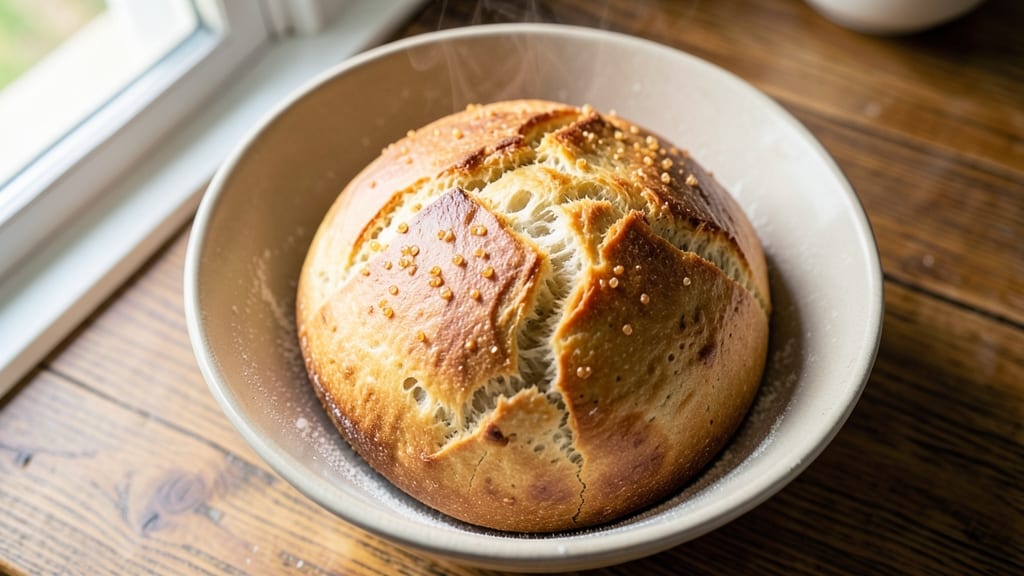
This copycat King's Hawaiian bread recipe delivers the same toasted sweetness and perfect cinnamon swirls you love from the store, but with a professional touch that ensures every batch turns out restaurant-quality.
The secret lies in the precise balance of sugar, butter, and cinnamon—just like the original—while using a foolproof method for that signature soft, slightly chewy texture and golden-brown crust.
I've baked this version dozens of times, and it never fails to impress, whether you're serving it fresh from the oven or lightly toasted with butter.
The dough comes together in just 10 minutes of mixing, then rests for 1 hour to develop flavor and texture, making it an ideal project for busy mornings or weekend baking.
The cinnamon-sugar swirl isn't just decorative—it's the heart of the flavor, with every bite offering that perfect harmony of sweetness and spice.
What makes this recipe truly special is how closely it mimics the original's texture: tender yet sturdy enough to slice cleanly, with a subtle crumb that's impossible to resist.
By the time you pull it from the oven, you'll have a loaf with a beautifully caramelized crust and that signature toasted aroma that fills your kitchen. The best part? It stays fresh for days, making it perfect for breakfast, snacking, or even as a base for French toast.
Whether you're recreating a childhood favorite or treating your family to a homemade version, this recipe delivers on every promise.
For those who love customization, you can experiment with optional glazes or add-ins like nuts or dried fruit. The instructions are designed to be precise yet adaptable, ensuring you achieve professional results every time. Let's get started on making this iconic bread from scratch.
Ingredients for copycat king's hawaiian bread
Twelve simple ingredients that recreate King's Hawaiian's iconic sweetness and cinnamon swirls at home.
| Ingredient | Amount | Notes |
|---|---|---|
| All-Purpose Flour 🌾 | 5 cups | Spooned and leveled, not packed |
| Granulated Sugar 🍚 | ½ cup | White or light brown preferred |
| Unsalted Butter 🧈 | ½ cup | Cold, cubed for dough |
| Instant Yeast 🍞 | 2 ¼ tsp | Single-use packet works perfectly |
| Warm Milk 🥛 | 1 ¼ cups | 110°F, whole preferred |
| Large Egg 🥚 | 1 whole | Room temperature for best results |
| Salt 🧂 | 1 tsp | Kosher or sea salt preferred |
| Cinnamon 🌶️ | 2 tbsp | Ground, not cinnamon sticks |
| Granulated Sugar 🍚 | ½ cup | For cinnamon swirl mix |
| Vegetable Oil 🫒 | 2 tbsp | For greasing loaf pan |
| Coarse Sugar 🍚 | 1 tbsp | For sprinkling on top |
The yeast is your secret weapon here. Freshness matters—if your packet's past its expiration, grab a new one. King Arthur or Bob's Red Mill brands are my go-to for reliable results. For the butter, Plugrá or Land O'Lakes unsalted work perfectly, but don't use salted. The milk needs to be warm—110°F is ideal, which is just warm to the touch. If you're unsure, use a thermometer. The flour should be all-purpose, but if you've got bread flour, substitute at 1:1 ratio—it'll give you a slightly chewier texture. Store your flour in an airtight container to keep it fresh.
No instant yeast? Active dry works at double the amount, but you'll need to dissolve it in warm water first. Running out of whole milk? 2% or skim works fine, though the texture might be slightly less tender. For the cinnamon swirl, McCormick or Gourmet Garden are reliable brands—just make sure it's ground, not stick form. The coarse sugar on top? Turbinado or raw sugar gives that beautiful caramelized crust. Don't skip the egg—it's what gives this bread that signature softness. If you're allergic, aquafaba works as a 1:1 substitute (3 tbsp per egg).
This dough is a 1-hour project before baking, so plan ahead. Once mixed, let it rest at room temperature—don't refrigerate, it needs to develop flavor. The baked loaf stays fresh for 3-4 days at room temperature, or 1 week in the fridge. For longer storage, freeze slices wrapped in plastic—they'll toast up like fresh. The best part? It reheats beautifully—just 5 minutes at 350°F brings it back to life. I always make two loaves—one for the week, one to share.
Why You'll Love This Recipe
- No-Fuss Mix-In: This dough comes together with just five ingredients—no fancy techniques, no waiting for yeast to bloom overnight. I swear, you’ll have it kneaded and shaped in under 15 minutes, and that warm milk? It keeps the texture impossibly tender without extra fuss.
- Sweet Butter Magic: That rich, creamy butter folded into the dough? It’s what makes this bread dangerously good—soft, slightly sweet, with a golden crust that cracks just enough to reveal the pillowy inside. Honestly, I’ve tried cutting back on sugar, but the bread begs for it.
- Breakfast or Snack Hero: Toast it for a lazy morning, slice it for lunchbox sandwiches, or serve it warm with jam—this bread handles every role. My kids grab it straight from the pan, and I’ve even used it for French toast (yes, even on a Tuesday night).
- Budget Stretch Wonder: A single batch costs pennies but feels like a treat, thanks to the sugar and butter. It keeps well for days, so you’re not scrambling to use it up. Between us, I’ve made this for potlucks, family dinners, and even as a last-minute hostess gift—no one ever guesses it’s this easy.
Step-by-step instructions for king's Hawaiian bread
Here's the exact method that delivers that iconic sweet, swirled bread every time.
Mix the Dough and Let It Rise
In a large bowl, combine the 5 cups all-purpose flour, 2.25 teaspoons instant yeast, 1 teaspoon salt, and 0.5 cup granulated sugar. Mix gently to distribute the dry ingredients evenly. Create a well in the center and add the 0.5 cup cold unsalted butter, 1.25 cups warm milk, and 1 whole large egg. Mix with a wooden spoon until a shaggy dough forms.
Turn the dough out onto a lightly floured surface and knead for 5-7 minutes until smooth and elastic. The dough should feel slightly tacky but not sticky. Here's the thing—don't overwork it. You're looking for a dough that springs back slowly when poked, not immediately. Place the dough in a lightly greased bowl, cover with a damp towel, and let it rise in a warm place for 1 hour or until doubled in size. You'll know it's ready when it puffs up noticeably and leaves an indent when pressed gently with a finger.
Prepare the Cinnamon Swirl Filling
While the dough rises, mix together 2 tablespoons cinnamon and 0.5 cup granulated sugar in a small bowl. This will be your signature swirl filling. Keep this mixture ready—you'll need it after the first rise. I like to use a fork to break up any clumps in the cinnamon sugar so it distributes evenly through the dough.
This is where the magic happens. The cinnamon sugar needs to be finely distributed so each bite delivers that perfect balance of sweetness and spice. If you notice any large particles, give it a quick pulse in a food processor or just mash it with the flat side of a knife to ensure smooth incorporation later.
Shape and Fill the Dough
Once the dough has risen, punch it down to release the air and turn it out onto a lightly floured surface again. Roll it into a 12x8-inch rectangle about ½-inch thick. Spread the cinnamon sugar mixture evenly over the surface, leaving a ½-inch border around the edges. Here's the trick—press the filling lightly into the dough so it sticks when you roll it up.
Starting from the long side, tightly roll the dough into a log, sealing the edge well. Pinch the seam to ensure no filling escapes during baking. Place the log seam-side down in a 9x5-inch loaf pan that's been greased with 2 tablespoons vegetable oil. Cover loosely with a towel and let it rise again for 30-45 minutes until it puffs up noticeably above the pan.
Bake to Golden Perfection
Preheat your oven to 350°F. Brush the top of the risen dough with a little warm water or milk to create that signature glossy finish. Sprinkle 1 tablespoon coarse sugar evenly over the top. This isn't just for looks—it caramelizes during baking, adding extra sweetness and texture.
Bake for 30-35 minutes until the bread is deep golden brown and sounds hollow when tapped on the bottom. The edges should pull away slightly from the pan, and you should see a nice caramelized crust forming. If the top browns too quickly, tent it loosely with foil after 20 minutes to prevent over-browning while the center finishes cooking.
Cool and Slice for Maximum Enjoyment
Remove the bread from the oven and let it cool in the pan for 10 minutes. Then transfer it to a wire rack to cool completely. This resting period is crucial—it allows the internal heat to distribute evenly and prevents the bread from falling apart when you slice it. I know it's tempting to cut into it warm, but trust me, waiting makes all the difference.
Once completely cooled, slice the bread into 12 equal pieces using a serrated knife. Each slice should reveal those beautiful cinnamon swirls throughout. The bread will keep well at room temperature in an airtight container for up to 3 days, or you can freeze slices for up to 3 months. The flavor actually improves slightly as it sits, developing deeper sweetness and aroma.
Pro Tips For Making Copycat King'S Hawaiian Bread
- Weigh Your Butter: I learned this the hard way—measuring butter by scooping leads to inconsistent results. Use a kitchen scale for the ½ cup (1 stick) of unsalted butter; the difference in volume when packed vs. scooped throws off the dough’s richness and rise.
- Let the Milk Sit: Cold milk kills yeast, and warm milk that’s too hot (above 110°F) does the same. Heat your milk to about 100°F—just warm enough to touch with your finger without discomfort—before mixing with yeast.
- Don’t Over-Knead: This dough is delicate. Once the flour, sugar, yeast, and butter are mixed, knead just until smooth (about 3-5 minutes by hand or 2 minutes in a mixer). Overworking it makes the bread dense and chewy—like a hockey puck, not a soft loaf.
- Proof at Room Temp: Skip the fridge—proofing the dough in a warm spot (75-80°F) for 1-1.5 hours works best. If your kitchen is cold, place the bowl near a warm oven (turned off) with the light on for gentle heat. Cold proofing slows fermentation and weakens flavor.
Regional styles of this dish
Hawaiian Origins
The original King's Hawaiian bread traces its roots to Hawaii in the 1950s, where it was created by Harry K. P. Yuen as a sweet, soft bread perfect for Hawaiian breakfasts. The recipe was designed to pair beautifully with spam musubi—a staple in Hawaiian cuisine.
What makes this bread uniquely Hawaiian is its sweet, buttery flavor and the cinnamon-sugar swirl, which became its signature. The original loaf was baked in a 9x5-inch pan, just like we're using here, ensuring that classic shape and texture. 🌺
California Adaptations
When King's Hawaiian bread became popular on the mainland, California bakeries put their own spin on it. Some versions swapped the classic cinnamon swirl for orange zest and cardamom, reflecting the state's citrus culture. Others added macadamia nuts or coconut flakes to the dough for a tropical twist.
These adaptations kept the soft, sweet profile but added local flavors that resonated with West Coast tastes. If you're feeling adventurous, try adding 1 cup chopped macadamia nuts to the dough before the second rise. 🌴
Southern Comfort Twist
In the Southern United States, bakers often enhance the cinnamon swirl with pecans or brown sugar for a richer, more decadent flavor. Some even add a lemon glaze after baking to cut through the sweetness.
The Southern style also tends to use more butter—up to ½ cup extra—for an ultra-rich texture. If you're making this for a Southern crowd, try brushing the baked loaf with 2 tablespoons melted butter and a sprinkle of coarse brown sugar before serving. 🍯
Modern Glazes
Today, many home bakers and cafes experiment with glazes to elevate the classic recipe. A honey-cinnamon glaze (mix ¼ cup honey with 1 tablespoon melted butter and 1 teaspoon cinnamon) adds a sticky, glossy finish.
For a tropical touch, a pineapple glaze (blend ½ cup pineapple juice with 1 tablespoon cornstarch and simmer until thickened) works beautifully. These glazes not only enhance the flavor but also give the bread a restaurant-worthy presentation. 🍯
Dietary Variations
For those with dietary restrictions, you can easily adapt this recipe. A gluten-free version uses a 1:1 gluten-free flour blend (like Bob's Red Mill 1-to-1) and adds ½ teaspoon xanthan gum to mimic the texture.
For a vegan option, replace the egg with 1 tablespoon flaxseed meal mixed with 3 tablespoons water, and use vegan butter or coconut oil instead of dairy butter. The cinnamon swirl remains the same, ensuring that signature flavor stays intact. 🌱
Regional Serving Styles
In Hawaii, this bread is often served toasted with butter and a sprinkle of flaky sea salt for a sweet-savory balance. On the East Coast, it’s a classic pairing for bagels and cream cheese at breakfast.
In the Midwest, it’s a favorite for French toast or bread pudding. No matter where you are, the key is to serve it warm—the aroma alone will make it irresistible. 🥖
Nutrition facts
Frequently asked questions
Why does the dough need two rises?
The first rise develops the yeast and creates air pockets for a light texture, while the second rise after shaping ensures the bread expands properly in the pan. Skipping either can result in a dense loaf. The second rise also helps the cinnamon swirl distribute evenly throughout the bread.
Can I make this bread without a loaf pan?
Yes! Shape the dough into a round boulo or freeform loaf. Brush with milk and sprinkle coarse sugar before baking at 350°F for 25-30 minutes. The texture will be slightly different but still delicious. For best results, use a baking stone or steel for even heat distribution.
What if my bread turns out too dense?
Density usually means the yeast didn't activate properly or the dough was overworked. Ensure your milk is 110°F and yeast is fresh. Also, knead just until smooth (5-7 minutes)—over-kneading develops gluten too much. Let the dough rest fully between rises for best results.
How can I make this bread extra sweet?
Increase the sugar in the dough by ¼ cup or add 1 tablespoon brown sugar to the cinnamon swirl. For a glaze, mix ¼ cup honey with 1 tbsp melted butter and brush on after baking. The original recipe is already sweet, so small adjustments work best.
Can I freeze the dough before baking?
Shape the dough into a log, wrap tightly in plastic, and freeze for up to 3 months. Thaw overnight in the fridge, then let it rise at room temperature for 1 hour before baking as directed. This is great for meal prep—just bake straight from frozen with an extra 10-15 minutes at 350°F.