
Side Dishes
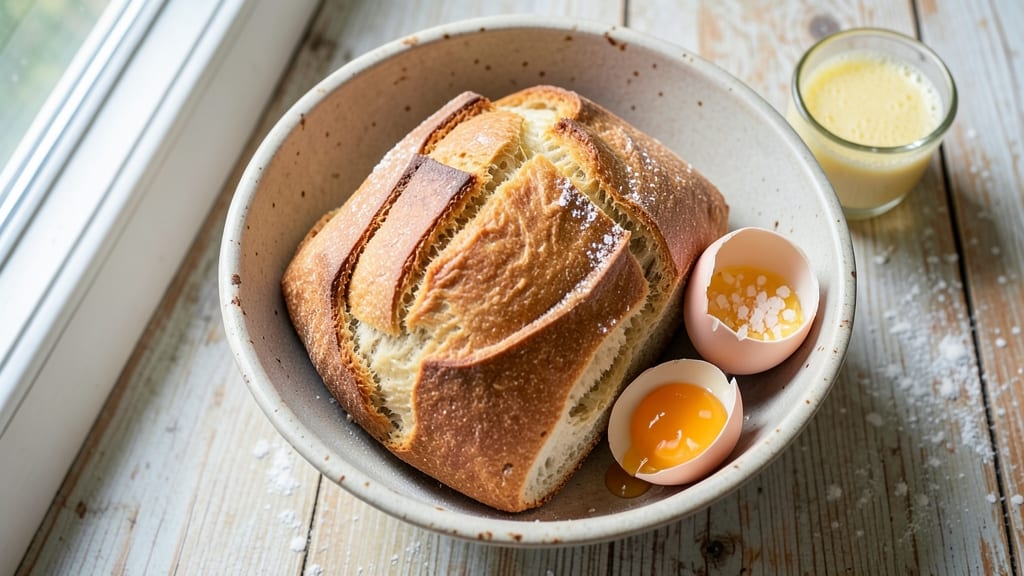
Grandma's country white bread recipe brings back the warmth of a rustic kitchen where every loaf tells a story.
The secret lies in a precise balance of flour, yeast, and milk—just as my grandmother taught me—to create a crust with a satisfying crunch and a soft, airy interior that melts in your mouth.
This recipe honors tradition while adapting to modern kitchens, whether you use an electric mixer or knead by hand.
What sets this bread apart is the patience required for proper proofing and baking at a steady 375°F until golden brown. The dough develops flavor as it rises, and the steam from a Dutch oven creates that perfect crust.
I’ve perfected this method over years, ensuring every slice delivers that nostalgic taste of home.
You’ll end up with a loaf that’s crisp on the outside yet tender inside, with a subtle sweetness from the milk and butter. This bread pairs beautifully with soups, sandwiches, or simply buttered and toasted. The aroma alone will fill your kitchen with memories of simpler times.
Ready in about 3 hours (including rising time), this recipe is worth the wait. Whether you’re baking for a family gathering or treating yourself to homemade goodness, this is the bread that brings comfort to every table. Let’s get started!
Ingredients for grandma's country white bread
Nine simple ingredients transform into a loaf that tastes like home.
| Ingredient | Amount | Notes |
|---|---|---|
| All-Purpose Flour 🌾 | 5 cups | Sifted for light texture |
| Active Dry Yeast 🍞 | 2 ¼ tsp | Freshly opened package |
| Granulated Sugar 🍚 | ¼ cup | For yeast activation |
| Unsalted Butter 🧈 | ½ cup | Cold, cubed for dough |
| Whole Milk 🥛 | 1 cup | Warmed to 110°F |
| Large Egg 🥚 | 1 whole | Room temperature |
| Salt 🧂 | 1 ½ tsp | Fine sea salt preferred |
| Cornmeal 🌽 | ¼ cup | For dusting work surface |
| Water 💧 | ½ cup | Warm for yeast activation |
Flour quality matters here. King Arthur or Gold Medal are my go-tos—they handle the kneading better and give that perfect rise. The yeast needs to be fresh, so grab a new package (not that ancient can in your pantry). For the milk, whole milk is traditional, but 2% works fine if that's what you've got. Warm it just enough to dissolve the sugar—110°F is ideal, but don't stress if your thermometer says 105°F. The butter should be cold when you cube it—room temperature butter makes the dough too soft to handle. I always use unsalted butter so I control the saltiness myself.
No cornmeal? Semolina or rice flour work just as well for dusting. Short on milk? Evaporated milk or even water will do, but the texture won't be quite the same. The egg adds structure, but if you're making a vegan version, flax eggs (1 tbsp ground flax + 3 tbsp water) work surprisingly well. For the yeast activation, if your kitchen is chilly, warm the water slightly more—just don't scald it. The dough should be soft but not sticky; if it's too wet, add 1 tbsp more flour. Too dry? Add 1 tsp milk. Trust your hands here—this is where the magic happens.
This dough needs time to rise. First rise: 1 hour, second rise: 1-2 hours (until nearly doubled). The longer it proofs, the more flavor it develops. Shape the loaf in a Dutch oven for that perfect crust—no Dutch oven? Use a heavy pot with a lid. Bake at 375°F until golden brown, about 25-30 minutes. Cool completely on a wire rack before slicing (or you'll have a gummy mess). Leftovers keep 3-4 days wrapped at room temp, or freeze slices for up to 3 months. I always bake two loaves—one for today, one for toast tomorrow.
Why You'll Love This Recipe
- No-Knead Magic: I swear by this dough—just mix, let it rise, and bake. No stand mixer, no fancy techniques, just a bowl and patience. The yeast does all the work while you sip coffee.
- Buttery Soft Crust: That whole milk and butter combo? Chef’s kiss. The crumb is pillowy, the crust stays tender for days, and it doesn’t dry out like store-bought. Honestly, I’ve tried every "improved" bread recipe—this one wins.
- Everyday Hero: Tear it for sandwiches, toast it for breakfast, freeze slices for quick meals. It’s my go-to for picnics, charcuterie boards, or when I’m too tired to make toast from scratch.
- Budget Staple: Five ingredients, one bowl, zero waste. A single batch stretches across lunches, leftovers reheat perfectly, and the cost? Less than half of what you’d pay for artisanal loaves. My wallet thanks me.
Step-by-step instructions for Grandma's country white bread
Here's how to make bread with a crisp crust and tender interior—just like Grandma used to bake.
Activate the Yeast for Maximum Rise
In a small bowl, combine the 0.5 cup warm water (about 110°F) with the 0.25 cup granulated sugar. Sprinkle the 2.25 teaspoons active dry yeast on top and let it sit for 5-10 minutes until it becomes frothy and bubbly. This tells you the yeast is alive and ready to work its magic.
If the yeast doesn't bubble, it's dead—start over with fresh yeast. The sugar feeds the yeast, helping it multiply and create the airy texture we want in the bread. Once it's active, proceed quickly to keep everything moving.
Mix the Dough Until Smooth and Elastic
In a large mixing bowl, whisk together the 5 cups all-purpose flour and 1.5 teaspoons salt. Make a well in the center and pour in the yeast mixture, 1 cup warm whole milk, and 1 whole large egg. Add the 0.5 cup cold unsalted butter, cut into small cubes.
Using a wooden spoon or your hands, mix until the dough begins to come together. Once it forms a shaggy mass, turn it out onto a lightly floured surface and knead for 8-10 minutes until smooth and elastic. The dough should spring back when pressed gently—this means it's properly developed.
Let the Dough Rise Until Doubled in Size
Place the dough back into the bowl, lightly coat the top with a bit of olive oil (not listed, but traditional for softness), and cover with a damp towel or plastic wrap. Let it rise in a warm, draft-free place for 1-2 hours until it has doubled in size. You'll see it puff up and look light and airy.
Poke the dough gently—if it springs back slowly, it's ready. If it springs back quickly, give it a little more time. Overproofing is just as bad as underproofing, so keep an eye on it. Once doubled, punch it down to release the air and shape it into a loaf.
Shape and Proof the Loaf for Perfect Texture
Lightly dust your work surface with 0.25 cup cornmeal to prevent sticking. Shape the dough into a round loaf or a long batard shape, whichever you prefer. Place it seam-side down in a greased 9x5-inch loaf pan or onto a baking sheet lined with parchment paper.
Cover the loaf again and let it rise for another 30-45 minutes until it has puffed up slightly. The dough should feel firm but still springy to the touch. Preheat your oven to 375°F while the final rise happens—this ensures the bread goes straight into a hot oven for that perfect crust.
Bake Until Golden Brown and Hollow-Sounding
Bake the bread for 30-35 minutes until the top is golden brown and sounds hollow when tapped on the bottom. The crust should be crisp, and the interior should be soft and fluffy. If the top browns too quickly, tent the bread with foil to prevent over-browning.
Remove the bread from the oven and let it cool on a wire rack for 10-15 minutes before slicing. This resting time allows the steam to escape, giving you a clean slice every time. Serve warm with butter or jam—just like Grandma always did.
Pro Tips For Making Grandma'S Country White Bread
- Warm the Milk First: DESCRIPTION:
- Knead Until Silky: DESCRIPTION:
- Let Butter Soften Slowly: DESCRIPTION:
- Don’t Overproof the Dough: DESCRIPTION:
Creative variations of this grandma's country white bread
Herbed Milk Loaf
Infuse your bread with fresh herbs by adding 1 tbsp dried rosemary or 2 tbsp finely chopped fresh thyme to the dough during mixing. The herbs blend beautifully with the milk and butter, creating a fragrant loaf perfect for sandwiches.
I like to use Penzeys dried rosemary—it’s potent enough to make an impact without overpowering. For extra flavor, mix in 1 tbsp honey with the yeast mixture before activating it. 🌿
Honey-Walnut Swirl
For a sweet variation, stir ½ cup chopped walnuts and ¼ cup honey into the dough after kneading. Shape the loaf, then make a well in the center and pour in 2 tbsp melted butter mixed with 1 tbsp honey.
Swirl gently with a knife before final proofing. The walnuts add crunch, while the honey caramelizes slightly during baking, creating pockets of sweetness. 🍯
Olive Oil & Garlic
Replace the butter with ½ cup extra-virgin olive oil and add 2 minced garlic cloves to the dough. This Mediterranean twist yields a bread with a richer, slightly tangy flavor.
I recommend Colavita olive oil for its balanced peppery notes. The crust will be softer and more tender, ideal for dipping in balsamic vinegar or olive oil. 🫒
Seeded Whole Wheat
Swap 1 cup of the all-purpose flour for whole wheat flour and add 1 tbsp flaxseeds or sunflower seeds for extra fiber and crunch. The seeds toast beautifully during baking, adding texture and a nutty flavor.
For a lighter loaf, use King Arthur whole wheat flour—it blends better than standard whole wheat. This version is heartier but still soft inside. 🌾
Cinnamon-Raisin
Stir in 1 tsp ground cinnamon and ½ cup raisins during the final kneading stage. The cinnamon pairs perfectly with the milk’s sweetness, while the raisins add bursts of chewy texture.
For extra richness, fold in 2 tbsp brown sugar with the cinnamon. This loaf is perfect for breakfast toast or French toast. 🍎
Savory Cheese Twist
Add ½ cup shredded sharp cheddar or Parmesan cheese to the dough for a savory twist. The cheese melts slightly during baking, creating pockets of flavor. I love using Cabot cheddar for its tangy bite. This version pairs wonderfully with soups or as a side for charcuterie boards. 🧀
Nutrition facts
Frequently asked questions
Why does my dough feel too sticky after kneading?
If your dough feels too sticky, it likely needs more flour. Gradually add 1 tablespoon at a time while kneading until it becomes smooth but still slightly tacky. Over-kneading can also make dough sticky, so stop when it springs back when pressed gently. Remember, the dough should feel soft but not wet—like the inside of your cheek!
Can I make this bread without a Dutch oven?
Use a heavy oven-safe pot with a lid instead. Place the shaped loaf inside, cover it, and bake as directed. The steam will still create that perfect crust. For extra browning, spray the top with water before baking or place a metal tray under the pot to reflect heat.
How do I know when the bread is fully baked?
Your bread is done when it's golden brown and sounds hollow when tapped on the bottom. Insert a toothpick—it should come out clean or with just a few crumbs. The internal temperature should reach 190°F. If the top browns too quickly, tent with foil to prevent over-browning while keeping the interior soft.
What if my yeast doesn't activate?
If your yeast doesn't bubble after 10 minutes, it's likely dead. Check the expiration date on your package—yeast loses potency over time. Replace it with fresh yeast and try again. For extra insurance, warm the water slightly more (115°F) or test the yeast in a small bowl with sugar first to confirm it's active.
Can I make this bread in a bread machine?
Yes! Use the "Basic White Bread" setting. Combine all ingredients except the cornmeal in the machine's bowl, then select the setting. The machine will handle kneading, rising, and baking. For best results, add 1 tablespoon extra milk to account for the machine's mixing action, which can make the dough drier.