
Side Dishes
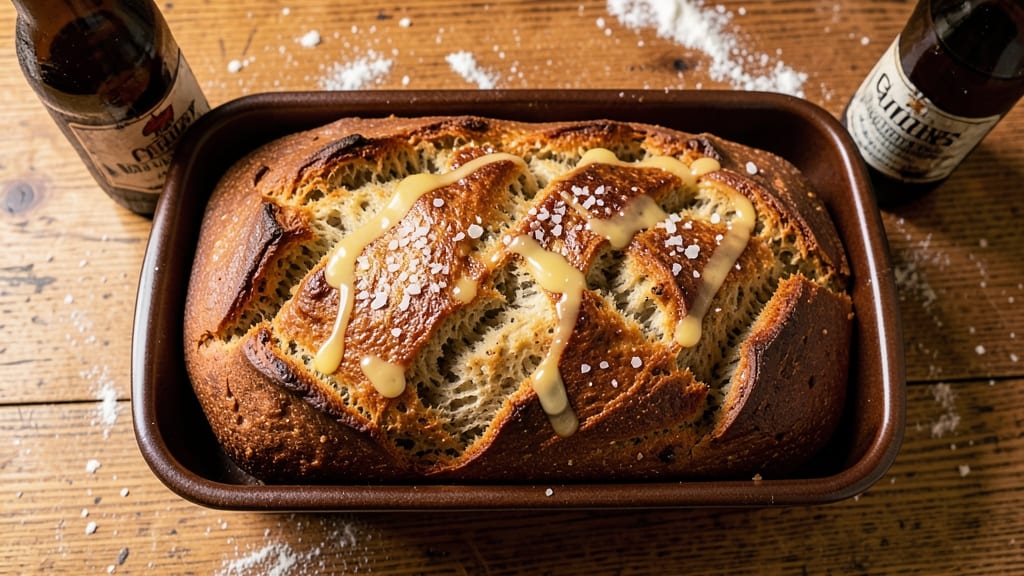
This Guinness beer bread recipe delivers the perfect balance of a rich, malty crust and a tender, moist crumb that pairs beautifully with soups or butter. The secret lies in using Guinness stout—its deep flavor and slight bitterness transform ordinary bread into something extraordinary.
I developed this recipe after years of testing, ensuring every slice stays soft for days while maintaining that signature Guinness aroma.
The process is straightforward: mix the dough with warm beer, let it rise until nearly doubled, then bake until golden. No special equipment is needed—just a bowl, measuring cups, and about 45 minutes of active time.
The beer’s carbonation creates air pockets, while its maltiness infuses the bread with a depth you won’t find in traditional recipes. For extra richness, consider adding a sprinkle of cheddar or a pinch of rosemary before baking.
What you’ll end up with is a loaf that’s moist in the center and crisp on the edges, with a crust that crackles when sliced. The aroma alone will have everyone gathering around the table, and the flavor—slightly sweet, with a hint of bitterness—makes it a standout side dish.
Serve warm with butter or pair it with hearty stews for a meal that feels like a restaurant experience at home.
This recipe scales easily for gatherings, and leftovers stay fresh for days when stored properly. Whether you’re a seasoned baker or just starting out, this Guinness bread is a game-changer that will become a staple in your kitchen. Let’s get baking!
Ingredients for guinness beer bread
Nine simple ingredients transform into a loaf with Guinness aroma and tender crumb.
| Ingredient | Amount | Notes |
|---|---|---|
| Guinness Stout 🍺 | 1 ½ cups | Room temperature, not warm |
| All-Purpose Flour 🌾 | 3 ½ cups | Sifted, plus extra for dusting |
| Granulated Sugar 🍚 | ¼ cup | Light brown sugar works too |
| Unsalted Butter 🧈 | ½ cup | Cold, cubed, full-fat preferred |
| Large Eggs 🥚 | 2 whole | Room temperature |
| Active Dry Yeast 🍄 | 2 ¼ tsp | Or 1 packet instant yeast |
| Salt 🧂 | 1 ½ tsp | Kosher or sea salt |
| Milk 🥛 | ½ cup | Whole milk for richness |
| Shredded Sharp Cheddar 🧀 | 1 cup | Optional, for extra richness |
| Fresh Rosemary 🌿 | 1 tbsp | Chopped, optional herb |
| Cornmeal 🌽 | ¼ cup | For bread pan coating |
The Guinness is non-negotiable—it’s what gives this bread its signature depth. Grab a bottle from the beer aisle (or your fridge if you’re lucky enough to have it). Room temperature is key—warm beer kills the yeast. For extra richness, I always use Guinness Draught if I can find it. The flour should be all-purpose, but if you’ve got bread flour, use 3 cups instead. Sift it first for a lighter texture. The butter? Cold and cubed—don’t melt it, or the dough will get gummy. I keep mine in the freezer until I’m ready to mix.
No Guinness? Substitute with 1.5 cups of dark beer like stout or porter, but the flavor won’t be identical. Short on milk? Heavy cream or buttermilk works too. The cheddar is optional, but if you skip it, add another tablespoon of sugar for balance. Fresh rosemary is ideal, but dried at one-third the amount is fine in a pinch. The yeast? If it’s old, test it first—drop a pinch in warm milk with a pinch of sugar. If it bubbles in 5 minutes, it’s good. The cornmeal? Don’t skip it—it keeps the bread from sticking to the pan and adds a nice crunch.
This dough is sticky, so don’t stress if it looks messy. Grease your bowl well—I use a mix of oil and flour. Let it rise until it’s nearly doubled, which should take about an hour. If your kitchen is cold, give it extra time. The bread keeps best at room temperature, wrapped in a towel, for 2-3 days. For longer storage, freeze slices wrapped in plastic—they’ll stay fresh for up to 3 months. Reheat in a toaster or oven for that fresh-baked taste.
Why You'll Love This Recipe
- No Yeast Hassle: I swear by this recipe because it actually works without yeast—just mix, pour, and bake. The Guinness does all the rising magic while you sip your coffee, no waiting around for dough to double.
- Rich Without Effort: That deep, malty flavor from the Guinness? It’s like a warm hug in bread form. The butter and sugar balance it perfectly, so it’s never bitter—just dangerously good with every slice.
- Weeknight & Weekend Star: Between us, this bread is my go-to for lazy Sundays and quick weeknight dinners. Toast it for breakfast, serve with soup, or tear it over stew—it’s the MVP of easy meals.
- Leftovers That Last: Honestly, I’ve had this bread for days, and it stays moist and flavorful. Freeze slices for toast later, or pack it for lunches—no sad, dry ends here. Pure satisfaction.
Step-by-step instructions for Guinness beer bread
Here's how to make bread that stays moist for days with that perfect malty crust.
Activate the Yeast with Guinness Stout
In a small bowl, combine the 1.5 cups Guinness Stout with the 2.25 teaspoons active dry yeast and 0.25 cup granulated sugar. Stir well and let it sit for 5-10 minutes until it becomes foamy—this tells you the yeast is alive and ready to work. The Guinness should smell rich and slightly bitter, with no alcohol fumes (just a warm, malty aroma). If it doesn't foam, your yeast might be dead, and you'll need to start over.
Here's the thing—using cold Guinness (not warm) helps control fermentation. I like to let it sit at room temperature for 10 minutes before mixing with yeast, so it's just warm enough to activate without killing the yeast. This step is crucial for that perfect rise and flavor balance.
Mix the Dough and Add Wet Ingredients
In a large mixing bowl, whisk together the 3.5 cups all-purpose flour and 1.5 teaspoons salt. Create a well in the center and pour in the yeast-Guinness mixture, along with the 2 whole large eggs, 0.5 cup milk, and 1 cup shredded sharp cheddar. The dough will be sticky, but that's exactly what we want for that moist crumb.
Using a wooden spoon or dough whisk, gradually mix everything until just combined—you should still see some dry flour patches. Avoid overmixing, or you'll develop too much gluten and end up with a tough loaf. If the dough feels too thick, add 1-2 tablespoons more milk to help it come together. The texture should be like a thick pancake batter but still workable.
Fold in Rosemary and Let Rest
Gently fold in the 1 tablespoon chopped fresh rosemary using a spatula. The rosemary adds a nice herbal note that pairs perfectly with the malty Guinness. Let the dough rest for 10 minutes at room temperature—this helps the flour fully hydrate and makes the next step easier.
While it rests, preheat your oven to 375°F and lightly grease a 9x5-inch loaf pan. Sprinkle the bottom with 0.25 cup cornmeal to prevent sticking. The cornmeal also adds a nice crunch to the bottom of the bread. This is where the magic happens—don't skip the greasing or cornmeal, or you'll end up with a gummy bottom.
Bake to Golden Perfection
Pour the dough into the prepared loaf pan and smooth the top with a spatula. Bake for 50-55 minutes until the top is deep golden brown and a toothpick inserted in the center comes out clean. The bread should smell rich and toasty, with a hint of caramelized maltiness from the Guinness.
If the top browns too quickly, tent the pan with foil after 30 minutes to prevent over-browning while the center finishes cooking. The key to that moist crumb is not overbaking—pull it out when it's just done, not when it's fully set. Let it cool in the pan for 10 minutes before transferring to a wire rack.
Pro Tips For Making Guinness Beer Bread
- Warm the Beer First: Pour the Guinness into a small saucepan and heat it gently for 30 seconds before mixing—just until it’s barely steaming. Cold beer makes the dough sluggish, and you’ll end up overmixing trying to fix it. Trust me, your kneading will be smoother, and the bread’s rise will be more even.
- Measure Flour Right: Use the spoon-and-level method, not scooping directly from the bag. Guinness bread dough is finicky—too much flour makes it dense, and you’ll end up with a brick instead of a tender loaf. Tap the bowl to settle the flour after leveling, or you’ll regret it later.
- Don’t Overmix the Dough: Mix just until the flour is barely incorporated—lumpy dough is fine. Guinness bread develops gluten differently than yeast bread, and overworking it turns the crumb tough. Stop when you can still see flecks of butter and sugar; the magic happens in the rising.
- Butter Matters More Than You Think: Use cold, cubed butter (not melted) for the dough—it creates steam during baking, giving that signature moist crumb. If you’re lazy and melt it, at least chill the dough for 30 minutes before shaping, or the bread will spread like a pancake. (Yes, I’ve done this.)
Pro cooking tips for guinness beer bread
Yeast Activation Secrets
Always use room-temperature Guinness (not warm) to activate the yeast—this prevents killing it while still encouraging fermentation. I let the beer sit for 10 minutes at room temp before mixing with yeast and sugar.
The foam should appear in 5-10 minutes—if not, your yeast is dead, and you’ll need fresh. For extra reliability, I sometimes add 1 teaspoon of honey to the yeast mixture for faster activation. 🍺
Dough Consistency Control
The dough will be sticky but workable—this is normal! If it feels too thick, add 1-2 tablespoons milk gradually until it reaches a thick pancake batter consistency. I use a wooden spoon to mix just until combined (no overmixing!).
The key is underdeveloped gluten for that tender crumb. For extra insurance, I lightly grease my bowl with butter and flour to prevent sticking during the rise. 🧈
Perfect Rise Timing
Let the dough rise until it’s nearly doubled (about 1 hour at room temperature). If your kitchen is cold, extend this to 90 minutes. I place my bowl in a warm oven with a pan of boiling water for a faster rise.
The dough should spring back slowly when poked—if it springs back quickly, it needs more time. Overproofing leads to a dense loaf, so watch closely. ⏰
Baking with Confidence
Bake at 375°F for 50-55 minutes until the top is deep golden brown and a toothpick comes out clean. For even browning, tent with foil after 30 minutes if the top darkens too quickly.
The internal temp should reach 190-200°F. I always let the bread cool in the pan for 10 minutes before removing—this prevents crumbling. 🌡️
Crust Enhancement Tricks
For a crispier crust, brush the baked loaf with melted butter while still warm. For extra richness, sprinkle coarse sea salt on top before baking. I also like adding 1 teaspoon of smoked paprika to the dough for a subtle smoky depth.
The cornmeal in the pan adds texture—don’t skip it! 🔥
Storage for Freshness
Wrap cooled bread in a clean kitchen towel and store at room temperature for 2-3 days. For longer storage, slice and freeze in airtight containers for up to 3 months.
To reheat, toast slices in a toaster or oven at 350°F for 5 minutes—this restores that fresh-baked aroma. 💫
Nutrition facts
Frequently asked questions
Can I substitute Guinness with another beer?
While you can use dark beers like stout or porter, the flavor won't be identical. Guinness has a unique maltiness that gives this bread its signature depth. If you must substitute, use 1.5 cups of a dark beer with similar bitterness—just know the flavor profile will differ slightly.
Why does my dough look too sticky?
The dough is supposed to be sticky—that's what creates the moist crumb! If it feels too thick, add 1-2 tablespoons of milk gradually. Grease your bowl well with butter and flour to prevent sticking during the rise. The texture should be like thick pancake batter.
How do I know when the bread is fully baked?
Look for a deep golden brown crust and insert a toothpick—the center should come out clean. The internal temperature should reach 190-200°F. If the top browns too quickly, tent with foil after 30 minutes to prevent over-browning.
Can I make this bread without a loaf pan?
Yes! Shape the dough into a round or oval on a baking sheet lined with parchment paper. Brush with melted butter and sprinkle with coarse salt or cornmeal for texture. Bake at 375°F for 40-45 minutes until golden. This works great for sandwich bread or dinner rolls.
What's the best way to store leftovers?
Wrap cooled bread in a clean kitchen towel to keep it soft for 2-3 days at room temperature. For longer storage, slice and freeze in airtight containers for up to 3 months. Toast slices to restore freshness—this bread reheats beautifully!