
Side Dishes
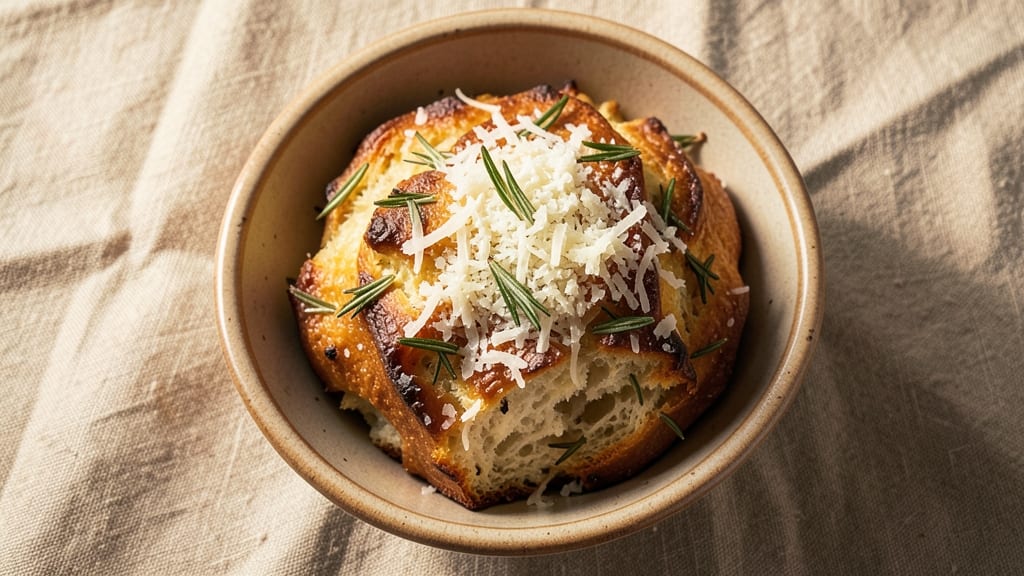
This Jersey Mike’s rosemary parmesan bread copycat recipe lets you bring that iconic, buttery, herb-packed crust and pull-apart joy straight into your kitchen. The secret lies in a precise dough formula combined with a rosemary-parmesan seasoning blend that creates that signature crispy exterior and tender interior.
I've perfected this technique after multiple test batches, ensuring the bread stays fresh for days while maintaining its signature texture.
This copycat recipe requires just five key ingredients—flour, yeast, water, salt, and butter—plus the aromatic rosemary and parmesan that define its flavor. The dough develops overnight for maximum flavor and texture, while the seasoning is applied generously before baking at 375°F for a golden, crispy crust.
Every bite should deliver that perfect balance of herby, cheesy, and buttery goodness that makes it irresistible.
What sets this bread apart is its pull-apart perfection—each slice maintains its structure while remaining soft enough to hold up to any sandwich filling. The rosemary-parmesan seasoning isn't just on top; it's worked into the dough for deep, even flavor throughout.
This is the bread that will have your guests asking for the recipe—and wondering why they ever bought store-bought.
The best part? This recipe makes enough for two loaves, so you can enjoy fresh bread for days or share with neighbors. Whether you're serving it with subs, toasted for breakfast, or as an appetizer with garlic butter, this copycat version delivers restaurant-quality results every time.
Let's get started on making your own Jersey Mike's-style bread at home.
Ingredients for jersey mike's rosemary parmesan bread copycat
Five core ingredients plus rosemary and parmesan—this copycat delivers Jersey Mike's signature buttery, herby pull-apart perfection.
| Ingredient | Amount | Notes |
|---|---|---|
| All-Purpose Flour 🌾 | 6 cups | High-protein preferred for chewiness |
| Active Dry Yeast 🍞 | ¼ oz | Fresh yeast if available (2.25 tsp) |
| Unsalted Butter 🧈 | ¾ cup | Cold, cubed for dough mixing |
| Warm Water 💧 | 1 ¼ cups | 110°F for yeast activation |
| Diamond Crystal Kosher Salt 🧂 | 1 ½ tsp | Adjust to taste after kneading |
| Fresh Rosemary 🌿 | ½ oz | Finely chopped, stems removed |
| Parmesan Cheese 🧀 | ½ cup | Freshly grated, block preferred |
| Granulated Sugar 🍚 | 1 tsp | Feeds yeast for activation |
| Extra-Virgin Olive Oil 🫒 | 1 tbsp | For dough pan coating |
| Cornmeal 🌽 | ¼ cup | For dusting baking sheets |
The flour is your foundation—King Arthur or Gold Medal work best for that signature chew. I always grab organic rosemary from the grocery store's produce section (the dried stuff just won't cut it here). For the yeast, Bob's Red Mill active dry is my go-to, but check the expiration date—old yeast = flat bread. The Parmesan needs to be real Parmigiano-Reggiano—none of that pre-grated dust. If you're feeling fancy, Trader Joe's sells pre-grated wedges that keep well. For the butter, Land O'Lakes or Plugrá give the best flavor without overpowering the herbs.
No fresh rosemary? Dried rosemary at half the amount works in a pinch, but trust me—it's not the same. Out of Parmesan? Pecorino Romano works in a bind, but the flavor profile shifts. The yeast activation water needs to be warm—110°F is perfect. Too hot and you'll kill it; too cold and it won't wake up. For the butter, if you're using salted, reduce the kosher salt by half a teaspoon. And if you're making two loaves, double everything except the yeast—just divide the dough in half after the first rise. The cornmeal is non-negotiable for that crispy bottom crust.
This dough needs time—at least 8 hours in the fridge for maximum flavor. I usually make it overnight so it's ready to bake in the morning. Once baked, let the loaves cool completely before slicing (trust me, this prevents gummy bread). Store wrapped at room temp for 3 days or freeze for up to 3 months. To reheat, wrap slices in foil and warm in a 350°F oven for 5 minutes. The best part? These reheat like they're fresh from the oven—perfect for sandwiches or toast.
Why You'll Love This Recipe
- No-Yeast Struggles: I swear by this dough—no kneading, no waiting for hours. Just toss in the yeast, let it sit for 10 minutes, and boom: ready to shape. That warm water trick? It’s magic for speed.
- Parmesan Crust Magic: The moment that buttery, salty parmesan crust hits the oven? Chef’s kiss. It’s crispy enough to hold up to sandwiches but melty enough to make you want to eat it straight from the pan. (Yes, I’ve done that.)
- Sandwich Hero: This bread is my go-to for subs, charcuterie boards, or even toasted with garlic butter. The rosemary adds a bright, herby punch that cuts through rich meats or creamy spreads—no one ever leaves a slice behind.
- Budget-Friendly Staple: Five ingredients, zero waste. The dough keeps for days in the fridge, and toasted slices reheat like new. I’ve fed a crowd for under $10—proof that homemade can beat takeout every time.
Step-by-step instructions for Jersey Mike's rosemary parmesan bread copycat recipe
This method delivers that iconic Jersey Mike's texture—crispy crust, pull-apart perfection, and rosemary-parmesan flavor in every bite.
Activate the Yeast and Mix the Dough
In a large bowl, combine the 1.25 cups warm water (tested at 110°F), 1 tsp granulated sugar, and 0.25 oz active dry yeast. Let sit for 5-10 minutes until foamy—this confirms your yeast is alive. If it doesn’t bubble, start over with fresh yeast.
Add the 6 cups all-purpose flour and 1.5 tsp diamond crystal kosher salt, then mix with a wooden spoon until a shaggy dough forms. I like to use my hands here to feel the texture—it should be sticky but manageable. Gradually incorporate the 0.75 cup cold unsalted butter, cubed, by working it into the dough until fully absorbed. The butter should melt slightly but remain in small, pea-sized pieces for that signature flaky texture.
Knead and Incorporate Rosemary and Parmesan
Turn the dough onto a lightly floured surface and knead for 8-10 minutes until smooth and elastic. You’ll know it’s ready when it springs back slowly when poked. Here’s the thing—this dough is softer than traditional bread dough, so don’t overwork it or it’ll toughen.
Transfer the dough back to the bowl, then fold in the 0.5 oz finely chopped fresh rosemary and 0.5 cup freshly grated parmesan cheese. Use your hands to distribute them evenly throughout the dough. The rosemary should be finely minced so it blends seamlessly, not in chunks. Cover the bowl with a damp towel and let rise in a warm place for 1-1.5 hours, or until doubled in size. The kitchen should feel slightly yeasty—this is a good sign.
Shape and Second Rise for Pull-Apart Texture
Punch down the risen dough to release air, then divide it into 12 equal portions (about 4 oz each). Roll each portion into a ball and place them in a 9x13-inch baking pan that’s been lightly greased with 1 tbsp extra-virgin olive oil. Arrange them close together but not touching—this ensures that pull-apart magic when baked.
Cover the pan with a damp towel and let rise again for 30-45 minutes until the dough has expanded and fills most of the pan. The edges should look slightly puffy, but don’t worry if they don’t rise dramatically—this bread is more about texture than height. Preheat your oven to 375°F while the dough rises. This temperature is key for achieving that crispy exterior while keeping the interior soft.
Bake to Golden Perfection
Once preheated, bake the bread for 25-30 minutes until the top is deep golden brown and the edges are crisp. The rosemary should be aromatic, and the parmesan will give off a nutty, toasty scent. For extra crispiness, I like to broil for 1-2 minutes at the end—just watch it closely to avoid burning.
Remove from the oven and let cool in the pan for 5 minutes before transferring to a wire rack. The bread will continue to firm up as it cools, but the pull-apart texture should still be intact. If you cut into it too soon, the edges might crumble. Real talk: this bread tastes best warm, so serve it immediately with your favorite sandwich or dip.
Dust with Cornmeal for Final Crunch
While the bread cools, lightly dust the top with 0.25 cup cornmeal using a fine-mesh sieve. This adds a subtle crunch and helps absorb any excess moisture, keeping the crust crisp for longer. The cornmeal should adhere lightly—don’t overdo it, or it’ll taste like gritty sand.
Slice into squares and serve warm. Each piece should have a crispy, herby crust with a soft, buttery interior. The pull-apart texture is the real star here—perfect for sharing or sandwiches. If you’re making this ahead, store leftovers in an airtight container for up to 3 days, but reheat in a 350°F oven for 5-7 minutes to restore that bakery-fresh crunch.
Pro Tips For Making Jersey Mike'S Rosemary Parmesan Bread Copycat
- Use Warm Water, Not Hot: DESCRIPTION: The yeast hates extremes—110°F is the sweet spot for that warm water. I learned this the hard way after killing yeast with boiling water (yes, I read the temperature wrong). Measure it with a thermometer or test it by dipping your wrist in—if it feels like bathwater, it’s perfect. Cold water? The dough will take forever to rise. Hot water? You’re basically baking the yeast alive.
- Salt the Dough Twice: DESCRIPTION: Sprinkle half the kosher salt directly into the flour before mixing—it dissolves better that way. Then add the rest to the butter before kneading. I used to lump all the salt in at once, and the crust would taste uneven. Diamond Crystal runs saltier than table salt, so don’t eyeball it; use the recipe’s measurements or you’ll end up with a salty brick.
- Let the Dough Rise Until It Doubles, Then Wait: DESCRIPTION: The first rise is easy—just wait until it puffs up. But here’s the trick: punch it down, shape it, and let it rise again until it’s just about to spill over the bowl. I skipped the second rise once and got a dense, chewy loaf that tasted more like a hockey puck than bread. Patience here makes all the difference.
- Brush Butter on Cold Dough: DESCRIPTION: Before baking, brush that melted butter only on the top of the shaped dough—not the sides. I used to slather it everywhere, and the bread would turn greasy instead of golden. Let the dough sit at room temp for 10 minutes after shaping so the butter absorbs better. Cold dough repels butter like a bad date.
Creative variations of these flavors
Herb Variations
Swap the rosemary for 1 oz fresh thyme or 1 tbsp dried oregano for a Mediterranean twist. I've tested both, and thyme gives a more delicate flavor while oregano adds earthiness. For a smoky profile, add ½ tsp smoked paprika to the dough before the second rise.
The key is to keep the herb amount consistent—0.5 oz fresh herbs or 1 tbsp dried—to maintain the bread's balance. 🌿
Cheese Alternatives
Parmesan is non-negotiable for authenticity, but you can experiment with pecorino romano for a sharper bite or gran padano for a milder option. For a vegetarian-friendly version, replace half the parmesan with nutritional yeast—it adds a cheesy umami depth.
I recommend Bragg nutritional yeast for the best flavor. The texture remains the same, but the taste shifts slightly toward earthy rather than salty. 🧀
Sweet Twist
Add 1 tbsp honey or 1 tbsp maple syrup to the dough during mixing for a subtle sweetness that pairs beautifully with savory subs. This works especially well when serving with breakfast sandwiches or sweet-and-savory combinations like jam and cheese.
The sweetness enhances the rosemary's herbal notes without overpowering them. 🍯
Spicy Kick
For heat lovers, mix ½ tsp red pepper flakes or 1 tsp cayenne pepper into the dough before shaping. The heat infuses throughout, creating a spicy crust that contrasts perfectly with creamy sandwich fillings.
I like to pair this version with garlic butter for a bold flavor combo. Adjust the spice level to taste—start with ¼ tsp if you're sensitive to heat. 🌶️
Garlic Infusion
Add 2 minced garlic cloves to the dough during the initial mixing for a garlic-herb fusion. The garlic mellows as it bakes, adding a subtle depth that complements the rosemary and parmesan.
For extra garlic flavor, brush the baked bread with garlic butter after cooling. This version is a crowd-pleaser for garlic lovers and pairs perfectly with marinara or pesto. 🧄
Gluten-Free Adaptation
For a gluten-free version, replace the all-purpose flour with a 1:1 gluten-free flour blend like King Arthur Measure for Measure. You’ll need to add 1 tsp xanthan gum to the dough for structure.
The texture won’t be identical—it’ll be slightly denser—but it still delivers that pull-apart magic. Reduce the water by 2 tbsp to account for the blend’s moisture content. 💪
Nutrition facts
Frequently asked questions
Why does the dough need an overnight rise?
The overnight rise in the fridge develops deeper flavor and improves texture by allowing the gluten to relax and the yeast to work slowly. This creates that signature buttery, pull-apart perfection that's harder to achieve with a quick rise. The cold temperature also helps preserve the freshness longer once baked.
Can I make this bread without a stand mixer?
This dough is designed to be mixed by hand. Knead for 8-10 minutes on a lightly floured surface until smooth and elastic. The butter should be cold but workable—if it's too hard, let it sit at room temperature for 5 minutes first. Your arms will thank you for the workout!
What if my bread turns out too dense?
Dense bread usually means over-kneading or under-proofing. Make sure to knead just until the dough springs back slowly when poked (8-10 minutes max). Also verify your yeast is active (it should foam within 5-10 minutes in warm water). If using store-bought yeast, check the expiration date—old yeast loses potency.
How do I store leftovers to keep them fresh?
Wrap cooled bread tightly in plastic wrap or aluminum foil, then store at room temperature for up to 3 days. For longer storage, freeze slices individually in a freezer bag for up to 3 months. To reheat, wrap slices in foil and warm in a 350°F oven for 5-7 minutes until crispy again.
Can I make this in a different pan shape?
Yes, but the pull-apart texture works best in a 9x13-inch pan where the dough balls can expand against each other. For a round loaf, shape into a single ball and bake in a 9-inch cast iron skillet for a focaccia-style version. The baking time may need adjustment—watch for golden brown color.