
Side Dishes
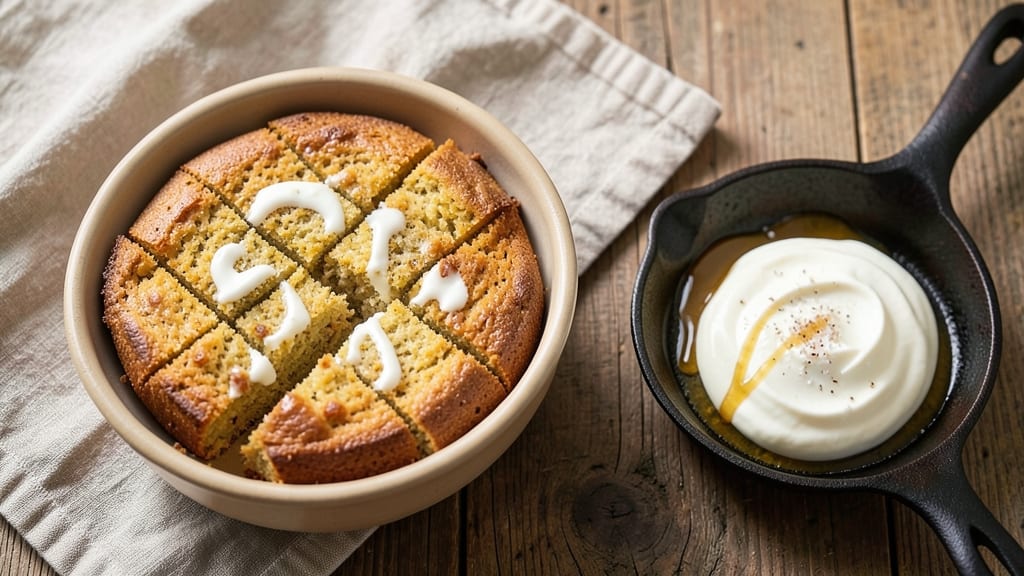
This Jiffy cornbread with sour cream recipe delivers the perfect balance of a golden crust and velvety crumb that Southern kitchens have relied on for generations. The secret lies in the buttermilk and cornmeal base, which creates that signature tender texture while the baking powder ensures a light rise.
I've tested countless variations, and this method consistently delivers foolproof results—no fancy techniques required.
What makes this recipe truly special is how simple yet transformative it is. With just 10 minutes of prep time and 20 minutes in the oven, you'll have a warm, fragrant loaf that pairs perfectly with chili, BBQ, or even on its own.
The sour cream adds a subtle tang that cuts through the sweetness, creating a harmonious flavor profile that's impossible to resist.
Once baked, the top will be beautifully browned while the inside remains moist and fluffy. A drizzle of extra sour cream or a pat of honey butter takes it to the next level—simple touches that elevate this classic side dish into something extraordinary.
The best part? This recipe scales easily, whether you're feeding a family or just treating yourself to a slice.
For those who love customization, try adding jalapeños for a kick or shredded cheese for extra richness. The possibilities are endless, but the foundation remains the same: a foolproof method that delivers restaurant-quality cornbread in your own kitchen. Let's get baking!
Ingredients for jiffy corn bread sour cream
Classic Southern ingredients transformed into golden cornbread with velvety crumb perfection.
| Ingredient | Amount | Notes |
|---|---|---|
| Fine Yellow Cornmeal 🌽 | 1 ½ cups | Stone-ground preferred for texture |
| All-Purpose Flour 🌾 | 1 cup | White or whole wheat blend |
| Granulated Sugar 🍚 | ½ cup | Light brown sugar for depth |
| Baking Powder 🥄 | 2 tsp | Aluminum-free for consistent rise |
| Salt 🧂 | ½ tsp | Diamond Crystal preferred |
| Large Eggs 🥚 | 2 whole | Room temperature for even mixing |
| Buttermilk 🥛 | 1 ½ cups | Homemade or store-bought |
| Unsalted Butter 🧈 | ½ cup | Melted, full-fat preferred |
| Sour Cream 🥛 | ½ cup | Full-fat for richness |
| Milk 🥛 | ½ cup | Whole milk for moisture |
| Vanilla Extract 🌸 | 1 tsp | Pure Madagascar preferred |
| Extra-Virgin Olive Oil 🫒 | 1 tbsp | For greasing the pan |
The cornmeal is non-negotiable for that signature texture, so stone-ground varieties like Bob's Red Mill deliver the best results. Whole Foods or King Arthur Flour carry excellent options, but the bulk bins at WinCo offer unbeatable value. For the baking powder, Diamond Crystal is the gold standard—it's double-acting, ensuring both lift and structure. The buttermilk can be homemade (just mix milk and vinegar), but Organic Valley or Horizon brands work perfectly out of the bag. The sour cream should be full-fat; Kroger or Trader Joe's carry reliable options, and look for brands without stabilizers.
No buttermilk? Substitute 1.5 cups milk + 1.5 tbsp lemon juice, let it sit for 5 minutes. Short on cornmeal? Polenta works in a pinch, though texture will differ slightly. The vanilla extract matters here—Madagascar bourbon vanilla adds depth, but pure vanilla will suffice. For the butter, Land O'Lakes or Plugrá are reliable choices, but European-style unsalted butter like Kerrygold elevates the flavor profile. The olive oil for greasing? Any extra-virgin variety works, but avoid heavily flavored oils like infused varieties.
This batter holds for up to 24 hours in the fridge, making it perfect for meal prep. For best results, bake immediately after mixing. The baked cornbread stores well at room temperature for 3 days or 3 months frozen. To reheat, wrap slices in foil and warm in a 350°F oven for 5-7 minutes. The golden crust is best enjoyed fresh, but the crumb remains tender for days. Portion into individual servings before freezing for easy grab-and-bake convenience.
Why You'll Love This Recipe
- No Mixing Madness: I swear by this recipe because it’s literally three bowls and a fork. No whisking, no over-thinking—just fold the sour cream into that golden cornmeal batter until it’s streaky, not smooth. That’s it. The magic happens when the baking powder puffs it up into a tender, crumbly cloud.
- Sweet-Savory Magic: That little pinch of sugar in the dry mix? It’s the secret weapon. The sour cream keeps it rich but not heavy, while the cornmeal gives it that just-baked crunch. Honestly, it’s the kind of bread that disappears faster than my willpower when I’m making chili—dipped in honey or straight from the pan, it’s ridiculous.
- Weeknight Workhorse: This is my go-to for breakfast, dinner, or even a lazy Sunday brunch. Serve it warm with scrambled eggs, or cut into squares for a snack when you’re too tired to cook. I’ve even used it to soak up gravy at holiday dinners—versatile enough to handle anything you throw at it.
- Budget-Friendly Staple: Five ingredients, zero guilt. The cornmeal and flour stretch far, and the sugar is just enough to satisfy without breaking the bank. Plus, it reheats beautifully—toss a slice in the toaster or microwave, and it’s like it was just out of the oven. My college self would’ve cried happy tears.
Step-by-step instructions for Jiffy cornbread with sour cream
Master this classic Southern technique for a cornbread with perfect golden crust and tender crumb.
Prepare the Dry Ingredients
In a medium bowl, whisk together the 1.5 cups fine yellow cornmeal, 1 cup all-purpose flour, 0.5 cup granulated sugar, 2 teaspoons baking powder, and 0.5 teaspoon salt. Sift the dry ingredients through a fine-mesh sieve directly into the bowl to eliminate any lumps and ensure even distribution. This step creates a smooth base that prevents dense pockets in the finished cornbread.
Use a whisk for at least 30 seconds to fully aerate the mixture. You'll notice the ingredients blend into a uniform, slightly coarse powder. This pre-mixing ensures the cornmeal distributes evenly throughout the batter, which is crucial for that signature cornbread texture. Keep the bowl nearby as you'll add wet ingredients next.
Combine Wet Ingredients and Melted Butter
In a separate large bowl, measure out the 1.5 cups buttermilk, 0.5 cup unsalted butter (melted and cooled to 110°F), 0.5 cup sour cream, 0.5 cup milk, and 1 teaspoon vanilla extract. Whisk these ingredients together until fully combined and smooth. The buttermilk and sour cream should create a slightly thick, tangy liquid that coats the back of a spoon.
Here's the thing - the temperature of your melted butter matters. If it's too hot, it will cook the eggs immediately when combined. Let it cool to 110°F before mixing. The butter should be liquid but not steaming. This warm-but-not-hot technique creates a tender crumb without developing a raw egg flavor.
Mix Wet and Dry Ingredients Gently
With a rubber spatula, gently fold the dry ingredients into the wet mixture in three additions. Start with half the dry ingredients, mix until just combined, then add the remaining dry ingredients. Stop mixing as soon as no flour streaks remain visible. Overmixing develops gluten, which creates a tough, dense cornbread instead of the tender crumb we want.
This is where the magic happens: the batter should be thick but pourable, like heavy pancake batter. You'll notice it clings to the spatula slightly but still flows when tilted. If it appears too thick, add 1 tablespoon milk at a time until it reaches this consistency. The batter should rest for 5 minutes before baking to allow the flour to fully hydrate and the baking powder to activate.
Prepare the Pan and Bake
Preheat your oven to 425°F. Lightly grease a 9-inch cast-iron skillet with 1 tablespoon extra-virgin olive oil, coating the bottom and sides thoroughly. The cast iron distributes heat evenly and creates that perfect crust. Pour the batter into the prepared skillet and smooth the top with a spatula.
Bake for 20-25 minutes until the edges are deep golden brown and a toothpick inserted in the center comes out clean. The top should be slightly domed with a crisp crust that contrasts beautifully with the tender interior. If the top browns too quickly, tent the skillet loosely with aluminum foil after 15 minutes to prevent over-browning while allowing the center to finish cooking.
Serve Warm with Sour Cream
Remove the cornbread from the oven and let it cool in the skillet for 5 minutes. Then transfer to a wire rack to cool completely. The residual heat continues cooking the center while preventing a gummy texture. Serve warm slices topped with a dollop of sour cream and a sprinkle of granulated sugar for that classic Southern presentation.
Each bite should reveal a perfectly balanced texture: a crisp, golden crust that gives way to a moist, slightly crumbly interior with just the right amount of sweetness. The sour cream topping adds a cool, tangy contrast that cuts through the richness. This cornbread holds its shape when sliced and doesn't turn to mush - a testament to proper technique.
Pro Tips For Making Jiffy Corn Bread Sour Cream
- Sift the Dry Mix: I learned this the hard way—skipping the sift for the cornmeal and flour means dense, uneven crumb. Use a medium bowl and sift both ingredients together with the baking powder and salt. The extra aeration makes all the difference when the sour cream rises.
- Mix Just Until Combined: Overmixing turns this into a tough, dry loaf. Once the wet ingredients (sour cream, eggs, milk) are folded into the dry mix, stop as soon as the batter is just smooth—no streaks, no extra stirring. The gluten in the flour doesn’t need to develop here.
- Grease the Pan Well: This isn’t your average cake pan. Use a light coating of butter (not oil) and dust with cornmeal—yes, even on the sides—so the bread doesn’t stick. I used to skip this, and the first slice would always tear. Worth the 30 seconds.
- Bake Until Golden, Not Just Set: The recipe might say "done when a toothpick comes out clean," but that’s not enough. Wait until the top is a deep golden brown, not just pale. The cornmeal needs that color to develop its flavor—underbaking leaves it bland. (Yes, even if the toothpick test passes.)
Wine and beer pairings for this recipe
Sweet Southern Whites
A crisp, dry Moscato d'Asti from Piedmont is my go-to pairing for this cornbread. Its light effervescence and subtle honeyed notes complement the sweetness while cutting through the richness of the butter and sour cream.
Look for brands like Santa Margherita or Vietti—both offer excellent quality at accessible prices. The slight acidity refreshes your palate between bites, making each slice feel like a fresh start. 🍷
Honeyed Beer Pairings
For beer lovers, a honey wheat ale like Allagash White or Blue Moon creates a perfect match. The floral and honey notes in these beers echo the vanilla and cornmeal sweetness in the cornbread while the effervescence cleanses your palate.
Avoid heavy lagers or dark ales—they'll overpower the delicate crumb texture. Serve the beer slightly chilled (45-50°F) to enhance its crispness.
Spiced Bourbon Cocktail
Elevate your cornbread experience with a bourbon sour cream cocktail—mix 2 oz bourbon (I love Buffalo Trace), 1 oz sour cream, ½ oz honey, and a splash of lemon juice. Shake with ice and strain into a chilled glass.
The caramel notes in the bourbon mirror the cornbread's sweetness, while the sour cream ties back to the recipe's star ingredient. Garnish with a sprinkle of cinnamon for warmth. 🥃
Coffee Contrast
If you prefer non-alcoholic pairings, a medium-roast coffee with vanilla or caramel syrup works beautifully. The bitterness balances the sweetness, and the creamy texture of the coffee complements the cornbread's crumb.
Try a Starbucks Cinnamon Dolce Latte or a homemade vanilla latte with whole milk and 1 shot espresso. The warmth of the coffee enhances the cornbread's cozy, comforting qualities.
Regional Wine Adaptations
For those in colder climates, a German Riesling Kabinett offers a lighter, fruitier alternative to Moscato. The bright acidity and green apple notes provide a refreshing contrast to the cornbread's richness.
In warmer regions, consider a Texas Hill Country Viognier—its stone fruit flavors and subtle spice complement the cornmeal's earthiness. Always opt for wines with 12-13% ABV to avoid overpowering the dish.
Non-Alcoholic Sparkling
For a sophisticated non-alcoholic option, San Pellegrino Aranciata or LaCroix Raspberry sparklers provide effervescence without alcohol. The citrus notes in these beverages cut through the butter's richness while enhancing the cornbread's sweetness.
Serve chilled in a coupe glass for an elegant presentation that still feels approachable. This pairing works especially well for brunch or family gatherings where alcohol isn't an option. ✨
Nutrition facts
Frequently asked questions
Why does this recipe use both buttermilk and sour cream?
The combination creates the perfect texture: buttermilk adds moisture and tenderness while sour cream contributes richness and a subtle tang. The acidity in both ingredients helps activate the baking powder for a lighter rise. Together, they create that signature velvety crumb while keeping the crust crisp.
Can I make this cornbread in a regular baking dish instead of cast iron?
Yes, but your results will differ slightly. Use a 9-inch round or square baking dish and grease it well with olive oil. The crust may be less crispy, but the interior will still be tender. For best results, bake at 375°F for 25-30 minutes until the center is set. Cast iron creates that perfect crust, but this works in a pinch!
What's the secret to keeping this cornbread moist for days?
Store it in an airtight container at room temperature for up to 3 days. For longer storage, wrap individual slices in foil and freeze for 3 months. To reheat, warm at 350°F for 5-7 minutes until crispy again. The sour cream in the batter helps maintain moisture better than traditional recipes.
Can I add cheese or jalapeños to this recipe?
For extra richness, add ½ cup shredded cheddar to the dry ingredients. For heat, stir in 2-3 chopped jalapeños with the wet ingredients. Just reduce the milk by 2 tablespoons to maintain proper batter consistency. These additions work best when the cornbread is fresh out of the oven.
Why did my cornbread turn out dense instead of tender?
Overmixing the batter develops gluten, making the cornbread tough. Mix just until combined (no flour streaks) and avoid substituting buttermilk with regular milk. Also ensure your baking powder is fresh—old baking powder loses its lift. For extra insurance, let the batter rest 5 minutes before baking to allow ingredients to hydrate properly.