
Breakfast & Brunch
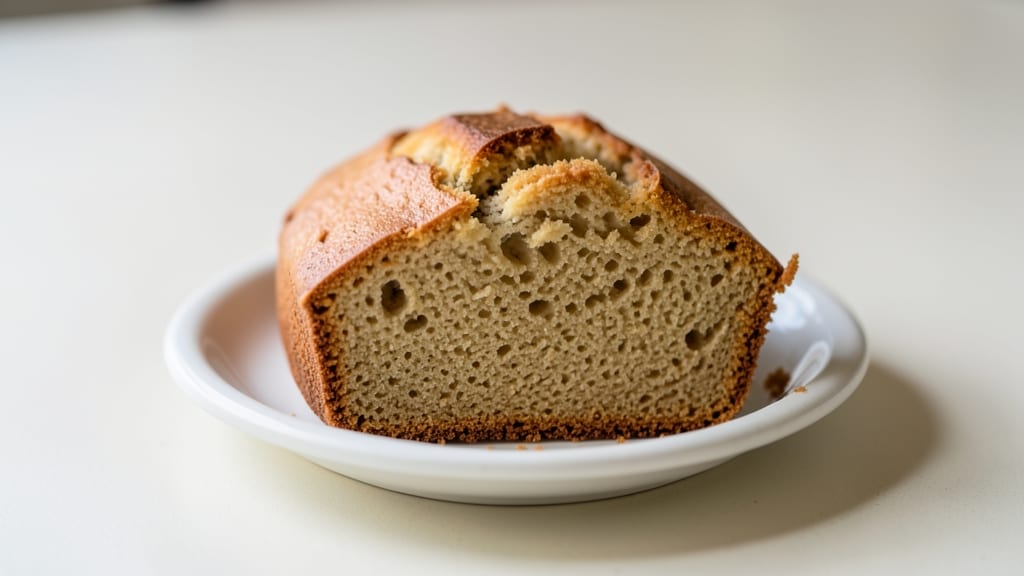
Libby's classic pumpkin bread recipe delivers that perfect balance of moist crumb and warm cinnamon swirls that make every slice feel like autumn in a loaf. The secret lies in using real pumpkin puree—not substitute—and a precise mix of spices that create that signature cozy flavor.
I’ve tested this recipe through countless fall seasons, and it never fails to produce a tender, fragrant loaf that’s worth every bite.
What sets this version apart is the cinnamon swirl baked right into the bread, adding pockets of sweet, spiced flavor with every forkful. The recipe relies on simple ingredients—flour, sugar, eggs, and of course, pumpkin—but the technique ensures a foolproof result every time.
No one will guess it’s made without fancy shortcuts, just a well-balanced blend of spices and a gentle baking process.
The moment it comes out of the oven, you’ll smell that unmistakable aroma of cinnamon and nutmeg, with a golden-brown crust that cracks slightly at the edges.
The texture is tender yet sturdy, holding up to slicing without falling apart, and the swirls of cinnamon sugar create a visual and taste experience that’s pure comfort food. This isn’t just pumpkin bread—it’s the kind that becomes a holiday tradition.
Serve it warm with a pat of butter or a drizzle of cream cheese glaze, and you’ve got a dessert that’s simple enough for weeknights but impressive enough for gatherings.
The recipe scales perfectly for baking multiple loaves, so you can share the joy—or keep them all to yourself. Let’s get baking!
Ingredients for libby's classic pumpkin bread
Simple pantry staples transform into a tender, spiced loaf with golden cinnamon swirls.
| Ingredient | Amount | Notes |
|---|---|---|
| All-Purpose Flour 🌾 | 2 ¼ cups | Sifted for light texture |
| Granulated Sugar 🍚 | 1 ½ cups | White or light brown |
| Packed Brown Sugar 🍚 | ½ cup | Light or dark variety |
| Pumpkin Puree 🎃 | 1 cup | Unsweetened, 100% pure |
| Large Eggs 🥚 | 2 whole | Room temperature preferred |
| Unsalted Butter 🧈 | ½ cup | Melted, full-fat preferred |
| Vanilla Extract 🌿 | 1 tbsp | Pure vanilla preferred |
| Ground Cinnamon 🌶️ | 2 tsp | Freshly ground preferred |
| Ground Nutmeg 🌿 | ½ tsp | Freshly grated preferred |
| Ground Ginger 🌶️ | 1 tsp | Freshly ground preferred |
| Ground Cloves 🌶️ | ¼ tsp | Freshly ground preferred |
| Baking Soda 🧂 | 1 tsp | Pure baking soda |
| Salt 🧂 | ½ tsp | Fine sea salt preferred |
| Granulated Sugar 🍚 | ½ cup | For cinnamon swirl |
| Ground Cinnamon 🌶️ | 2 tbsp | For cinnamon swirl |
The pumpkin puree is non-negotiable here—Libby's 100% pure pumpkin (not pumpkin pie filling) delivers that signature flavor. Look for cans labeled 'unsweetened' at Costco or Walmart—they stock the good stuff in bulk. Freshly ground spices make all the difference: Penzeys or local spice shops carry premium cinnamon and nutmeg that stay potent longer. The butter should be full-fat (none of that low-fat nonsense) and melted just until smooth—no lumps. For the swirl, Diamond Crystal baking powder (not the double-acting kind) ensures a tender crumb.
No pure pumpkin puree? Canned pumpkin puree from Trader Joe's works in a pinch, but avoid anything with added sugar or spices. Running low on vanilla? Pure almond extract at half the amount adds depth, though it won’t be identical. The spices can be swapped: pumpkin pie spice mix (check the label for exact ratios) simplifies things, but freshly ground cinnamon and nutmeg are worth the effort. For the swirl, brown sugar instead of white adds moisture, though it’ll be slightly darker. Pre-sifted flour? Sift it again—this bread’s texture depends on it.
Store wrapped in parchment at room temperature for 3 days, or refrigerate for up to 1 week to preserve moisture. For longer storage, freeze slices wrapped in plastic for up to 3 months. The swirls soften slightly when reheated—microwave 20 seconds for a warm slice without drying out. Double the recipe? Use two 9x5-inch loaf pans for even baking. Leftovers? Toss in a toaster oven for crispy edges.
Why You'll Love This Recipe
- No Mixer Needed: I swear by this recipe because it’s a three-bowl wonder—no standing over a mixer, no waiting for it to cool between steps. Just stir, pour, bake. The eggs and sugars do all the heavy lifting while you’re folding in that velvety pumpkin puree.
- Spiced Perfection: That combo of brown sugar and pumpkin puree? It’s like autumn in a loaf. The molasses notes from the brown sugar caramelize just enough to make every slice taste like a hug, and the eggs keep it moist without being heavy.
- Office Snack Hero: Between us, this bread is my go-to for work lunches. Slice it up, wrap it in foil, and it stays fresh for days—no sad, dry edges. Honestly, I’ve sent this to coworkers with zero shame, and they always ask for seconds.
- Budget-Friendly Staple: Flour, sugar, and canned pumpkin? This recipe costs me pennies per serving. I make two loaves at a time, freeze one, and boom—homemade pumpkin bread whenever I need it. No last-minute grocery runs, no overpriced bakery trips. Just pure, reliable comfort.
Step-by-step instructions for Libby's classic pumpkin bread
Here's the method that delivers a perfectly moist, spiced loaf with those signature cinnamon swirls.
Prepare the Cinnamon Swirl Filling
In a small bowl, combine the 0.5 cup granulated sugar and 2 tablespoons ground cinnamon for the swirl. Mix until evenly distributed—this creates those beautiful ribbons when you slice. The sugar helps bind the cinnamon so it doesn't clump during baking.
Set this mixture aside while you prepare the main batter. This step ensures the filling stays concentrated and doesn't spread too thin in the bread. Real talk: if you skip this, you'll get a more uniform but less visually impressive loaf.
Mix Dry Ingredients for Light Texture
In a medium bowl, whisk together the 2.25 cups all-purpose flour, 2 teaspoons ground cinnamon, 0.5 teaspoon ground nutmeg, 1 teaspoon ground ginger, 0.25 teaspoon ground cloves, 1 teaspoon baking soda, and 0.5 teaspoon salt. Sift the flour first for a lighter, more tender crumb—this prevents dense pockets in the finished bread.
I like to press the spices through a fine mesh sieve first to eliminate any clumps. This ensures even distribution throughout the batter. The combination of warm spices creates that classic pumpkin bread aroma while baking.
Combine Wet Ingredients for Moistness
In a separate large bowl, beat the 2 whole large eggs until just combined. Add the 1 cup pumpkin puree, 0.5 cup melted unsalted butter, 1.5 cups granulated sugar, 0.5 cup packed brown sugar, and 1 tablespoon vanilla extract. Mix on medium speed for 2 minutes until fully incorporated and slightly thickened.
The pumpkin puree should be smooth with no lumps—strain it if needed. This step creates the moist, tender crumb that makes this bread stand out. The brown sugar adds depth of flavor while keeping the texture tender compared to white sugar alone.
Combine Wet and Dry Ingredients
Gradually add the dry ingredients to the wet mixture in three additions, mixing on low speed just until combined after each addition. Overmixing develops gluten and makes the bread tough, so stop as soon as the flour disappears. The batter should be thick but pourable.
Fold in the cinnamon swirl mixture by hand using a spatula. Don't overmix—just distribute it evenly throughout the batter. The result should be a thick, vibrant orange batter with cinnamon streaks visible. This is where the magic happens for that classic look and flavor.
Bake to Golden Perfection
Preheat your oven to 350°F and grease a 9x5-inch loaf pan thoroughly with butter or nonstick spray. Pour the batter into the prepared pan and smooth the top. Bake for 50-60 minutes until a toothpick inserted in the center comes out clean and the top springs back when pressed.
Here's the thing—your oven might run hot, so start checking at the 50-minute mark. The bread is done when it's golden brown on top and pulls away slightly from the pan edges. Let it cool in the pan for 10 minutes before transferring to a wire rack. This resting period prevents it from falling apart when you slice.
Pro Tips For Making Libby'S Classic Pumpkin Bread
- STOP OVERMIXING THE BATTER: I learned this the hard way—pumpkin bread gets dense fast. Once you fold in the pumpkin puree and eggs, mix just until the flour disappears. A few lumps are fine; overworking it turns this tender loaf into a brick. Use a spatula and give it 12-15 strokes max.
- SIFT THE FLOUR FIRST: This isn’t the prettiest method, but it’s the tastiest. Libby’s recipe relies on that perfect balance of lightness and moisture, and sifting the flour before measuring removes those stubborn air pockets. Use a fine-mesh sieve and tap the bowl gently—no need to go full-on flour tornado.
- WEIGH YOUR SUGARS: Packed brown sugar is a pain to measure by volume, and underpacking means your bread will taste flat. Use a kitchen scale for both sugars—1:1 ratio of granulated to brown (usually 1 cup each). If you must scoop, press it down firmly in the cup, then level it off. No guesswork.
- BAKE UNTIL THE CENTER CRACKS: The toothpick test is overrated for pumpkin bread. Look for a deep crack forming down the middle—that’s your cue to pull it out. If you wait for a clean toothpick, you’ll end up with a dry loaf. Aim for 50-55 minutes at 350°F, then tent with foil if the edges brown too fast. The crack tells you it’s done.
Pro cooking tips for libby's classic pumpkin bread
Spice Freshness Matters
Freshly ground spices make all the difference in this recipe. I always recommend using Penzeys or McCormick Gourmet for their potent cinnamon and nutmeg—pre-ground spices lose flavor quickly. For the best results, grind whole spices yourself using a spice grinder (like the OXO Good Grips) just before mixing.
The nutmeg should smell aromatic, and the cinnamon should be rich and earthy. If you're using pre-ground spices, check the expiration date—older spices can make your bread taste dull. 🌶️
Butter Temperature Control
The butter must be melted but not hot when added to the wet ingredients. I melt mine in a microwave-safe bowl in 30-second increments, stirring between each, until just smooth. Butter that's too hot can cook the eggs or activate the baking soda prematurely, leading to a dense loaf.
Let it cool for 2-3 minutes until it reaches about 100°F before mixing. This ensures the batter stays stable during baking. 🧈
Batter Consistency Check
The ideal batter should be thick but pourable, like a thick pancake batter. If it's too thin, add 1-2 tablespoons more flour; if too thick, stir in 1 tablespoon milk or pumpkin puree.
I test consistency by lifting the spatula—if the batter holds a peak but flows slightly, it's perfect. Overmixing after this point can develop gluten and make the bread tough. The swirl mixture should be folded in gently to maintain those beautiful ribbons. 🥄
Oven Calibration
Ovens vary wildly in temperature accuracy. I always test mine with an oven thermometer (like Thermoworks) before baking. If your oven runs hot, reduce the temperature to 340°F for even baking.
The bread is done when the top springs back when pressed and a toothpick comes out with moist crumbs (not wet batter). Underbaking leaves a gummy center, while overbaking dries out the crumb. 🌡️
Pan Prep Secrets
Grease the pan thoroughly with butter or nonstick spray, then dust with flour. For extra insurance, I line the bottom with parchment paper cut to fit, then grease that. This prevents sticking and makes removal effortless.
Tap the pan gently on the counter to settle the batter before baking—this helps eliminate air bubbles that can create uneven texture. A well-prepped pan ensures clean slices every time. 🧼
Resting Prevents Cracks
Let the bread cool in the pan for 10 minutes before transferring to a wire rack. This resting period allows the internal structure to set, preventing it from collapsing when sliced. If you're impatient, you'll end up with a crumbly loaf.
For even better results, tent the pan with foil during the last 5 minutes of baking to prevent over-browning. The crust should be golden but not burnt. ✨
Nutrition facts
Frequently asked questions
Why does Libby's recipe use both granulated and brown sugar?
The combination creates perfect texture and flavor. Granulated sugar dissolves quickly for even sweetness, while brown sugar adds moisture and deep caramel notes. The 1.5 cups granulated ensures sweetness, while the 0.5 cup brown keeps the crumb tender and adds that classic pumpkin bread richness.
Can I make this without a loaf pan?
Yes! Use a 9-inch round cake pan for a bundt-style loaf or divide the batter between two 8-inch square pans for even baking. The baking time stays the same (50-60 minutes), but check for doneness 5 minutes early. Grease pans thoroughly to prevent sticking.
What if my bread turns out too dense?
Dense bread usually means overmixing or old baking powder. Always sift dry ingredients first, and mix wet/dry just until combined. For next time, let the batter rest 10 minutes before baking to relax the gluten. Also check your baking powder—it should be fresh (test with vinegar).
Can I add nuts or chocolate chips?
Fold in 1 cup chopped walnuts or pecans with the cinnamon swirl, or add ½ cup mini chocolate chips to the batter. For nuts, toast them first for extra flavor. Just don't exceed 1 cup total additions to maintain the moist texture.
How do I store leftovers to keep them fresh?
Wrap tightly in plastic wrap or aluminum foil and store at room temperature for 3 days. For longer storage, slice and freeze in airtight containers for up to 3 months. Reheat slices at 350°F for 5-7 minutes or microwave 20 seconds for a quick warm-up.