
Side Dishes
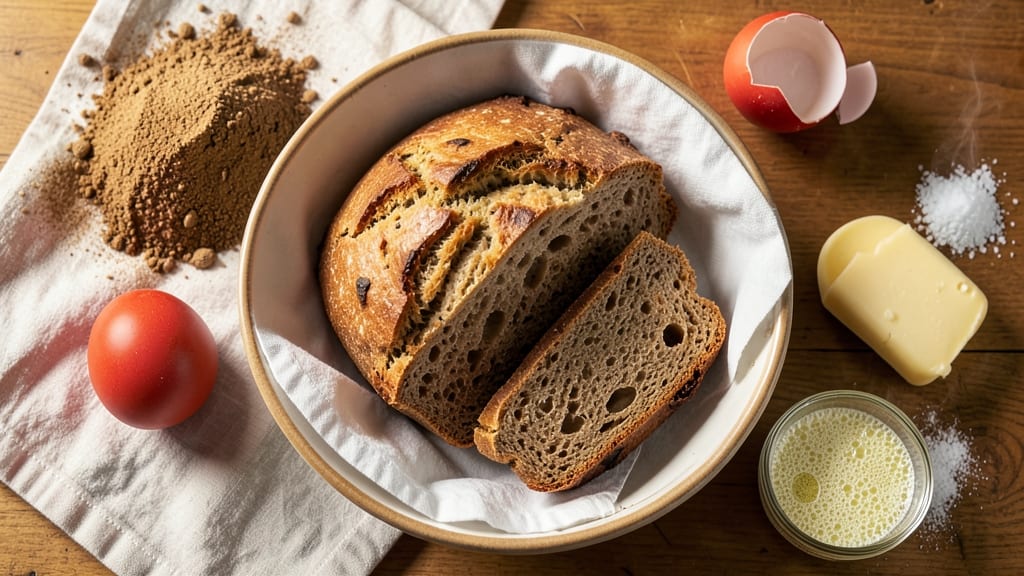
Martha Stewart's rye bread recipe delivers that perfect balance of crusty crust and tangy crumb that makes every slice unforgettable. I’ve baked this version countless times, and it’s the one that finally convinced my family to ditch store-bought loaves—especially when paired with smoked salmon or sharp cheddar.
The secret lies in the fermentation time and hydration level, which give it that signature dense yet airy texture.
This recipe isn’t just about flavor—it’s about technique. You’ll knead the dough just enough to develop gluten, then let it ferment overnight for deep, complex flavors. That long rise is what transforms basic rye into something restaurant-worthy.
And don’t skip the scoring step—those crispy slashes on top? Total game-changer for a golden, shatteringly crisp crust.
By the time it’s done baking, you’ll have a loaf with a dark, crackly crust that snaps satisfyingly and a crumb so tender it practically melts in your mouth. The tangy rye flavor shines through without being overpowering, making it versatile enough for sandwiches, toast, or even French toast.
Trust me, once you try this, you’ll never buy rye bread again.
Whether you’re baking for a crowd or treating yourself to homemade goodness, this recipe scales perfectly. The dough can be prepped ahead, so you can proof and bake it when you’re ready. Here’s everything you need to make Martha’s legendary rye bread at home—no fancy equipment required.
Ingredients for martha stewart rye bread
Nine essential ingredients for Martha's legendary rye bread—where crusty perfection meets tangy soul.
| Ingredient | Amount | Notes |
|---|---|---|
| Rye Flour 🌾 | 3 cups | Dark rye for authentic tang |
| All-Purpose Flour 🌾 | 1 cup | For structure and lift |
| Active Dry Yeast 🍞 | ¼ oz | Or 2 1/4 tsp (1 packet) |
| Granulated Sugar 🍚 | ½ cup | Feeds yeast and caramelizes |
| Unsalted Butter 🧈 | ½ cup | Cold, cubed for texture |
| Large Eggs 🥚 | 2 whole | Room temperature preferred |
| Whole Milk 🥛 | 1 cup | Warmed to 110°F |
| Diamond Crystal Kosher Salt 🧂 | 2 tsp | Adjust to taste |
| Malt Powder 🌾 | 1 tbsp | Enhances fermentation |
| Water 💧 | 1 ½ cups | Room temperature |
| Cornmeal 🌽 | ½ cup | For dusting baking sheet |
| Sesame Seeds 🌻 | 1 tbsp | Optional for topping |
The rye flour is non-negotiable here. King Arthur Dark Rye or Bob's Red Mill are my go-tos—they deliver that signature tang without overpowering. If you can only find light rye, mix it with 1/4 cup molasses to boost depth. The yeast? Freshly opened is best—check the date, and store it in the freezer once opened. For the butter, European-style brands like Plugrá add richness, but unsalted works fine. The malt powder might be tricky to find at regular grocery stores, but King Arthur sells it online or check the baking aisle at Whole Foods.
No rye flour? Substitute with pumpernickel flour or blend 1 cup whole wheat flour with 1 tbsp caraway seeds for a similar vibe. Short on malt powder? 1/2 tsp diastatic malt powder works in a pinch, but it’s worth tracking down for that authentic flavor. The milk should be warm but not hot—110°F is perfect, or just dip your finger in and it should feel like bathwater. Eggs? Room temperature incorporates better, but if you're in a rush, just let them sit out for 10 minutes. The water needs to be room temp too—cold water shocks the yeast, and you want that fermentation party to start strong.
This dough is a patient recipe. Once mixed, it needs 8-12 hours at room temp or overnight in the fridge. The longer it ferments, the more complex the flavor. For scoring, use a sharp lame or razor blade—dull blades tear the dough instead of cleanly cutting. The bread keeps well wrapped at room temp for 3 days, or you can freeze slices for up to 3 months. I like to toast it straight from the freezer—no thawing needed, and it’s ready in minutes. That crust? Best eaten fresh, but the crumb stays tender for days.
Why You'll Love This Recipe
- No-Knead Magic: This dough comes together in five minutes—just mix, let it rest, and forget about it. The rye flour’s earthy bite balances the buttery richness, and that little sugar boost makes it rise like a dream. Honestly, I’ve made it while scrolling through my phone.
- Crusty Yet Tender: The all-purpose flour’s softness wraps around the rye’s boldness, while the butter keeps every slice dangerously tender. That crispy crust? It’s the kind of texture you’ll hear crunching in the next room before you even take a bite.
- Weeknight Workhorse: Slice it for toast in the morning, pack it for lunches, or serve it warm with butter at dinner. It’s my go-to for sandwiches (hello, Reuben fans) and even holds up to freezing—just thaw and toast. Between us, it’s the only bread I bake that actually gets eaten.
- Budget-Friendly Staple: Rye flour might sound fancy, but it stretches farther than white bread, and a single batch feeds my family for days. The yeast and butter are pantry basics, so you’re not breaking the bank for a loaf that tastes like a bakery’s secret. Plus, leftovers? They’re my backup plan for lazy mornings.
Step-by-step instructions for Martha Stewart's rye bread
Here's the method that delivers Martha's signature crusty exterior and deeply flavorful crumb.
Activate the Yeast for Maximum Rise
In a small bowl, combine the 1.5 cups water, 0.5 cup granulated sugar, and 0.25 oz active dry yeast. Let this mixture sit at room temperature for 5-10 minutes until it becomes frothy and bubbly. This activation ensures your yeast is alive and ready to work its magic in the dough.
I like to test the yeast by dropping a small spoonful into a glass of water—if it floats, you know it's properly activated. The sugar helps feed the yeast during this crucial first stage, giving it the energy it needs to create that signature rye bread lift. If the mixture doesn't bubble after 10 minutes, your yeast might be dead, and you'll need to start fresh with a new packet.
Mix the Dough Using the Autolyse Technique
In the bowl of a stand mixer fitted with the dough hook attachment, combine the 3 cups rye flour, 1 cup all-purpose flour, 2 tsp diamond crystal kosher salt, and 1 tbsp malt powder. Add the 2 whole large eggs and the yeast mixture from Step 1. Mix on low speed for 2 minutes until a shaggy dough forms.
The autolyse technique—mixing just the flour and water initially—helps develop gluten more efficiently. Here's where the rye flour's character really comes through. You'll notice the dough is initially quite sticky, but don't be tempted to add more flour. The hydration level is perfect for creating that moist, tangy crumb we're after. Let the dough rest for 20 minutes while you prepare the next components.
Incorporate Butter and Finish the Dough
After the initial rest, add the 0.5 cup cold unsalted butter, cut into small cubes, to the dough. Mix on medium speed for 5-7 minutes until the butter is fully incorporated and the dough becomes smooth and elastic. The butter should be cold enough to resist melting but soft enough to work into the dough—this creates those beautiful pockets of flavor in the final bread.
If the dough feels too sticky at this stage, you can add 1-2 tablespoons of water to help bring it together. The dough should pull away from the sides of the bowl and form a smooth, cohesive mass. Once fully combined, cover the bowl with a damp towel and let it rise in a warm place for 1-2 hours, or until it has doubled in size. This second rise develops the bread's structure and enhances its flavor profile.
Shape and Proof the Dough
Turn the risen dough onto a lightly floured surface and gently shape it into a 9x5-inch loaf. I like to use my hands to press and fold the dough, creating surface tension that helps maintain the shape during baking. Place the shaped loaf seam-side down in a greased 9x5-inch loaf pan and cover it with a damp towel.
Let the dough proof for another 30-45 minutes until it has risen about 1 inch above the pan. The dough should feel springy when pressed gently with your finger. This final proofing step ensures the bread will have that perfect rise and open crumb structure. While the dough proofs, preheat your oven to 375°F and prepare a baking sheet with the 0.5 cup cornmeal for later.
Bake to Golden Perfection
Once the dough has proofed, score the top of the loaf with a sharp knife in a crosshatch pattern. This not only looks beautiful but also helps control the oven spring. Sprinkle the 1 tbsp sesame seeds evenly over the top for that classic rye bread finish.
Bake the loaf in the center rack of your preheated oven for 35-40 minutes, until the top is deep golden brown and sounds hollow when tapped on the bottom. The internal temperature should reach 190-200°F when measured with an instant-read thermometer. For the last 5 minutes of baking, place the baking sheet with cornmeal underneath the loaf pan to create steam and enhance the crust's crispiness.
Pro Tips For Making Martha Stewart Rye Bread
- Bloom the Yeast Slowly: Rye flour’s acidity can kill yeast fast—don’t rush the activation. Mix the yeast with warm water (110°F) and a pinch of sugar, then let it sit for 10-15 minutes until it’s just foamy, not bubbly. If it looks sluggish after 20 minutes, your yeast is dead, and the bread will flop.
- Soften Butter Properly: Martha’s recipe calls for softened butter, but not melted. Press a cube between two sheets of parchment and chill for 15 minutes—it should dent when pressed but not smear. Cold butter makes kneading easier and prevents a gummy dough.
- Avoid Over-Kneading: Rye dough is dense and tough—once it springs back slowly when poked (about 8-10 minutes by hand), stop. I used to knead until it looked smooth, but that makes the crumb dense. Let the gluten relax during the bulk rise.
- Use a Dutch Oven: Skip the loaf pan—this recipe’s steam and crust need a heavy pot. A Dutch oven traps heat better, giving you a crispy crust and soft interior. If you don’t have one, a heavy oven-safe pot with a lid works, but preheat it for 30 minutes first.
Flavor customization for these flavors
Sweet & Spiced Twist
Add 1 teaspoon cinnamon and ½ teaspoon cardamom to the dry ingredients for a warm, aromatic variation. I like to sprinkle ½ cup chopped candied ginger on top before baking for a sweet-savory contrast.
This version pairs beautifully with apple butter or Gorgonzola cheese—trust me, the flavor combo is next-level. 🍎
Herb-Infused Variation
Swap the sesame seeds for 1 tablespoon fresh rosemary or thyme leaves finely chopped and mixed into the dough. For extra depth, add 1 tablespoon lemon zest to the wet ingredients.
This herbaceous twist works wonderfully with hummus or whipped feta as a dip. The citrus notes brighten the rye’s earthiness perfectly.
Seeded & Nutty Boost
Mix in ¼ cup chopped walnuts or pecans along with 1 tablespoon flaxseeds for added crunch and nutrition. I also like to add ½ teaspoon fennel seeds to the dough for a licorice-like depth.
This version is ideal for open-faced sandwiches with smoked trout or avocado mash. The nuts add a satisfying texture that balances the bread’s chewiness.
Savory Caraway Rye
For a classic European touch, add 1 tablespoon caraway seeds to the dry ingredients and reduce the all-purpose flour by 2 tablespoons. Caraway seeds are traditional in rye bread and add a subtle anise-like warmth.
This version is perfect for Reuben sandwiches or served alongside sausage and applesauce. The seeds should be toasted lightly in a dry pan for 1 minute before mixing to enhance their flavor.
Whole Grain Mix-In
Replace ½ cup of the rye flour with ½ cup rolled oats or buckwheat flour for added texture and nuttiness. I often pulse the oats in a food processor for a finer consistency.
This variation is heartier and pairs well with spicy mustard or blue cheese crumbles. The oats add a subtle sweetness that complements the rye’s tang.
Cheesy Rye Loaf
Fold ½ cup shredded Gruyère or sharp cheddar into the dough after the butter is incorporated. The cheese melts slightly during baking, creating pockets of gooey goodness. This version is a crowd-pleaser for grilled cheese sandwiches or as a side for soup and stews.
For extra richness, use a mix of both cheeses—Gruyère adds nutty depth while cheddar brings sharpness. 🧀
Nutrition facts
Frequently asked questions
Can I make this rye bread without a stand mixer?
This dough can be mixed by hand in a large bowl using a wooden spoon or dough whisk. After combining the wet and dry ingredients, turn the dough onto a lightly floured surface and knead for 8-10 minutes until smooth and elastic. The autolyse rest period still applies—just let the dough rest for 20 minutes before incorporating the butter by hand.
Why does my rye bread turn out dense instead of light and airy?
Over-kneading or skipping the fermentation time are the most common culprits. Rye flour has less gluten than wheat, so handle it gently. The overnight cold proof is crucial—it develops flavor and structure. If your dough feels too sticky, resist adding extra flour; instead, let it rest longer. For extra lift, add 1 tablespoon vital wheat gluten to the dry ingredients.
How do I store leftover rye bread to keep it fresh?
Wrap the cooled loaf tightly in plastic wrap or place it in an airtight container. It stays fresh at room temperature for 3-4 days. For longer storage, slice and freeze individual portions on a baking sheet before transferring to a freezer bag. Toast directly from frozen—no thawing needed! The crust will crisp up beautifully while the crumb remains moist.
Can I substitute pumpernickel flour for rye flour?
Yes, but expect a slightly sweeter, less tangy result. Use a 1:1 substitution of pumpernickel flour for the rye flour called for in the recipe. To enhance the rye flavor, add 1 tablespoon molasses or 1 teaspoon caraway seeds to the dough. Pumpernickel has more wheat flour, so your bread will have a slightly lighter texture but still maintain that classic dense character.
What's the best way to reheat sliced rye bread?
For crispy crust and warm crumb, wrap slices in a damp paper towel and microwave for 10-15 seconds on high. For oven reheating, place slices on a baking sheet at 350°F for 3-5 minutes until golden. Toaster ovens work well too—just watch closely to avoid burning the crust. Never reheat directly from frozen without toasting first!