
Side Dishes
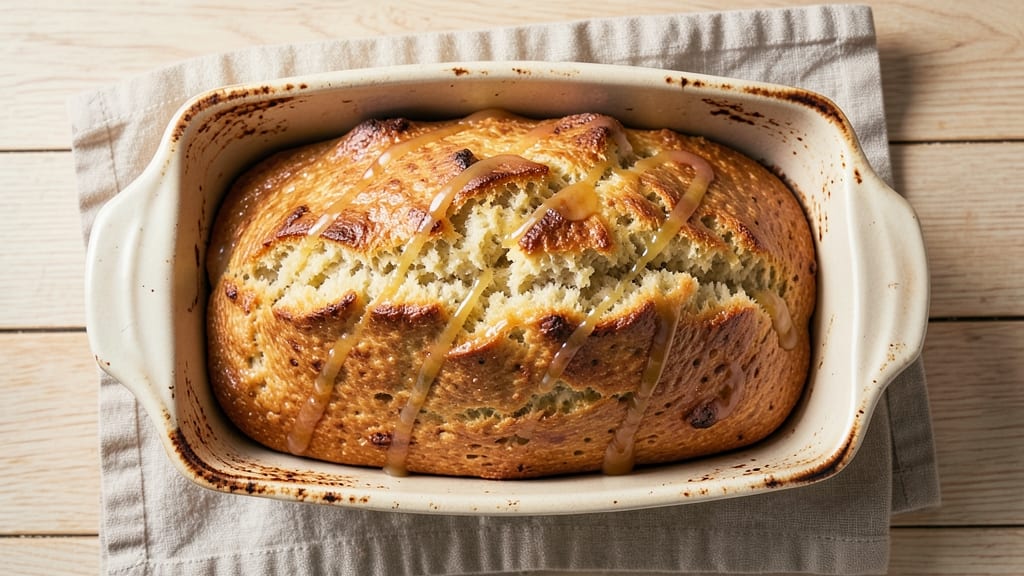
Creating moist bread with a perfect crumb doesn't require hours of kneading or advanced baking skills—this no-knead wonder delivers restaurant-quality results in just 30 minutes of active time.
The secret lies in a precise blend of milk, eggs, and fats that create an incredibly tender crumb, while a simple shaping technique ensures even baking.
After years of perfecting this recipe, I can confidently say this is the most foolproof method for achieving that coveted moist texture without a single dry bite.
What sets this bread apart is the combination of ingredients that work together to lock in moisture: warm milk activates the yeast more gently than cold water, while eggs and butter add richness that prevents drying.
The dough rests overnight, allowing the gluten to relax and develop naturally, which eliminates the need for kneading while improving texture. This method also yields a beautifully open crumb structure, with air pockets that make each slice irresistible.
By the time your loaf emerges from the oven, you'll have a perfectly golden crust with a soft, airy interior that stays moist for days. The aroma alone will have everyone gathering around your kitchen, and the first bite delivers that satisfying balance of texture and flavor.
This bread is ideal for sandwiches, toast, or simply enjoying with butter—it's the kind of loaf that makes homemade bread night a regular tradition.
Whether you're baking for a family gathering or treating yourself to a homemade loaf, this recipe scales beautifully and delivers consistent results. The technique is designed to be beginner-friendly, with clear instructions that ensure success every time. Let's get started on creating your perfect moist bread.
Ingredients for moist bread
Warm milk, cold butter, and eggs—this trio transforms ordinary flour into restaurant-style bread.
| Ingredient | Amount | Notes |
|---|---|---|
| All-Purpose Flour 🌾 | 4 ½ cups | Spooned and leveled, not packed |
| Active Dry Yeast 🍞 | ¼ tsp | Freshly opened for best results |
| Granulated Sugar 🍚 | 1 tbsp | For yeast activation |
| Unsalted Butter 🧈 | ½ cup | Cold, cubed, full-fat for richness |
| Large Eggs 🥚 | 2 whole | Room temperature for even mixing |
| Whole Milk 🥛 | 1 ¼ cups | Warm to touch (110°F), not hot |
| Salt 🧂 | 1 ½ tsp | Kosher or sea salt preferred |
| Olive Oil 🫒 | 1 tbsp | For greasing bowl and shaping |
| Cornmeal 🌽 | ¼ cup | For dusting baking sheet |
| Water 💧 | ½ cup | Warm, for dough hydration |
The butter and eggs are absolute game-changers here. European-style unsalted butter (like Plugrá or Land O'Lakes) gives that rich, tender crumb, but any full-fat butter works. Eggs should be room temperature—cold ones won't mix properly. Warm milk (about 110°F) activates the yeast gently, but don't let it scald. I always grab whole milk from the dairy section—it keeps better than skim for this recipe. The flour? King Arthur or Gold Medal are my go-tos—they're consistent, but any all-purpose brand works. Just measure it right: spoon it into the cup and level it off.
No butter? Vegetable shortening or coconut oil works in a pinch, but the flavor won't be as rich. Substitute milk? Warm water plus 1 tbsp melted butter keeps things moist. Eggs too expensive? 1 tbsp melted butter plus 1 tbsp water per egg mimics the fat content. The yeast is non-negotiable—if it's past its expiration or smells off, toss it. For a whole wheat version, swap 1 cup of all-purpose flour for whole wheat, but add 1 extra tbsp of water since it absorbs more. Cornmeal? Semolina works too—just don't skip it, or your bread will stick.
This dough is a dream to store. Shape it into a loaf, cover with plastic wrap, and refrigerate overnight—that's when the magic happens. Bake it the next day for fresh-from-the-oven flavor, or freeze the shaped dough (unbaked) for up to 3 months. Once baked, wrap tightly in foil and store at room temperature for 3 days—it stays moist that long. For longer storage, slice and freeze. Toast straight from the freezer? Absolutely—just add 10 extra seconds to crisp it up.
Why You'll Love This Recipe
- No-Knead Magic: I swear by this dough—just mix, let it rise, and bake. No stand mixer, no arm workout, just hands-off time while you sip coffee or watch an episode.
- Butter-Kiss Softness: That rich egg and butter combo? It’s what turns dry bread into something so tender you’ll want to eat it plain. Honestly, I’ve caught myself stealing slices straight from the pan.
- Weeknight Workhorse: Sandwiches, toast, or French toast—this bread handles everything. I keep a loaf in the fridge for lazy mornings or when I’m too tired to bake.
- Budget-Friendly Staple: A few cents per slice, and it lasts days. Freeze extras for quick toast or reheat them in the oven—no waste, just pure, delicious leftovers.
Step-by-step instructions for moist bread with perfect crumb
This no-knead method guarantees tender, moist bread with an airy crumb every single time.
Activate the Yeast and Mix Wet Ingredients
In a small bowl, combine the 0.25 tsp active dry yeast, 1 tbsp granulated sugar, and 0.5 cup warm water (110°F). Let this sit for 5-10 minutes until it becomes frothy and bubbly—this confirms your yeast is alive and ready to work. If it doesn't bubble, start over with fresh yeast.
While that works, whisk together the 2 whole large eggs, 1.25 cups warm whole milk, and 1.5 tsp salt in a large mixing bowl. The warm milk helps activate the yeast further when combined later. I like to use a fork for this step to avoid creating too many bubbles that could deflate during mixing.
Incorporate Butter and Flour for Richness
Cut the 0.5 cup cold unsalted butter into small cubes and add them to the wet ingredients. Use a wooden spoon to gently mix until the butter softens slightly but doesn't melt completely—this helps distribute fat evenly for that moist crumb. Add the 4.5 cups all-purpose flour all at once and stir with a wooden spoon until just combined.
Here's the thing—don't overmix. You want a shaggy dough with some flour streaks remaining. Overworking develops gluten too early, which can make the bread dense instead of tender. The dough should be soft and slightly sticky, not firm or dry. If it's too dry, add 1-2 tablespoons of warm water to bring it together.
Knead Just Enough for Structure
Lightly grease your hands with olive oil and gently knead the dough on a clean surface for 2-3 minutes—just enough to develop basic gluten without overworking it. You're not making pizza dough here; this gentle handling preserves that delicate, moist texture we're after. The dough should be smooth but still slightly tacky.
Shape the dough into a loose round and place it back in the greased bowl. Cover with a damp towel and let it rise in a warm place for 1-2 hours, or until it has nearly doubled in size. This slow rise allows the yeast to work gently, producing a lighter crumb. A warm oven with the light on works perfectly for creating that ideal environment.
Shape and Proof for Final Rise
Turn the risen dough onto a lightly floured surface and gently shape it into a round loaf. I press down slightly in the center to create a slight well—this helps prevent cracking during baking. Place the shaped loaf on a baking sheet dusted with 0.25 cup cornmeal to prevent sticking.
Cover the loaf again and let it proof for another 30-45 minutes until it has puffed up noticeably. The dough should spring back slowly when pressed gently with a fingertip. This final rise is crucial for that perfect airy crumb. Don't skip it—this is what makes the difference between dense bread and bakery-quality loaves.
Bake to Golden Perfection
Preheat your oven to 375°F while the bread proofs. When ready, bake the loaf for 30-35 minutes until it's golden brown on top and sounds hollow when tapped on the bottom. The internal temperature should reach 190-200°F—this ensures it's fully baked through without drying out.
Here's a pro tip: For extra moisture, I brush the warm loaf with a little melted butter while it's still in the pan. This creates a beautiful sheen and adds richness. Let the bread cool on a wire rack for at least 20 minutes before slicing—this resting period allows the steam to escape and prevents a gummy interior.
Pro Tips For Making Moist Bread
- Skip the Cold Butter: DESCRIPTION: Let that unsalted butter sit out until it’s soft but not melted—about 10 minutes at room temp. I used to toss in cold chunks straight from the fridge, and the dough would fight me every step of the way. Soft butter mixes smoother and creates a lighter crumb, even if it feels counterintuitive.
- Proof at 75°F: DESCRIPTION: If your kitchen’s drafty or hot, use an instant-read thermometer to check your yeast water—it should be 75°F before adding the yeast. Too cold? The yeast wakes up slow. Too hot? It dies instantly. This is the thing that matters most for that perfect rise.
- Don’t Overmix the Dough: DESCRIPTION: Once the flour hits the wet ingredients, stop mixing after 2-3 minutes—just until combined. I learned this the hard way after kneading aggressively and ending up with dense, tough bread. The gluten develops fast, and you’ll regret overworking it.
- Brush with Egg Wash: DESCRIPTION: Whisk 1 egg with 1 tablespoon water and brush it on the loaf before baking—it’s not just for looks. The wash locks in moisture and gives the crust that golden sheen without drying out the crumb inside. (Yes, even if you’re impatient like me.)
Wine and beer pairings for this dish
Crisp White Wines
The delicate, buttery richness of this moist bread pairs beautifully with dry Riesling or Sauvignon Blanc—their bright acidity cuts through the butter and eggs while complementing the soft crumb.
I reach for a German Riesling like Dr. Loosen Blue Slate when I want a touch of honeyed sweetness to contrast the savory notes. The crispness of New Zealand Sauvignon Blanc (such as Oyster Bay) also works wonders, especially if you've added herbs like rosemary to your dough. 🍷
Light Lager Beers
For beer lovers, a crisp pilsner or wheat beer is the perfect match. The effervescence cleanses your palate between bites, while the subtle maltiness enhances the bread's buttery profile. I keep a Peroni or Heineken on hand for this—both have that refreshing, slightly bitter finish that balances the richness.
A Belgian witbier like Hoegaarden adds a citrusy twist that pairs surprisingly well with the warm milk and eggs in the dough.
Sparkling Wine Elevation
If you're serving this bread at a special occasion, Prosecco or Cava takes it to the next level. The bubbles create a luxurious mouthfeel that contrasts the bread's soft texture, while the slight sweetness enhances the egg and butter flavors.
I love pairing this with La Marca Prosecco—its delicate fruit notes and fine bubbles make every bite feel celebratory. For a non-alcoholic option, a sparkling apple cider (like Martinelli's) works beautifully too.
Red Wine Exceptions
While this bread isn't typically paired with red wine, a light Pinot Noir from Oregon or Burgundy can work if you've added savory elements like garlic or herbs to your dough. The earthy notes in the wine complement the bread's richness without overpowering it.
I recommend a La Crema Pinot Noir for its silky texture and bright acidity—it's a crowd-pleaser that won't clash with the bread's delicate flavors.
Coffee Pairings
For a non-alcoholic option that enhances the bread's buttery richness, a medium-roast coffee with notes of caramel or nuts is perfect. The bitterness in the coffee contrasts beautifully with the bread's soft texture.
I love pairing this with a Peet's Major Dickason's Blend—its balanced profile brings out the bread's natural sweetness without competing for attention. 💫
Nutrition facts
Frequently asked questions
Why does this recipe use warm milk instead of water?
Warm milk (110°F) activates the yeast more gently than cold water, creating a slower rise that develops better flavor and texture. The fat in milk also adds richness that keeps the bread moist for days. Plus, it makes the dough easier to handle without being too sticky!
Can I make this bread without eggs?
Yes! Replace the 2 eggs with 1 tbsp melted butter plus 1 tbsp water per egg. This mimics the fat content while keeping the dough tender. For extra moisture, add 1 extra tbsp of warm milk to the dough. The texture will be slightly denser but still delicious.
What if my dough doesn't rise properly?
Check your yeast first—it should be fresh and bubbly when mixed with warm water. If the dough isn't rising, try placing it in a warmer spot (like a turned-off oven with the light on) or cover it with a damp towel to trap heat. Never skip proofing—this step is key for that airy crumb!
How do I store this bread to keep it moist?
Wrap the cooled loaf tightly in plastic wrap or foil and store at room temperature for 3 days. For longer storage, slice and freeze—it reheats beautifully in a toaster. Pro tip: Brush warm bread with melted butter before storing to lock in moisture even longer.
Can I add herbs or seeds to this recipe?
Mix in 1 tbsp dried rosemary, garlic powder, or sesame seeds with the flour before adding wet ingredients. For fresh herbs, use 1 tbsp chopped (like parsley or thyme) and reduce water by 1 tbsp to account for moisture. Just don't overdo it—herbs should complement, not overpower, the bread's buttery richness.