
Side Dishes
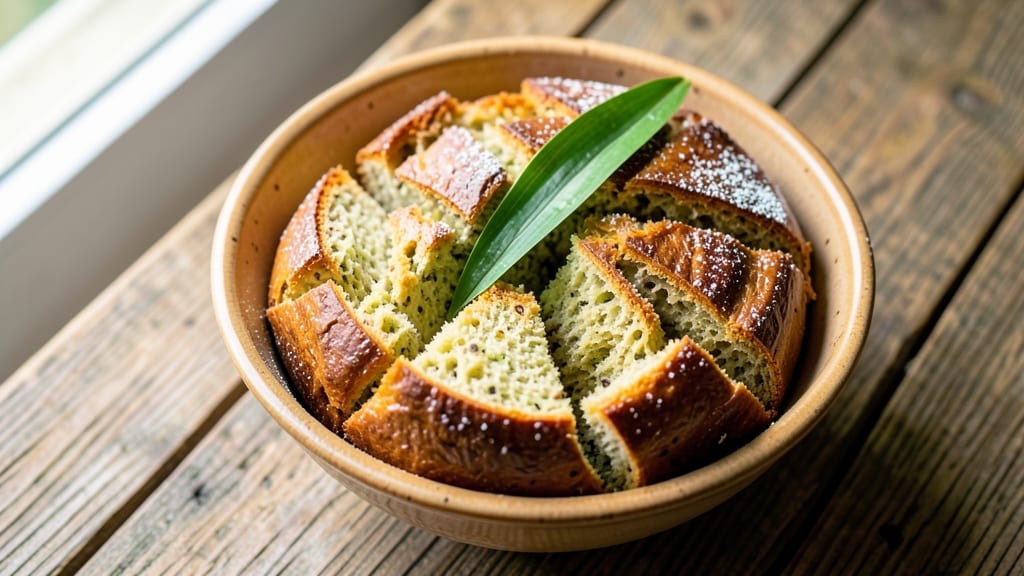
This pandan bread recipe transforms your kitchen into a fragrant tropical escape with its signature vanilla-cardamom aroma and golden crust. The secret lies in pandan extract—just a teaspoon delivers that unmistakable floral sweetness that sets this loaf apart from ordinary vanilla bread.
I developed this recipe after years of experimenting with Southeast Asian flavors, and the result is a tender, slightly sweet bread that’s perfect for breakfast or dessert.
The dough comes together in 30 minutes with simple ingredients like all-purpose flour, butter, and eggs, but the pandan extract is what elevates it to something extraordinary. Cardamom adds a warm, citrusy depth that pairs beautifully with the pandan’s floral notes.
Baking at 350°F for 35-40 minutes ensures a crispy crust and a moist, even crumb—no dense, dry loaf here.
What you’ll end up with is a fragrant loaf that smells like a bakery, with a golden crust that’s just crisp enough to hold up to butter or jam. The vanilla-cardamom flavor lingers with every slice, making it a showstopper for brunch or a special treat.
This recipe is foolproof, so even if you’ve never baked bread before, you’ll achieve professional results.
Serve it warm with butter or pair it with tea for the full experience. The pandan extract can be swapped for fresh pandan leaves (finely blended) for an even more authentic touch. Let’s get started on this fragrant loaf that will impress everyone at the table.
Ingredients for pandan bread
Simple staples meet exotic flavors—just 13 ingredients for a fragrant loaf that smells like a bakery.
| Ingredient | Amount | Notes |
|---|---|---|
| All-Purpose Flour 🌾 | 4 cups | Sifted for even texture |
| Unsalted Butter 🧈 | 1 cup | Cold, cubed for dough |
| Granulated Sugar 🍚 | ½ cup | Light brown sugar optional |
| Large Eggs 🥚 | 2 whole | Room temperature |
| Pandan Extract 🌺 | 1 tsp | Pure, not imitation |
| Ground Cardamom 🌿 | 1 tsp | Freshly ground preferred |
| Vanilla Extract 🍯 | 1 tsp | Pure vanilla preferred |
| Salt 🧂 | ½ tsp | Fine sea salt |
| Milk 🥛 | ½ cup | Warm for activation |
| Instant Yeast 🍞 | 2 ¼ tsp | Or 1 packet active dry |
| Egg Wash 🥚 | 1 whole | 1 egg beaten with 1 tsp water |
| Coarse Sugar 🍚 | 1 tbsp | For topping crust |
| Fresh Pandan Leaves 🌿 | 2 whole | Optional, finely blended |
The pandan extract is non-negotiable here—FroySchur or Gourmet Garden are reliable brands, but anything labeled 'pure' works. For an authentic touch, fresh pandan leaves from an Asian market (blended into the dough) add a deeper floral note. Cardamom is key too—Penzeys sells whole pods you can grind yourself, or grab pre-ground at Whole Foods. The butter should be cold when you mix it in; don't let it soften or the dough gets gummy. I always buy European-style butter (like Plugrá) for richer flavor if I'm feeling fancy.
No pandan extract? Fresh pandan leaves (finely blended) work perfectly—just steep 2 leaves in 1 tbsp warm water for 10 minutes, then strain. Short on cardamom? Cinnamon or nutmeg at half the amount gives a similar warmth, though not the same citrusy kick. Using brown sugar? Pack it tightly—it's less dense. The yeast is active dry, but instant yeast is better if you're making this ahead. For the egg wash, add a splash of milk if you want extra shine on the crust. And if you're gluten-free, swap the flour for a 1:1 bread blend—just know the texture will differ slightly.
This dough keeps in the fridge for 2 days wrapped tightly in plastic, or 3 months frozen (thaw overnight). The baked loaf stays fresh for 3 days at room temp in a bread bag, or 1 week in the fridge. For extra crunch, sprinkle the coarse sugar on right before baking—turbinado sugar gives the best caramelized crust. Slice it warm with butter, or toast it the next day for a bakery-style breakfast. Leftovers? Freeze slices wrapped in foil for up to 3 months—perfect for quick toast.
Why You'll Love This Recipe
- No-Fuss Mixing: I swear, this dough comes together in five minutes—just fold the pandan extract into softened butter until it smells like a tropical vacation, then toss in the flour and sugar. No standing over a mixer, no waiting for yeast to proof.
- Vanilla’s Lighter Cousin: That pandan extract? It’s like vanilla’s exotic sibling—sweet but grassy, with a hint of coconut that lingers just enough to make you reach for another slice. The butter keeps it rich without being heavy.
- Breakfast to Dessert: Serve it toasted with jam for brunch, slathered in peanut butter for a snack, or even as a cake base for a no-bake cheesecake. Honestly, I’ve used it for all three—no judgment here.
- Budget-Friendly Staples: Flour, butter, sugar, eggs—these are ingredients you already own. The pandan extract is the only splurge, and a little goes a long way. Plus, it keeps for days, so you’re not baking just for today.
Step-by-step instructions for pandan bread recipe
Here's the foolproof method for a fragrant loaf with that perfect golden crust.
Activate the Yeast and Prepare the Dough
In a small bowl, combine the 0.5 cup warm milk, 2.25 tsp instant yeast, and 0.5 cup granulated sugar. Let this sit for 5-7 minutes until it becomes frothy and bubbly. This tells you your yeast is alive and ready to work—if it doesn't bubble, start over with fresh yeast.
In a large mixing bowl, whisk together the 4 cups all-purpose flour, 1 tsp ground cardamom, 1 tsp vanilla extract, 1 tsp pandan extract, and 0.5 tsp salt. Sift the flour first for an even texture, then add the dry ingredients and mix gently with a wooden spoon. Create a well in the center and pour in the yeast mixture along with the 2 whole large eggs and 1 cup cold cubed unsalted butter.
Mix and Knead the Dough
Using a dough whisk or your hands, gradually incorporate the wet ingredients into the dry. The butter will start to melt and coat the flour, creating a shaggy dough. Once everything comes together, turn it out onto a lightly floured surface and knead for 8-10 minutes until smooth and elastic. You'll know it's ready when it springs back slowly when poked.
If the dough feels too sticky, add flour 1 tablespoon at a time—just enough to make it manageable. Shape it into a ball, place it back in the bowl, cover with a damp towel, and let it rise in a warm place for 1-1.5 hours or until doubled in size. The kitchen should feel warm and fragrant with pandan's signature aroma.
Shape and Proof the Loaf
Punch down the risen dough to release air, then divide it into two equal portions. Shape each portion into a smooth, rectangular loaf about 9x5 inches. Place them seam-side down in two greased 9x5-inch loaf pans. Cover loosely with plastic wrap and let them rise again for 30-45 minutes until they've expanded about 50%.
While the dough proofs, preheat your oven to 350°F. Brush the tops of the loaves with the 1 whole egg wash and sprinkle evenly with 1 tbsp coarse sugar. This creates that signature golden, crackly crust. If using the 2 whole fresh pandan leaves, finely blend them and mix into the egg wash for extra aroma.
Bake to Perfection
Bake the loaves for 25-30 minutes until they're golden brown and sound hollow when tapped on the bottom. The edges should pull away slightly from the pan, and the internal temperature should reach 190-200°F. Rotate the pans halfway through for even baking—your kitchen will smell like tropical heaven.
Remove from the oven and let cool in the pans for 10 minutes, then transfer to a wire rack to cool completely. Slice into thick pieces—you'll notice the tender crumb and that beautiful pandan aroma throughout. Serve warm with butter or jam for the ultimate comfort.
Pro Tips For Making Pandan Bread
- Cream Butter First: Whip the unsalted butter and sugar until it’s light and fluffy—about 3-4 minutes with a stand mixer. I learned this the hard way: skipping this step leaves the bread dense and dry, no matter how much pandan extract you add.
- Measure Pandan Precisely: Use 1 teaspoon of pandan extract for a standard loaf, but taste the batter first—some brands are stronger than others. I once doubled it and ended up with a bread that smelled like a tropical air freshener instead of a dessert.
- Don’t Overmix the Dough: Mix the wet and dry ingredients just until combined—lumpy is better than tough. Overworking the dough develops gluten, and pandan bread should stay tender, not chewy. I used to beat it like I was punishing the batter, and it came out like a brick.
- Preheat Pan and Oven: Place your loaf pan in the oven while preheating to 350°F (175°C) for 10 minutes. This ensures even baking and a crisp crust—no more undercooked centers or soggy tops. I skipped this once and spent 20 minutes troubleshooting a half-baked loaf.
Creative variations of this pandan bread
Tropical Twist Variations
For a mango-pandan fusion, add 2 tbsp mango puree (blend fresh mango) to the dough for a fruitier flavor. I also fold in ¼ cup toasted coconut flakes into the egg wash before baking—they add a delightful crunch and enhance the tropical theme. 🌺
Chocolate Pandan Loaf
Swap ½ cup granulated sugar for ½ cup dark cocoa powder (60% or higher) and add ¼ cup melted butter to the dough. This creates a decadent dessert loaf with a moist, fudgy crumb and pandan’s floral notes cutting through the richness.
Top with a sprinkle of coarse sugar for extra texture.
Savory Herb Version
Replace the vanilla and pandan extracts with 1 tbsp lemon zest and 1 tbsp finely chopped fresh rosemary. Add 2 tbsp olive oil to the dough instead of butter for a lighter, herbaceous loaf.
This savory twist pairs beautifully with herbed goat cheese or olive tapenade—perfect for a breakfast charcuterie board.
Gluten-Free Adaptation
Use a 1:1 gluten-free bread flour blend (like Bob’s Red Mill) and reduce the yeast to 1.5 tsp. Add 1 tbsp psyllium husk powder to the dough to improve elasticity.
The texture will be slightly denser, but the pandan flavor remains vibrant. Let the dough rest for 10 extra minutes after kneading to help it develop structure.
Sweet Potato Swap
Replace ½ cup milk with ½ cup mashed sweet potato (cooled) and reduce the sugar to ¼ cup. This adds natural sweetness and moisture, creating a darker, denser loaf with a caramelized crust.
The sweet potato pairs beautifully with the pandan’s floral notes, making it a unique twist on classic pandan bread. 🍠
Coconut Pandan Buns
Divide the dough into 12 equal portions and shape into buns. Brush with egg wash mixed with 1 tbsp shredded coconut and bake at 375°F for 12-15 minutes. These buns are perfect for breakfast or as a side with coconut curry—the pandan and coconut flavors complement each other beautifully.
Nutrition facts
Frequently asked questions
Can I substitute fresh pandan leaves for the extract?
For a more authentic flavor, blend 2 fresh pandan leaves with 1 tablespoon warm water and strain. Use this infusion instead of the 1 teaspoon pandan extract in the recipe. The fresh leaves add a deeper, grassier aroma that extract can't fully replicate.
Why does my pandan bread taste bland?
Bland flavor usually means the pandan extract wasn't strong enough. Double-check you used 1 teaspoon pure pandan extract (not imitation) and that it was fresh. Also, ensure your cardamom is freshly ground—old spices lose potency. For extra depth, add ½ teaspoon more pandan extract or a pinch of salt to enhance all flavors.
How do I store pandan bread to keep it fresh?
Wrap the cooled loaf tightly in plastic wrap or place it in an airtight container to prevent drying. It stays fresh at room temperature for 3 days, or up to 1 week in the fridge. For longer storage, freeze sliced bread in a sealed bag for up to 3 months. Toast frozen slices directly from the freezer for best results.
Can I make this bread without a loaf pan?
Yes! Shape the dough into a free-form round or oval loaf on a baking sheet lined with parchment paper. For extra flavor, brush the top with egg wash and sprinkle with coarse sugar. Bake at 350°F for 30-35 minutes, rotating halfway. The crust will be slightly thicker but still delicious.
What's the best way to reheat sliced pandan bread?
For crispy crust and warm interior, wrap slices in foil and reheat in a 350°F oven for 5-7 minutes. For quick toast, use a toaster or toaster oven until golden brown. Avoid microwaving—it makes the bread gummy. Freshly baked slices are always best, but reheating works well for leftovers.