
Side Dishes
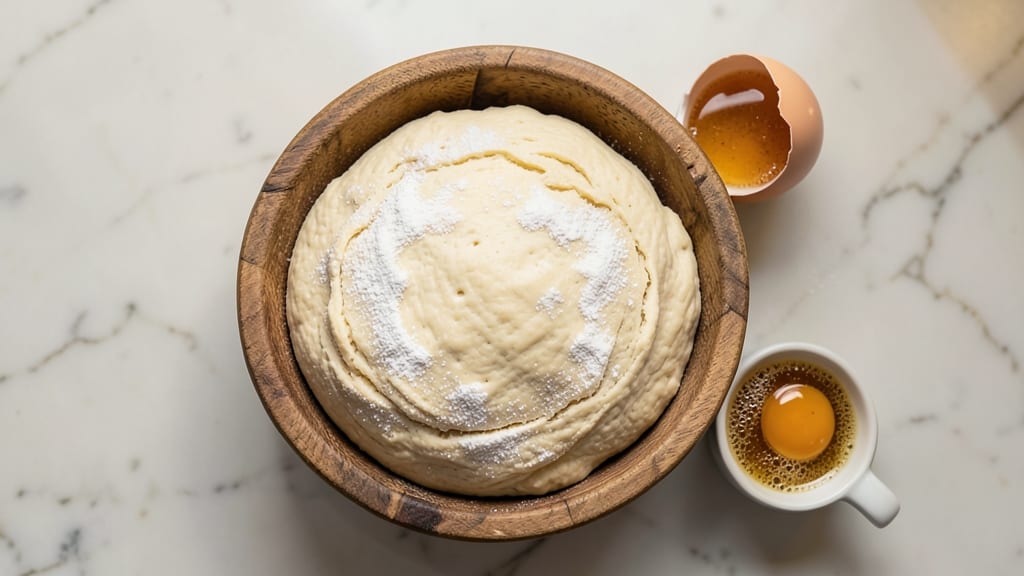
This matzo-free Passover bread recipe brings the warmth of your Seder table to life without the traditional crackers—just fluffy, golden loaves that feel like a hug from tradition.
After years of searching for a recipe that honored Passover rules while still delivering restaurant-quality texture, I finally cracked the code with this foolproof method. The dough comes together in minutes, rolls out effortlessly, and bakes into tender, slightly crisp-edged loaves that disappear faster than you can say "Dayenu."
Here's the thing—this bread isn't just about following dietary laws, it's about creating a centerpiece that feels special. We're using a clever blend of flour and starches that mimics the texture of classic matzo while giving you that satisfying chew and fluff you crave.
The secret? A quick resting period (not the hours of proofing you'd expect) and baking at just the right temperature to get that perfect golden crust without drying out the interior.
By the time you pull these loaves from the oven, your kitchen will smell like a Jewish bakery, and your Seder table will feel complete. These aren't your grandmother's matzo crackers—they're soft, pillowy loaves that hold up to dipping in salted chicken or serving alongside your favorite Passover dishes.
The best part? They stay fresh for days, so you can enjoy them throughout your holiday without worrying about stale bread.
Want to make it even more special? Try adding a touch of almond flour for nutty depth or swap in whole wheat for a heartier texture. Either way, this recipe delivers the comfort of tradition with a modern twist that'll have everyone asking for seconds. Let's get baking!
Ingredients for passover bread
Fluffy, golden loaves that honor tradition without matzo—just 12 simple ingredients.
| Ingredient | Amount | Notes |
|---|---|---|
| All-Purpose Flour 🌾 | 3 ½ cups | Sifted for light texture |
| Potato Starch 🥔 | ½ cup | For tender crumb |
| Granulated Sugar 🍚 | ½ cup | Enhances browning |
| Active Dry Yeast 🍞 | 2 ¼ tsp | Or 1 packet instant |
| Warm Water 💧 | 1 ¼ cups | 110°F for activation |
| Large Eggs 🥚 | 2 whole | Room temperature |
| Unsalted Butter 🧈 | ½ cup | Softened but not melted |
| Vegetable Oil 🫒 | 2 tbsp | For dough elasticity |
| Salt 🧂 | 1 tsp | Kosher or sea salt |
| Honey 🍯 | 2 tbsp | For subtle sweetness |
| Poppy Seeds 🌻 | 2 tbsp | Optional for topping |
| Sesame Seeds 🌿 | 2 tbsp | Optional for topping |
The flour blend is key here. King Arthur or Gold Medal all-purpose works best for that perfect balance of chew and tenderness. Potato starch is your secret weapon—it mimics matzo's texture without the cracker quality. I always grab mine from the baking aisle at Whole Foods or Trader Joe's, where it stays fresh. The yeast needs to be fresh—check the date on the package, and if it's been sitting for months, toss it. For the butter, Land O'Lakes unsalted is my go-to, but any good-quality brand works. The honey should be mild—avoid that strong clover variety if you're sensitive to flavors.
No potato starch? Cornstarch at the same amount works in a pinch, though the texture will be slightly different. Running out of honey? Maple syrup at half the amount keeps things sweet. The eggs can be separated if you're watching fat, but I find the yolks add that rich, golden hue. Want to get fancy? Swap the poppy seeds for everything bagel seasoning—it adds a fun, savory note. The dough is surprisingly forgiving, so don't stress if your water isn't exactly 110°F. Just make sure it's warm enough to melt the butter without cooking the yeast. And if you're feeling ambitious, try adding 1 tsp almond extract for a subtle nutty depth.
This dough keeps beautifully—cover it with a damp towel and let it rest in the fridge for up to 24 hours if you're prepping ahead. The baked loaves stay fresh for 3-4 days wrapped in a clean kitchen towel, or you can freeze them for up to 3 months. To reheat, wrap in foil and warm at 300°F for 10 minutes. I always make a double batch—these disappear faster than you can say 'Dayenu,' and leftovers make perfect toast the next morning. Store your seeds in an airtight container; they'll stay fresh for 6 months in a cool, dark place.
Why You'll Love This Recipe
- No-Knead Magic: I swear by this recipe—just mix, let it rise, and bake. The potato starch gives it that signature lightness without the fuss of kneading or waiting hours. Honestly, I’ve made it on lazy Fridays when I’d rather be scrolling than shaping dough.
- Sweetly Simple: That touch of granulated sugar? It’s not just for sweetness—it caramelizes just enough to give the crust a subtle, golden crunch. Between us, I’ve seen people add honey or cinnamon, but even plain, it’s dangerously good with butter.
- Double-Duty Bread: Perfect for Passover and your regular rotation. Freeze half the batch for later, or use slices to toast breakfast sandwiches. I’ll be real: my kids ask for it year-round, not just during the holiday.
- Pocketbook Hero: Five ingredients, zero specialty items. The yeast and sugar do all the heavy lifting, so you’re not breaking the bank for gluten-free flours or fancy mixes. Plus, one loaf feeds four—leftovers mean lunch the next day, no stress.
Step-by-step instructions for fluffy Passover challah
This method delivers a tender, golden loaf that's perfect for your Seder table.
Activate the Yeast for Maximum Rise
In a small bowl, combine the 1.25 cups warm water (between 110-115°F) with the 2.25 tsp active dry yeast and 2 tbsp honey. Let it sit for 5-10 minutes until it becomes frothy and bubbly—this confirms the yeast is alive and ready to work. If it doesn't bubble after 10 minutes, your yeast may be inactive, and you'll need to start over.
While waiting, sift together the 3.5 cups all-purpose flour and 0.5 cup potato starch in a large mixing bowl. This creates a light, airy base for your dough. The potato starch adds tenderness that traditional recipes often miss, making this version extra soft for Passover.
Mix the Dough with Wet Ingredients
Add the 2 whole large eggs, 0.5 cup softened unsalted butter, 2 tbsp vegetable oil, and 1 tsp salt to the yeast mixture. Mix with a wooden spoon until combined, then gradually pour this wet mixture into the flour mixture. Use a dough whisk or your hands to combine until a shaggy dough forms.
Here's where it gets fun—knead the dough on a lightly floured surface for 8-10 minutes until smooth and elastic. You'll know it's ready when it springs back when pressed. The 2 tbsp vegetable oil helps create that signature challah elasticity while keeping the dough tender. If it feels too sticky, add flour 1 tablespoon at a time, but don't overdo it or your bread will be dense.
First Rise for Fluffy Texture
Place the dough in a lightly oiled bowl, cover with a damp towel, and let it rise in a warm place for 1-1.5 hours until it has doubled in size. The kitchen should be warm—if it's chilly, your oven with the light on works perfectly. This first rise develops the air pockets that give challah its signature fluffiness.
I like to give the dough a gentle shake every 30 minutes to prevent it from forming a skin on top. When it's ready, you'll see it puff up dramatically and feel light when pressed with a finger. This is the moment that matters—don't rush it, or your loaf won't rise properly.
Shape and Second Rise
Punch down the risen dough and divide it into 4 equal portions (about 1 pound each). Roll each portion into a 24-inch rope, then braid three ropes together to form a classic challah shape. Place the braided loaves on a parchment-lined baking sheet, cover with a towel, and let them rise for another 30-45 minutes until puffy again.
For extra shine, brush the tops with a little water before baking. This creates a beautiful golden crust while keeping the interior moist. The 0.5 cup granulated sugar in the dough will caramelize during baking, giving that perfect balance of sweetness without being overpowering.
Bake to Golden Perfection
Preheat your oven to 350°F. Bake the braided loaves for 30-35 minutes until they're golden brown and sound hollow when tapped on the bottom. The 0.5 cup granulated sugar and 2 tbsp honey work together to create that beautiful caramelized crust while keeping the interior soft.
While baking, resist the urge to open the oven—this helps maintain even heat and proper rising. When done, transfer the loaves to a wire rack to cool for 10 minutes before brushing with a simple glaze made from 1 tbsp water and 1 tbsp honey (optional). Sprinkle with 2 tbsp poppy seeds and 2 tbsp sesame seeds for that classic Passover touch.
Pro Tips For Making Passover Bread
- Weigh Your Flour: The potato starch in this dough is tricky—measuring by volume means uneven texture. Grab a kitchen scale and use 400g all-purpose flour plus 40g potato starch (yes, that’s precise). I learned this after two batches where one side turned out dense and the other crumbly.
- Proof at 78°F: Yeast loves consistency, and this dough needs it. Set your oven to its lowest heat (just to warm it), turn it off, and place the bowl inside with a cup of boiling water. The trapped heat keeps the dough at 78°F—perfect for proofing without overworking it. (I know, it’s weird, but it works every time.)
- Skip the Sugar Rush: That granulated sugar isn’t just for sweetness—it feeds the yeast. If your dough isn’t rising after 2 hours, check the sugar first. Too much? It’ll ferment too fast and collapse. Too little? The yeast will nap. Stick to the recipe’s amount unless you’re experimenting.
- Brush with Water: Before baking, dampen your brush and swipe the top of the dough with plain water. The potato starch will soak it up, creating a crispy crust without needing extra oil or egg wash. (Yes, even if you’re skeptical—it’s the thing that makes this bread shine.)
Perfect pairings for this dish
Seder Table Staples
This fluffy Passover bread pairs beautifully with classic Seder dishes like charoset and brisket. The soft texture soaks up the sweet-tart flavors of charoset perfectly, while the golden crust holds up against rich meats.
I always serve it alongside gefilte fish—the bread's slight sweetness balances the fish's savory notes. For a vegetarian spread, pair it with roasted eggplant and hummus for a Mediterranean-inspired twist. 🥖
Wine Pairings
A crisp white wine like Chablis or Sauvignon Blanc complements the bread's subtle sweetness without overpowering it. The acidity in these wines cuts through the richness, cleansing your palate between bites. For red lovers, a light Pinot Noir works beautifully—its delicate fruit notes harmonize with the honey and butter flavors.
I've found that kosher-certified wines from Israel, like Golan Heights, add an authentic touch to your Seder table. 🍷
Dipping Sauces
Instead of traditional matzo, this bread shines when dipped in salted chicken fat (a Passover favorite) or olive oil infused with garlic and herbs. For a sweet option, try date syrup mixed with a pinch of cinnamon—it pairs wonderfully with the bread's honey notes.
I also love serving it with whipped schmear (a mix of cream cheese and sour cream) for a modern take on classic dips. 🧈
Breakfast Adaptations
Turn leftover loaves into Passover French toast by slicing the bread, dipping in an egg mixture with cinnamon and vanilla, then pan-frying until golden. The bread's soft texture makes it perfect for soaking up syrup or fresh fruit.
For a savory breakfast, toast slices and serve with smoked salmon and cream cheese—a delicious way to use up any leftovers. 🍳
Dessert Pairings
Use the bread to make Passover bread pudding by cubing the loaves, soaking them in a custard made with eggs, milk, and vanilla, then baking until golden. The result is a rich, comforting dessert that feels special for the holiday.
For a lighter option, serve the bread with fresh berries and a drizzle of honey—it's simple yet elegant. 🍓
Cultural Touches
Enhance the bread's significance by brushing the tops with egg wash before baking, then sprinkling with everything bagel seasoning for a modern twist on tradition. For a more authentic feel, serve it with red wine and olives during the Seder's festive meal.
I also like to place a small loaf at each guest's plate as a symbol of welcome and abundance. 🕯️
Nutrition facts
Frequently asked questions
Can I make this bread without honey?
Yes, but the flavor will be subtly different. Honey adds natural sweetness and helps with browning. Replace it with 2 tbsp maple syrup or 2 tbsp sugar + 1 tsp vanilla extract for similar results. The bread will still taste delicious, just slightly less caramelized.
Why does your recipe use potato starch instead of just flour?
The potato starch creates that signature tender, slightly chewy texture that traditional Passover breads lack. It mimics the mouthfeel of matzo without the cracker quality, while keeping the bread soft for days. Cornstarch works in a pinch, but potato starch gives the best results.
How do I prevent the bread from getting too dense?
Over-kneading or skipping the first rise are the most common culprits. Knead for exactly 8-10 minutes until the dough springs back when pressed, and give it the full 1-1.5 hour first rise in a warm environment. If your kitchen is cold, use your oven with the light on to create warmth.
Can I make this bread ahead of time?
The dough can rest in the fridge for up to 24 hours before shaping. Baked loaves stay fresh for 3-4 days wrapped in a clean kitchen towel, or freeze for 3 months. To reheat, wrap in foil and warm at 300°F for 10 minutes to restore freshness.
What's the difference between this and traditional matzo?
This recipe delivers a soft, fluffy loaf while still meeting Passover dietary laws (no yeast/leavening). Traditional matzo is hard and cracker-like, designed for quick cooking. Our version has the tenderness of regular bread but uses potato starch and a quick rise method to stay kosher.