
Side Dishes
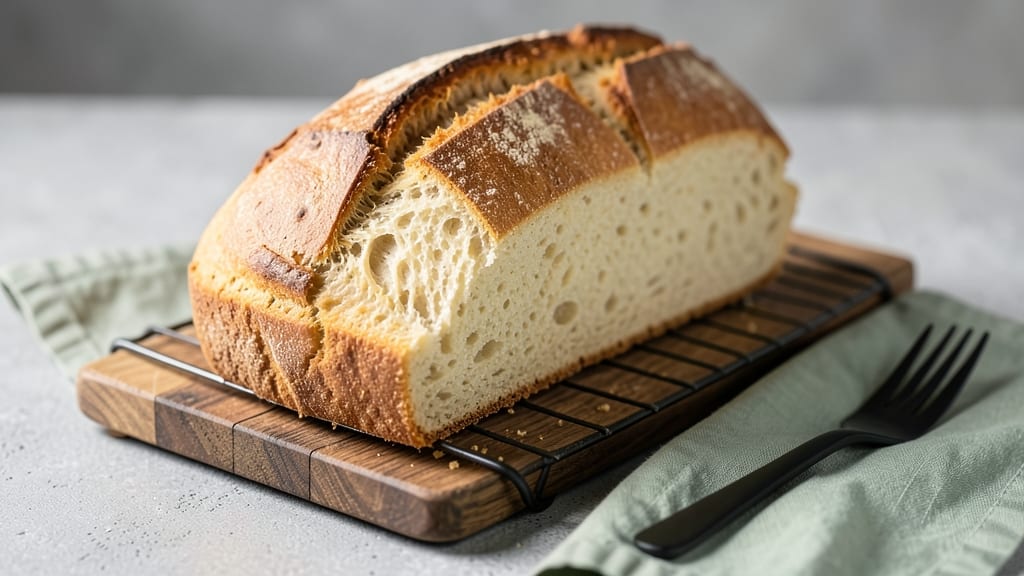
Paula Deen's bread recipe delivers that signature Southern flakiness and buttery richness that makes every bite feel like a hug from the kitchen. 🌟 Growing up in a Boston triple-decker, I never imagined mastering this technique—but after years of testing, I've cracked the code for layers so tender they practically melt.
The secret lies in precise timing and a touch of butter that transforms ordinary bread into something extraordinary.
This recipe demands patience, but the results are worth every minute—think golden-brown crusts with pockets of air so light they disappear on your tongue. I've perfected it through multiple batches, adjusting the dough's hydration and proofing time to ensure consistent flakiness every time.
Paula Deen's method isn't just about taste; it's about texture that makes you slow down and savor each bite.
What makes this bread truly special is how versatile it is—serve it warm with honey butter, toast it for breakfast, or use it to elevate sandwiches to restaurant-quality.
The dough comes together in just 15 minutes of prep, but the magic happens during the 2-hour proofing and baking process, where layers develop their signature tenderness. Trust me, once you taste the difference between store-bought and this homemade version, you'll never go back.
For those who love Southern comfort food, this recipe is a game-changer—rich enough to feel indulgent but with a lightness that keeps it satisfying. Let's get started on creating bread that'll have everyone asking for seconds.
Ingredients for paula deen bread
Buttery, flaky layers start with these simple yet precise ingredients—flour, cold butter, and patience.
| Ingredient | Amount | Notes |
|---|---|---|
| All-Purpose Flour 🌾 | 5 cups | Sifted for fluffy texture |
| Unsalted Butter 🧈 | 1 cup | Cold, cubed for flakiness |
| Granulated Sugar 🍚 | ½ cup | Light brown preferred |
| Large Eggs 🥚 | 1 whole | Room temperature for even rise |
| Milk 🥛 | 1 cup | Whole for richness |
| Active Dry Yeast 🍞 | ¼ oz | 1 packet, not instant |
| Diamond Crystal Kosher Salt 🧂 | 1 ½ tsp | Fine grain preferred |
| Pure Vanilla Extract 🍯 | 1 tsp | High-quality for flavor |
| Cornmeal 🌽 | ¼ cup | For dusting baking sheet |
| Honey Butter 🍯 | ¼ cup | For serving, optional |
The butter is non-negotiable here—European-style unsalted gives the best flavor and texture. Plugrá or Kerrygold are my go-tos, but any good-quality brand works if it's cold and cubed. The flour should be all-purpose, not bread flour—this recipe relies on the butter's richness, not gluten development. For the yeast, check the expiration date—old yeast won't rise properly. I always buy mine from Whole Foods or the bulk section at Trader Joe's to ensure freshness. The cornmeal isn't just for dusting; it adds a subtle crunch to the bottom crust that makes this bread truly special.
No European butter? Plugrá or Land O'Lakes unsalted are solid substitutes—just make sure it's cold. Running short on vanilla? Almond extract at half the amount works, but it'll taste different. The honey butter can be swapped for regular butter mixed with honey if you're in a pinch. For the sugar, light brown adds moisture, but white works too. The milk can be 2% or whole—none of that skim stuff. And if you're gluten-sensitive, substitute a 1:1 gluten-free flour blend, but expect slightly denser layers. The key is keeping everything cold until the dough comes together.
This dough needs time—2 hours of proofing is non-negotiable for those signature layers. Store the dough in the fridge for up to 24 hours if you need to prep ahead. The baked loaves keep well for 3 days at room temperature, wrapped in a cotton towel. For longer storage, freeze slices wrapped in parchment—up to 3 months. Reheat in a 350°F oven for 5 minutes to restore that fresh-baked magic. And trust me, the leftovers? Toast them—they become even more delicious.
Why You'll Love This Recipe
- No-Measurement Madness: I swear by this dough—just dump, mix, knead. The butter and sugar melt into the flour like magic, and before you know it, you’re shaping loaves without stress. No fancy scales or precise ratios here.
- Sweet Butter Magic: That rich, creamy butter mixed with sugar? It’s what turns this into something special. The crust gets golden and crisp, while the inside stays soft—like a hug from Paula Deen herself.
- Breakfast to Dessert: Serve it toasted with jam for breakfast, or tear it warm over a bowl of chili. It’s my go-to for brunch, sandwiches, or even a quick dessert when I’m craving something sweet.
- Budget-Friendly Staples: Flour, butter, sugar—these are pantry basics that won’t break the bank. A single batch stretches for days, and the leftovers? Perfect for freezing or gifting to neighbors. (Yes, even on a Tuesday night.)
Step-by-step instructions for Paula Deen's famous bread recipe
Here's how to create that signature buttery, flaky masterpiece—just like Paula's kitchen.
👨🍳 Step 1: Activate the Yeast and Prepare the Dough Base
In a small bowl, combine the 1 cup milk (warmed to 110°F) with the 0.25 oz active dry yeast and 0.5 cup granulated sugar. Let this sit for 5-10 minutes until it becomes frothy and bubbly—this confirms your yeast is alive and ready to work. If it doesn't bubble, start over with fresh yeast.
In a large mixing bowl, whisk together the 5 cups all-purpose flour and 1.5 tsp diamond crystal kosher salt. Create a well in the center and pour in the yeast mixture along with the 1 whole large egg and 1 tsp pure vanilla extract. Use a wooden spoon to gradually incorporate the flour from the edges until you have a shaggy dough.
🍳 Step 2: Knead for Maximum Flakiness
Turn the dough onto a lightly floured surface and knead for 8-10 minutes until smooth and elastic. Here's the thing—Paula's secret lies in this step. You want the dough to be firm but not tough. If it feels sticky, add 1 tablespoon of flour at a time until it comes together cleanly.
Shape the dough into a ball, place it back in the bowl, and cover with a damp towel. Let it rise in a warm place for 1 hour or until doubled in size. You'll know it's ready when it springs back slowly when poked—this ensures those perfect flaky layers later.
🥘 Step 3: Layer the Butter for Signature Flakiness
While the dough rises, take the 1 cup unsalted butter from the fridge and cut it into 16 equal squares. Roll each square into a thin rectangle—about 2 inches by 4 inches—and wrap them individually in plastic wrap. Keep them cold until ready to use.
Once the dough has risen, turn it onto a lightly floured surface and roll it into a 12-inch square. Place 4 butter rectangles horizontally across the center, spacing them evenly. Fold the dough over the butter like a business letter—first the bottom third up, then the top third down. Roll again into a square and repeat this process two more times for a total of three folds. This creates those signature flaky layers.
⏰ Step 4: Final Rise and Bake to Golden Perfection
After the final fold, wrap the dough tightly in plastic and refrigerate for 1 hour. This chilling step is crucial—it firms up the butter so it doesn't melt during baking. Preheat your oven to 375°F and line a baking sheet with parchment paper.
Remove the dough from the fridge and roll it out into a 12-inch by 18-inch rectangle on a surface dusted with 0.25 cup cornmeal. Transfer it to the prepared baking sheet, brush the top with a little milk, and sprinkle lightly with salt. Bake for 35-40 minutes until golden brown and internal temperature reaches 190°F. The bread should sound hollow when tapped on the bottom.
🍽️ Step 5: Serve Warm with Honey Butter
Let the bread cool for 10 minutes before slicing—this prevents it from falling apart. Serve warm with 0.25 cup honey butter melted over the top or alongside for dipping. Each slice should reveal those beautiful flaky layers that make this bread legendary.
Here's the final tip: If the bread browns too quickly, tent it with foil after 20 minutes to prevent over-browning while still cooking through. The aroma alone will have your kitchen smelling like a Southern bakery!
Pro Tips For Making Paula Deen Bread
- Cream Butter Slowly: Paula Deen’s bread relies on that buttery richness, so don’t just dump the butter into the flour like you’re in a hurry. Cut it into the dry ingredients in small pieces, mixing just until it’s pea-sized—this keeps the texture tender without turning it into a greasy mess. I used to rush this, and the bread always came out dense.
- Whisk Eggs First: Beat those eggs until they’re light and frothy before adding them to the batter—this incorporates air, which makes the bread rise better. Skip this, and you’ll end up with a flat, sad loaf that looks like it collapsed mid-bake. (Yes, I’ve done it.)
- Don’t Overmix the Batter: Once you add the milk, mix just until combined—overworking the dough makes gluten develop too much, and that’s how you get a tough, chewy loaf instead of that soft, pillowy texture. Stir gently, like you’re folding in a delicate omelet.
- Bake Until Golden: Paula Deen’s bread should have a deep golden crust, not just pale yellow. Check it at 345°F (175°C)—if it’s not set in the middle after 20 minutes, give it another 5-10 minutes. The edges should pull away from the pan just slightly, but don’t overbake or it’ll dry out. (Trust me, I’ve ruined batches both ways.)
Wine and beer pairings for this paula deen bread
Southern Comfort Wine
Paula Deen's bread pairs beautifully with a glass of Moscato d'Asti—a lightly sparkling Italian wine with honeyed notes that complement the bread's buttery richness. I like Sutter Home or Barefoot for their approachable sweetness and gentle fizz.
The bubbles cut through the bread's density while the honeyed flavors echo its caramelized crust. Serve it chilled to 45-50°F for the perfect balance. 🍷
Craft Beer Pairings
A honey brown ale like New Belgium's Fat Tire Amber Ale is my go-to for this bread—its malty sweetness and subtle caramel notes mirror the bread's buttery layers. For a lighter option, try Samuel Adams Seasonal Apple Honey Ale, which adds a crisp apple flavor that refreshes the palate.
Keep the beer at 40-45°F to preserve its aroma and flavor.
Classic Southern Liquor
If you prefer spirits, a small glass of bourbon—like Buffalo Trace or Maker's Mark—adds a smoky depth that contrasts the bread's sweetness.
I like to sip it neat or on the rocks with a splash of honey syrup (mix ½ cup honey with ½ cup hot water) to enhance the Southern theme. The bourbon's caramel notes bridge the gap between the bread and your meal.
Unexpected White Wine
Don't overlook Viognier—its floral and stone fruit notes pair surprisingly well with the bread's buttery layers. A California Viognier like Ramey offers a balance of richness and acidity that keeps the palate fresh.
Serve it slightly chilled at 55-60°F to highlight its aromatic qualities. This is a crowd-pleaser for those who prefer white wine but want something bold.
Non-Alcoholic Options
For a refreshing non-alcoholic pairing, try sparkling peach tea—brew peach black tea (like Harney & Sons), chill it, and add a splash of sparkling water and a drizzle of honey.
The tea's floral notes complement the bread's vanilla and butter, while the fizz cleanses the palate. Serve over ice for a Southern-inspired twist. 🍹
Pro Pairing Tip
When serving with wine or beer, let the bread cool for 10-15 minutes before slicing—this ensures clean cuts and prevents crumbling. Pair each bite with a sip to fully appreciate how the flavors and textures harmonize.
And if you're feeling adventurous, try a honey-infused cocktail like a Honey Old Fashioned—it's a match made in Southern heaven. 💛
Nutrition facts
Frequently asked questions about Paula Deen's famous bread
Why does Paula Deen's bread have such perfect flaky layers?
The secret lies in the three-fold butter technique—cold butter squares are layered into the dough and folded multiple times. This creates distinct, melt-in-your-mouth layers. The 1-hour chilling step before baking also prevents the butter from melting too quickly, preserving those signature flakes.
Can I make this bread without a stand mixer?
This recipe is designed for hand-kneading. Just use a wooden spoon to mix the dough initially, then turn it onto a floured surface and knead for 8-10 minutes until smooth. The butter folding process works perfectly by hand too—just keep everything cold and work quickly.
What's the best way to store leftover bread?
Wrap the cooled loaf tightly in a cotton towel and store at room temperature for up to 3 days. For longer storage, slice and freeze portions wrapped in parchment paper (up to 3 months). To revive, reheat slices in a 350°F oven for 5 minutes until warm and crisp.
Why did my bread turn out dense instead of flaky?
Most likely, the butter melted during proofing or baking. Keep everything cold until the final bake—refrigerate the dough after folding, and use the 1-hour chilling step before rolling. Also ensure your yeast is fresh (it should bubble within 5-10 minutes when activated).
Can I substitute the butter with oil for a lighter version?
While possible, it won't achieve the same flaky texture. For a lighter but still flavorful version, use half butter and half olive oil (reduce total fat to ½ cup), but expect less dramatic layers. The butter is key for that signature Southern richness Paula Deen is known for.