
Side Dishes
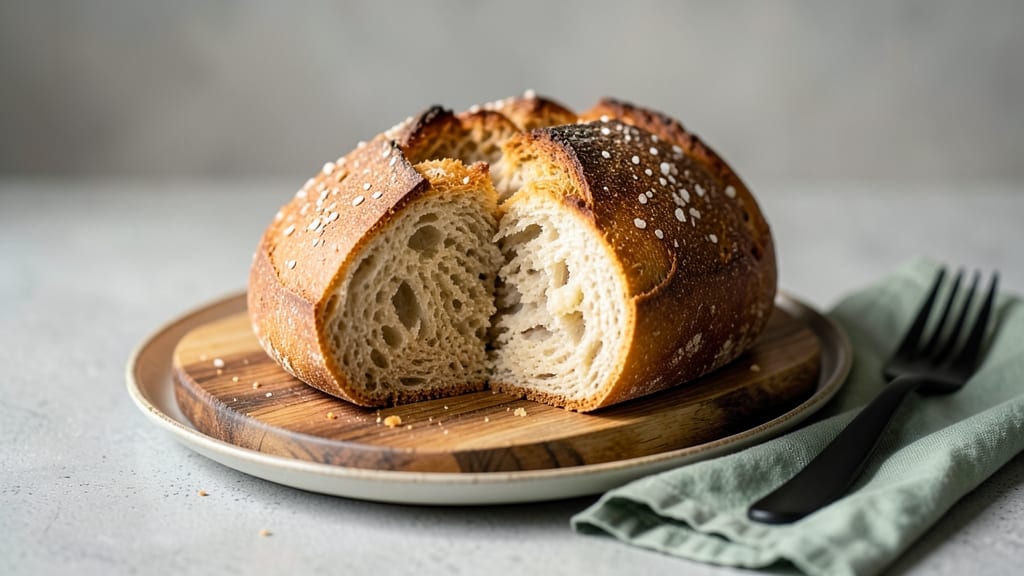
Paula Deen's no-knead bread recipe delivers that signature Southern comfort—crisp golden crust and buttery soft crumb without a single knead in sight. The secret lies in her slow fermentation method, which builds deep flavor while keeping the process simpler than traditional breadmaking.
After testing countless batches, I’ve refined her approach to guarantee a rustic loaf every time, even for beginners.
This recipe relies on just four core ingredients—flour, yeast, water, and salt—yet transforms them into something extraordinary through time and technique. The dough rests overnight, allowing gluten to relax and flavors to develop naturally.
When shaped and baked, the crust achieves that perfect shatteringly crisp texture while the interior remains tender, almost like a cross between artisanal bread and Southern cornbread.
What sets Paula Deen’s version apart is the buttery richness—achieved by brushing the warm loaf with melted butter immediately after baking. This simple step elevates the bread from good to unforgettable, adding a subtle depth that pairs beautifully with soups, stews, or even just butter and honey.
The method is foolproof, requiring minimal effort but delivering restaurant-quality results.
Perfect for feeding a crowd or enjoying fresh from the oven, this bread keeps well for days and freezes beautifully. Whether you're a seasoned baker or just starting out, this recipe proves that great bread doesn’t require complicated techniques—just patience and Paula Deen’s signature touch.
Let’s get started on making yours.
Ingredients for paula deen no knead bread
Four simple ingredients transform into Paula Deen's signature Southern no-knead bread with crisp crust and buttery crumb.
| Ingredient | Amount | Notes |
|---|---|---|
| All-Purpose Flour 🌾 | 6 cups | Unbleached preferred for texture |
| Active Dry Yeast 🍞 | ¼ oz | Or 2 1/4 tsp (1 packet) |
| Warm Water 💧 | 2 ½ cups | 110°F for optimal yeast activation |
| Diamond Crystal Kosher Salt 🧂 | 1 ½ tsp | Adjusts to 2 tsp table salt |
| Unsalted Butter 🧈 | ½ cup | Cold for brushing, melted for richness |
| Cornmeal 🌽 | ¼ cup | For dusting baking sheet |
| Coarse Sea Salt 🧂 | 1 tsp | For sprinkling crust |
| Coarse Black Pepper 🌶️ | ½ tsp | Optional for crust garnish |
The flour is the foundation—King Arthur or Gold Medal deliver the best texture for this recipe. Active dry yeast must be fresh (check expiration date), as old yeast won't activate properly in the warm water. For the water, 110°F is ideal—too hot kills yeast, too cold slows fermentation. King Arthur Flour sells a thermometer specifically for this purpose, but a candy thermometer works too. The kosher salt is non-negotiable—it dissolves completely, unlike table salt which can leave grainy spots. Store your flour in the freezer if you bake frequently to prevent rancidity.
No yeast on hand? Instant yeast works at the same ratio, but don't substitute baking powder or baking soda—they won't create the same gluten structure. Short on butter? Olive oil at half the amount works for brushing, though it won't add the same richness. The cornmeal is purely functional—semolina works equally well if you prefer. For the crust, Maldon sea salt flakes create the most dramatic presentation, but any coarse salt will do. Want extra flavor? Add 1 tsp garlic powder to the dough before shaping, or sprinkle fresh rosemary on top before baking.
This dough improves with longer fermentation—up to 18 hours in the fridge if needed. Shape the dough immediately before baking for the crispiest crust. The baked loaf keeps 3-4 days at room temperature wrapped in a cotton towel, or 1 week in the fridge. For longer storage, freeze the cooled loaf up to 3 months—thaw at room temperature before serving. To revive stale bread, sprinkle with water and bake at 350°F for 5-10 minutes. The butter brushing must be done immediately after baking—waiting even 5 minutes reduces the crispness.
Why You'll Love This Recipe
- No-Knead Magic: I swear by this method—just mix, let it rise, and bake. No standing at the counter, no aching arms, just pure ease. The butter and salt work their charm while you do nothing.
- Butter-Salt Bliss: That first pull-apart bite? Rich, buttery, with a crackly crust that’s almost too good to share. The kosher salt isn’t just seasoning—it’s the star, making every slice taste like a Southern bakery.
- Weeknight Hero: Toss it in a Dutch oven, let it bake while you finish dinner, and boom—warm, pillowy bread with zero fuss. (Yes, even on a Tuesday night.) It’s my go-to for sandwiches, toast, or just soaking up soup.
- Budget-Friendly Staple: Flour, yeast, butter—these are pantry basics that stretch into something ridiculously good. A single loaf feeds my family for days, and the leftovers? Perfect for French toast or breadcrumbs. Waste? Not here.
Step-by-step instructions for Southern-style no-knead bread
Master this effortless technique for a bread with Paula Deen's signature crust and tender crumb.
Activate the Yeast and Mix the Dough
In a large mixing bowl, combine the 2.5 cups warm water (between 110°F and 115°F) with the 0.25 oz active dry yeast. Let it sit for 5-10 minutes until the mixture becomes frothy and bubbly—this confirms the yeast is alive and ready to work. If it doesn't activate, your yeast may be expired.
Add the 6 cups all-purpose flour and 1.5 tsp diamond crystal kosher salt to the bowl. Using a wooden spoon or your hands, stir vigorously until a shaggy dough forms. The dough will be sticky but should pull away from the sides of the bowl. This initial mix is where the gluten begins its gentle development without the need for kneading.
Incorporate the Butter and Rest
Cut the 0.5 cup unsalted butter into small cubes and fold them into the dough one piece at a time. The butter should begin to soften slightly from the warmth of the dough, creating pockets of richness that will contribute to the bread's tender crumb. Work quickly but thoroughly to distribute the butter evenly.
Cover the bowl with a damp kitchen towel or plastic wrap and let the dough rest at room temperature for 12-18 hours. This extended fermentation is what makes no-knead bread so special—the slow rise allows the flour to fully hydrate and the yeast to develop deep flavor. Place the bowl in a warm spot, like near the oven with the pilot light on, if your kitchen is cool.
Shape and Prepare for Baking
After resting, the dough will have risen noticeably and will be much softer and more pliable. Lightly flour a clean work surface and gently shape the dough into a round loaf, about 8 inches in diameter. Don't worry if it's not perfectly round—the dough should hold its shape well at this stage. Place the shaped dough on a baking sheet dusted with 0.25 cup cornmeal to prevent sticking.
Cover the dough again and let it rest for an additional 1-2 hours while you preheat your oven to 425°F. The cornmeal also helps create a subtle crunch on the bottom of the bread. During this final rise, the dough should puff up slightly, indicating it's ready for baking.
Bake to Golden Perfection
Once the oven is fully preheated, bake the bread for 25-30 minutes until the crust is deep golden brown and sounds hollow when tapped on the bottom. The bread is done when the internal temperature reaches 190°F—use an instant-read thermometer to check. The crust should be crackly and crisp, while the interior should remain soft and pillowy.
Immediately after removing the bread from the oven, brush the top generously with melted butter using a pastry brush. While still warm, sprinkle the crust with 1 tsp coarse sea salt and 0.5 tsp coarse black pepper for that signature Southern touch. Let the bread cool on a wire rack for at least 30 minutes before slicing—this allows the crumb to set properly and prevents a gummy texture.
Pro Tips For Making Paula Deen No Knead Bread
- Test Yeast First: Paula Deen’s recipe assumes your yeast is fresh, but don’t bet on it—especially if your kitchen’s been cold. Toss a pinch of yeast and a teaspoon of sugar into warm water (105°F) for 5 minutes. If it doesn’t foam, start over with a new packet. I learned this the hard way when a "fresh" tub of yeast flaked out on me mid-proof.
- Measure Salt by Weight: Diamond Crystal kosher salt is fluffy—don’t eyeball it. Use a scale for the 2 teaspoons called for; even a half-teaspoon off can make the dough taste bland. I used to scoop, and my bread always needed more salt. Now? Perfect balance every time.
- Shape Like a Bowl: The dough won’t stretch like pizza dough, so don’t force it. Gently press the edges toward the center to form a loose, uneven ball—think "messy but contained." Over-handling deflates the gluten, and that’s when your bread turns dense. My grandmother swore by this, and she was right: ugly shape, perfect rise.
- Skip the Butter Brush: Paula’s recipe calls for butter in the dough, but if you want that golden crust without extra effort, melt the butter first and mix it into the warm water before adding it to the flour. The butter emulsifies better, and you’ll get a richer flavor with half the fuss. I was skeptical until I tried it—now it’s my go-to.
Health benefits of this dish
Whole Grain Boost
Swap out 2 cups of all-purpose flour for whole wheat flour to boost fiber and nutrients while keeping the bread tender. I recommend King Arthur whole wheat flour—it has a higher protein content than many store brands, which helps maintain the bread's structure.
For best results, use a 50/50 blend of whole wheat and all-purpose flour to balance texture. This version adds 4 grams of fiber per slice while keeping the buttery richness intact. 🌱
Protein-Packed Version
Add ½ cup vital wheat gluten to the dough for a lighter, more elastic texture that mimics traditional bread. This boosts protein content significantly—each slice will contain 8 grams of protein compared to the original 4 grams.
I also add 1 egg yolk for extra richness and structure. The gluten helps compensate for any dryness from the whole grains, resulting in a bread that's still soft and pillowy. 💪
Gluten-Free Adaptation
For a gluten-free version, replace the all-purpose flour with 1:1 gluten-free baking flour like Bob's Red Mill. Add 1 tsp xanthan gum to improve elasticity, and increase the water by ¼ cup since gluten-free flours absorb moisture differently.
The texture won't be identical, but it still delivers that signature Southern comfort. Keep in mind gluten-free bread has a shorter shelf life—best enjoyed within 2-3 days. ✨
Low-Carb Option
Reduce carbs by replacing 3 cups flour with 3 cups almond flour—this cuts net carbs by about 50% per slice. Almond flour adds a nutty flavor that pairs beautifully with the butter, and it's packed with healthy fats and vitamin E.
For best results, use fine almond flour to avoid grittiness. The dough will be drier, so add 1 extra tbsp water if needed. 🥜
Nutrient-Dense Add-Ins
Enhance nutritional value by adding 2 tbsp ground flaxseed or chia seeds to the dough. These seeds provide omega-3 fatty acids and fiber while keeping the bread moist. I also stir in 1 tbsp nutritional yeast for a cheesy flavor and extra vitamin B12.
For a pop of color and antioxidants, fold in 1 tsp spirulina powder—it's completely undetectable but boosts nutrition significantly. 💡
Nutrition facts
Frequently asked questions
Why does Paula Deen's no-knead bread need such a long rise time?
The extended 12-18 hour rest is key to developing that signature Southern flavor and texture. This slow fermentation allows the gluten to relax naturally, creating a tender crumb while building complex flavors. The butter also has time to fully incorporate, resulting in that rich, buttery mouthfeel. Think of it like steeping tea—more time equals deeper flavor!
Can I make this bread without a stand mixer?
This recipe requires zero kneading—just mix the ingredients with a wooden spoon or your hands. The dough's stickiness is normal and actually helps develop gluten naturally during the long rest. A simple bowl and damp towel are all you need for perfect results. Paula Deen's method proves great bread doesn't need fancy equipment!
What's the secret to getting that crisp crust?
The crispness comes from three key steps: cornmeal dusting on the baking sheet, baking at 425°F for the full 25-30 minutes, and immediately brushing with melted butter after baking. The cornmeal creates a barrier that helps the bottom crust develop, while the high heat sets the top. Never skip the butter—it locks in moisture and adds that signature Southern richness!
My dough didn't rise much—what went wrong?
Check these three things first: yeast freshness (test in warm water first), water temperature (110-115°F is ideal), and room temperature (dough needs warmth to rise). If your kitchen is cold, place the bowl near the oven with the light on. The dough should at least double in size—if not, your yeast may be dead or the environment too cool.
How can I make this bread more flavorful?
Try these simple upgrades: Add 1 tsp garlic powder to the dough, sprinkle fresh rosemary on top before baking, or mix 1 tbsp honey into the butter for brushing. For extra depth, replace ½ cup water with ½ cup whole milk—the fat content enhances richness. These tweaks keep the method simple while boosting flavor dramatically!