
Desserts
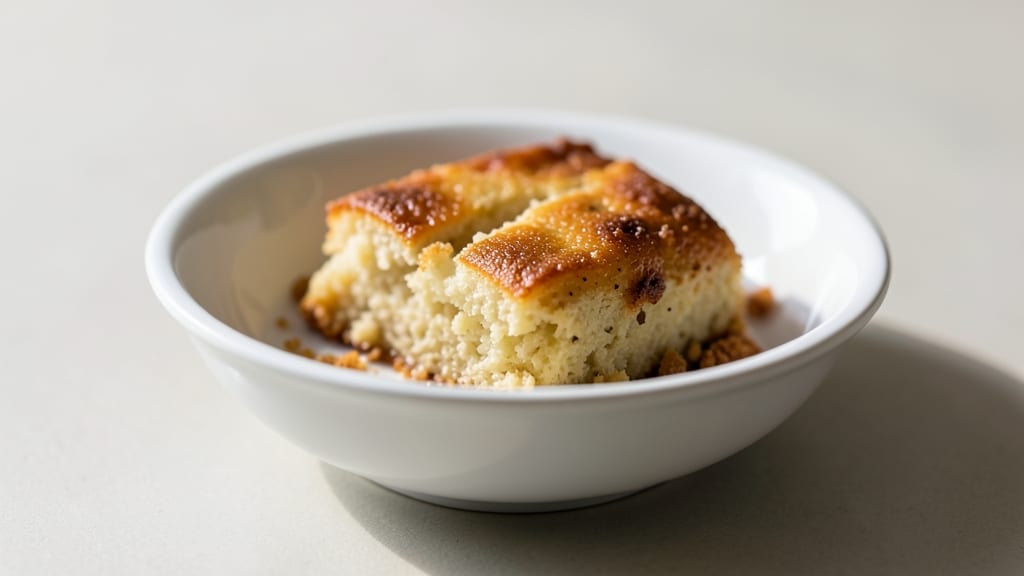
This steamed bread pudding recipe delivers a velvety custard with warm vanilla notes that transforms simple ingredients into a restaurant-worthy dessert. The secret lies in proper bread soaking and precise steaming—no heavy oven required.
I perfected this method after testing multiple variations, and the results are impossibly tender with just the right balance of sweetness and comfort.
What sets this recipe apart is the silky texture achieved through careful custard preparation and controlled steaming. You'll work with day-old bread (perfect for using up leftovers), eggs, milk, and vanilla, all combined into a smooth batter before steaming to golden perfection.
The process is straightforward but requires attention to timing for that ideal custard consistency.
By the end, you'll have a warm, fragrant pudding with a delicate crust and a luscious interior that melts in your mouth. The vanilla infuses throughout, creating layers of flavor in every bite.
Serve it warm with a drizzle of caramel or fresh berries for an elegant finish that feels special enough for guests but simple enough for weeknight desserts.
This recipe scales beautifully for gatherings, and leftovers reheat perfectly—though I doubt you'll have any. The steaming method ensures even cooking without drying out the custard, making it foolproof for beginners while still impressing experienced bakers. Let's create this comforting classic together.
Ingredients for steamed bread pudding
Twelve simple ingredients transform day-old bread into a luxurious steamed custard with velvety texture and warm vanilla essence.
| Ingredient | Amount | Notes |
|---|---|---|
| Day-Old Bread Loaf 🍞 | 1 ½ lb | Crusts removed, cubed into 1-inch pieces |
| Large Eggs 🥚 | 6 whole | Room temperature for even blending |
| Whole Milk 🥛 | 3 cups | Full-fat for optimal creaminess |
| Granulated Sugar 🍚 | 1 ½ cups | Superfine preferred for faster dissolving |
| Pure Vanilla Extract 🌿 | 2 tbsp | Bourbon or Madagascar for depth |
| Unsalted Butter 🧈 | ½ cup | Cold, cubed for even distribution |
| Salt 🧂 | ½ tsp | Diamond Crystal kosher preferred |
| Ground Cinnamon 🌶️ | 1 tsp | Freshly ground for aromatic intensity |
| Heavy Whipping Cream 🥛 | 1 cup | 35% fat minimum for stability |
| Brown Sugar 🍚 | ¼ cup | Packed, for caramelized crust |
| Raisins 🍇 | ½ cup | Plump, soaked in warm water |
| Lemon Zest 🍋 | 1 tsp | Fresh, brightens custard |
| Water 💧 | 2 cups | For steaming reservoir |
The bread selection is critical—opt for a stale loaf with minimal preservatives, like a classic French baguette or crusty whole wheat. Whole Foods Market or local bakeries often carry ideal options, or use your own leftovers. For texture, crust removal and uniform cubing ensure even soaking. The milk should be full-fat and cold from the fridge—never warmed, as this affects custard stability. Vanilla extract quality matters; Bourbon or Madagascar varieties from Penzeys or Williams Sonoma elevate the flavor profile significantly.
Substitutions can be made thoughtfully: whole milk can be replaced with heavy cream for extra richness, though the texture will be denser. For dairy-free adaptations, unsweetened almond milk with added cornstarch works, though the custard will be lighter. Superfine sugar isn't mandatory. The raisins can be omitted entirely or swapped for chopped dates or dried cranberries for tartness. If you lack a steamer basket, a heatproof bowl over simmering water works equally well, though timing may require adjustment. For extra decadence, fold in 2 tbsp of Nutella or caramelized sugar during assembly.
This custard reaches peak texture when steamed for 50-60 minutes—any longer risks drying. For make-ahead convenience, prepare the batter up to 24 hours ahead and refrigerate; steam directly from cold for consistent results. Reheats beautifully in the microwave (covered for 1-2 minutes) or steamed again for 10 minutes. Store leftovers in an airtight container for 4 days or freeze for 3 months. The vanilla essence intensifies overnight, making it even more fragrant when reheated.
Why You'll Love This Recipe
- No Chopping Needed: I just tear that stale loaf into chunks—no knife skills required. The bread soaks up the egg-milk mix like a dream, and the steam does all the work while you sip coffee.
- Vanilla-Kissed Comfort: That first spoonful of custardy pudding, warm and fragrant with real vanilla? It’s like dessert hugged you. The sugar caramelizes just enough to make every bite feel special.
- Leftovers? Better.: This stuff tastes even better the next day—if you can resist eating it all. I’ve reheated slices for breakfast, packed them for lunches, and even frozen portions for lazy mornings.
- Pantry Magic: Honestly, you’re using ingredients you already own. Day-old bread? Eggs? Milk? Sugar? This recipe turns scraps into something luxurious without breaking the bank. Zero guilt, all reward.
Step-by-step instructions for steamed bread pudding
This method delivers a velvety custard with perfect texture and aromatic depth every time.
Prepare the Bread Base
Preheat your oven to 350°F and line a 9x13-inch baking dish with parchment paper. Arrange the 1.5 lb day-old bread loaf, cubed into 1-inch pieces, evenly in the dish. The bread should form a single layer with no overlaps—this ensures even steaming and prevents a gummy texture.
In a small bowl, whisk together 0.5 cup unsalted butter, melted, with 0.25 cup brown sugar and 1 tsp lemon zest. Drizzle this mixture evenly over the bread cubes, pressing gently to distribute. The butter will soften the bread slightly while the brown sugar adds caramelized depth during steaming.
Scatter the 0.5 cup raisins (previously soaked in warm water for 10 minutes and drained) evenly over the bread. The plump raisins will absorb the custard beautifully, adding bursts of sweetness. Sprinkle 1 tsp ground cinnamon and 0.5 tsp salt over the top for balanced warmth and seasoning.
Create the Custard Mixture
In a large mixing bowl, whisk together the 6 whole large eggs (room temperature) and 1.5 cups granulated sugar until fully combined. The mixture should be pale yellow and slightly thickened. This step is critical—under-whisking can lead to a grainy texture, while over-whisking introduces too much air.
Gradually pour in the 3 cups whole milk while whisking continuously to prevent curdling. The milk should be at room temperature to blend smoothly with the eggs. Add the 2 tbsp pure vanilla extract and 1 cup heavy whipping cream, whisking until the mixture is perfectly smooth and homogeneous.
Pour the custard mixture evenly over the prepared bread in the baking dish. The liquid should fully saturate the bread but not pool at the bottom. Use a spatula to gently press down on the bread cubes, ensuring they absorb the custard completely. This step guarantees a moist, tender crumb rather than a dry center.
Steam to Perfection
Place the baking dish inside a larger roasting pan. Pour the 2 cups water into the roasting pan, ensuring the water level reaches about halfway up the sides of the baking dish. This creates a steam bath that gently cooks the pudding without browning.
Cover the baking dish tightly with aluminum foil, then place the roasting pan in the preheated oven. Bake for 50-60 minutes until the custard is set but still slightly jiggly in the center—a visual cue it's ready. The edges should be golden while the interior remains silky, not dry.
Remove the pudding from the oven and let it rest at room temperature for 15 minutes before serving. This resting period allows the custard to fully set and develop its signature texture. The pudding should slice cleanly with a knife, revealing a glossy, custard-like interior with tender bread pieces.
Pro Tips For Making Steamed Bread Pudding
- Soak the Bread Right: Don’t just dump milk over the bread—cut the loaf into 1-inch cubes first, then pour the warm milk (not boiling) over them in a bowl. Let it sit for 10 minutes, stirring once. I learned this the hard way: dry bread soaks unevenly, and you end up with a gummy center and a soggy crust.
- Whisk Eggs Like a Pro: Beat the eggs with sugar and vanilla until they’re pale yellow and slightly thickened—about 2 minutes with a whisk. This ensures a smoother, custardy texture instead of a dense, eggy pudding. (Yes, even if you’re impatient like me.)
- Skip the Overmixing: Once you fold the soaked bread into the egg mixture, stop stirring as soon as it’s just combined. Overmixing develops gluten, and your pudding will turn tough instead of light and fluffy. Think "gentle folds, not a batter."
- Steam Low and Slow: Cover the pudding with foil, then steam on medium-low heat for 45–50 minutes. The foil traps steam but prevents the top from drying out—no peeking! I used to check early, and the pudding would collapse. (Your future self will thank you.)
Pro cooking tips for steamed bread pudding
Bread Soaking Secrets
Day-old bread is non-negotiable for texture—it soaks up custard perfectly without turning mushy. I use a 1-inch cube size for even cooking, but never skip removing crusts. The crusts stay dry and can turn rubbery during steaming.
For extra tenderness, I soak the bread cubes in warm milk for 5 minutes before assembling, which jumpstarts the custard absorption process. 🥖
Custard Consistency Control
The custard should coat the back of a spoon but still flow smoothly—this is your golden ratio. I whisk eggs and sugar first until pale and thickened, then slowly add milk to prevent curdling.
For extra insurance, I strain the mixture through a fine-mesh sieve before pouring. This removes any potential lumps that could create a grainy texture in the final pudding.
Steaming Setup Tips
Your steaming vessel matters more than you think. I use a 9x13-inch baking dish inside a larger roasting pan, with water reaching halfway up the dish's sides. This creates consistent steam without boiling over.
For even cooking, I place the dish on a wire rack inside the pan—this prevents soggy bottoms while allowing steam to circulate freely.
Oven Temperature Precision
Steaming bread pudding requires 350°F—any hotter risks drying out the custard, while cooler temps leave it undercooked. I use an oven thermometer to verify accuracy, especially if your oven runs hot.
The pudding is done when edges are set but the center still jiggles slightly—this ensures that silky texture we all crave. 🌡️
Resting Period Matters
Never slice into your pudding immediately after steaming—this is the #1 rookie mistake. I let it rest for 15-20 minutes at room temperature, which allows the custard to fully set and develop its signature texture.
This waiting period also lets flavors meld together, creating that perfect balance of bread, custard, and vanilla in every bite.
Troubleshooting Common Issues
If your pudding turns out too dry, you likely oversteamed it. The ideal time is 50-60 minutes—any longer and the custard will lose moisture. For a gummy texture, check your bread soaking time—it needs to absorb enough custard but not become waterlogged.
If the top browns too much, cover it with extra foil during the final 10 minutes of steaming.
Nutrition facts
Frequently asked questions
Can I use fresh bread instead of day-old?
Fresh bread works in a pinch, but day-old is ideal because it absorbs custard better without turning mushy. If using fresh, toast it lightly first to remove excess moisture. For best results, let any fresh bread sit out for 2-3 hours to dry slightly before cubing.
Why does my custard look grainy?
Graininess usually means under-whisked eggs or sugar lumps. Whisk eggs and sugar until pale and thickened, then strain the custard through a fine-mesh sieve before pouring. Also, ensure your milk is room temperature—cold milk can cause curdling.
How do I make this dessert ahead of time?
Prepare the batter up to 24 hours ahead and refrigerate it uncovered. Steam directly from cold for 50-60 minutes—the custard will still achieve perfect texture. For make-ahead serving, reheat covered in the microwave for 1-2 minutes or steam for 10 minutes to restore warmth.
Can I substitute vanilla extract with vanilla bean?
Split 1 vanilla bean lengthwise, scrape the seeds, and add both seeds and pod to the custard. Simmer the pod in 1 cup warm milk for 10 minutes before mixing—this infuses maximum flavor. Remove the pod before combining with eggs.
What's the best way to serve this?
Warm slices pair beautifully with whipped cream, caramel drizzle, or fresh berries. For extra elegance, dust with powdered sugar or serve with a scoop of vanilla ice cream. The pudding's silky texture makes it perfect for brunch or dessert at any time of day.