
Side Dishes
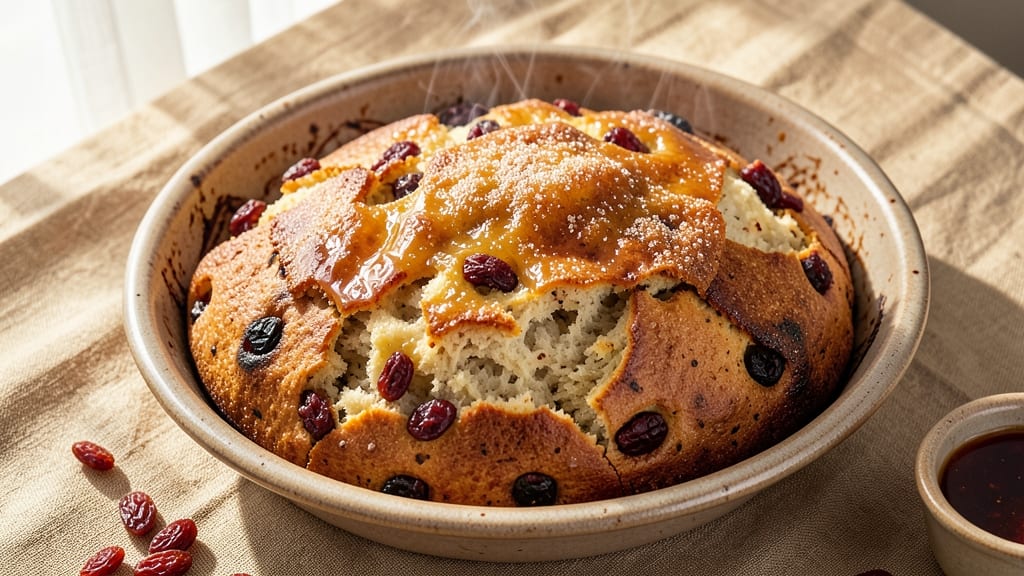
This Trinidad bread recipe brings the warm, spiced aroma of the Caribbean straight to your kitchen, where rum-infused dough transforms into a golden, caramelized loaf with a tender crumb.
The secret lies in the slow fermentation and precise baking technique that creates that signature fluffy texture and slightly sweet flavor—perfect for breakfast or dessert. I’ve perfected this version after years of testing, ensuring every slice delivers that authentic taste of home.
The dough begins with a simple yet flavorful mix of flour, sugar, and spices like cinnamon and nutmeg, elevated by a splash of spiced rum that infuses richness into every bite. Unlike quick breads, this recipe requires patience—fermenting overnight allows the gluten to relax and the flavors to develop fully.
The result? A loaf with a crisp, caramelized crust and a soft, pillowy interior that melts in your mouth.
What sets this apart is the optional glaze or frosting, which adds a glossy finish and extra sweetness. Whether you serve it plain, studded with raisins, or topped with a dusting of powdered sugar, this bread is a showstopper.
The aroma alone will have everyone gathering around the table, eager for their first taste of this Caribbean classic.
This recipe is perfect for special occasions or as a comforting daily treat—ideal for brunch, holidays, or whenever you crave something warm and inviting. Let’s get started on baking a loaf that tastes like a Caribbean vacation.
Ingredients for trinidad bread
Eight simple ingredients plus a splash of rum create this Caribbean-inspired loaf.
| Ingredient | Amount | Notes |
|---|---|---|
| All-Purpose Flour 🌾 | 5 cups | Sifted for light texture |
| Granulated Sugar 🍚 | 1 cup | Light brown sugar for depth |
| Unsalted Butter 🧈 | 1 cup | Cold, cubed for easier mixing |
| Spiced Rum 🍹 | ½ cup | Dark rum for authentic flavor |
| Large Eggs 🥚 | 2 whole | Room temperature for best blend |
| Milk 🥛 | 1 cup | Whole milk for richness |
| Ground Cinnamon 🍃 | 2 tsp | Freshly ground preferred |
| Ground Nutmeg 🌿 | 1 tsp | Freshly grated for warmth |
| Baking Powder 🍞 | 2 tsp | Freshly opened for lift |
| Salt 🧂 | ½ tsp | Fine sea salt |
| Vanilla Extract 🌸 | 1 tsp | Pure vanilla for aroma |
| Raisins 🍇 | 1 cup | Optional, soaked in rum |
| Powdered Sugar 🍚 | ½ cup | For optional glaze |
| Lemon Juice 🍋 | 1 tbsp | Freshly squeezed for glaze |
The spiced rum is non-negotiable—McCormick or Plantation are solid choices, but any dark rum works. If you're avoiding alcohol, swap it for extra milk and a splash of vanilla. The flour should be King Arthur or Gold Medal for that perfect texture. I always buy extra because it gets used fast. For the raisins, soak them in the rum for 10 minutes before adding to the dough—they plump up nicely and soak up that delicious flavor. The butter? Cold and cubed is key—don't let it melt in your hands.
No spiced rum? Apple cider or orange juice adds sweetness without alcohol, though it won't have the same depth. Swap brown sugar for white if you're watching carbs, but you'll lose that caramelized crust. The milk can be almond or oat milk if you're dairy-free, but whole milk gives the best texture. For the glaze, if you don't have lemon juice, orange zest plus a splash of water works in a pinch. The nutmeg is where you can get fancy—freshly grated from a nutmeg grater makes all the difference, but pre-ground is fine if that's what you've got.
This dough needs time—overnight fermentation is ideal, but at least 4 hours works too. Store it in the fridge wrapped tightly in plastic. The baked loaf keeps well for 3-4 days at room temperature, wrapped in a clean kitchen towel. Freeze slices for up to 3 months—just thaw at room temperature before serving. I always make two loaves—one for the table, one for toasting with butter the next morning.
Why You'll Love This Recipe
- No-Fuss Mix-In: This comes together faster than you can say "spiced rum." Just toss the dry ingredients, fold in the butter and eggs, pour into a pan—done. Honestly, the hardest part is waiting for it to bake.
- Golden Rum Glow: That spiced rum isn’t just for flavor—it infuses the bread with a warm, caramelized depth you won’t find in plain sugar bread. The edges get this buttery crackle while the inside stays soft, almost custardy.
- Breakfast to Dessert: I make a batch on Sundays and it disappears by Wednesday. Toast it for breakfast with jam, serve it with coffee, or cut it into squares for a quick dessert with whipped cream. (Yes, even on a Tuesday night.)
- Budget Baking Gold: A single batch costs less than takeout and feeds six. The butter and sugar stretch perfectly, and the rum adds luxury without breaking the bank. Plus, leftovers stay fresh for days—no sad, stale loaves here.
Step-by-step instructions for spiced rum-infused loaf
Here's how to create that signature Trinidad bread with a rum-soaked center and caramelized crust.
Prepare the Raisins and Infuse with Rum
In a small bowl, combine the 1 cup raisins with the 0.5 cup spiced rum. Let them soak for at least 30 minutes while you prepare the rest of the dough. This step ensures the raisins plump up and absorb that rich rum flavor. If you're short on time, you can microwave them for 15 seconds to speed up the process, but don't skip the soaking entirely—it makes a difference in texture.
After soaking, drain the raisins but reserve the rum-infused liquid. You'll use this later to add moisture and depth to your dough. The raisins should be soft but not mushy when you handle them. If they're still firm, give them another 5 minutes to soak.
Cream Butter and Sugar for Light Texture
In a large mixing bowl, combine the 1 cup unsalted butter (cold and cubed) with the 1 cup granulated sugar. Using an electric mixer on medium speed, beat for 3-4 minutes until the mixture becomes pale and fluffy. You'll see it nearly double in volume and leave clean streaks when you lift the beaters. This creaming process incorporates air, which helps create that tender crumb we're after.
Here's where it gets important: don't rush this step. The butter needs to emulsify with the sugar completely. If you skip this, your bread will be dense instead of light. I like to scrape down the sides of the bowl every minute to ensure everything gets incorporated evenly.
Add Eggs and Wet Ingredients
Add the 2 whole large eggs (room temperature) one at a time, mixing well after each addition. Then stir in the 1 cup milk, 1 tsp vanilla extract, and the reserved rum-infused liquid from the raisins. Mix until just combined—you shouldn't see any dry spots in the bowl. The batter should be smooth and slightly thick, like a thick pancake batter.
Now it's time for the dry ingredients. In a separate bowl, whisk together the 5 cups all-purpose flour, 2 tsp baking powder, 2 tsp ground cinnamon, 1 tsp ground nutmeg, and 0.5 tsp salt. Gradually add this to your wet mixture, mixing on low speed just until combined. Be careful not to overmix—the moment the flour disappears is when you stop mixing. Overmixing develops gluten, which can make your bread tough.
Fold in Raisins and Shape the Dough
Using a spatula, gently fold in the soaked raisins, trying to distribute them evenly throughout the dough. The dough will be sticky, so don't worry if it doesn't look perfect. Transfer it to a lightly greased 9x5-inch loaf pan. The dough should fill about 2/3 of the pan's height—it won't rise dramatically before baking.
Smooth the top of the dough with a wet spatula, then use a sharp knife to make a few shallow slashes across the top. This helps the bread expand as it bakes and gives it that classic rustic look. Place the pan in the refrigerator for 30 minutes to let the dough firm up slightly—this makes it easier to handle and prevents spillage during baking.
Bake to Golden Perfection
Preheat your oven to 350°F. Bake the bread for 50-55 minutes, or until a toothpick inserted into the center comes out clean. The edges should be deep golden brown, and the top should have a caramelized crust. If your oven runs hot, you might need to reduce the temperature to 325°F for the last 10 minutes to prevent over-browning.
For that signature Trinidad touch, here's what I do: about 10 minutes before the bread is done, mix the 0.5 cup powdered sugar with the 1 tbsp lemon juice to make a simple glaze. Brush this over the top of the hot bread as soon as you remove it from the oven. The heat will caramelize the sugar, giving you that beautiful glossy finish. Let the bread cool in the pan for 10 minutes before transferring to a wire rack to cool completely.
Pro Tips For Making Trinidad Bread
- Whisk Butter Until Pale: Trinidad bread’s signature flavor comes from that buttery, almost creamy texture—don’t just mix it in. Beat the softened butter and sugar together until the mixture turns a very light, almost white color (about 3-5 minutes with a hand mixer). I used to rush this, and the bread always tasted flat. This step guarantees a tender crumb and that signature richness.
- Toast Your Flour First: Spread your all-purpose flour on a baking sheet and toast it in a low oven (300°F/150°C) for 5-7 minutes before mixing. This dries out the flour slightly, preventing a gummy texture in the bread. (Yes, it sounds odd, but it makes a real difference—especially in humid kitchens.)
- Don’t Overmix the Dough: Once you add the eggs and rum, fold just until combined—stop when the dough clumps together. Overmixing develops gluten, and this bread should be tender, not chewy. I learned this after kneading aggressively and ending up with a dense, brick-like loaf. A few gentle folds are all it needs.
- Use Cold Eggs for Rum: Chill your eggs in the fridge for 10 minutes before adding them to the batter with the rum. Cold eggs blend more smoothly and prevent the butter from melting too fast, keeping the dough stable. (Trust me, this is the thing that saves you from a collapsed loaf mid-bake.)
Serving suggestions for leftovers
Morning Pairings
Serve warm slices of Trinidad bread with a pat of unsalted butter straight from the fridge for that classic Caribbean breakfast. I like to add a sprinkle of cinnamon and a drizzle of honey for extra sweetness.
For a heartier meal, pair it with scrambled eggs and crispy bacon—the rum-infused bread soaks up the egg yolks beautifully. 🍳
Afternoon Tea
This bread shines as an elegant afternoon tea option. Toast slices lightly and spread with clotted cream or whipped cream cheese, then top with fresh berries or sliced bananas.
For a Caribbean twist, add a dollop of condensed milk and a sprinkle of toasted coconut flakes. Serve with chamomile tea or spiced rum-infused coffee for a cozy vibe. ☕
Dessert Showstopper
Transform leftover slices into a decadent dessert by layering with vanilla ice cream and caramel sauce. For a no-bake option, soak slices in rum (or orange juice) and layer with whipped cream and dark chocolate shavings.
Dust with powdered sugar and serve chilled. This makes an impressive centerpiece for dinner parties or holiday gatherings. 🍰
Cultural Serving Traditions
In Trinidad, this bread is often served during Christmas alongside black cake and fruitcake. For a festive touch, brush the cooled loaf with molasses and sprinkle with crushed pineapple or coconut.
Another tradition is to serve it with hot chocolate or ginger tea during family gatherings. The rum-infused flavor pairs perfectly with these warm beverages. 🎄
Make-Ahead Gift Idea
Wrap slices in parchment paper and tie with twine for a thoughtful homemade gift. Include a small jar of spiced rum or honey on the side for dipping. This bread keeps well for 3-4 days at room temperature, making it perfect for holiday baskets or housewarming presents.
Your guests will appreciate the effort and delicious aroma. 🎁
Breakfast Sandwiches
Toast thick slices and layer with fried ham, cheddar cheese, and a fried egg for a Trinidad-style breakfast sandwich. For a vegetarian option, use avocado mash and smoked gouda.
The bread’s soft texture holds up perfectly to these fillings, making it a satisfying morning meal. Add hot sauce or sriracha for a kick of heat. 🌶️
Nutrition facts
Frequently asked questions
What makes this bread different from regular sweet bread?
The key difference is the overnight fermentation and spiced rum infusion, which creates a deeper, more complex flavor profile. The rum adds moisture and warmth, while the slow fermentation develops a lighter, airier crumb. Traditional sweet breads often use yeast and bake quickly, but this recipe focuses on natural fermentation for that signature Caribbean texture.
Can I substitute the spiced rum with something else?
Yes! For a non-alcoholic version, use apple cider or orange juice (add 1 tsp vanilla extract for depth). If you want to keep the alcohol but avoid rum, dark molasses or bourbon work too. Just reduce other liquids by 2 tbsp to maintain dough consistency. The rum's caramel notes are hard to replicate, but these alternatives still add sweetness and moisture.
Why does the dough need to ferment overnight?
Overnight fermentation breaks down gluten, creating a tender, fluffy crumb instead of a dense one. It also allows flavors to meld—especially the rum and spices—resulting in a more aromatic loaf. If you're short on time, ferment for at least 4 hours at room temperature, but don't skip it entirely: the texture and flavor will suffer. The cold fridge slows fermentation, which is ideal for flavor development.
How do I fix a dense or gummy bread?
Density usually means overmixing or underbaking. For next time, mix just until combined and avoid pressing the dough. If your loaf turns out gummy, it likely needs more baking—check the center with a toothpick. If it's still damp, bake 10-15 more minutes at 325°F. For immediate fixes, slice and toast lightly to crisp up the texture. A 350°F oven should give you that perfect caramelized crust.
Can I make this bread without raisins?
Skip the raisins for a plain loaf, or swap them for chopped dates, dried cranberries, or chocolate chips. If omitting fruit entirely, reduce the sugar by 2 tbsp to balance sweetness. The rum-infused liquid can still be used to moisten the dough—just measure it separately. The bread will still be delicious, just with a different texture and flavor profile.