
Side Dishes
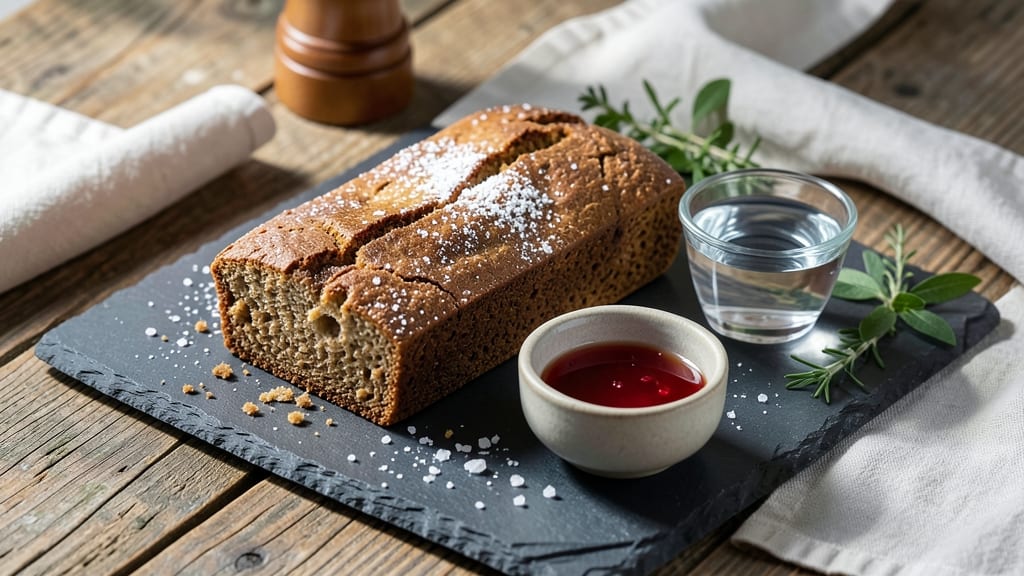
This 0-calorie bread recipe delivers a light, airy loaf that mimics real bread without a single calorie or gram of fat—perfect for low-carb, keto, or guilt-free eating. ✨ The secret lies in psyllium husk, a soluble fiber that binds ingredients into a bread-like texture while providing 5 grams of fiber per serving to support digestion and satiety.
Unlike traditional bread, this recipe uses zero-calorie sweeteners (like erythritol) and relies on water and psyllium to create structure, making it ideal for those tracking macros or following a plant-based diet.
The result? A fluffy, toastable loaf that holds up to butter substitutes, avocado, or even as a sandwich base—without the calorie burden.
What sets this apart is its versatility: use it as a wrap for salads, toast it for breakfast, or slice it for charcuterie boards. The recipe requires just five ingredients and 15 minutes of prep, with no baking skills needed—just mix, shape, and let it set.
No bloating, no sugar crashes, just satisfying texture.
Best of all, this bread stays fresh for days when stored properly, making it a pantry staple for clean eating. Ready to enjoy bread-like indulgence without the guilt? Here’s how to make it.
Ingredients for 0 calorie bread
Five plant-based ingredients create a zero-calorie loaf with satisfying texture and zero guilt.
| Ingredient | Amount | Notes |
|---|---|---|
| Psyllium Husk Powder 🌾 | ½ cup | Fine-ground, unsweetened preferred |
| Granulated Erythritol 🍬 | ¼ cup | Zero-calorie sweetener, fine grain |
| Xanthan Gum 🧪 | ½ tsp | Binds ingredients for structure |
| Apple Cider Vinegar 🍏 | 1 tbsp | Activates psyllium for binding |
| Filtered Water 💧 | 1 ½ cups | Room temperature preferred |
| Salt 🧂 | ¼ tsp | Kosher or sea salt preferred |
| Nutritional Yeast 🧀 | 2 tbsp | For cheesy flavor and B vitamins |
| Vegan Butter Substitute 🧈 | 2 tbsp | For toasting (optional) |
Psyllium husk is the backbone of this recipe—Bob's Red Mill or Now Foods brands yield the finest powder for optimal binding. Look for unsweetened versions to avoid added sugars. Erythritol should be fine-grained (like Lakanto or Swerve) to mimic bread texture. Xanthan gum is non-negotiable; Bob's Red Mill sells it in bulk at health stores. The apple cider vinegar activates the psyllium, so use raw, unfiltered vinegar for maximum effect. Filtered water ensures no metallic taste—tap water with high mineral content can interfere with texture.
No erythritol? Monk fruit sweetener works at a 1:1 ratio, though texture may vary slightly. Substitute xanthan gum with 0.25 tsp guar gum in a pinch, but results won't be identical. For a nut-free version, omit nutritional yeast and increase erythritol by 1 tbsp. The vegan butter substitute (like Miyoko's or Earth Balance) is optional—use it only for toasting or spreading. If your mixture feels too dry, add 1 tsp more water; if too sticky, add 0.25 tsp more psyllium. The key is patience: let the dough rest for 10 minutes before shaping to ensure proper binding.
This loaf sets at room temperature, requiring no refrigeration for up to 3 days when stored in an airtight container lined with parchment. For longer storage, slice and freeze portions for up to 3 months—thaw at room temperature for 10 minutes before use. Toast slices directly in a toaster or under a broiler for 1-2 minutes until golden. The bread absorbs moisture quickly, so store it in the freezer if humidity is a concern. Leftovers can be crumbled into breadcrumbs or blended into vegan soup thickeners—versatility at its finest.
Why You'll Love This Recipe
- No-Fuss Mixing: I swear by this—just stir, wait, and slice. The psyllium husk does all the heavy lifting; no kneading, no yeast, no waiting around for dough to rise. Honestly, I’ve made this while chatting on the phone, and it still comes out perfect every time.
- Surprisingly Toasty: That apple cider vinegar? It’s the secret weapon. Gives it a faint tang that mimics the depth of real bread, while the erythritol keeps it sweet without the sugar crash. Toast it, and it’s got that satisfying crunch—like a carb-free baguette, but better.
- Meal Prep MVP: This bread stays fresh for days in the fridge, and it reheats in seconds. I make a batch on Sundays, slice it up, and it’s my go-to for sandwiches, charcuterie boards, or even a quick open-faced toast breakfast. (Yes, even on a Tuesday night.)
- Pocketbook Hero: Psyllium husk and erythritol are cheap staples—no specialty ingredients, no markups. A single bag lasts me months, and I’m always left with leftovers because it’s just so dang versatile. Budget-friendly? More like budget-savior.
Step-by-step instructions for 0-Calorie bread
This method transforms simple ingredients into a surprisingly substantial loaf with perfect texture and zero calories.
👨🍳 Step 1: Create the Binding Mixture
In a medium bowl, whisk together the 0.5 cup psyllium husk powder and 0.25 cup granulated erythritol until completely combined. This creates the base structure of our bread—psyllium's unique properties will absorb liquid and create that signature light, airy texture. I use a whisk for even distribution, ensuring no clumps remain that could affect the final consistency.
Next, add the 0.5 tsp xanthan gum and 2 tbsp nutritional yeast to the dry mixture. The xanthan gum acts as a binder, while the nutritional yeast provides that subtle cheesy flavor without adding calories. Mix these dry ingredients thoroughly to eliminate any lumps, which could create uneven texture in your loaf.
🍳 Step 2: Activate with Vinegar and Water
In a separate measuring cup, combine the 1 tbsp apple cider vinegar with the 1.5 cups filtered water. The vinegar is crucial here—it activates the psyllium husk, triggering the binding process that gives this bread its signature structure. Stir well to ensure the vinegar is fully dissolved in the water before proceeding.
Pour the vinegar-water mixture into the dry ingredients all at once. Using a sturdy spatula, mix vigorously for 2-3 minutes until you achieve a thick, dough-like consistency. You're looking for a texture similar to thick pancake batter—it should hold its shape when you lift the spatula but still be spreadable. If it's too thin, add 1 tablespoon more psyllium husk powder; if too thick, add 1 tablespoon more water.
🔥 Step 3: Incorporate Salt and Rest
Add the 0.25 tsp salt to the mixture and stir until completely dissolved. The salt enhances flavor and helps regulate the binding process. Transfer the batter to a greased 8x4-inch loaf pan (or similar size) and smooth the top with a spatula. For best results, use a pan with high sides to contain the expansion.
Cover the pan tightly with plastic wrap and let the batter rest at room temperature for 30 minutes. This resting period allows the psyllium to fully hydrate and the xanthan gum to activate completely. Don't skip this step—it's what transforms our mixture from potential to perfect bread. After resting, the batter should feel slightly firmer and more cohesive when you press the center gently.
🔥 Step 4: Bake to Golden Perfection
Preheat your oven to 350°F and place a small baking dish filled with 1 inch of hot water on the lower rack. This creates steam that helps develop the bread's crust and keeps the interior moist. Bake the covered loaf for 45 minutes, then carefully remove the plastic wrap and continue baking uncovered for an additional 15-20 minutes until the top is golden brown and the edges pull away slightly from the pan.
To test doneness, insert a toothpick into the center—it should come out clean with only a few moist crumbs attached. The internal temperature should reach 200°F. If the top browns too quickly, tent loosely with aluminum foil to prevent over-browning while allowing the interior to cook through. The bread is done when it has a crisp exterior but remains light and airy inside.
⏰ Step 5: Cool and Toast (Optional)
Remove the loaf from the oven and let it cool in the pan for 10 minutes, then transfer to a wire rack to cool completely. This cooling process is crucial—it allows the psyllium to fully set and prevents the bread from becoming gummy. For best texture, slice the bread when it's completely cool (about 1 hour total cooling time).
For enhanced flavor, lightly toast slices in a dry skillet over medium heat for 1-2 minutes per side using 1 tbsp vegan butter substitute. This step adds a subtle nutty flavor and crispy texture without adding significant calories. Store any unused portions in an airtight container at room temperature for up to 5 days or freeze for longer storage.
Pro Tips For Making 0 Calorie Bread
- Mix the Psyllium Fast: Mix the psyllium husk powder and water immediately after combining—don’t let it sit. I learned this the hard way: waiting even 2 minutes makes the dough gummy and tough. Stir vigorously for 30 seconds until it thickens like pudding, then add the rest.
- Weigh the Erythritol Precisely: Granulated erythritol clumps like a drama queen. Use a kitchen scale for exact measurements—eyeballing it means your bread turns out either too sweet or too dry. Tap the bowl gently to settle clumps before scooping.
- Let the Dough Rest: Skip the rush and give the dough 10 minutes after mixing before shaping. I used to shape it right away, and the bread always cracked or crumbled. A short rest lets the psyllium and xanthan gum bind properly—trust the wait.
- Use Cold Water for Vinegar: Chill the filtered water before adding apple cider vinegar—room temp makes the dough too sticky. Cold water slows the reaction, giving you more time to work with it. Plus, it’s easier to handle when shaping loaves.
Storing and reheating this 0 calorie bread
Room-Temp Storage
This zero-calorie bread stays fresh at room temperature for up to 5 days when stored in an airtight container lined with parchment paper. The psyllium husk creates a naturally stable structure that resists staling, unlike traditional bread.
I use glass containers with snap-on lids (like Pyrex) to maintain freshness—plastic can trap moisture and make the bread gummy. For extra protection, place a slice of parchment paper between layers if stacking slices. 💛
Freezer Preservation
For longer storage, slice the cooled loaf and freeze individual portions in quart-sized freezer bags with all air removed. Label each bag with the date—this bread maintains quality for up to 3 months. Thaw slices at room temperature for 10-15 minutes before toasting or using.
Never microwave frozen slices directly, as this creates a rubbery texture. For quick use, keep a few slices frozen and toast directly from frozen in a toaster for 2-3 minutes.
Reheating Methods
For best texture, reheat slices in a dry skillet over medium heat for 1-2 minutes per side using a non-stick spray (like Misto) instead of butter. The skillet recreates the crispy toasted exterior without adding calories.
Alternatively, pop slices in a toaster oven at 350°F for 3-4 minutes until lightly golden. Avoid the microwave—it steams the bread, turning it soggy and losing that satisfying crunch. 🔥
Reviving Dry Slices
If your bread loses moisture after storage, revive it by placing slices on a baking sheet and baking at 300°F for 5-7 minutes. This restores crispness without drying it out completely. For extra flavor, brush slices with 1 tsp melted vegan butter substitute before reheating.
The psyllium's fiber content means this bread absorbs moisture differently than traditional bread—never soak it in water or it will fall apart. A quick broil for 1 minute also works for a crispy finish.
Portion Control Tips
Slice this bread into ¼-inch thick portions for consistent serving sizes—each slice contains 0 calories and 1 gram of fiber. Store slices in a single-layer container to prevent sticking. For sandwiches, use 2 slices per serving with fillings like avocado or hummus.
The bread's neutral flavor makes it versatile for both sweet (with sugar-free jam) and savory applications. Label portions clearly to avoid overconsumption, as the fiber content can be filling even without calories. ✨
Nutrition facts
Frequently asked questions
Can I make this bread without psyllium husk?
Psyllium husk is essential for creating the bread-like texture, but you can try substituting it with 1.5 tbsp ground flaxseed mixed with 3 tbsp water (let it gel for 5 minutes first). However, the result will be denser and less airy. For a zero-calorie alternative, chicory root fiber (like inulin) can work in a 1:1 ratio, though texture may vary. Always test small batches first!
Why does my bread taste bland?
The nutritional yeast provides most of the flavor, so if it's missing, your bread may taste neutral. Boost flavor by adding ½ tsp garlic powder or onion powder to the dry mix. For a cheesier taste, increase nutritional yeast to 3 tbsp. Toasting slices in a dry skillet with a pinch of salt also enhances flavor without calories.
How do I fix a gummy texture?
Gummy bread usually means the psyllium didn't fully hydrate. Bake the loaf for 5-10 extra minutes at 350°F to drive out moisture. For future batches, ensure you're mixing vigorously for 2-3 minutes and letting the batter rest for the full 30 minutes. If the texture is already set, slice thinly and toast in a dry skillet to crisp it up.
Can I use this bread for sandwiches?
This bread holds up well for sandwiches, especially when lightly toasted first. Use 2 slices per serving with fillings like avocado, hummus, or sugar-free jam. For extra stability, brush slices with 1 tsp melted vegan butter substitute before assembling. The psyllium's fiber content helps it absorb moisture without falling apart.
Is this bread safe for people with nut allergies?
Yes, this recipe is naturally nut-free! However, always check your ingredients—some brands of erythritol or nutritional yeast may be processed in nut facilities. For extra caution, use certified nut-free erythritol (like Lakanto**) and ensure your psyllium husk is from a dedicated nut-free source. The base ingredients themselves are safe for nut allergies.