
Desserts
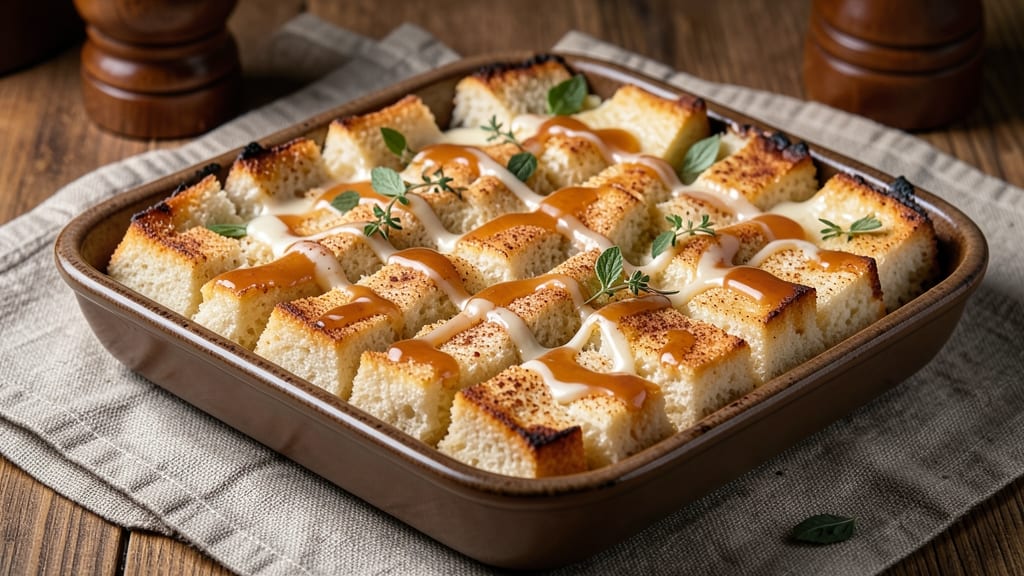
This American bread pudding recipe delivers the perfect balance of creamy custard and cinnamon-spiced crunch in every bite. The secret lies in soaking stale bread in a rich egg-milk mixture, then baking until golden and tender—no fancy techniques, just foolproof layers of comfort.
I’ve perfected this version to stay moist at the center while developing a crispy, caramelized crust that’s impossible to resist.
What sets this recipe apart is the cinnamon-infused batter, which infuses the bread with warm, aromatic notes while keeping the texture light and airy. The custard-like core melts in your mouth, while the edges achieve that coveted golden-brown finish.
It’s the kind of dessert that feels indulgent yet simple to prepare—ideal for feeding a crowd or satisfying a late-night craving.
By the time it emerges from the oven, your bread pudding will be rich, fragrant, and irresistibly gooey, with a crust that’s just crisp enough to contrast the creamy interior.
Serve it warm with a drizzle of vanilla caramel or a dusting of powdered sugar for that classic diner-style finish. The aroma alone will have everyone gathering in the kitchen, waiting for their slice.
Ready in just 45 minutes with minimal prep, this recipe transforms ordinary bread into a showstopping dessert. Whether you’re hosting a dinner party or craving a nostalgic treat, this version delivers restaurant-quality results without the fuss. Let’s get baking!
Ingredients for american bread pudding
Six ingredients transform stale bread into golden, gooey perfection with just cinnamon and patience.
| Ingredient | Amount | Notes |
|---|---|---|
| Stale White Bread 🍞 | 8 cups | Cubed, crusts removed for even baking |
| Large Eggs 🥚 | 6 whole | Room temperature for best mixing |
| Whole Milk 🥛 | 2 cups | Full-fat for rich custard texture |
| Granulated Sugar 🍚 | 1 cup | Light brown sugar adds caramel notes |
| Ground Cinnamon 🌿 | 2 tbsp | True Ceylon cinnamon preferred |
| Vanilla Extract 🍯 | 1 tbsp | Pure Madagascar vanilla for best flavor |
| Unsalted Butter 🧈 | ½ cup | Melted, full-fat for richness |
| Salt 🧂 | ½ tsp | Diamond Crystal preferred |
| Heavy Whipping Cream 🥛 | ½ cup | For extra creaminess in batter |
| Powdered Sugar 🍚 | ¼ cup | For dusting finished pudding |
| Chopped Walnuts 🥜 | ¼ cup | Optional topping for crunch |
| Vanilla Caramel Sauce 🍯 | ½ cup | For drizzling (optional) |
The bread is non-negotiable here—stale or day-old works best, but never fresh. I grab sourdough or brioche from the bakery section of Whole Foods when I want extra richness, but regular white bread from Kroger does the job just fine. Cube it uniformly—1.5-inch pieces—so it bakes evenly. The butter? Plugrá or Land O'Lakes work, but trust me on the full-fat version. For the cinnamon, Penzeys Spice Shop carries Ceylon, which has a sweeter, less bitter profile that pairs beautifully with the caramelized crust. If you're using vanilla extract, Madagascar bourbon vanilla adds depth that imitation can't match.
No vanilla extract? Vanilla bean paste works in a pinch, or scrape seeds from a vanilla bean. Short on milk? Evaporated milk at half the amount gives similar richness. The heavy cream is optional but worth it—it keeps the pudding ultra-moist. If you're feeling fancy, swap the powdered sugar topping for toasted coconut flakes or crushed gingersnaps. For the caramel sauce, Trader Joe's vanilla caramel sauce is my go-to—it's pre-made and foolproof. No caramel? A quick homemade version with butter, sugar, and cream takes 10 minutes.
Prep the bread cubes first—they absorb liquid fast. Store any unused batter in an airtight container for up to 24 hours in the fridge, but bake within 4 hours for best texture. The pudding reheats beautifully—just cover with foil and warm at 350°F for 10 minutes. For make-ahead magic, assemble the pudding in a baking dish, refrigerate overnight, then bake straight from the fridge (add 5-10 minutes to the baking time). Leftovers? They're rare, but if you have any, they keep for 3 days** in the fridge.
Why You'll Love This Recipe
- No Waste Magic: I swear by this trick—turning yesterday’s stale bread into something golden and crave-worthy. Just tear, soak, and bake; no fancy prep, no food guilt.
- Cinnamon-Sugar Hug: That warm, buttery bread soaking up the milk and eggs? Then the cinnamon dusting—it’s like dessert hugging you back. Simple spices, maximum cozy vibes.
- Crowd-Pleaser Anywhere: Breakfast for dinner? Dessert after a big meal? Works at brunch, potlucks, or when you’re feeding teenagers who’ll still ask for seconds. (Yes, even on a Tuesday night.)
- Budget Breakfast Win: Eggs, milk, bread, sugar—ingredients you already have. Cheaper than takeout, faster than ordering, and way more satisfying than cereal. My wallet thanks me.
Step-by-step instructions for American bread pudding
Here's how to transform stale bread into a rich, spiced custard with a perfect balance of crunch and creaminess.
Prepare the Bread Cubes
Cut the 8 cups stale white bread into 1-inch cubes, removing crusts for even baking. I like to use a serrated knife for clean cuts—this ensures consistent size so everything cooks uniformly. For extra flavor, I toss the cubes with 1 tablespoon vanilla extract and 1 cup granulated sugar in a large bowl, letting them sit for 5 minutes while I prep the custard mixture. This step infuses the bread with warm vanilla and caramel notes before baking.
The sugar will begin to dissolve slightly, creating a subtle sweetness that enhances the cinnamon flavor later. If your bread is particularly dry, you might want to add 1-2 tablespoons of whole milk to help bind the cubes together during baking. This prevents the pudding from becoming too crumbly.
Mix the Custard Base
In a separate large bowl, whisk together the 6 whole large eggs, 2 cups whole milk, 0.5 cup unsalted butter (melted), 0.5 cup heavy whipping cream, 2 tablespoons ground cinnamon, and 0.5 teaspoon salt until fully combined. I use a whisk for this step to ensure no lumps remain—especially important with the butter. The mixture should be smooth and slightly thick, like heavy cream.
Next, gently fold in the sugar-coated bread cubes using a silicone spatula. Be careful not to overmix—just enough to distribute the custard evenly. The bread should be thoroughly coated but still hold its shape. If the mixture seems too thick, add 1-2 tablespoons of whole milk to loosen it slightly. This ensures the bread cubes stay moist during baking.
Bake Until Golden and Set
Transfer the bread pudding mixture to a 9x13-inch baking dish (or similar size) and spread it evenly. Bake in a preheated 350°F oven for 45-55 minutes, until the top is golden brown and the edges are set. I check for doneness by inserting a toothpick into the center—it should come out clean or with just a few moist crumbs. The pudding should feel firm to the touch but still slightly jiggly in the center.
During the last 10 minutes of baking, I like to sprinkle the 0.25 cup chopped walnuts evenly over the top for added crunch. If you prefer a sweeter finish, you can also sprinkle 0.25 cup powdered sugar over the top during this time. The walnuts add a delightful texture contrast to the creamy custard.
Cool and Serve with Caramel Drizzle
Remove the bread pudding from the oven and let it cool for 10-15 minutes before serving. This resting period allows the custard to set slightly, making it easier to slice. While it cools, I warm the 0.5 cup vanilla caramel sauce in a small saucepan over low heat, stirring until smooth and pourable.
Slice the bread pudding into 6 equal servings (about 1-inch thick) and drizzle generously with the warm caramel sauce. The contrast of the warm, gooey caramel with the creamy, spiced custard is what makes this dish truly special. Serve immediately while still warm for the best texture and flavor experience.
Pro Tips For Making American Bread Pudding
- CUT BREAD UNIFORMLY: Grab a serrated knife and slice the stale bread into thick ½-inch pieces—no thinner, no thicker. I learned this the hard way: uneven slices mean uneven baking, and you’ll end up with some parts dry and others soggy. (Yes, even if you’re impatient like me, take the extra 2 minutes.)
- SOAK BREAD IN HOT MILK: Heat the milk to just below boiling (160°F) before pouring it over the bread. The heat opens the bread’s pores faster, so it absorbs the custard evenly instead of floating like a sad, dry raft. Skip this, and you’re fighting with your bread pudding the whole time.
- WHISK EGGS VIGOROUSLY: Beat the eggs and sugar until the mixture is thick and pale, like pale yellow paint. I used to rush this, and my pudding would turn out dense and gluey. A full 2–3 minutes with a whisk or electric mixer makes all the difference—no one wants a brick for dessert.
- BAKE UNTIL GOLDEN, NOT JUST SET: Pull the pudding out when the top is deep golden brown with a few crispy spots, not when it looks done. I was skeptical until I tried it: the extra 5–10 minutes in the oven (covered with foil if it browns too fast) gives that classic caramelized crust that makes the whole dish taste better. (Your future self will thank you.)
Troubleshooting this recipe
Dry Top Issues
If your bread pudding emerges from the oven dry or crumbly, the bread cubes likely absorbed too much liquid before baking. To fix this, reduce the milk to 1.5 cups and add 1 extra egg to the custard mixture.
This creates a thicker batter that binds the bread better. Also, ensure your bread cubes are 1-inch in size—smaller cubes dry out faster. 💡
Soggy Bottom
A soggy bottom happens when the pudding sits too long in a hot oven. Prevent this by baking on the middle rack of your oven and rotating the pan halfway through. If it’s already soggy, bake at 375°F for 5-10 minutes to crisp the bottom.
For future batches, try a water bath—place the baking dish inside a larger roasting pan filled with 1 inch of hot water—to ensure even heat distribution.
Uneven Baking
Uneven baking often stems from inconsistent bread cube sizes or an uneven spread in the pan. Use a 9x13-inch baking dish and press the bread cubes gently into the custard to eliminate air pockets.
For extra insurance, bake at 325°F for 50 minutes before increasing to 350°F for the final 10 minutes. This gradual approach prevents the top from browning too quickly while the center remains undercooked.
Custard Too Thin
A runny custard usually means the eggs weren’t fully incorporated or the batter was too loose. Whisk the eggs and milk until completely smooth, then fold in the bread cubes gently.
If the mixture still looks thin, add 1 tablespoon cornstarch mixed with 1 tablespoon cold water—this thickens the custard without altering flavor. Bake for 5-10 extra minutes to set the texture properly.
Burnt Top
A burnt top occurs when the oven runs hot or the pudding bakes too long. Cover the dish loosely with aluminum foil during the last 15 minutes of baking to protect the top.
For future batches, reduce the oven temperature to 325°F and monitor closely. If the top starts to brown too quickly, move the dish to the lower rack for more even heat distribution.
Lack of Cinnamon Flavor
If your pudding tastes bland, the cinnamon may not have infused properly. Toast the 2 tablespoons ground cinnamon in a dry skillet over medium heat for 1 minute to enhance its aroma before mixing into the custard.
For deeper flavor, add ½ teaspoon cinnamon directly to the bread cubes before soaking. True Ceylon cinnamon from Penzeys Spice Shop delivers a sweeter, more complex taste than regular ground cinnamon.
Nutrition facts
Frequently asked questions
Can I use fresh bread instead of stale bread?
Fresh bread works, but it won't give you that perfect custard texture. The moisture in fresh bread makes the pudding too soggy. If you must use it, let it sit uncovered for 1-2 hours to dry out slightly first. For best results, stick with day-old or stale bread—it absorbs the custard beautifully and creates that coveted crunchy crust.
How do I make this bread pudding extra creamy?
For a richer, creamier texture, add ½ cup sour cream or ½ cup mascarpone cheese to the custard mixture. You can also replace some of the milk with heavy cream or fold in 1 extra egg yolk. Whisk everything thoroughly to avoid lumps, and bake as directed. The result? A velvety, decadent pudding that melts in your mouth.
Can I prepare this ahead of time?
This bread pudding is perfect for make-ahead baking. Assemble the dish in your baking pan, cover it tightly with plastic wrap, and refrigerate for up to 24 hours. When ready to bake, simply pop it in the oven at 350°F for 50-60 minutes (add 5-10 extra minutes if it's cold). The chilled batter bakes through beautifully, and the flavors deepen overnight.
What’s the best way to reheat leftovers?
Leftovers reheat best in the oven. Cover the bread pudding with foil and warm at 350°F for 10-15 minutes until heated through. For a crispy top, uncover the last 2-3 minutes of reheating. Avoid the microwave—it makes the pudding rubbery. If you have slices, reheat them individually for 30-45 seconds on high, but they won’t be as crispy as oven-warmed portions.
Can I add other flavors besides cinnamon?
Yes! Swap cinnamon for 1 teaspoon pumpkin pie spice, ½ teaspoon nutmeg and ½ teaspoon allspice, or even 1 teaspoon espresso powder for a coffee twist. For fruit lovers, fold in ½ cup chopped apples or pears with the bread cubes. Just reduce the sugar slightly if using naturally sweet fruits. The key is balancing flavors—don’t overpower the bread’s natural taste!