
Side Dishes
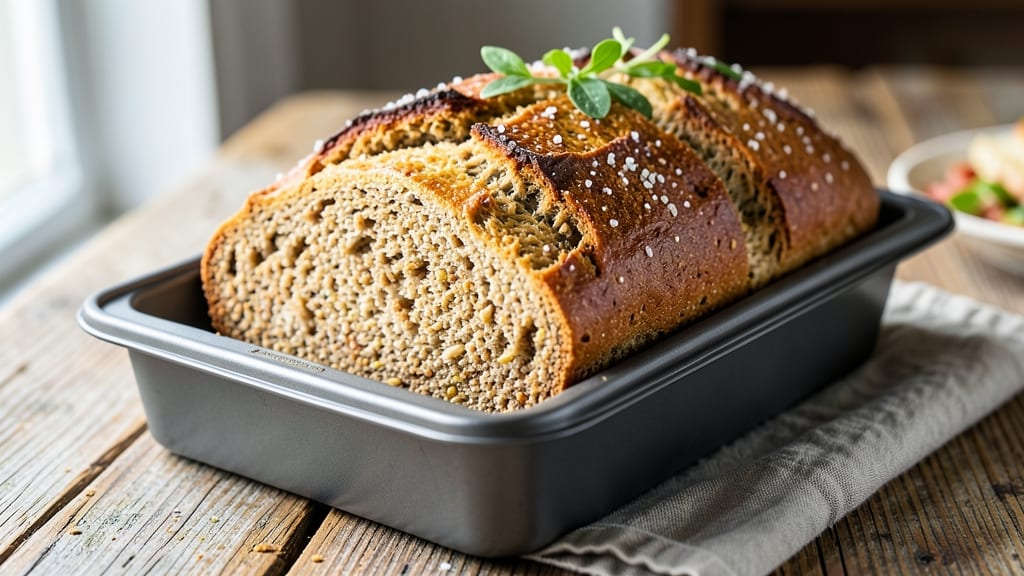
This 9-grain flour bread machine recipe delivers a nutty, artisanal loaf with a crisp crust and airy, chewy crumb—perfect for sandwiches or toast. The blend of whole grains creates rich flavor while maintaining a light texture, and the bread machine handles all the hard work for you.
I developed this recipe after testing various grain combinations to find the ideal balance of nutrition and taste.
The secret lies in the flour blend—mixing whole wheat, rye, and other grains adds depth without sacrificing tenderness. Using the bread machine’s dough setting ensures proper kneading and fermentation, while a short rise time prevents overproofing.
The result is a loaf with a golden, crackly crust and a crumb so light it practically melts in your mouth.
This recipe is ideal for beginners and experienced bakers alike, as the bread machine does most of the work. The nutty flavor pairs beautifully with soups, cheeses, or simply slathered with butter. Whether you’re baking for a family or meal prepping, this loaf will become a staple in your kitchen.
For extra flavor, consider adding seeds or herbs to the dough, or brush the crust with olive oil for added richness. The recipe also works well with gluten-free grain blends if needed. Let’s get started on your perfect loaf!
Ingredients for 9 grain flour bread machine
Nine flours, one machine, artisanal loaf—all your pantry staples plus a few specialty grains.
| Ingredient | Amount | Notes |
|---|---|---|
| Whole Wheat Flour 🌾 | 2 cups | Lightly packed for accurate measurement |
| Rye Flour 🌾 | 1 cup | Dark rye for nutty flavor |
| Spelt Flour 🌾 | ½ cup | Adds subtle sweetness |
| Oat Flour 🌾 | ½ cup | Blended from rolled oats |
| Buckwheat Flour 🌾 | ¼ cup | Rich, earthy flavor |
| Cornmeal 🌽 | ¼ cup | Fine grind preferred |
| Quinoa Flour 🌾 | ¼ cup | Protein boost |
| Millet Flour 🌾 | ¼ cup | Light texture |
| White Whole Wheat Flour 🌾 | ½ cup | Balances grain flavors |
| Active Dry Yeast 🍞 | ½ tsp | Freshly opened packet |
| Granulated Sugar 🍚 | 1 tbsp | Feeds yeast fermentation |
| Unsalted Butter 🧈 | ¼ cup | Softened to room temp |
| Large Eggs 🥚 | 1 whole | Room temperature |
| Warm Water 💧 | 1 ¼ cups | 110°F for yeast activation |
| Sea Salt 🧂 | 1 ½ tsp | Fine grain preferred |
| Olive Oil 🫒 | 1 tbsp | For crust brushing |
| Sesame Seeds 🌱 | 1 tbsp | Optional for topping |
The grain blend is where the magic happens. Bob's Red Mill carries all these flours individually or pre-mixed, but I usually grab them from the bulk bins at Whole Foods—cheaper and fresher. Look for whole grains labeled 'stone-ground' or '100% whole grain' for maximum nutrition. The buckwheat and rye are the flavor stars here, so don't skimp on those. If you can't find quinoa flour, blend your own quinoa in a food processor—it's worth the effort for that extra protein boost. For the yeast, always check the expiration date—old yeast won't activate properly, no matter how perfect your other ingredients are.
No rye flour? Substitute with extra whole wheat, but you'll lose that deep, earthy flavor. Running low on buckwheat? Swap for an extra 0.25 cup of oat flour—it's milder but keeps the texture light. The butter can be vegan if needed, but trust me on the full-fat version for that rich, tender crumb. For the water, if your kitchen's not warm enough, just microwave it for 20 seconds to hit that perfect 110°F range. And if you're feeling fancy, add a pinch of cinnamon to the dough—it pairs beautifully with the nutty grains.
This dough keeps for up to 3 days in the fridge, wrapped tightly in plastic. For longer storage, freeze the shaped loaf (unbaked) for up to 3 months
Why You'll Love This Recipe
- No-Knead Magic: I dump everything into the bread machine and forget about it. No sticky hands, no counter mess—just press start and let the machine do the work while I sip coffee or scroll through my phone. The whole wheat and rye blend gives it a satisfying heft without requiring my elbow grease.
- Earthy, Nutty Depth: That mix of buckwheat and spelt? It’s like a cozy hug in every bite—rich, slightly sweet, with a deep toasty flavor that sticks with you. Honestly, it’s the kind of bread that makes store-bought loaves taste sad by comparison.
- Weeknight Workhorse: I slice this for breakfast toast, pack it in lunchboxes, and even use it for sandwiches when I’m too tired to think. It’s my go-to for when I need something reliable that doesn’t skimp on nutrition or taste.
- Budget-Friendly Staple: Between us, this recipe stretches my grocery budget without sacrificing quality. Whole grains and oats are cheap, and a single loaf feeds us for days—leftovers toast just as well as fresh, and it freezes like a dream. No waste, all flavor.
Step-by-step instructions for 9-Grain flour bread machine recipe
Let's make bread that's packed with nutty flavor and perfect texture—your bread machine will do most of the work.
Mix the Flours and Prepare the Dough
In your bread machine pan, combine the 2 cups whole wheat flour, 1 cup rye flour, 0.5 cup spelt flour, 0.5 cup oat flour, 0.25 cup buckwheat flour, 0.25 cup cornmeal, 0.25 cup quinoa flour, and 0.25 cup millet flour. Give everything a quick stir to break up any lumps—this ensures even distribution of those nutty flavors throughout the loaf.
In a separate small bowl, whisk together the 0.5 tsp active dry yeast and 1 tbsp granulated sugar with the 1.25 cups warm water (about 110°F). Let this sit for 5 minutes until it becomes foamy—this tells you your yeast is alive and ready to work its magic. If it doesn't foam, your yeast might be old, and you'll need to start over.
Combine Wet Ingredients and Start the Cycle
Add the yeast mixture to the flour blend in the bread machine pan. Then stir in the 1.5 tsp sea salt, 0.25 cup softened butter, and 1 whole large egg. Use a wooden spoon to mix everything together until you have a shaggy, sticky dough. Don't worry if it looks messy—this is normal with whole grain flours.
Add the 1 tbsp olive oil to the dough and mix again until fully incorporated. The oil helps create a soft, chewy crumb and prevents the crust from drying out too quickly. Once everything is combined, close the bread machine lid and select your preferred cycle—usually the "Basic" or "Whole Wheat" setting works best for this recipe.
Let the Machine Work Its Magic
Let the bread machine do its thing. The kneading process should take about 5-10 minutes, and you'll see the dough rise dramatically in the pan. This is where the yeast activates and creates those air pockets that give bread its light, airy texture. If your machine has a window, watch as the dough grows and collapses a few times—this is completely normal and indicates active fermentation.
The baking cycle will typically take 3-4 hours, with the first hour dedicated to kneading and rising. You'll know it's ready when you hear the machine beep and smell that wonderful, nutty aroma wafting through your kitchen. The bread should have a deep golden-brown crust with a slight crack on top—this is your sign of success.
Finish with Optional Topping and Cooling
Once the cycle is complete, remove the bread from the pan and place it on a wire rack to cool for at least 30 minutes. I know it's tempting to slice into it immediately, but letting it cool prevents a gummy texture. While it cools, you can brush the top with a little more olive oil if you'd like an extra-shiny crust.
For that final touch, sprinkle the 1 tbsp sesame seeds evenly over the top of the warm bread. Press them down gently so they stick. The seeds add a delightful crunch and visual contrast to the soft, nutty crust. Once fully cooled, slice and serve—this bread is perfect for toast, sandwiches, or simply enjoying with butter.
Pro Tips For Making 9 Grain Flour Bread Machine
- Weigh Your Flours: I learned this the hard way—measuring cups with these dense flours just don’t cut it. Whole wheat and buckwheat especially pack differently. Use a kitchen scale for accuracy, especially when balancing the rye and spelt ratios—your bread’s texture depends on it.
- Pre-Soak the Buckwheat: That bitter buckwheat flour can dominate if you don’t tame it first. Mix it with the wet ingredients (or just water) and let it sit for 10 minutes before adding to the bread machine. Sounds weird, but it works—your final loaf will taste more harmonious, not harsh.
- Skip the Extra Yeast: Your bread machine’s settings already account for the density of whole grains. Adding extra yeast won’t speed things up—it’ll just make your loaf rise too fast and collapse. Trust the machine’s cycle, even if it feels slow.
- Add Honey or Oil: All those heavy flours (rye, oat) can make the dough dry and tough. Toss in 1 tablespoon of honey or neutral oil (like canola) with the wet ingredients. It keeps the crumb soft and prevents that brick-like texture you hate.
Creative variations of this 9 grain flour bread machine
Sweet & Spiced Twist
Add 1 tsp cinnamon and ½ tsp nutmeg to the flour blend for a subtle sweetness that pairs beautifully with the nutty grains. I also like adding ¼ cup chopped dried apricots or chopped walnuts during the final kneading stage—these get evenly distributed and add texture.
The spices work especially well with a honey butter spread. 🍯
Herb-Infused Crust
For a fragrant variation, mix 1 tbsp dried rosemary or thyme directly into the flour blend before starting. For fresh herbs, add 2 tbsp finely chopped fresh rosemary or thyme leaves during the final mixing stage.
These herbs infuse the crust with aromatic depth while keeping the crumb tender. Brush the baked loaf with garlic-infused olive oil for extra flavor. 🌿
Seeded & Nutty Boost
Increase the texture contrast by adding 2 tbsp sunflower seeds or pumpkin seeds to the dough during the final mixing stage. For extra richness, fold in ¼ cup chopped pecans or almonds.
These seeds and nuts not only add crunch but also enhance the bread's nutty profile. Sprinkle an additional 1 tbsp seeds on top before baking for a decorative finish. 🌰
Gluten-Free Adaptation
Swap the grain blend for a 1:1 gluten-free flour blend (like Bob's Red Mill Gluten-Free 1-to-1) and reduce the yeast to ¼ tsp—gluten-free doughs need less yeast. Add ½ tsp xanthan gum to improve texture.
The bread will be denser but still delicious, especially with a spread of almond butter. Always check your gluten-free flour's instructions for best results. 🌾
Savory Garlic & Herb
For a savory loaf, replace the sugar with 1 tbsp garlic powder and add 1 tbsp dried parsley or sage to the flour blend. Mix in 1 tbsp minced fresh garlic during the final kneading stage.
This version pairs perfectly with soups or hearty cheeses. Brush the baked loaf with olive oil and sprinkle with flaky sea salt for a restaurant-quality finish. 🧄
Whole Grain & Seed Topping
Before baking, sprinkle a mix of 1 tbsp sesame seeds, 1 tbsp flaxseeds, and 1 tbsp chia seeds on top of the dough. Press gently so they adhere. This topping adds a nutritional boost and a satisfying crunch.
For extra flavor, add a pinch of smoked paprika to the seed mix. The seeds also make the loaf look stunning when sliced. ✨
Nutrition facts
Frequently asked questions
Can I substitute any of the flours in this 9-grain blend?
For a milder flavor, replace buckwheat with 0.25 cup extra oat flour. If you're missing rye, use 0.5 cup whole wheat flour instead, but expect a slightly sweeter taste. Always maintain the 4.5 cups total flour measurement to keep the texture balanced.
Why does my bread machine dough look too sticky?
Whole grain flours absorb more moisture, making the dough extra sticky—this is normal! If it's too wet, add 1-2 tbsp extra flour during mixing. For a lighter texture, reduce by 1 tbsp water instead. The bread machine will adjust during kneading, so don't worry if it looks messy at first.
How do I know when the bread is fully baked?
Your bread is done when it's golden-brown with a crackly crust and sounds hollow when tapped on the bottom. The internal temperature should reach 190-200°F. If the crust browns too quickly, tent with foil during baking. For extra crispiness, brush with olive oil after baking.
Can I make this bread without a bread machine?
Yes! Shape the dough into a loaf, let it rise for 1-2 hours until doubled, then bake at 375°F for 30-35 minutes. For best results, use a Dutch oven to trap steam. The texture will be slightly denser than machine-made bread but still delicious.
How long will this bread stay fresh?
Store wrapped at room temperature for 3-4 days or freeze the baked loaf for up to 3 months. To revive stale bread, wrap in a damp towel and warm in a 300°F oven for 5-10 minutes**. The nutty flavors actually deepen slightly as it stales.