
Side Dishes
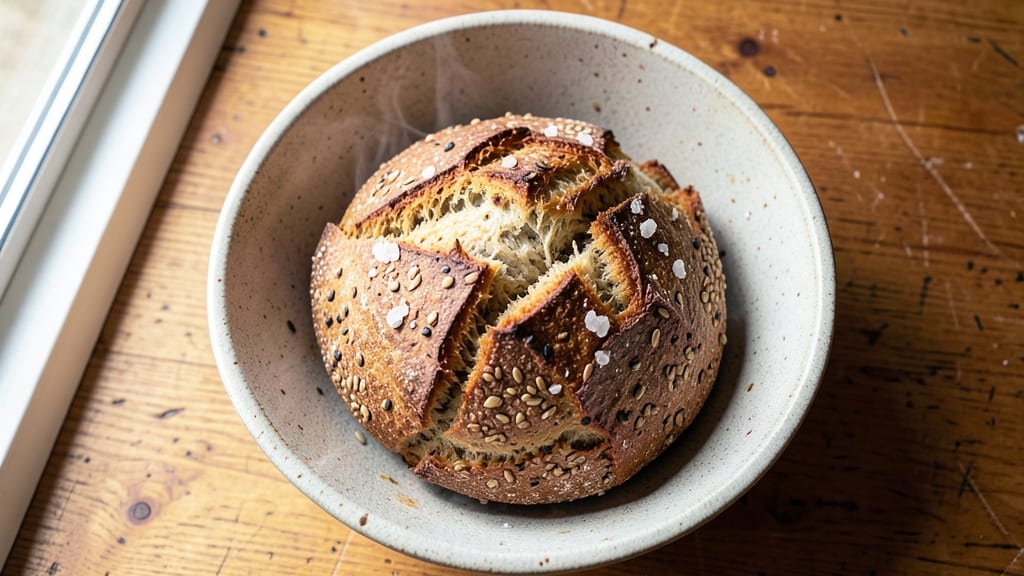
This 7-grain flour bread recipe delivers a nutrient-packed loaf with a crisp crust and open, airy crumb—perfect for health-conscious bakers who crave texture and flavor. The blend of whole grains creates a hearty, slightly dense yet tender loaf packed with fiber, protein, and complex carbohydrates.
I developed this recipe after searching for a bread that combined nutritional benefits with artisanal quality, and it consistently yields a loaf that's both satisfying and wholesome.
The secret to achieving that signature open crumb lies in proper hydration and gluten development. Unlike white flour breads, 7-grain flour requires careful handling to balance density and airiness.
We'll use a mix of whole grains, seeds, and a touch of vital wheat gluten to ensure the bread rises properly while maintaining its nutritious profile. This recipe also includes optional add-ins like flaxseeds or sunflower seeds for extra texture and nutrition.
What makes this bread truly special is its versatility—slice it for toast, use it for sandwiches, or serve it warm with olive oil and balsamic vinegar. The nutty, slightly sweet flavor profile pairs beautifully with soups, salads, or as a base for open-faced dishes.
Each batch delivers a loaf that's heartier than standard bread but still light enough to enjoy daily.
Ready in about 3 hours (including proofing), this bread requires patience but delivers restaurant-quality results at home. The process is straightforward once you understand the key techniques for handling whole-grain flour. Let's get started on creating your perfect loaf!
Ingredients for 7 grain flour bread
Six whole grains and two seeds create a hearty, nutritious loaf with restaurant-quality texture.
| Ingredient | Amount | Notes |
|---|---|---|
| Whole Wheat Flour 🌾 | 2 cups | High-protein for structure |
| Rye Flour 🌾 | 1 cup | Adds depth and density |
| Spelt Flour 🌾 | 1 cup | Lightens texture slightly |
| Oat Flour 🌾 | ½ cup | For chewiness and fiber |
| Buckwheat Flour 🌾 | ½ cup | Earthy flavor profile |
| Vital Wheat Gluten 🌾 | ¼ cup | Essential for proper rise |
| Ground Flaxseeds 🌱 | ¼ cup | Omega-3s and binding |
| Sunflower Seeds 🌻 | ¼ cup | Crunch and vitamin E |
| Active Dry Yeast 🍞 | 2 ¼ tsp | Fresh yeast preferred |
| Honey 🍯 | ¼ cup | Natural sweetener |
| Olive Oil 🫒 | ¼ cup | Extra-virgin for richness |
| Warm Water 💧 | 1 ½ cups | 105°F for activation |
| Salt 🧂 | 1 ½ tsp | Kosher or sea salt |
| Cornmeal 🌽 | ½ cup | For dusting loaf pan |
The flour blend is where the magic happens. Bob's Red Mill carries excellent pre-ground flours, but if you're grinding your own, look for certified organic grains. The buckwheat adds that signature earthiness—don't skip it. For the flaxseeds, Bob's Red Mill ground flaxseed is my go-to since it's pre-ground and ready to use. If you're using whole grains, toast them lightly in a dry pan first to enhance their flavors. The vital wheat gluten is non-negotiable—it's what gives this bread that signature open crumb. King Arthur sells it in small bags perfect for occasional bakers.
No buckwheat flour? Substitute with more rye or whole wheat, though the flavor will be slightly less complex. Running low on oat flour? Blend rolled oats into a fine powder—it's a 1:1 swap. The honey can be swapped for maple syrup at a 1:1 ratio, though it'll add a different depth of flavor. For the yeast, fresh yeast works best but instant yeast at half the amount will work in a pinch. If your kitchen runs hot, use lukewarm water (105°F)—too hot and you'll kill the yeast.
This dough is sticky—don't fight it. Use a stand mixer with the dough hook for 5 minutes to fully develop the gluten. For proofing, cover with a damp towel and place in a warm spot (like a turned-off oven with a bowl of hot water). The loaf keeps best in an airtight bag at room temperature for 3-4 days, or freeze for up to 3 months. For extra crispiness, slice and toast before serving—the contrast between the crisp crust and soft interior is unbeatable.
Why You'll Love This Recipe
- No-Fuss Mixing: I swear by this—just toss all five flours (whole wheat, rye, spelt, oat, buckwheat) into a bowl with water and yeast. No sifting, no measuring cups, no stress. The grains do the work for you once you knead it (or don’t, if you’re lazy like me).
- Earthy Depth: That first bite? Nutty, slightly sweet, with a chewy bite from the buckwheat and a deep, toasty warmth from the rye. It’s the kind of bread that makes store-bought loaves taste like cardboard.
- Meal Prep MVP: Slice it fresh, toast it later. Freeze half the batch for when you’re too tired to bake. Honestly, I keep a loaf in the fridge just for sandwiches—it’s my go-to for packed lunches or quick dinners with soup.
- Pantry Stretch: Between us, this recipe uses flours you might already have lurking in your cupboard. No fancy ingredients, just wholesome grains that cost less than half what you’d pay for artisanal bread. And it keeps for days without drying out.
Step-by-step instructions for 7 grain flour bread
This method ensures a dense, nutrient-packed crust with an open crumb structure through precise mixing and fermentation.
Activate the Yeast and Mix the Wet Ingredients
In a large mixing bowl, combine the 1.5 cups warm water (around 105°F) with the 2.25 teaspoons active dry yeast. Let this sit for 5-10 minutes until the mixture becomes frothy—this confirms the yeast is active. If it doesn't bubble, your yeast may be expired.
In a separate small bowl, whisk together the 0.25 cup honey, 0.25 cup olive oil, and 1.5 teaspoons salt. This mixture creates a balanced flavor foundation while preventing the honey from crystallizing during mixing. The olive oil also helps create a tender crumb in the final bread.
Combine Dry Ingredients and Form the Dough
Add all the dry ingredients to your mixing bowl in this order: 2 cups whole wheat flour, 1 cup rye flour, 1 cup spelt flour, 0.5 cup oat flour, 0.5 cup buckwheat flour, 0.25 cup vital wheat gluten, 0.25 cup ground flaxseeds, and 0.25 cup sunflower seeds. The gluten and flaxseeds are particularly important—they provide structure and binding that regular flour alone can't achieve.
Make a well in the center and pour in the yeast mixture and honey-oil-salt blend. Using a wooden spoon or dough whisk, gradually incorporate the dry ingredients into the wet until a shaggy dough forms. This step is crucial—the dense flours need time to hydrate properly. Let the dough rest for 10 minutes before kneading.
Knead Until Elastic and Smooth
Transfer the dough to a lightly floured surface and knead for 8-10 minutes until it becomes smooth and elastic. With these dense flours, the dough will be stickier than traditional bread dough, so wet your hands occasionally to prevent sticking. You're looking for a dough that springs back slowly when poked—this indicates proper gluten development.
Return the dough to the mixing bowl, cover with a damp towel, and let it rise in a warm place for 1-2 hours, or until it has doubled in size. The warm environment (around 75°F) helps activate the yeast. If your kitchen is cold, place the bowl on top of your oven with the light on for consistent warmth.
Shape and Proof the Loaf
Punch down the risen dough to release air, then shape it into a loaf. Lightly dust a 9x5-inch loaf pan with 0.5 cup cornmeal—this prevents sticking and adds a subtle crunch to the crust. Place the dough seam-side down in the pan and cover it again with a damp towel. Let it proof for another 30-45 minutes until it rises just above the pan's rim.
Preheat your oven to 375°F during the final proofing stage. The oven should be fully heated before baking begins—this ensures proper oven spring. For best results, bake the bread on the middle rack where heat circulates evenly.
Bake for Crispy Crust and Open Crumb
Bake the bread for 45-50 minutes until the top is deep golden brown and an instant-read thermometer inserted into the center reads 190-200°F. The dense flours mean this bread takes longer to bake than traditional bread—patience is key. The crust should be firm to the touch with a satisfying crackle.
Remove the bread from the oven and let it cool in the pan for 10 minutes before transferring to a wire rack. The internal temperature will continue rising as it cools, so don't be concerned if it reads slightly lower than 200°F when you remove it. For maximum flavor, slice the bread when it's completely cool—this allows the crumb to set properly.
Pro Tips For Making 7 Grain Flour Bread
- Mix the Buckwheat Last: Buckwheat flour absorbs moisture like a sponge and can turn your dough into glue. Wait until the last 30 seconds of mixing to add it—this keeps the texture workable and prevents a gummy loaf. (Yes, even if you’re impatient like me.)
- Pre-Ferment the Rye: Rye flour’s heavy weight drags down structure, so hydrate it first. Mix 1 cup rye with 1 cup warm water and let sit for 30 minutes before combining with other flours—this lightens the dough and makes kneading (or lack thereof) far easier.
- Steam the First 15 Minutes: The oat and spelt flours in this blend bake faster than whole wheat, so trap steam in the oven. Place a metal tray with boiling water on the lower rack for the first 15 minutes—this prevents a dense, dry crust and gives the loaf a proper rise.
- Skip the Over-Kneading: This isn’t your grandma’s white bread—overworking the dough with all those dense flours will toughen it. Mix until just combined (about 5–7 minutes by hand), then let the gluten relax during the bulk ferment. Your bread will stay tender, not chewy.
Creative variations of this recipe
Herbal Infusions
Add 1 tablespoon fresh rosemary or 2 teaspoons dried lavender to the dough for an aromatic twist. Rosemary pairs beautifully with the earthy buckwheat, while lavender adds a delicate floral note that surprises guests.
For a stronger herbal presence, steep ½ cup chamomile tea in ½ cup warm water (cooled to 105°F) and replace half the water in the recipe. The tea infuses subtle floral complexity without overpowering the grain flavors. 🌿
Seed Boost Variations
Swap out sunflower seeds for pumpkin seeds or chia seeds—both add extra crunch and omega-3s. For a nutty crunch, fold in ½ cup toasted walnuts or pecans during the final kneading stage.
I recommend lightly toasting seeds in a dry skillet for 3-4 minutes before adding to enhance their flavor. These additions work best when combined with 1 tablespoon extra olive oil to prevent dryness in the final loaf.
Sweet Additions
For a lightly sweetened loaf, stir in ¼ cup dried cranberries or ½ cup chopped dates during the final kneading. The natural sweetness complements the honey and balances the earthy grains. If using dates, soak them in warm water for 10 minutes to soften before adding.
For a cinnamon-spiced variation, add 1 teaspoon cinnamon and ½ teaspoon cardamom to the dry ingredients—this works especially well with the buckwheat's natural sweetness.
Savory Twists
Transform this into a savory loaf by replacing honey with 2 tablespoons Dijon mustard and adding 1 teaspoon smoked paprika to the dry ingredients. This creates a perfect base for sandwiches with sharp cheeses like aged cheddar or blue cheese.
For a Mediterranean-inspired version, fold in ¼ cup chopped kalamata olives and 1 teaspoon dried oregano during the final kneading stage. The olives add briny contrast that cuts through the richness of the grains.
Gluten-Free Adaptation
To make this bread gluten-free, replace the vital wheat gluten with ½ cup gluten-free all-purpose flour (like Bob's Red Mill 1:1 blend) and reduce the whole wheat flour by ½ cup. Add 1 teaspoon xanthan gum to improve elasticity.
Note that the texture will be denser, but it'll still deliver that signature open crumb. For best results, use a gluten-free bread pan and increase baking time by 10-15 minutes. The flavor remains rich and nutty, though slightly less chewy. 🌱
Regional Flavor Profiles
For a Scandinavian-inspired version, swap buckwheat for barley flour and add 1 teaspoon caraway seeds to the dry ingredients. This creates a hearty loaf perfect for open-faced sandwiches with smoked fish.
In Southern Italian style, replace honey with ¼ cup tomato paste and add 1 teaspoon dried basil—this works beautifully with antipasto platters. For a Middle Eastern twist, add 1 teaspoon ground cumin and ½ teaspoon coriander to the dry mix, then fold in ¼ cup dried apricots** during kneading.
The spices complement the grains' earthiness while adding warm, exotic notes.
Nutrition facts
Frequently asked questions
Why does my 7-grain bread turn out dense instead of light?
Whole grain flours absorb more moisture and have less gluten than white flour, so proper kneading and proofing are key. Use a stand mixer for 8-10 minutes to fully develop gluten, and ensure your yeast is fresh (it should bubble within 5-10 minutes in warm water). The dough should double in size during the first rise—if it doesn't, your yeast may be inactive or the kitchen too cold.
Can I substitute any of the flours in this recipe?
Yes, but adjust ratios carefully. For example, swap ½ cup buckwheat for ½ cup rye to reduce earthiness, or replace ½ cup oat flour with ½ cup spelt flour for a lighter texture. Avoid removing all buckwheat—it adds critical structure and flavor. If substituting, reduce other flours by the same amount to maintain hydration balance.
How do I store this bread to keep it fresh longer?
Wrap cooled loaves tightly in plastic wrap or place in an airtight container. Store at room temperature for 3-4 days or freeze for up to 3 months. For extra crispiness, slice and toast before serving. The dense grains help retain moisture better than white bread, but toasting revives texture. Avoid refrigerating—it dries out the crumb faster.
What's the best way to reheat sliced 7-grain bread?
For toast: Use a toaster or toaster oven at 375°F for 2-3 minutes until golden and crisp. For sandwiches: Warm slices in a dry skillet over medium heat for 1-2 minutes per side until lightly browned. Microwaving works in a pinch (10-15 seconds), but it won't restore crispness—always finish with a quick toast if possible.
Can I make this bread without a stand mixer?
Knead by hand on a lightly floured surface for 10-12 minutes, using the "fold and press" method. Wet your hands frequently to prevent sticking, and work the dough vigorously to develop gluten. The extra effort ensures that dense flours create a lighter crumb. For best results, let the dough rest 5 minutes between kneading sessions to relax the gluten.