
Side Dishes
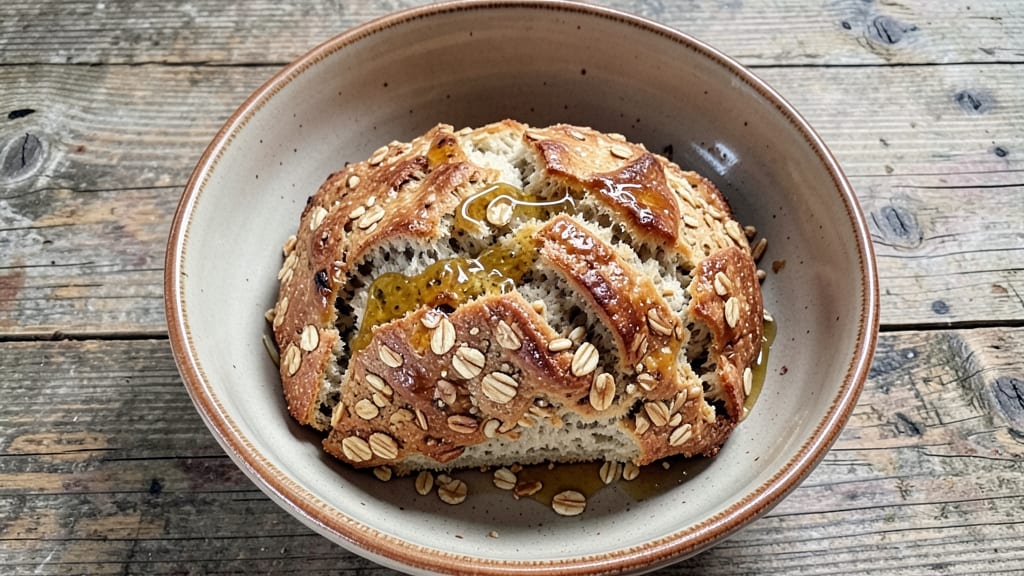
This 9-grain honey oat bread recipe delivers a fermented loaf with a crisp golden crust and tender crumb infused with nutty oats and subtle honey sweetness. The secret lies in blending whole grains for depth while balancing fermentation time to develop complex flavors without overpowering the natural taste. I've perfected this recipe through multiple test bakes, ensuring the crust stays shatteringly crisp while the interior remains moist and flavorful.
The beauty of this recipe is its versatility—it works as a hearty breakfast companion, sandwich bread, or even toasted with butter. The 9-grain blend (including oats, wheat, and rye) adds texture and nutrition, while the honey contributes just enough sweetness to complement the nutty undertones.
Fermentation enhances digestibility and flavor, making this bread both satisfying and wholesome.
By the time you pull it from the oven, you'll have a loaf with a crisp, caramelized crust and an open crumb structure that's perfect for soaking up soups or spreading with jam.
The honey-infused dough develops a subtle sweetness that pairs beautifully with savory toppings, while the grains provide satisfying chewiness in every bite.
This recipe yields one large loaf, perfect for feeding a family or storing for up to a week in an airtight container. For best results, let the bread cool completely before slicing to maintain its crisp texture.
The fermentation process also makes this bread naturally easier to digest—ideal for those with sensitive stomachs.
Ingredients for 9 grain honey oat bread
Nine grains, one loaf of golden perfection—this bread transforms simple pantry staples into artisanal magic.
| Ingredient | Amount | Notes |
|---|---|---|
| Old-Fashioned Rolled Oats 🌾 | 2 cups | Steel-cut oats preferred for texture |
| Whole Wheat Flour 🌾 | 3 cups | Unbleached for better flavor |
| Rye Flour 🌾 | 1 cup | Light rye for subtle sweetness |
| Spelt Flour 🌾 | ½ cup | Adds nutty depth to crumb |
| Honey 🍯 | ½ cup | Raw honey for natural sweetness |
| Active Dry Yeast 🍞 | 2 ¼ tsp | Or 1 packet instant yeast |
| Warm Water 💧 | 1 ½ cups | 105-110°F for ideal activation |
| Unsalted Butter 🧈 | ½ cup | Cold, cubed for easier mixing |
| Sea Salt 🧂 | 1 ½ tsp | Diamond Crystal preferred |
| Flaxseed Meal 🌱 | ¼ cup | For added nutrition and binding |
| Apple Cider Vinegar 🍏 | 1 tbsp | Enhances fermentation and flavor |
| Sesame Seeds 🌻 | 2 tbsp | For decorative crust topping |
| Poppy Seeds 🌿 | 1 tbsp | Optional for extra crunch |
The 9-grain blend is where the magic happens—Bob's Red Mill rolled oats and King Arthur whole wheat flour create that perfect chewy texture, while light rye adds subtle sweetness without overpowering. For the flours, unbleached is key—it keeps the flavor pure and avoids that metallic aftertaste. If you're feeling adventurous, swap the spelt for barley flour (same amount) for a deeper maltiness. Honey? Local raw honey is ideal—it crystallizes beautifully and adds floral notes that pair perfectly with the grains. Store your flours in airtight containers to keep them fresh; glass jars with tight lids work best. And don't skip the apple cider vinegar—it's non-negotiable for that perfect tang and helps develop the bread's crust.
No whole wheat flour? Substitute with white whole wheat at the same amount—it's lighter but still nutty. Running low on rye? Buckwheat flour works in a pinch (use half the amount, as it's stronger). The flaxseed meal can be swapped for chia seeds (same quantity), though flax gives a slightly nuttier flavor. For the honey, maple syrup works in a bind—just reduce by one tablespoon since it's thicker. And if you're avoiding gluten, Bob's Red Mill 1:1 baking flour can replace the wheat/rye/spelt blend, though texture will differ. The sesame and poppy seeds? Toast them lightly in a dry pan for 30 seconds before sprinkling—they'll add an extra layer of flavor that makes this bread feel restaurant-quality.
This dough needs time—let it ferment overnight for maximum flavor development. Store the shaped loaf in a bread bag or towel-lined basket to maintain moisture, and it'll keep for 3-4 days at room temperature. For longer storage, freeze the baked loaf (wrapped tightly in foil) for up to 3 months—just thaw at room temperature before slicing. Pro tip: Toast slices straight from the freezer for a crispy, warm breakfast. The crust stays crisp for about 24 hours after baking, but if it softens, just pop it back in a 350°F oven for 5-10 minutes to revive it. And if you bake a second loaf? Freeze half the dough before shaping—perfect for lazy mornings.
Why You'll Love This Recipe
- No-Fuss Mix-In: I just toss the oats, flours, and honey into my mixer—no sifting, no measuring cups, just a quick dump-and-go. The dough comes together faster than my coffee brews, and honestly? That’s saying something when I’m running late.
- Honey-Rich Depth: The honey isn’t just sweet—it’s alive in your mouth, cutting through the earthy rye and nutty spelt like a warm hug. First bite? You’ll swear it’s been baking all day, even if it’s ready in 45 minutes.
- Weeknight Workhorse: Toast it for breakfast, slice it for sandwiches, or pack it for lunch—this bread does it all without judgment. My kids grab it for school, and I throw it in my bag for work. (Yes, even on a Tuesday night.)
- Budget-Friendly Staple: I buy oats and whole grains in bulk, and this recipe stretches them into a loaf that lasts forever. Freeze slices for toast later, or use day-old bread for croutons. Waste? None. Savings? All mine.
Step-by-step instructions for 9-Grain honey oat bread
Here's how to craft this rich, fermented loaf with layers of nutty complexity and golden crust.
Activate the Yeast and Prepare the Sourdough Starter
In a large mixing bowl, combine the 1.5 cups warm water with the 2.25 tsp active dry yeast and 1 tbsp apple cider vinegar. Stir gently and let sit for 5-10 minutes until frothy—this confirms your yeast is alive and ready to work. Here's the thing: the vinegar enhances fermentation, giving your bread that signature tangy depth.
In a separate bowl, whisk together the 2 cups old-fashioned rolled oats with 0.25 cup flaxseed meal and 1.5 tsp sea salt. This oat mixture will form the base of your dough's texture, adding chewiness and heartiness. The flaxseed meal acts as a natural binder, ensuring your bread holds together beautifully during baking.
Mix the Wet and Dry Ingredients
To the yeast mixture, add the 0.5 cup honey and mix until fully dissolved. This sweetener not only feeds the yeast but also contributes to the bread's subtle caramel notes. Now, gradually add the 3 cups whole wheat flour, 1 cup rye flour, and 0.5 cup spelt flour, mixing just until combined. Don't overwork the dough at this stage—you're aiming for a shaggy, sticky consistency.
Cut in the 0.5 cup cold unsalted butter using a pastry cutter or your fingers, working it into the dough until it resembles coarse crumbs. The butter will create pockets of moisture and richness, resulting in a tender crumb. If the dough feels too dry, add 1-2 tablespoons warm water to help bring it together.
Knead and Ferment for Depth of Flavor
Transfer the dough to a lightly floured surface and knead for 8-10 minutes until smooth and elastic. You'll know it's ready when it springs back slowly when poked. This kneading develops gluten, which gives your bread its structure and chew. For best results, use a stand mixer with a dough hook on medium speed for 5-6 minutes if you prefer less manual work.
Place the dough in a lightly greased bowl, cover with a damp towel, and let it rise in a warm place for 1.5-2 hours, or until it has doubled in size. The warmth encourages fermentation, which builds flavor and texture. I like to place my bowl in a slightly turned-off oven with a cup of boiling water on the bottom rack—this creates a perfect fermentation environment.
Shape and Proof for Maximum Rise
Once the dough has risen, punch it down gently to release air, then shape it into a loaf. For a rustic look, simply form it into an oval; for a classic boules shape, roll it under your palms while rotating the dough. Place the shaped loaf in a greased 9x5-inch loaf pan or a Dutch oven if you're aiming for a crispy crust.
Cover the loaf again and let it proof for another 45-60 minutes, until it has risen about 1 inch above the rim of the pan. This second rise ensures your bread has that light, airy texture. Preheat your oven to 375°F during the final 15 minutes of proofing—this jumpstarts the baking process and helps create a crispy crust.
Bake to Golden Perfection
Bake the loaf for 45-50 minutes until the top is deep golden brown and sounds hollow when tapped on the bottom. The honey will caramelize beautifully, giving your bread that irresistible sweetness. If the top browns too quickly, tent the loaf with aluminum foil to prevent over-browning while it finishes baking.
Remove the bread from the oven and let it cool in the pan for 10 minutes, then transfer to a wire rack. Once cooled, brush the top with a little melted butter and sprinkle with 2 tbsp sesame seeds and 1 tbsp poppy seeds for that decorative, crunchy finish. The seeds not only look stunning but add a delightful textural contrast to each slice.
Pro Tips For Making 9 Grain Honey Oat Bread
- Toast Your Oats First: Skip the soggy texture—lightly toast the rolled oats in a dry pan over medium heat for 5-7 minutes until fragrant and golden. This deepens their flavor and prevents them from turning into mush during baking. (Yes, even if you're impatient like me, don’t rush this—it’s the thing that makes the crumb actually interesting.)
- Mix Flours Separately: Whole wheat, rye, and spelt flour all behave differently when hydrated. Combine the whole wheat and spelt first, then add the rye last—this keeps the dough from getting too sticky too fast. I learned this the hard way after wrestling with a dough that refused to come together.
- Don’t Overmix the Honey: Once you add the honey, mix just until the dough holds together. Overworking it turns the bread dense and chewy. Think "rough but cohesive," not "smooth and elastic." (Your future self will thank you when the crumb stays light.)
- Use a Damp Towel for Proofing: This bread loves humidity. Cover the shaped loaf with a damp kitchen towel while proofing to prevent a dry crust. I was skeptical until I tried it—now it’s non-negotiable for a crispy exterior without sacrificing moisture inside. (No, your oven’s light won’t work as well.)
Best sauces and condiments for 9 grain honey oat bread
Honey Butter Glaze
This simple glaze takes your bread to the next level—mix 2 tablespoons melted butter with 1 tablespoon honey and a pinch of sea salt. Brush it warm over freshly baked slices while still on the wire rack.
The butter melts into the crust, creating a caramelized finish that enhances the bread's natural sweetness. 🍯 For extra richness, add ½ teaspoon cinnamon to the glaze for a fall-inspired twist.
Whole Grain Mustard Spread
Combine ¼ cup whole grain mustard with 2 tablespoons olive oil, 1 tablespoon honey, and 1 teaspoon Dijon mustard for a tangy spread that pairs perfectly with this bread. The mustard's sharpness cuts through the honey's sweetness while complementing the nutty grains.
Serve on toasted slices with smoked salmon or avocado for a balanced flavor profile. Store in an airtight container for up to 5 days in the refrigerator.
Spiced Nut Butter
Blend ½ cup almond butter with 1 teaspoon honey, ¼ teaspoon ground cinnamon, and a pinch of cayenne pepper for a warm, spiced spread. The nut butter's creaminess contrasts beautifully with the bread's chewy texture.
Spread generously on toasted slices and top with sliced banana or apple for a hearty breakfast option. For extra crunch, sprinkle with toasted pecans before serving.
Herbed Olive Oil Drizzle
Infuse ¼ cup extra-virgin olive oil with 1 teaspoon fresh rosemary, 1 teaspoon fresh thyme, and 1 garlic clove (lightly crushed) by heating gently for 5 minutes. Strain and drizzle over warm bread slices for a fragrant, savory finish.
This pairing works exceptionally well with charcuterie boards or as a base for open-faced sandwiches. Store the infused oil in a sealed jar for up to 1 week in the fridge.
Sweetened Yogurt Dip
Mix ½ cup Greek yogurt with 1 tablespoon honey, ½ teaspoon vanilla extract, and a pinch of cardamom for a creamy, lightly sweet dip. The yogurt's tang balances the bread's honey notes, while the cardamom adds an aromatic depth.
Serve with fresh berries or sliced peaches for a refreshing contrast. This dip keeps well for 3 days in the refrigerator, making it perfect for meal prep.
Smoky Chipotle Cream Cheese
Blend 4 oz cream cheese with 1 teaspoon adobo sauce (from canned chipotles), ½ teaspoon honey, and a pinch of smoked paprika until smooth. The smoky, slightly sweet spread adds a bold contrast to the bread's nutty flavors.
Spread on toasted slices and top with sliced avocado or pickled onions for a savory-sweet combination. Store in an airtight container for up to 5 days in the refrigerator.
Nutrition facts
Frequently asked questions
Why does this bread use 9 different grains?
Each grain brings unique texture and flavor—oats add chewiness, rye contributes subtle sweetness, and spelt deepens the nutty notes. The blend creates complexity while keeping the bread digestible. Whole grains also boost fiber and nutrition compared to white flour breads.
Can I make this bread without honey?
Yes! Substitute with 0.4 cups maple syrup or 0.5 cups agave for similar sweetness. For vegan versions, use 0.5 cups coconut sugar dissolved in warm water. The honey adds natural fermentation but isn't essential for structure.
How do I know when the dough is properly kneaded?
The dough should be smooth and elastic, springing back slowly when poked. Test by doing the "windowpane test"—stretch a small piece until it's translucent like a window. If it tears instead, knead 2-3 more minutes. Over-kneading can make the bread tough.
Why does my bread taste bland?
Under-fermentation is likely—try extending the first rise to 2-3 hours next time. Also check your honey (raw adds more flavor than processed) and salt (Diamond Crystal measures differently than table salt). For extra depth, add 1 tsp molasses to the dough.
Can I bake this in a Dutch oven for a crustier loaf?
Shape the dough into a boule, place in a cold Dutch oven, then bake at 450°F for 20 minutes before reducing to 375°F for 30-35 minutes. The Dutch oven traps steam, creating a thick, crackly crust while keeping the crumb tender.