
Side Dishes
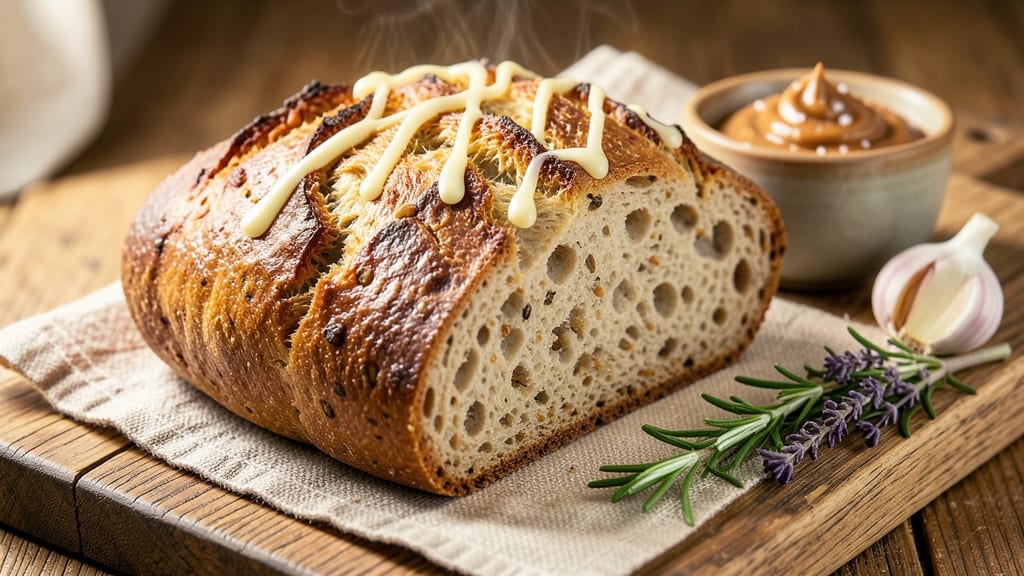
This 50 whole wheat sourdough bread recipe delivers the perfect balance of nutty depth and airy texture—no shortcuts, just fermented magic. The key lies in a robust starter and precise kneading, transforming dense whole wheat flour into a loaf with a crisp crust and tender crumb.
I developed this after years of experimenting with whole grain sourdough, where most recipes either turn gummy or lack flavor. That’s why I focus on hydration control and extended fermentation—critical for whole wheat’s unique challenges.
The process begins with your active starter, which adds complexity and digestibility to the whole wheat flour. Unlike white flour loaves, this version requires extra attention to gluten development during kneading—about 10 minutes by hand—to prevent a dense crumb.
Once shaped and proofed, baking in a preheated Dutch oven creates that coveted oven spring and crisp shell. The result? A loaf with golden crust, open crumb structure, and a nutty aroma that lingers long after slicing.
What makes this recipe work is the 50% whole wheat substitution, which adds fiber and nutrients without compromising texture. The long fermentation (up to 12 hours) breaks down phytic acid, making the nutrients more bioavailable—a bonus for health-conscious bakers.
Optional add-ins like flaxseeds or rosemary can enhance flavor further, but the base recipe stands strong on its own. This is bread that satisfies both the palate and the soul of artisanal baking.
Perfect for breakfast toast, sandwiches, or serving alongside soups, this loaf keeps well for 5-7 days when wrapped properly. The recipe scales easily for larger batches, making it ideal for gifting or meal prep.
Ready to master the art of whole wheat sourdough? Let’s begin with the starter—your foundation for success.
Ingredients for 50 whole wheat sourdough bread
The foundation of this 50% whole wheat sourdough lies in precise ingredient ratios and fermentation mastery.
| Ingredient | Amount | Notes |
|---|---|---|
| Active Sourdough Starter 🍞 | ½ cup | 100% hydration, bubbly and active |
| Bread Flour 🌾 | 2 cups | High-protein for structure |
| Whole Wheat Flour 🌾 | 2 cups | King Arthur preferred |
| Granulated Sugar 🍚 | ½ cup | White or organic cane |
| Unsalted Butter 🧈 | ½ cup | Cold, cubed, full-fat |
| Large Eggs 🥚 | 2 whole | Room temperature |
| Instant Yeast 🍄 | ¼ tsp | Bread-specific preferred |
| Diamond Crystal Kosher Salt 🧂 | 2 tsp | Fine grain preferred |
| Cold Water 💧 | 1 ½ cups | Filtered, room temperature |
| Flaxseeds 🌰 | 2 tbsp | Optional, for nutrition |
| Rosemary Sprigs 🌿 | 2 whole | Optional, for aroma |
| Cornmeal 🌽 | ¼ cup | For dusting Dutch oven |
The flours are the heart of this recipe—King Arthur whole wheat and bread flour create the perfect balance of structure and nutty flavor. Source your whole wheat from a reputable mill like Bob's Red Mill for consistent results, as cheaper brands often contain higher ash content that can inhibit gluten development. The 50% substitution requires extra hydration control; avoid pre-mixed whole wheat blends that often contain added stabilizers. For the starter, maintain a 100% hydration ratio (equal parts flour and water) and feed it daily with organic rye flour for depth. If your starter isn't active enough, try a 24-hour feeding cycle before using—it should float in water and exhibit visible bubbles.
Substitutions must account for whole wheat's unique properties. Need to reduce whole wheat? Swap 25% at a time for white whole wheat flour to maintain structure. Instant yeast can be omitted entirely if relying solely on your starter, but add 1 extra hour to bulk fermentation. For the butter, vegetable shortening works in a pinch (though texture will differ), and coconut oil provides a neutral alternative. The optional flaxseeds can be replaced with chia seeds at the same ratio, while dried rosemary (1 tsp) substitutes for fresh sprigs. Diamond Crystal kosher salt is preferred here—it dissolves more easily than table salt, which can create uneven flavor distribution in the dough.
Proper storage begins with the starter—keep it refrigerated between feedings in an airtight jar with a loose lid to allow gas escape. The dough itself can be refrigerated for up to 24 hours before shaping, which enhances flavor development. Once baked, this loaf maintains freshness for 5-7 days when wrapped in beeswax wrap or a bread bag to prevent staling. For longer storage, slice and freeze portions for up to 3 months—reheat slices in a 350°F oven for 5 minutes to restore crispness. The Dutch oven should be preheated for 60 minutes before baking to ensure proper oven spring, and always dust with cornmeal (not flour) to prevent sticking during proofing.
Why You'll Love This Recipe
- No-Knead Magic: I swear by this—just mix the whole wheat flour, bread flour, and active starter, let it rest overnight, then shape and bake. The dough practically does the work for you, and that tangy depth from the starter makes it taste like you slaved over it.
- Nutty Rich Crust: That crispy, caramelized crust? It’s all thanks to the butter and sugar working their magic in the oven. Honestly, the first time I bit into it, I thought, "This is the kind of bread I’d pay extra for at a bakery." (Yes, even on a Tuesday night.)
- Weeknight Workhorse: This bread handles everything—sandwiches for lunch, toast with jam, or even as a base for French toast. I’ve used the leftovers for three days straight without getting tired of it, and the whole wheat keeps it satisfying instead of heavy.
- Budget-Friendly Staple: Whole wheat flour and bread flour are affordable, and a single batch stretches for a week. Between us, I’ve made this so often I’ve forgotten what store-bought bread costs. The butter adds richness, but you can cut it in half if needed—it’ll still taste like a treat.
Step-by-step instructions for 50% whole wheat sourdough bread
Mastering this recipe transforms your kitchen into a bakery—where fermentation meets texture perfection.
Prepare the Sourdough Dough with Precision
In a stand mixer fitted with the dough hook, combine the 0.5 cup active sourdough starter, 2 cups bread flour, 2 cups whole wheat flour, 0.5 cup granulated sugar, 2 tsp diamond crystal kosher salt, and 1.5 cups cold water. Mix on low speed for 2 minutes until a shaggy dough forms. This initial hydration creates the foundation for gluten development.
Add the 2 whole large eggs and 0.25 tsp instant yeast, then increase speed to medium and knead for 8-10 minutes until the dough is smooth, elastic, and pulls away from the sides of the bowl. The dough should be slightly tacky but not sticky—this indicates proper gluten formation. If it's too wet, add 1 tbsp bread flour; if too dry, add 1 tsp cold water.
Transfer the dough to a lightly oiled bowl, cover with a damp kitchen towel, and let it rise at 75°F for 1-2 hours until it has doubled in size. The dough should feel light and springy when pressed gently. This fermentation step develops flavor and structure—don't rush it.
Incorporate Flaxseeds and Rosemary for Depth
Remove the risen dough from the bowl and place it on a lightly floured surface. Gently press down to deflate it slightly, then fold in the 2 tbsp flaxseeds and 2 whole rosemary sprigs (finely chopped if preferred). Distribute them evenly throughout the dough by hand, ensuring no clumps remain. The flaxseeds add nutritional value while the rosemary infuses subtle herbal notes.
Shape the dough into a round loaf by pulling the edges toward the center and sealing the seam. Place it seam-side up in a 0.25 cup cornmeal-dusted Dutch oven. The cornmeal prevents sticking and creates a crispy crust. Cover the Dutch oven with a towel and let the dough proof for another 30-45 minutes until it rises 50% above the rim.
Bake for a Crusty, Nutty Loaf
Preheat your oven to 450°F with the Dutch oven inside for 30 minutes—this ensures even heat distribution. Carefully remove the Dutch oven and bake the bread for 25 minutes. The bread is ready when the crust is a deep golden brown and sounds hollow when tapped on the bottom.
For extra browning, transfer the loaf to a baking sheet and broil for 2-3 minutes until the crust reaches your desired darkness. The internal temperature should read 190-200°F at the center. This high heat creates the signature sourdough crust while keeping the interior moist and tender.
Cool and Slice for Maximum Flavor
Remove the bread from the Dutch oven and place it on a wire rack to cool completely for at least 1 hour. This resting period allows the gluten to relax and the crumb to set, preventing a gummy texture. The bread should develop a crisp exterior and a soft, open crumb with visible pockets of air.
Slice the loaf with a serrated knife for clean cuts that showcase the nutty whole wheat flavor and airy texture. Store wrapped in a bread bag at room temperature for 2-3 days or freeze for up to 3 months. Each slice should offer a perfect balance of chewy crust, tender crumb, and fermented depth.
Pro Tips For Making 50 Whole Wheat Sourdough Bread
- STRETCH THE DOUGH: Whole wheat sourdough loves a long, slow stretch-and-fold session—at least 30 minutes with 5-minute intervals. I used to rush this, and my bread turned dense; now I set a timer and let the gluten relax properly.
- WEIGH THE WHOLE WHEAT: Skip the scooping—whole wheat flour packs differently than bread flour. Use a kitchen scale for accuracy, especially when hitting that 50-gram increment for the starter. My first batch was off because I eyeballed it.
- STEAM THE CRUST: The butter in this dough makes the crust tricky—it wants to brown too fast. Place a metal bowl of boiling water on the oven rack 10 minutes before baking. The steam keeps the top soft and even.
- SKIP THE EXTRA SUGAR: That granulated sugar is already doing the work—don’t add more. I doubled it once, and the bread tasted cloyingly sweet. If you want browning, brush the loaf with water before baking instead.
Perfect pairings for this recipe
Breakfast Spreads
This nutty whole wheat sourdough is a breakfast game-changer. Top slices with 2 tbsp almond butter and drizzle with 1 tsp honey for a protein-packed morning. I also love avocado mash with a pinch of flaky sea salt—the bread's crisp crust holds up perfectly.
For a savory twist, try poached eggs and crumbled feta with a sprinkle of red pepper flakes. 🥑
Soup Companions
Pair this hearty loaf with tomato basil soup or lentil stew for a comforting meal. The bread's open crumb soaks up broth beautifully while its nutty flavor complements earthy soups.
For a lighter option, serve with butternut squash soup and garnish with toasted pumpkin seeds. The flaxseeds in the bread add a subtle crunch that enhances the soup's creaminess.
Cheese Boards
Create an elegant cheese board by pairing slices with aged cheddar, brie, and goat cheese. The bread's tangy sourdough flavor balances rich cheeses perfectly. Add fig jam, cured meats, and walnuts for a sophisticated spread.
For a vegetarian option, include marinated olives and dried apricots. The rosemary in the bread adds an aromatic touch that elevates the entire board.
Sandwich Essentials
Use this bread for grilled cheese sandwiches with sharp cheddar and caramelized onions. The whole wheat base adds fiber while the crust stays crisp. For a cold sandwich, layer turkey, avocado, and sprouts with a smear of hummus.
The bread's structure holds up well to wet fillings, making it ideal for hearty lunches. 🥪
Dessert Pairings
For dessert, serve slices with dark chocolate spread or whipped mascarpone topped with berries. The nutty flavor of the bread contrasts beautifully with sweet toppings. Try peanut butter and banana for a nostalgic treat.
The bread's crust also pairs well with vanilla ice cream—the texture difference makes every bite exciting.
Wine & Coffee
Enhance your experience with a dry Riesling to complement the bread's nutty notes. For coffee lovers, a medium roast with oat milk highlights the sourdough's depth. The flaxseeds in the bread also pair well with chicory coffee, adding a subtle earthiness.
If you prefer tea, a chamomile or Earl Grey balances the bread's robust flavor profile. ☕
Nutrition facts
Frequently asked questions
Why does my whole wheat sourdough turn out dense instead of light?
Whole wheat flour absorbs more water and has less gluten than white flour, making it prone to dense results. To fix this, knead the dough for 10-12 minutes by hand (or 8 minutes in a mixer) to develop gluten, and ensure your starter is 100% active (doubled in 4-6 hours). Also, reduce whole wheat to 40%
Can I skip the Dutch oven for baking?
Yes, but your crust won't be as crispy or have that signature oven spring. Use a baking stone or steel with a metal bowl inverted over the loaf to trap steam. Bake at 475°F for 20-25 minutes, then broil for 2-3 minutes to darken the crust. The texture will be slightly less dramatic but still delicious.
How do I know when my sourdough starter is ready?
Your starter is ready when it's bubbly, doubles in size within 4-6 hours after feeding, and floats in water. For whole wheat sourdough, feed it daily with whole wheat or rye flour (not all-purpose) for 3-5 days before using—this builds stronger flavor and better gluten structure.
What's the best way to store leftover sourdough?
Wrap cooled loaves in beeswax wrap or a bread bag and store at room temperature for 2-3 days. For longer storage, slice and freeze portions for up to 3 months. To revive, toast slices or reheat in a 350°F oven for 5 minutes with a damp towel over them to restore moisture.
Can I add other whole grains to this recipe?
Try replacing 1 cup of whole wheat flour with spelt flour or einkorn flour for a nuttier flavor. For texture, add 1/4 cup rolled oats or crushed buckwheat to the dough. Just reduce hydration slightly (1-2 tsp less water) since these grains absorb more moisture.