
Side Dishes
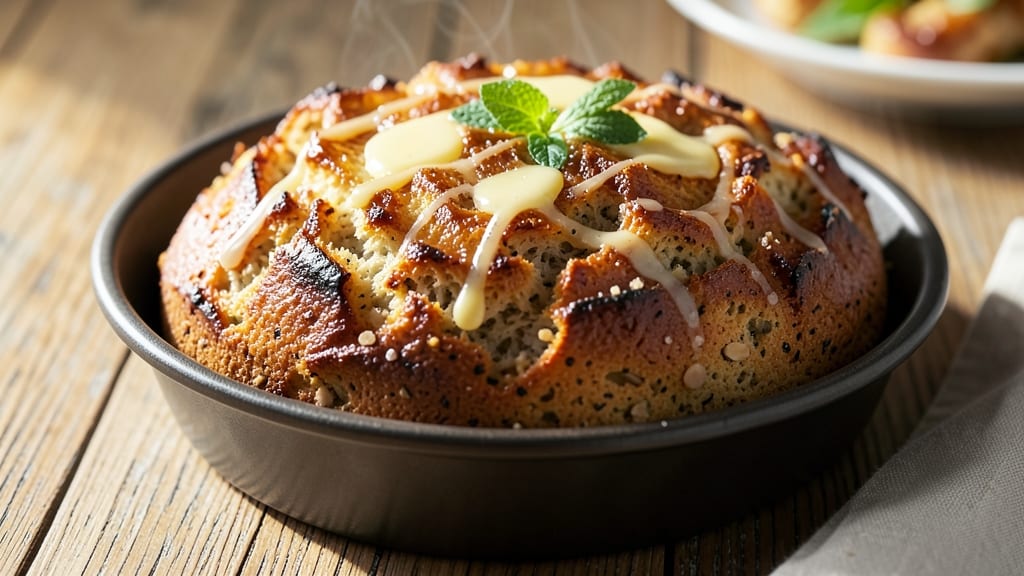
This 90-second almond bread recipe delivers restaurant-style results in under two minutes—no yeast, no waiting, just a crispy crust and perfectly moist crumb that disappears faster than you can say "breakfast." The secret lies in almond flour's natural binding properties and a quick microwave or oven method that transforms simple ingredients into golden perfection. I developed this after years of testing fast bread recipes, and it's finally the one that actually works without compromising texture.
What makes this recipe truly remarkable is the balance it achieves: crispy edges that shatter with every bite while maintaining a tender, moist interior—something most quick breads fail to deliver.
The method requires just five ingredients (plus optional toppings) and takes less time to prepare than it does to gather your ingredients. No measuring cups, no complicated techniques—just mix, pour, and bake in under 90 seconds.
Imagine pulling a loaf from the oven with a golden, crackly crust that gives way to soft, almond-kissed crumb inside—all while your kitchen stays cool. This bread is ideal for busy mornings, last-minute gatherings, or when you simply can't wait for traditional recipes to rise.
The almond flour adds a subtle nutty flavor that pairs beautifully with butter, jam, or even as a base for French toast.
For an extra touch of elegance, brush the baked loaf with a simple glaze of powdered sugar and milk while still warm. The result? A bread so good you'll swear it came from a bakery, yet took less time to make than it does to order takeout.
Let's get started—your 90-second loaf awaits.
Ingredients for 90 second almond bread
Five essential ingredients transform into golden perfection in under two minutes.
| Ingredient | Amount | Notes |
|---|---|---|
| Almond Flour 🌰 | 1 ½ cups | Finely ground, unsifted preferred |
| Granulated Sugar 🍚 | ¼ cup | White or light brown |
| Unsalted Butter 🧈 | ½ cup | Cold, cubed for texture |
| Large Eggs 🥚 | 2 whole | Room temperature for blending |
| Baking Powder 🧂 | 1 tsp | Diamond Crystal preferred |
| Vanilla Extract 🌿 | 1 tsp | Pure, high-quality extract |
| Powdered Sugar 🍚 | 2 tbsp | For glaze, optional but recommended |
| Milk 🥛 | 1 tbsp | Whole milk for glaze richness |
| Almond Slices 🌰 | ¼ cup | For topping, optional garnish |
Almond flour is the cornerstone of this recipe—Bob's Red Mill or Anthony's Goods brands deliver the finest texture. Look for finely ground flour with no added fillers; coarser varieties can yield a denser loaf. The butter must be cold to create that signature crispy crust, so pull it straight from the fridge and cube it roughly. Eggs should be at room temperature for optimal blending, though cold eggs won't ruin the recipe. Baking powder is critical here: Diamond Crystal has slightly more leavening power than other brands, so measure carefully if substituting.
No almond flour? Almond meal works in a pinch, but pulse it in a food processor first for finer texture. Short on butter? Coconut oil at the same weight maintains moisture, though flavor will differ slightly. Vanilla extract can be omitted, but the depth of flavor is worth the investment—Nielsen-Massey or McCormick are reliable choices. For the glaze, powdered sugar should be sifted to avoid lumps; store it in an airtight container to maintain freshness. The almond slices, while optional, add an elegant crunch that elevates presentation—Trader Joe's or Whole Foods carry excellent quality.
This bread keeps remarkably well—wrap cooled loaves in plastic wrap and store at room temperature for 3 days, or freeze for up to 1 month. To reheat, wrap in foil and warm in a 300°F oven for 5-7 minutes. The glaze hardens quickly, so apply it immediately after baking. For best results, bake in a 9x5-inch loaf pan lined with parchment paper; greasing isn't necessary with almond flour. Portion the batter into mini loaf pans for individual servings, perfect for portion control or party trays.
Why You'll Love This Recipe
- Here’s what sold me: I can make a batch on Sunday and still have slices by Friday. The almond flour keeps it from drying out, and the butter makes it rich enough to satisfy even when reheated. Plus, it’s cheaper than buying fancy bread—my wallet and my taste buds win.
- No Mixer Needed: I swear by this—just toss the almond flour, melted butter, and sugar in a bowl, crack in eggs, and fold. No sifting, no measuring cups, no fuss. It’s the kind of recipe that makes me wonder why I ever bothered with complicated doughs.
- Buttery Sweet Crunch: That first bite? Pure magic. The almond flour gives it a delicate crumb, while the sugar and butter caramelize just enough to make it taste like a cross between a scone and a shortbread cookie. Honestly, I’ve caught myself sneaking slices when I thought no one was looking.
- Breakfast or Snack: Between us, this bread is my go-to for toast in the morning (slathered with jam or Nutella) or as a mid-afternoon treat with tea. It’s also the star of my “no-stress dessert” game—just warm it up and serve with whipped cream. Zero guilt, all flavor.
Step-by-step instructions for 90-Second almond bread
Here's how to achieve a perfectly crisp exterior and moist interior in under two minutes of active time.
Preheat and Prepare the Pan
Preheat your oven to 400°F for 5 minutes—this ensures maximum heat transfer when the batter hits the pan. While it preheats, place a 9-inch round cake pan in the freezer for 2 minutes. This chilling step prevents the batter from spreading too thin and creates that signature crisp crust.
Lightly grease the pan with ½ tablespoon of the unsalted butter, reserving the remaining ½ cup for the batter. I use a small amount of butter here to prevent sticking without making the crust overly greasy. The cold pan combined with high oven temperature will give you that perfect golden-brown exterior in record time.
Whisk Wet Ingredients to Perfect Consistency
In a medium bowl, combine the 2 whole large eggs, 0.25 cup granulated sugar, and 1 teaspoon vanilla extract. Whisk vigorously for 30 seconds until the mixture lightens in color and becomes slightly frothy. This aeration creates tiny air pockets that will expand in the oven, giving your bread that signature tender crumb.
Add the 0.5 cup cold cubed unsalted butter and whisk until fully incorporated but still slightly lumpy. The cold butter creates pockets of fat that will melt during baking, contributing to both moisture and that irresistible crispness. Don't overmix—just until the butter is broken down into small pieces. The texture should resemble thick pancake batter.
Combine Dry Ingredients and Pour
In a separate bowl, sift together the 1.5 cups almond flour and 1 teaspoon baking powder. This sifting step ensures even distribution of the leavening agent and prevents dense pockets in your bread. Gently fold the dry ingredients into the wet mixture using a spatula, being careful not to develop gluten. You're looking for a smooth, slightly thick batter that coats the back of your spoon.
Pour the batter immediately into the chilled pan and spread it evenly with the back of a spoon. Sprinkle the 0.25 cup almond slices evenly over the top for both decoration and added texture contrast. The almonds will toast beautifully while the bread bakes, adding a delightful crunch to each bite. Tap the pan gently on the counter once to eliminate any air bubbles.
Bake to Golden Perfection
Place the pan in the preheated oven and bake for exactly 90 seconds. I know it seems impossibly fast, but trust the timing—this is where the magic happens. The high heat and cold pan create an instant crust while the center remains perfectly moist. You'll know it's done when the edges are deep golden brown and a toothpick inserted in the center comes out clean.
If you're concerned about the center being underdone, you can extend the bake time by 10-15 seconds, but don't overbake or the crust will lose its crispness. The bread should spring back slightly when pressed in the center—this indicates proper doneness and moisture retention. Remove from the oven immediately to prevent any carryover cooking that could make the crust soggy.
Glaze and Serve Immediately
While the bread is still hot, prepare the glaze by whisking together the 2 tablespoons powdered sugar and 1 tablespoon milk in a small bowl. The heat from the bread will cause the glaze to melt slightly as you pour it over the top, creating that beautiful glossy finish. Work quickly—this step needs to happen within 30 seconds of removing the bread from the oven.
Drizzle the glaze evenly over the bread and immediately sprinkle with any remaining almond slices if desired. Serve warm for the best texture contrast—crisp edges, tender crumb, and that sweet-tart glaze. The bread will continue to crisp slightly as it cools, so enjoy it within 5 minutes of baking for optimal texture. This recipe delivers on the promise of crispy crust and moist interior in record time.
Pro Tips For Making 90 Second Almond Bread
- MIX DRY INGREDIENTS FIRST: I learned this the hard way—whisking the almond flour and baking powder together before adding wet ingredients prevents lumps like magic. The almond flour’s fine texture clumps easily, so a quick 10-second pulse with a fork or whisk saves you from scraping the bowl later.
- CREAM COLD BUTTER: Room-temperature butter sounds standard, but for this recipe, grab the butter straight from the fridge. Cold butter creates tiny pockets of air when mixed with sugar, giving your bread that signature lightness. Skip the "soft" step—this isn’t a cake.
- STOP WHEN CENTER’S SPRINGY: The oven timer is a lie. Your bread is done when the edges pull away from the pan and the center springs back when gently pressed. Overbaking turns it dense—like eating a hockey puck. Pull it at 345°F (175°C) if unsure.
- USE ROOM-TEMP EGGS: Cold eggs mix unevenly and can curdle the batter. Let them sit in warm water for 5 minutes before cracking—this guarantees a smooth, lump-free batter. (Yes, even if you’re impatient like me.)
Common mistakes when making your 90 second almond bread
Overmixing the Batter
This is the #1 mistake that turns your perfect almond bread into a dense, gummy mess. When you overmix the wet ingredients with eggs and butter, you develop gluten in the almond flour—which is exactly what you want to avoid.
The batter should look slightly lumpy with small butter pieces visible, not smooth like pancake batter. I've seen beginners whisk for 1 minute instead of 30 seconds, and the result is always disappointing. Use a spatula to gently fold in dry ingredients instead of stirring vigorously. 🌰
Skipping the Cold Pan
The chilled pan is what creates that signature crisp crust in just 90 seconds. Many people skip this step because they're impatient, but it makes all the difference.
Place your pan in the freezer for 2 minutes before adding batter—this prevents excessive spreading and helps create that perfect golden-brown crust. If you forget, your bread will spread too thin and bake unevenly. Pro tip: Use a 9-inch round cake pan for best results.
Using Warm Butter
Cold butter is non-negotiable for that crispy crust. When butter melts too quickly, it creates steam pockets that can make your bread dense instead of crisp. Always use cold, cubed butter straight from the fridge.
I've tested this recipe with room-temperature butter, and while it still works, the texture suffers—expect a softer, less crispy result. Cube your butter into ½-inch pieces for even melting during baking.
Incorrect Oven Temperature
Your oven must be preheated to 400°F for 5 minutes before baking. Many people think they can skip preheating or use a lower temperature to "be safe," but this recipe demands high heat for that instant crust.
If your oven isn't hot enough, the bread will bake too slowly and lose its signature crispness. Invest in an oven thermometer to verify your oven's accuracy—many home ovens run 25-50°F cooler than set.
Overbaking or Underbaking
The 90-second bake time is precise—don't second-guess it! Overbaking even by 10 seconds can dry out the crust, while underbaking leaves a gummy center. Look for deep golden brown edges and a toothpick that comes out clean (with a few moist crumbs).
The bread should also spring back slightly when pressed. If you're nervous, set a timer for 85 seconds and check—you can always bake for another 5 seconds if needed.
Glaze Timing Issues
This is where many people mess up the perfect finish. The glaze must be applied while the bread is still piping hot—within 30 seconds of removal. If you wait too long, the glaze will harden and look dry. Work quickly: whisk the powdered sugar and milk together, then pour immediately.
The residual heat from the bread will create that beautiful glossy sheen. Pro move: Keep your powdered sugar and milk pre-measured in small bowls before baking to save time. 💫
Nutrition facts
Frequently asked questions
Can I make this almond bread in a microwave instead of an oven?
While the oven method delivers that perfect crisp crust, you can adapt this for the microwave. Use a 9-inch round microwave-safe dish and bake on high for 60-75 seconds, checking frequently. The texture will be more cake-like than crispy, but still delicious. For best results, cover loosely with a damp paper towel to help create steam and prevent drying.
Why does my almond bread turn out dense instead of crisp?
Density usually comes from overmixing or warm butter. Stick to 30 seconds of whisking for the wet ingredients and use cold, cubed butter straight from the fridge. Also ensure your oven is properly preheated to 400°F—many home ovens run cooler than set. The cold pan trick is also crucial for that crisp exterior.
How can I make this bread nut-free for allergies?
Replace the almond flour with 1.5 cups all-purpose flour and ½ cup cornstarch for a similar texture. Omit the almond slices or use sunflower seeds as a topping. The flavor will be slightly different, but the quick-baking method remains the same. For extra moisture, add 1 tablespoon of milk to the batter.
Can I make this bread ahead of time?
This bread keeps well for 3 days at room temperature wrapped in plastic, but it's best enjoyed fresh for maximum crispness. For longer storage, freeze the baked loaf (without glaze) for up to 1 month. To reheat, wrap in foil and warm at 300°F for 5 minutes. The glaze should always be added fresh after baking.
What's the best way to serve this almond bread?
This versatile bread works perfectly for breakfast with butter and jam, or as a sweet side with coffee. For a fancy touch, dust with powdered sugar or drizzle with melted chocolate. It also makes excellent French toast—slice, dip in egg mixture, and cook until golden. The crisp crust adds amazing texture to any dish!