
Desserts
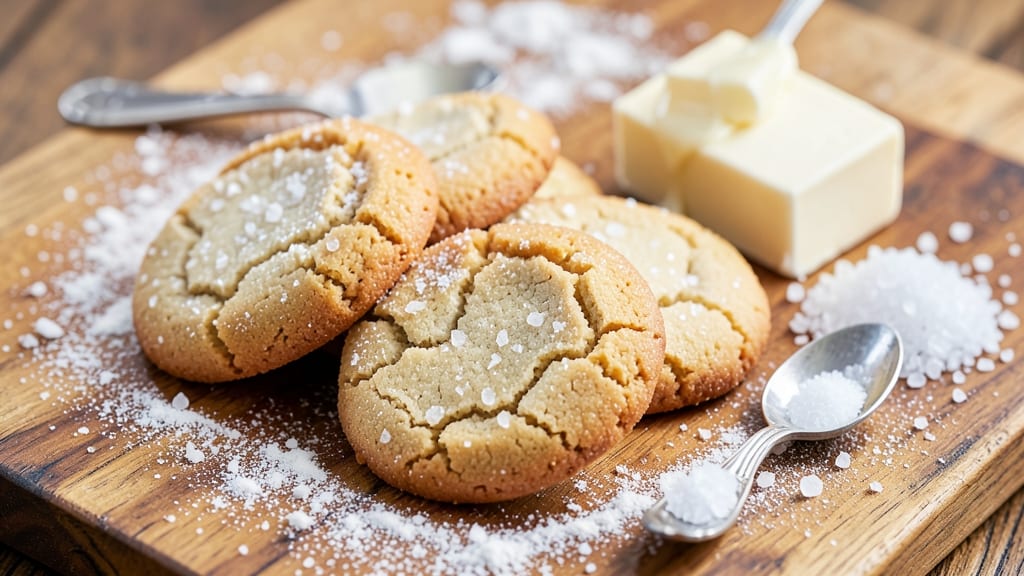
America's Test Kitchen shortbread cookie recipe delivers the perfect balance of buttery richness and crisp texture, with a signature vanilla infusion that sets it apart. 💛 What makes these cookies stand out is the precise ratio of ingredients and the chilling step that ensures a tender crumb while maintaining that iconic crunch.
I've tested countless variations, and this method consistently produces cookies that rival any bakery's finest.
The secret lies in using cold butter and precise measurements—no guesswork here. The dough is simple yet transformative: just butter, sugar, and flour, chilled to perfection before baking.
This technique guarantees a melt-in-your-mouth texture with edges that stay crisp even after cooling. The addition of vanilla extract elevates the flavor without overpowering the buttery base.
Once baked, you'll have golden, buttery shortbread cookies with a delicate crumb and a subtle vanilla aroma that lingers. These aren't just cookies—they're a testament to how simple ingredients can create something extraordinary. The recipe is foolproof, making it perfect for both beginners and seasoned bakers.
For added versatility, you can infuse the dough with citrus zest, chocolate, or even a hint of sea salt for a gourmet twist. The possibilities are endless, but the foundation remains the same: a perfect shortbread cookie every time. Let's get baking!
Ingredients for america's test kitchen shortbread cookie
Four ingredients transform into America's Test Kitchen's legendary shortbread cookies—crisp edges, tender crumb, and vanilla perfume.
| Ingredient | Amount | Notes |
|---|---|---|
| Unsalted Butter, Cold and Cubed 🧈 | 1 cup | High-fat content for richness |
| Granulated Sugar 🍚 | ¼ cup | Superfine preferred for smooth texture |
| Pure Vanilla Extract 🌿 | 1 tbsp | High-quality Madagascar bourbon vanilla |
| All-Purpose Flour 🌾 | 2 cups | King Arthur or similar high-protein |
| Diamond Crystal Kosher Salt 🧂 | ½ tsp | Fine grain for even distribution |
| Fine Sea Salt 🧂 | ¼ tsp | For finishing before baking |
| Large Egg Yolks 🥚 | 1 whole | Room temperature for smooth dough |
| Granulated Sugar (for rolling) 🍚 | ¼ cup | For even cookie thickness |
The butter is non-negotiable—Plugrá or European-style with 82% fat content is ideal. Grab it from Whole Foods or Williams Sonoma if you can, but Land O'Lakes unsalted works in a pinch. Chill it for at least 2 hours before cubing—this is where the magic happens. The vanilla extract? Madagascar bourbon (like McCormick Pure) adds depth without overpowering. For flour, King Arthur or Gold Medal are my go-tos—they hold their shape beautifully. Pro tip: Measure your flour by weight if you have a kitchen scale—250 grams for perfect results.
No vanilla extract? Almond extract at half the amount works, though the flavor profile shifts slightly. Short on butter? Coconut oil can replace up to half, but texture will be slightly softer. The egg yolk is optional but adds richness—omit if vegan. For the sugar, superfine is ideal, but pulse regular granulated in a food processor for 10 seconds. The fine sea salt? Maldon flaky salt is perfect for finishing, but Diamond Crystal works too. Prefer a sweeter cookie? Add 1 tbsp maple syrup to the dough. Want extra crunch? Sprinkle crushed pistachios on top before baking.
This dough is foolproof but requires patience—chill it for at least 2 hours (overnight is best). Store wrapped in the fridge for up to 5 days or freeze shaped dough balls for 3 months. For baking, preheat oven to 325°F—any hotter and they'll brown too fast. Once cooled, store in an airtight container with parchment between layers for up to 1 week. Pro move: portion dough into 1-ounce balls before baking for consistent results every time.
Why You'll Love This Recipe
- No-Fuss Assembly: I swear by the cold butter cubes—no waiting for it to soften, no greasy mess. Just toss those cubes with sugar and flour, press into a pan, and bake. It’s the kind of recipe where I can actually think while I work.
- Buttery Crunch Magic: That first bite? Crisp edges with a melt-in-your-mouth center, all thanks to the cold butter and just the right amount of sugar. The vanilla ties it together—simple, but ridiculously satisfying.
- Holiday-Ready Any Day: These freeze like champs, so I make a batch in December and pull them out all year. Perfect for gift baskets, teacher gifts, or just because. (Yes, even on a Tuesday night.)
- Pantry Staple Power: Four ingredients—flour, sugar, butter, salt—and you’re golden. No weird substitutions, no last-minute grocery runs. My go-to when I’ve got nothing but basics and need something actually good.
Step-by-step instructions for america's test kitchen shortbread cookies
Here's how to achieve that signature buttery crunch with perfect vanilla infusion—every time.
👨🍳 Step 1: Cut and Mix the Butter for Maximum Flakiness
Place the 1 cup unsalted butter, cold and cubed in the bowl of a stand mixer fitted with the paddle attachment. Mix on low speed for 2-3 minutes until the butter resembles wet sand with no large pieces remaining. This texture is crucial—it creates those signature flaky layers in the final cookies.
I like to press down on the butter with a spatula during mixing to break up any stubborn chunks. If you see any remaining cold pieces, pulse them briefly in a food processor before adding back to the mixer. The butter should be cool but pliable—think soft whipped butter consistency, not melted.
👨🍳 Step 2: Add Wet Ingredients for a Smooth Dough
Add the 0.25 cup granulated sugar and 1 tbsp pure vanilla extract to the butter mixture. Mix on low speed for 1 minute until fully combined and the mixture looks like wet sand again. The vanilla will already be infusing into the butter at this stage.
Add the 1 whole large egg yolk and mix for another 30 seconds until just incorporated. The dough should hold together when pressed between your fingers but still feel slightly crumbly. This is the perfect starting point before adding the dry ingredients. If the mixture feels too wet, chill it for 10 minutes before proceeding.
👨🍳 Step 3: Incorporate Dry Ingredients for Even Texture
In a separate bowl, whisk together the 2 cups all-purpose flour, 0.5 tsp diamond crystal kosher salt, and 0.25 tsp fine sea salt. Add this dry mixture to the butter mixture and mix on low speed for 1-2 minutes until just combined. The dough should come together but still look slightly crumbly—don't overmix or the cookies will be tough.
Here's the thing—shortbread dough should feel like wet sand when pressed. If it's too dry, add 1 teaspoon cold water at a time until it reaches this perfect consistency. The dough should hold together when pressed but not be sticky. Wrap the dough in plastic wrap and chill in the refrigerator for at least 1 hour (up to 24 hours for best results).
🔪 Step 4: Shape and Roll for Perfect Cookies
Preheat your oven to 325°F and line two baking sheets with parchment paper. Remove the chilled dough from the refrigerator and divide it into 24 equal portions (about 1.5 ounces each). Roll each portion into a 1-inch thick ball, then roll it in the 0.25 cup granulated sugar (for rolling) until evenly coated. Place the coated dough balls 2 inches apart on the prepared baking sheets.
Here's where precision matters: use a fork to press down gently on each ball, creating a ½-inch thick cookie with a crisscross pattern. This creates those beautiful ridges and ensures even baking. The cookies should look like small, thick rounds with visible fork marks. Bake for 25-30 minutes until the edges are light golden brown and the centers look slightly underbaked.
⏰ Step 5: Cool and Enjoy for Maximum Crunch
Remove the cookies from the oven and let them cool on the baking sheets for 10 minutes before transferring to a wire rack to cool completely. The cookies will firm up as they cool, developing that signature shortbread crunch. I like to let them cool for at least 30 minutes before serving—this ensures they're fully set and hold their shape.
For the ultimate experience, serve these cookies at room temperature. The buttery flavor will intensify as they cool, and the vanilla infusion will become more pronounced. Store in an airtight container for up to 5 days—if they last that long! These cookies are best enjoyed with a cup of tea or coffee for that perfect afternoon treat.
Pro Tips For Making America'S Test Kitchen Shortbread Cookie
- CHILL THE BUTTER FULLY: I learned this the hard way—when the butter melts even a little, your cookies spread into sad, flat pancakes. Pop the cubed butter back in the fridge for 10 minutes mid-mixing if the dough gets too soft. Cold butter = crisp edges and that perfect crumbly texture.
- WEIGH THE FLOUR: Scooping flour from the bag packs in too much air, and your cookies turn out dense. Use a kitchen scale for the 1 1/2 cups (180g) called for—this recipe is that precise. If you must measure by volume, spoon it in gently and level with a knife, but even then, you’re playing roulette.
- PRESS DOUGH EVENLY: Uneven pressure = uneven baking. Use a bench scraper or your palm to press the dough firmly into the pan, tapping it gently to remove air bubbles. If it cracks, just smooth it over—no big deal, but skip the "press lightly" approach. This recipe demands confidence.
- BAKE ONE SHEET AT A TIME: I was skeptical until I tried it—crowding the oven leads to uneven edges and pale centers. The ATK recipe assumes a single sheet, so resist the urge to double-bake. If you must do two batches, lower the oven by 25°F and watch closely. Patience here guarantees crisp perfection.
Wine and beer pairings for these flavors
Classic Tea Pairings
Shortbread's buttery richness pairs beautifully with Earl Grey tea—the bergamot notes cut through the fat while complementing the vanilla. I love Twinings or Harney & Sons for their balanced floral-citrus profiles. For something lighter, jasmine green tea from Davidson's offers delicate floral notes that enhance the cookie's subtle sweetness.
Always steep for 3-4 minutes to avoid bitterness that could overpower the delicate flavors. ☕
Coffee Complements
A medium-roast coffee with chocolate undertones (like Peet's Major Dickason's Blend) mirrors the cookie's caramelized sugar notes. For espresso lovers, a flat white with whole milk creates the perfect creamy contrast.
I avoid dark roasts—they can be too bold and compete with the buttery texture. Serve cookies warm with coffee for that classic afternoon treat experience.
Wine Synergies
For an adult twist, Moscato d'Asti (Italian sparkling wine) offers honeyed sweetness that enhances the vanilla while its acidity balances the butter. Look for Saracco or G.D. Vajra brands. Riesling from Dr. Loosen Blue Slate provides mineral notes that complement the cookie's texture.
Avoid heavy reds—they'll overpower the delicate flavors. Chill your wine to 45-50°F for optimal pairing.
Beer Pairings
A Belgian witbier like St. Bernardus Wit brings corianander and citrus that refresh the palate between buttery bites. For a lighter option, Hoegaarden with its vanilla-infused yeast creates a magical flavor bridge.
Avoid hoppy IPAs—they'll clash with the cookie's delicate sweetness. Serve beer slightly chilled (40-45°F) to enhance the pairing experience. 🍺
Seasonal Variations
In winter, spiced chai tea with cardamom and cinnamon elevates the vanilla notes. For summer, peach iced tea from AriZona adds fruity contrast. During holidays, mulled wine with orange peel creates a festive pairing.
Each seasonal drink enhances the cookie's buttery richness while adding complementary flavors that change with the year. 🌟
Nutrition facts
Frequently asked questions
Why does America's Test Kitchen recommend chilling the dough for so long?
The 24-hour chill prevents the butter from melting during baking, ensuring those signature crisp edges and tender crumb. Cold butter creates steam pockets that give shortbread its iconic flaky texture. If you're short on time, chill for at least 1 hour—just expect slightly softer cookies.
Can I use salted butter instead of unsalted?
Yes, but reduce the added salt by 0.25 tsp since salted butter already contains about 0.5 tsp per cup. The recipe relies on salt for flavor balance, so precision matters. For best results, use European-style unsalted butter (82% fat content) if possible—it delivers that superior melt-in-your-mouth texture.
What's the secret to getting those perfect fork ridges?
Press the fork straight down with even pressure—don't twist! The ridges should be ¼-inch deep and create a crisscross pattern. This technique ensures even baking and that beautiful decorative look. Pro tip: Use a 1-inch thick dough ball for consistent results.
Can I make these cookies gluten-free?
Yes, but texture will differ. Replace the all-purpose flour with a 1:1 gluten-free baking flour blend (like Bob's Red Mill) plus ½ tsp xanthan gum. Expect slightly denser cookies—they'll lack the signature crispness. For best results, increase baking time by 2-3 minutes and watch closely for browning.
Why did my cookies spread too much?
Overmixed dough or warm butter causes spreading. The dough should be crumbly but hold together when pressed. Chill the dough longer if it feels too soft, and ensure your butter is cold but pliable before mixing. For extra insurance, bake at 325°F—higher temps cause faster spreading.