
Side Dishes
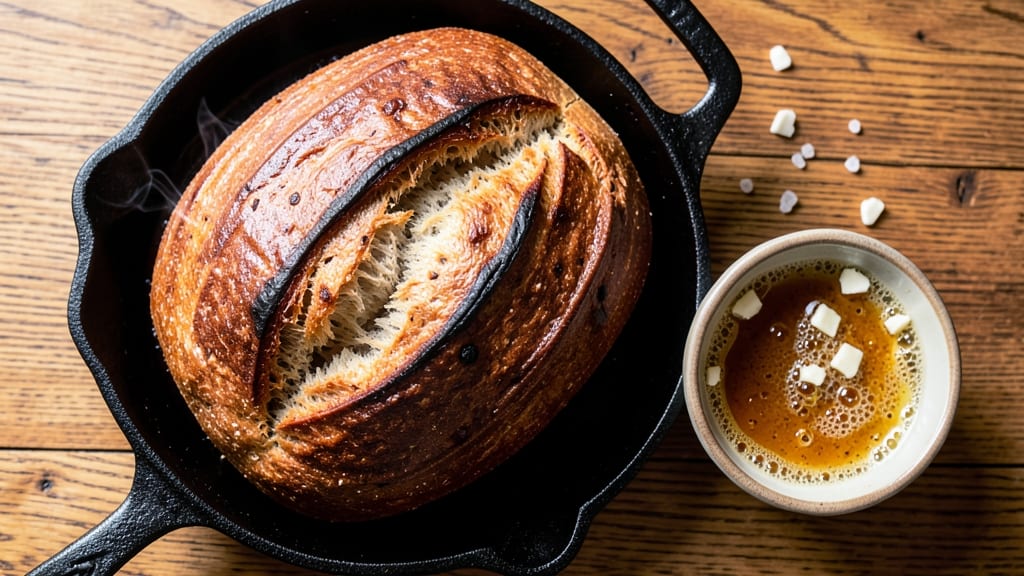
This 9x5 bread recipe delivers the perfect balance of crispy crust and airy crumb—no fancy equipment required. The secret lies in a precise dough formula and controlled baking process that transforms simple ingredients into a loaf with restaurant-quality texture.
I've baked hundreds of loaves, and this method consistently produces a golden crust with a tender interior that's ideal for sandwiches, toast, or serving alongside soups.
What sets this recipe apart is the tangy depth achieved through a combination of high-gluten flour and a touch of honey in the dough. Unlike many bread recipes, this one doesn't require a stand mixer—just a bowl, your hands, and patience during the proofing stage.
The dough develops flavor as it rises, creating that authentic bakery aroma that fills your kitchen.
By the time you pull it from the oven, you'll have a crusty exterior with a crackly top and a soft, open crumb inside—every slice will be perfectly structured. The bread stays fresh for days when stored properly, making it perfect for meal prep or gifting.
Whether you're a beginner or experienced baker, this recipe delivers professional results with minimal effort.
Ready to bake? We'll cover everything from mixing the dough to achieving that perfect rise and golden crust. Let's get started with the foundational steps that make this bread so reliable.
Ingredients for 9x5 bread
Simple ingredients that transform into restaurant-quality bread with crispy crust and airy crumb.
| Ingredient | Amount | Notes |
|---|---|---|
| High-Gluten Flour 🌾 | 4 cups | Bread flour for structure and chew |
| Active Dry Yeast 🍞 | ¼ oz | Or 2 1/4 tsp (1 packet) |
| Granulated Sugar 🍚 | 1 tbsp | Feeds yeast for rise |
| Salt 🧂 | 1 ½ tsp | Diamond Crystal preferred |
| Unsalted Butter 🧈 | ½ cup | Cold, cubed for flavor |
| Warm Water 💧 | 1 ¼ cups | 110°F (43°C) for yeast |
| Honey 🍯 | 1 tbsp | For tangy depth |
| Olive Oil 🫒 | 1 tbsp | For dough elasticity |
| Cornmeal 🌽 | ¼ cup | For dusting loaf pan |
| Egg Wash 🥚 | 1 whole | 1 egg beaten with 1 tsp water |
| Coarse Sea Salt 🧂 | ½ tsp | For sprinkling crust |
The high-gluten flour is non-negotiable here—it gives that perfect chew and structure. King Arthur or Caputo are my go-tos, but any bread flour works. Yeast can be tricky: check expiration dates—old yeast won't rise properly. For the butter, grab the coldest stick from the fridge—it should be firm but not rock-hard. The honey adds that signature tang, so don't skip it. If you're short on time, instant yeast works too—just mix it directly into the dry ingredients.
No honey? Maple syrup or agave works in a pinch, though flavor will differ slightly. Out of butter? Coconut oil or extra olive oil keeps the dough tender. For the egg wash, water + 1 tsp oil is a vegan swap if needed. The cornmeal isn't just for dusting—it creates that golden crust. Pro tip: toast your cornmeal first to deepen the flavor. And if your kitchen feels too warm for yeast, place the bowl in a slightly warmer spot—like near the oven with the light on—to help it activate faster.
This dough is a patient one—let it rise until it's doubled in size (about 1-2 hours). Shape it gently to avoid deflating the air bubbles. For the perfect crust, preheat your oven to 375°F with a Dutch oven inside for 30 minutes. The bread keeps best in a paper bag at room temperature for 2-3 days, or freeze slices for up to 3 months. Slice it thick for sandwiches—every bite will be buttery and perfectly structured.
Why You'll Love This Recipe
- No-Knead Magic: I swear by this—mix the dough, let it rise overnight, and wake up to a loaf ready to bake. The high-gluten flour does all the heavy lifting while you sleep.
- Buttery Crust, Soft Heart: That crispy golden crust with a tender interior? It’s all thanks to the butter and sugar caramelizing just right. Honestly, it tastes like a bakery loaf without the fuss.
- Weeknight Workhorse: Freeze half the batch for sandwiches later—no reheating needed. It’s my go-to for quick lunches, toast, or even garlic bread when I’m in a rush.
- Budget-Friendly Staple: A single batch feeds my family for days, and the ingredients cost pennies. Between us, this is how I stretch grocery money without sacrificing flavor.
Step-by-step instructions for perfect 9x5 bread
This is how you build a bread with a crackly crust and tender crumb—every time.
Activate the Yeast with Honey and Warm Water
In a small bowl, whisk together the 1.25 cups warm water (tested at 110°F—too hot kills yeast, too cold makes it sluggish) with the 1 tbsp granulated sugar and 1 tbsp honey. The honey adds subtle tang while feeding the yeast. Sprinkle in the 0.25 oz active dry yeast and let sit for 5-10 minutes until foamy. You'll see tiny bubbles form—this confirms your yeast is alive and ready to work.
Here's the thing—if nothing happens after 10 minutes, your yeast might be dead. Toss it and start fresh. I've learned this the hard way after baking a flat loaf of nothing. Once properly activated, proceed immediately to avoid overproofing.
Mix Dough Until Windowpane Stage
In a large mixing bowl, combine the 4 cups high-gluten flour with 1.5 tsp salt. Make a well in the center and pour in the yeast mixture, 0.5 cup cold cubed butter, and 1 tbsp olive oil. Using a wooden spoon, stir until a shaggy dough forms—this takes about 2 minutes. The olive oil helps create a silky texture that prevents cracking.
Turn the dough onto a lightly floured surface and knead for 8-10 minutes by hand (or 5-6 minutes with a stand mixer using a dough hook). You're aiming for the "windowpane test"—stretch a small piece of dough thin enough to see light through it without tearing. This ensures proper gluten development for that perfect chew.
First Rise Until Doubled in Size
Lightly grease a large bowl with olive oil, place the dough inside, and cover with a damp kitchen towel. Let rise in a warm spot (75-80°F) for 1-1.5 hours, until the dough has doubled in size. You'll see it puff up dramatically—this is fermentation working its magic. Poke it gently; if it springs back slowly, it's ready.
Real talk: Your kitchen might not be warm enough. If the dough takes longer than 2 hours, it's still fine—just give it more time. The key is patience here. Overproofing leads to a dense loaf, so resist the urge to rush this step.
Shape and Second Rise in Loaf Pan
Punch down the dough to release air, then shape it into a 9x5-inch loaf by folding the edges toward the center. Place it seam-side up in a greased loaf pan (I use 0.25 cup cornmeal for dusting instead of flour—it adds texture). Cover again and let rise for 30-45 minutes until it domes slightly above the pan.
This second rise is crucial for that classic bread shape. If your kitchen is chilly, give it the extra time. The dough should feel light and springy when pressed gently. Brush the top with the egg wash (1 whole egg beaten with 1 tsp water) and sprinkle with 0.5 tsp coarse sea salt for that professional bakery look.
Bake Until Golden and Hollow-Sounding
Preheat your oven to 375°F with a baking stone or inverted baking sheet on the lower rack—this creates steam for a crisp crust. Bake the loaf for 30-35 minutes until the top is deep golden brown and sounds hollow when tapped on the bottom. The internal temperature should reach 190-200°F at the center.
Don't open the oven door during baking—you'll lose all that precious steam. If the top browns too quickly, tent loosely with foil. Let the bread cool in the pan for 10 minutes, then transfer to a wire rack. The crust will crisp up as it cools, giving you that perfect contrast with the soft interior.
Pro Tips For Making 9x5 Bread
- WEIGH YOUR FLOUR: High-gluten flour packs differently than all-purpose—use a kitchen scale for 500g, not volume measures. I learned this the hard way after making two batches that were either too dense or too crumbly. The scale guarantees consistent texture every time.
- SOAK THE YEAST: Mix the active dry yeast with warm water (110°F/43°C) and a pinch of sugar first, then let it sit for 5–10 minutes until frothy. This ensures it’s alive and active before it hits the dough—no more wondering why your bread took forever to rise.
- KNEAD LESS, FOLD MORE: Skip the exhausting arm workout—after the initial mix, do 3–4 sets of stretch-and-folds every 30 minutes instead of long kneading. This builds gluten faster and saves your hands (and your patience).
- BUTTER TEMP MATTERS: Softened butter (65°F/18°C) should press into the dough but not leave greasy streaks. Too cold? It won’t incorporate smoothly. Too warm? The yeast will get lazy and rise sluggishly. Test by pressing a thumbprint—it should hold but not smear.
Regional styles of these flavors
Classic French Baguette Style
For a rustic French twist, shape your dough into a long baguette instead of a loaf. Divide the dough into 3 equal portions and roll each into a 12-inch log.
Place on a parchment-lined baking sheet, score the tops with a razor blade at ½-inch intervals, and bake at 425°F for 15-20 minutes until deeply golden. Brush with garlic-infused olive oil after baking for extra flavor. 🥖
Italian Ciabatta Twist
Swap ½ cup of the high-gluten flour for ½ cup all-purpose flour and add 1 extra tbsp olive oil for a lighter, airier crumb. Shape the dough into a round loaf and bake in a 9x9-inch pan instead of a loaf pan.
After baking, slice horizontally to create those signature pockets. Top with flaky sea salt and fresh rosemary for an Italian-inspired finish.
German Pretzel Adaptation
Add 1 tbsp baking soda to the dough and shape it into a pretzel knot. Boil the dough in water with 2 tbsp baking soda for 30 seconds before baking at 400°F for 20-25 minutes.
Brush with melted butter and sprinkle with coarse sea salt while hot. This creates a dark, chewy crust with a soft interior—perfect for dipping in beer cheese. 🍺
Southern Cornbread Hybrid
Replace 1 cup of the high-gluten flour with 1 cup cornmeal and fold in ½ cup shredded cheddar cheese. Shape into a loaf and bake as directed, but add ¼ cup honey to the egg wash for extra sweetness.
This version has a slightly crumbly texture with a hint of corn flavor—ideal for serving with chili or BBQ. 🌽
Savory Herb Focaccia
Press the dough into a 9x13-inch pan and dimple the top with your fingers. Drizzle with 2 tbsp olive oil and sprinkle with 1 tsp dried rosemary, 1 tsp dried thyme, and ½ tsp flaky sea salt.
Bake at 375°F for 25-30 minutes until golden. Finish with fresh herbs and a drizzle of extra virgin olive oil. This Italian classic pairs perfectly with soups or as an appetizer. 🌿
Nutrition facts
Frequently asked questions
Why does this recipe use high-gluten flour instead of all-purpose?
The high-gluten flour creates that perfect chewy texture and structure that makes this loaf ideal for sandwiches. All-purpose flour would result in a softer, less substantial crumb. For a lighter texture, you could substitute ½ cup with all-purpose flour, but you'll lose some of that satisfying bite. The gluten develops during kneading, creating those signature air pockets for a tender yet sturdy crumb.
Can I make this bread without a stand mixer?
This recipe is designed for hand mixing. Knead the dough for 8-10 minutes on a lightly floured surface until you can stretch it thin enough to see light through it (the "windowpane test"). The olive oil in the recipe actually makes the dough more manageable by hand—it prevents sticking and reduces the need for excessive flour. Just be patient and work the dough until it feels smooth and elastic.
What's the best way to tell when the bread is fully baked?
Look for three key signs: deep golden brown crust, a hollow sound when tapped on the bottom, and an internal temperature of 190-200°F. The crust should pull away from the sides of the pan slightly. If you're unsure, let it bake 5 more minutes—underbaking is more common than overbaking. The bread will continue cooking slightly as it cools, so don't rush this step.
How do I store this bread to keep it fresh?
For 2-3 days, store in a paper bag at room temperature—this prevents drying. The bag traps moisture while allowing airflow. For longer storage, slice the bread and freeze the slices in a ziplock bag for up to 3 months. To revive, toast frozen slices directly from the freezer for 2-3 minutes at 375°F. Avoid plastic bags—they cause sogginess.
What if my dough doesn't rise properly?
Check three things: yeast freshness (test with warm water first), water temperature (110°F is ideal), and ambient temperature (75-80°F works best). If your kitchen is cold, place the dough near a warm spot like the oven light. For a quick fix, try adding ½ tsp more sugar to feed the yeast or using instant yeast for faster activation. Never skip the proofing time—rushing leads to dense bread.