
Side Dishes
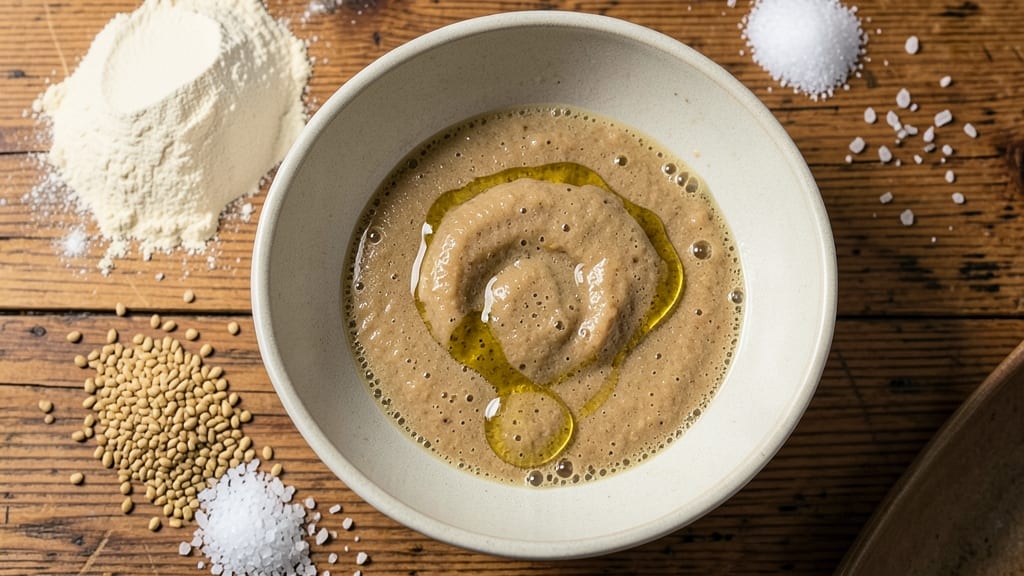
Add sourdough discard to bread recipe—it’s the secret to crafting a flavorful, waste-free loaf that’s lighter, tangier, and packed with depth. This method transforms tangy discard into a light, airy loaf with a crisp crust and chewy interior—no waste, just better flavor. The discard adds natural acidity that enhances the bread's complexity while reducing food waste in one simple step.
The process is straightforward but requires patience: mix discard with flour and water, let it ferment for 4-12 hours, then shape and bake. Adjusting hydration and fermentation time ensures the perfect texture, whether you prefer a rustic boule or a classic sandwich loaf.
This method works with any sourdough starter, making it versatile for both beginners and experienced bakers.
What you’ll end up with is a fragrant, tangy loaf that’s lighter than traditional sourdough, thanks to the discard’s natural leavening. The crust develops a golden, crispy exterior while the interior remains soft and open-grained.
Best of all, this recipe uses up discard that would otherwise go to waste, turning it into something delicious.
Perfect for everyday sandwiches or toast, this bread keeps well for days and improves with age. Whether you're reducing waste or simply craving a flavorful loaf, this method delivers results that taste homemade—without the guilt.
Ingredients for add sourdough discard to bread
Transform your sourdough discard into a fragrant, airy loaf with these 12 essential ingredients—no waste, just flavor.
| Ingredient | Amount | Notes |
|---|---|---|
| Sourdough Discard 🍞 | 1 cup | Active, bubbly discard (100% hydration) |
| All-Purpose Flour 🌾 | 3 ½ cups | Unbleached, high-protein preferred |
| Whole Wheat Flour 🌾 | ½ cup | For added texture and nutrition |
| Granulated Sugar 🍚 | ½ tsp | Enhances fermentation and browning |
| Salt 🧂 | 1 ½ tsp | Diamond Crystal preferred |
| Extra-Virgin Olive Oil 🫒 | ¼ cup | For crust development and richness |
| Vegan Butter 🧈 | ¼ cup | Miyoko's brand recommended |
| Water 💧 | 1 ¼ cups | Room temperature preferred |
| Active Dry Yeast 🍞 | ¼ tsp | Optional for extra lift |
| Flaxseed Meal 🌱 | 1 tbsp | For vegan binding and nutrition |
| Sesame Seeds 🌰 | 1 tbsp | For decorative crust topping |
| Cornmeal 🌽 | ¼ cup | For dusting and texture contrast |
The sourdough discard is the star here—look for that bubbly, active discard with visible fermentation (it should smell tangy but not overly sour). King Arthur or Bob's Red Mill flours work beautifully, but any high-quality all-purpose will do. The whole wheat flour adds depth without overpowering the light texture. For the yeast, I always grab Saf-Instant from the bulk bins at Whole Foods—it's more stable and reliable than active dry. The flaxseed meal is non-negotiable for vegan binding, but if you're in a pinch, chia seeds soaked in water work just as well.
No vegan butter? Coconut oil or extra-virgin olive oil in the same amount will work—just know the flavor profile shifts slightly. Running low on sesame seeds? Poppy seeds or toasted sunflower seeds add a nice crunch. The cornmeal can be swapped for semolina or rice flour if you prefer a different texture. For the sugar, maple syrup or agave at half the amount works in a bind, though it may darken the crust faster. And if your discard isn't quite bubbly enough? A pinch of extra yeast or a splash of warm water can revive it—just give it 10 minutes to perk up.
This dough ferments best at room temperature—cover it with a damp towel and let it rise in a warm (75°F) spot for 8-12 hours. For longer storage, the shaped loaf keeps 3-4 days wrapped in a clean kitchen towel at room temperature, or up to 1 week in the fridge. Freezing? Shape the loaf, wrap tightly in plastic, then foil, and it'll stay fresh for 3 months. Pro tip: Toast slices straight from the freezer—they crisp up beautifully and taste like they're fresh-baked.
Why You'll Love This Recipe
- No Waste, All Flavor: I swear by this trick—tossing in that tangy discard instead of chucking it means zero food waste and bread that smells like a bakery. The whole wheat adds a nutty bite, but the discard’s funk actually makes it taste richer than store-bought.
- Tangy Twist: That discard isn’t just filler—it’s the secret. The mix of all-purpose and whole wheat gives structure, but the discard’s wild yeast tang cuts through the sweetness of the sugar, balancing everything like a pro. (Yes, even my picky husband agrees.)
- Weeknight Magic: Honestly, this is my lazy-day bread: mix, shape, bake. No kneading, no waiting for dough to rise—just 20 minutes of hands-off time while you scramble eggs or throw together a salad. Warm slices with butter? Instant dinner.
- Budget Bakery: Between us, this costs a fraction of what I’d pay for artisanal bread. The whole wheat keeps it hearty, the sugar adds just enough sweetness to fool kids into thinking it’s a treat, and the discard? Free if you bake sourdough. Leftovers? Toast them for crunchy croutons or freeze for quick toast later.
Step-by-step instructions for incorporating sourdough discard into artisan bread
Transforming sourdough discard into a flavorful bread requires precision and patience—here's how to do it right.
Activate and Hydrate the Sourdough Discard
In a medium bowl, combine the 1 cup sourdough discard with the 1.25 cups room-temperature water. Stir gently until fully incorporated, then let it sit at room temperature for 1-2 hours until you see noticeable bubbles forming on the surface. This activation step is crucial—it ensures your discard is lively and ready to leaven the dough properly.
I like to place the bowl in a warm spot, like near the oven with the light on, to encourage fermentation. The discard should nearly double in volume and develop a slightly tangy aroma. If it smells overly sour or has a strong alcohol odor, your discard might be too old—reduce the amount by half and add extra flour to compensate.
Mix the Wet Ingredients and Begin Hydration
In a large mixing bowl, combine the activated sourdough mixture with the 0.25 cup extra-virgin olive oil and 0.25 cup vegan butter. Add the 0.5 tsp granulated sugar, 1.5 tsp salt, and 0.25 tsp active dry yeast (if using). Mix with a wooden spoon or dough whisk until the butter is fully emulsified and the mixture is smooth.
Next, gradually add the 3.5 cups all-purpose flour and 0.5 cup whole wheat flour, mixing just until combined. The dough will be shaggy at this stage—don't be tempted to overmix. The whole wheat flour adds texture and nutrition, but too much handling develops gluten and makes the bread dense. Stop mixing when the flour is fully incorporated but the dough still looks rough.
Develop the Dough Through Autolyse and Kneading
Let the dough rest (autolyse) for 30 minutes covered with a damp towel. This step allows the flour to fully hydrate and the gluten to begin relaxing, making subsequent kneading easier. After resting, sprinkle 1 tbsp flaxseed meal over the dough and knead by hand or with a stand mixer fitted with a dough hook for 8-10 minutes until smooth and elastic.
The flaxseed meal acts as a binder, enhancing the dough's structure without eggs. You'll know the dough is ready when it passes the windowpane test—stretch a small piece between your fingers and hold it up to the light. If it's translucent and doesn't tear, it's developed enough. If it's still sticky, knead for another 2-3 minutes.
First Rise and Shaping for Optimal Texture
Shape the dough into a round loaf, tucking the edges under as you go to create surface tension. Place it seam-side up in a lightly greased bowl, cover with a damp towel, and let it rise at room temperature for 1-2 hours or until it has visibly doubled in size. The dough should feel light and springy when pressed gently with a fingertip.
During this rise, the sourdough discard will contribute its signature tang, deepening the bread's flavor profile. If your kitchen is cold, place the bowl near a warm spot to encourage fermentation. Avoid over-rising—the dough should be puffy but not collapsed or overly sticky.
Final Proof, Scoring, and Baking to Perfection
Preheat your oven to 425°F and place a baking stone or inverted baking sheet on the middle rack. Generously dust a baking peel with 0.25 cup cornmeal, then turn the risen dough onto the peel, seam-side down. Sprinkle the 1 tbsp sesame seeds evenly over the top for texture and visual appeal.
Let the dough proof for an additional 20-30 minutes until it has risen another 20-30% and feels firm to the touch. Score the top with a sharp razor or lame in a crosshatch pattern, then carefully transfer the dough to the preheated baking stone. Bake for 25-30 minutes until the crust is deep golden brown and the internal temperature reaches 205-210°F.
For the best results, bake the bread in a Dutch oven if possible—this creates steam and produces a crispy crust with an open crumb. Let the bread cool on a wire rack for at least 1 hour before slicing to allow the gluten to fully relax and the crumb to set. The final loaf should have a tangy depth from the sourdough discard, a crisp exterior, and a soft, airy interior.
Pro Tips For Making Add Sourdough Discard To Bread
- Weigh Your Discard: I learned this the hard way—eyeballing sourdough discard leads to dense, gummy bread. Use a kitchen scale for the discard (and flour): 100g discard to 300g total flour (AP + whole wheat) keeps the texture light. Whole wheat absorbs more moisture, so don’t skimp on hydration adjustments.
- Mix Until Sticky: Stop when the dough clings to your fingers but doesn’t feel gluey. Overmixing develops gluten too early, and with whole wheat in the mix, you’ll end up with a tough loaf. Aim for 3-4 minutes by hand or 2 minutes in a mixer—just until combined.
- Let It Rest Longer: Skip the rush and give the dough a 2-hour rest at room temp (or overnight in the fridge). The whole wheat needs extra time to hydrate properly, and the discard’s wild yeast slows down when it’s not rushed. Patience here = better rise and flavor.
- Use Less Sugar: Granulated sugar feeds the yeast, but too much can make the discard overproof before the dough even rises. Stick to 1-2 tablespoons max—enough to help fermentation without throwing off the balance. If your discard is active (bubbly), cut it to 1 tsp.
Serving suggestions for leftovers
Toasted Sesame Spread
Elevate your sourdough discard bread by pairing it with a toasted sesame spread—simply mix ¼ cup tahini, 1 tbsp maple syrup, 1 tsp rice vinegar, and a pinch of red pepper flakes.
Spread on warm slices for a nutty, tangy contrast that complements the bread’s natural acidity. I love this with cucumber slices for a refreshing crunch. 🥒
Olive Oil Drizzle
Finish your bread with a drizzle of extra-virgin olive oil infused with garlic and herbs. Warm 2 tbsp olive oil with 1 minced garlic clove and 1 tsp dried oregano for 1 minute, then brush or drizzle over freshly baked slices.
The oil enhances the crust’s crispness while adding aromatic depth. Store-bought infused oils work in a pinch, but homemade tastes fresher.
Vegan Cheese Plate
Create a vegan cheese board with Miyoko’s mozzarella shreds, cashew camembert, and almond feta alongside the bread. Add pickled vegetables (like radishes or jalapeños) and cracked black pepper for a balanced, savory spread.
The tangy bread cuts through the richness perfectly, making it ideal for brunch or appetizers. 🧀
Sweet Jam Pairings
Balance the bread’s tang with fruit preserves—try fig jam, raspberry compote, or spiced apricot jam. I recommend Bon Appétit’s fig jam for its deep, caramelized flavor. Spread on toasted slices and top with a sprinkle of flaky sea salt to highlight the sweet-savory contrast.
For a modern twist, pair with sliced pears and a drizzle of honey (or agave for vegan options).
Herb Butter Variations
Whip up vegan herb butter by mixing ¼ cup vegan butter (like Earth Balance) with 1 tbsp chopped fresh rosemary, 1 tsp lemon zest, and a pinch of salt. Spread on warm bread slices for a fragrant, buttery finish.
For a spicy kick, add ½ tsp smoked paprika or chili flakes. This works especially well with savory toppings like avocado or roasted tomatoes.
Crunchy Toppings
Add texture with toasted nuts or seeds—try pumpkin seeds, pecans, or crushed pistachios. Toss 2 tbsp seeds in a dry pan over medium heat for 3-4 minutes until golden, then sprinkle over buttered bread.
For extra crunch, mix with crumbled vegan bacon or toasted breadcrumbs. These toppings add a satisfying bite that contrasts the bread’s soft interior. 🌰
Nutrition facts
Frequently asked questions
Can I use old sourdough discard that smells strong or alcoholic?
If your discard smells overly sour or has a strong alcohol odor, it may not work well for baking. Reduce the amount by half and add extra flour to compensate. For best results, use discard that's bubbly and tangy but not overly pungent—this ensures a balanced flavor in your bread.
How do I adjust the recipe if my kitchen is cold?
Cold environments slow fermentation. Place your dough in a warm spot (like near the oven with the light on) to encourage rise. If your kitchen is below 70°F, extend fermentation time by 2-4 hours or use a proofing box. The dough should double in size before baking.
What if my bread turns out too dense?
Dense bread usually means the dough wasn't kneaded enough or didn't ferment long enough. For next time, knead for 10-12 minutes and let it ferment until it nearly doubles. Also, ensure your discard is active—if it's sluggish, add a pinch of extra yeast to boost leavening.
Can I replace the vegan butter with oil?
Yes! Swap the 0.25 cup vegan butter for the same amount of extra-virgin olive oil or melted coconut oil. The texture will be slightly softer, but the flavor remains rich. For a firmer crust, chill the dough for 30 minutes before shaping.
How long can I store the shaped dough before baking?
You can refrigerate shaped dough for up to 24 hours before baking. Let it sit at room temperature for 1-2 hours to rise slightly before baking. For longer storage, freeze the shaped loaf (wrapped tightly) for up to 1 month