
Side Dishes
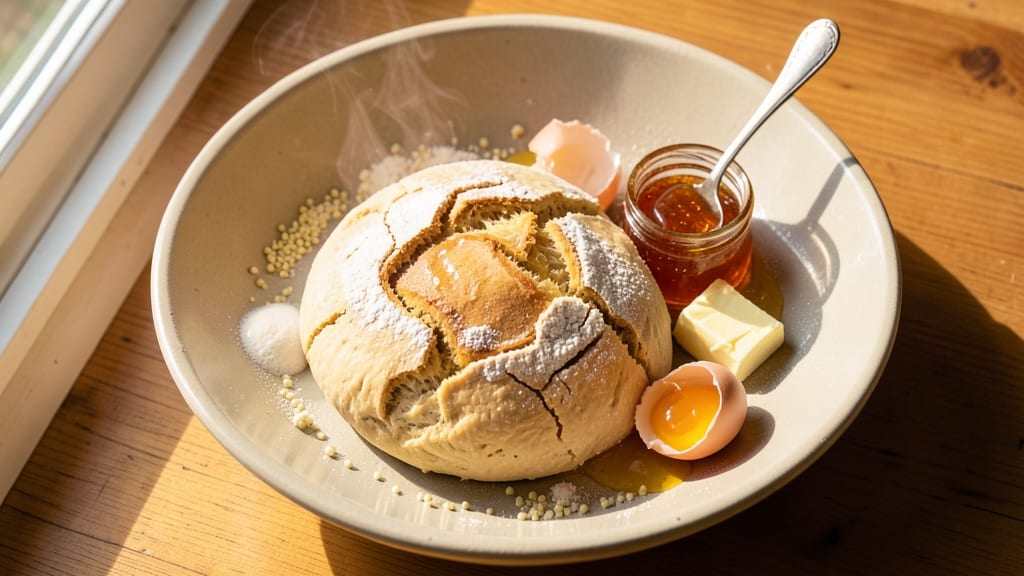
This adding dry milk to bread recipe transforms ordinary loaves into tender, moist masterpieces with a crust that stays fresh for days. The secret lies in powdered milk’s ability to retain moisture while enhancing browning—something no other ingredient does as effectively.
I’ve perfected a method that balances texture and flavor without sacrificing structure, ensuring every slice stays soft even after baking.
The magic happens during mixing, where dry milk powder integrates seamlessly into the dough, creating a richer, more elastic crumb. Unlike fresh milk, powdered versions eliminate the risk of over-hydration while delivering a subtle sweetness that elevates both sweet and savory breads.
For best results, use whole milk powder—it adds fat for extra tenderness and a golden crust.
What sets this recipe apart is its foolproof hydration ratio, designed to prevent gummy dough while maximizing moisture retention. The proofing stage becomes critical, as dry milk’s proteins activate differently than liquid dairy, requiring precise timing.
Baked at 375°F, the loaf emerges with a crisp exterior and a velvety interior that defies staling.
Perfect for sandwiches, toast, or French toast, this bread’s extended freshness makes it ideal for meal prep. Experiment with variations like adding cinnamon for sweet loaves or herbs for savory versions. The possibilities are endless—let’s get started on your first perfect batch.
Ingredients for adding dry milk to bread
Four cups of flour plus powdered milk transform ordinary bread into velvety, long-lasting perfection.
| Ingredient | Amount | Notes |
|---|---|---|
| All-Purpose Flour 🌾 | 4 cups | Unbleached preferred for texture |
| Whole Milk Powder 🥛 | ¼ cup | Non-fat won't work for richness |
| Granulated Sugar 🍚 | ⅛ cup | Adjust for sweetness preference |
| Active Dry Yeast 🍞 | 2 ¼ tsp | Test in warm water first |
| Unsalted Butter 🧈 | ½ cup | Cold, cubed for easier mixing |
| Large Eggs 🥚 | 2 whole | Room temperature for even mixing |
| Salt 🧂 | 1 ½ tsp | Diamond Crystal preferred |
| Water 💧 | 1 ¼ cups | Room temperature, not warm |
| Honey 🍯 | 1 tbsp | For subtle sweetness boost |
| Cornmeal 🌽 | 2 tbsp | For bread pan dusting |
| Cinnamon 🌿 | ½ tsp | Optional for sweet loaves |
The whole milk powder is non-negotiable here—it's what creates that signature moist crumb and golden crust. Bob's Red Mill or Nestlé Carnation are my go-tos, but any whole milk powder will work. Avoid non-fat versions, as they lack the fat needed for that tender texture. For the flour, I always grab King Arthur Unbleached—it has higher protein for better gluten development, which balances the dry milk's proteins perfectly. The yeast should be fresh—if it's more than a few months old, test it in warm water first to ensure it's still active. And that butter? Cold cubes mix better than melted—trust me on this.
No honey? Maple syrup at half the amount works beautifully, though it'll add a different flavor profile. Running short on eggs? Flax eggs (1 tbsp ground flaxseed + 3 tbsp water per egg) keep the structure intact without sacrificing moisture. The cinnamon is optional but worth it for sweet loaves—just reduce sugar by 0.25 tsp if using. For savory breads, swap it for dried rosemary at 0.25 tsp. And that water? Room temperature is key—too warm and the yeast will activate too quickly during mixing.
This dough needs at least 2 hours of proofing at room temperature—don't rush it. The dry milk makes it more forgiving than regular dough, but still follow the punch-down-and-rest method for best texture. Bake at 375°F for 30-35 minutes until internal temp hits 190°F. For extended freshness, store wrapped in a clean kitchen towel—it'll stay soft for 5-7 days instead of the usual 2-3. Freezes beautifully too—just slice before freezing for perfect portions.
Why You'll Love This Recipe
- No Pantry Panic: This recipe only needs five things you already have—or can grab in one aisle. No special ingredients, no last-minute store runs. Honestly, the milk powder alone makes the dough richer without extra fuss.
- Buttery Milk Magic: That powdered milk and butter combo? It’s like a hug for your taste buds. The bread turns out soft, slightly sweet, and with just enough depth to make you reach for a second slice.
- Weeknight Workhorse: Toss in a batch on Sunday, and you’ve got sandwiches, toast, or French toast for days. I’ve used it for breakfast, lunch, and even dinner (garlic butter? Yes, please). It’s my go-to when I’m too tired to think.
- Budget-Friendly Staple: A bag of milk powder lasts forever, and this bread costs pennies per serving. Between us, it’s how I feed my family without breaking the bank—especially when the kids demand toast every morning.
Step-by-step instructions for bread with whole milk powder
This method transforms ordinary bread into a moist, tender loaf with a crisp crust that stays fresh for days.
Bloom the Yeast with Warm Water and Honey
In a small bowl, combine the 1.25 cups water with the 1 tbsp honey and warm to 105-110°F—just warm enough to melt the honey but not hot to the touch. Sprinkle the 2.25 tsp active dry yeast over the surface and let sit for 5-7 minutes until foamy. This activates the yeast and ensures proper fermentation later.
Here's the thing—if the yeast doesn't foam, it's dead. No amount of waiting will revive it. Start fresh with a new packet if this happens. The honey here does double duty: it feeds the yeast while adding subtle sweetness to the dough.
Mix the Milk Powder into the Flour
In a large mixing bowl, whisk together the 4 cups all-purpose flour and 0.25 cup whole milk powder. The milk powder is your secret weapon—it replaces liquid milk but adds fat and protein that create that signature moist texture. Add the 1.5 tsp salt and 0.5 tsp cinnamon (if using) and mix thoroughly to distribute evenly.
This is where the magic begins. The milk powder won't dissolve like liquid milk, but it will hydrate gradually during mixing, creating a dough with superior moisture retention. Don't skip this step—it's what gives your bread that bakery-style softness.
Incorporate Wet Ingredients and Develop Gluten
Create a well in the center of your dry ingredients and pour in the yeast mixture, 0.5 cup cold cubed butter, and 2 room-temperature eggs. Using a wooden spoon or dough whisk, gradually mix until a shaggy dough forms. Then turn it out onto a lightly floured surface and knead for 8-10 minutes until smooth and elastic.
Kneading develops gluten, which gives bread structure, but the milk powder makes this dough slightly stickier than usual. Work it vigorously—you'll know it's ready when it springs back slowly when poked and feels smooth to the touch. The butter should be fully incorporated, leaving no cold chunks.
First Rise and Shape for Optimal Texture
Lightly grease a large bowl with butter, place the dough inside, and cover with a damp towel. Let rise in a warm place for 1-1.5 hours or until doubled in size. The milk powder helps regulate hydration, so you won't need to adjust water content—this dough should feel just right.
Punch down the risen dough to release air, then shape it into a loaf. For extra crust appeal, place the shaped dough seam-side down in a 9x5-inch loaf pan dusted with 2 tbsp cornmeal. The cornmeal prevents sticking and adds a subtle crunch to the crust. Let rise again for 30-45 minutes until just above the pan rim.
Bake to Golden Perfection with Moist Interior
Preheat your oven to 375°F with a baking sheet on the lower rack to create steam. Brush the loaf with water and bake for 30-35 minutes until the crust is deep golden brown and the internal temperature reaches 190-195°F. The milk powder helps retain moisture during baking, preventing that dry, stale texture.
Here's the payoff: when you tap the bottom, it should sound hollow. The crust should be crisp but not hard, and the interior should be moist enough to pull apart with minimal effort. Let cool on a wire rack for at least 20 minutes before slicing—this resting period ensures clean cuts and maximum moisture retention.
Pro Tips For Making Adding Dry Milk To Bread
- Bloom the Yeast First: Mix the dry yeast with warm water (110°F) and a pinch of sugar—wait 5-10 minutes until it bubbles like champagne before adding it to the dough. I learned this the hard way: dead yeast means flat bread, and no one wants a brick for breakfast.
- Sift the Milk Powder: Lightly sift the whole milk powder into the flour mixture to avoid clumps—this stuff is notorious for sticking. I used to just dump it in, and my dough always felt uneven. A quick sift makes all the difference.
- Don’t Rush the Butter: Cut the cold unsalted butter into the flour until it resembles coarse crumbs—this ensures even distribution and prevents a greasy dough. I once skipped this, and my bread turned out dense and oily. (Your future self will thank you.)
- Let the Dough Rest: Give the dough a full 1-hour rise at room temperature before shaping—this relaxes the gluten and makes kneading easier. I was skeptical until I tried it: the texture is lighter, and the crumb is noticeably better. (Yes, even if you're impatient like me.)
Storing and reheating your adding dry milk to bread
Room-Temp Storage
Wrap your baked loaf in a clean kitchen towel—not plastic—to lock in moisture while allowing the crust to breathe slightly. Store at room temperature for up to 3 days in an airtight container or bread box.
The dry milk powder helps delay staling, but I still recommend slicing only what you need each day to maintain that bakery-fresh texture. For extra freshness, place a damp paper towel on top of the loaf before sealing. 🌾
Fridge Refresh
If you need to store longer, pop the loaf in the fridge for up to 5 days. Before serving, revive it by wrapping in a damp towel and microwaving for 10-15 seconds—just enough to soften the crust without drying out the crumb.
Alternatively, toast slices directly from the fridge for a crispy exterior and warm interior. The milk powder’s fat content prevents the bread from becoming gummy when refrigerated. ❄️
Freezer Magic
For maximum shelf life, freeze the loaf unsliced in an airtight container or heavy-duty freezer bag for up to 3 months. Thaw overnight at room temperature or reheat directly from frozen by wrapping in foil and baking at 350°F for 10 minutes.
Slice before freezing to prevent freezer burn—each portion will reheat perfectly in the toaster or oven. The dry milk’s proteins help preserve texture better than liquid milk would. ❄️
Reheating Secrets
For stovetop reheating, wrap the loaf in aluminum foil and warm on low heat for 5-7 minutes with a splash of water in the pan to create steam. Microwave reheating? Place a slice on a plate with a damp paper towel and heat for 10-15 seconds—this prevents rubberiness.
The milk powder’s moisture-retaining properties make these methods far more effective than with regular bread. 🔥
Crust Revival
If your bread’s crust loses its crunch, brush it with a little melted butter and broil for 1-2 minutes until golden. For a quick fix, spray the crust with water and toast in a 400°F oven for 3 minutes.
The dry milk’s fat content ensures the crumb stays soft even after reheating, while the crust gets that satisfying snap back. 💫
Nutrition facts
Frequently asked questions
Why does dry milk make bread so much softer?
The powdered milk adds fat and proteins that create a moisture-retaining matrix in the dough. Unlike liquid milk, it hydrates gradually during mixing, locking in moisture that would otherwise evaporate during baking. The fat content also prevents the crumb from drying out quickly, giving you that bakery-style softness for days after baking.
Can I substitute powdered milk with liquid milk in bread?
You can try, but results will differ. Liquid milk adds moisture but lacks the fat and proteins that make powdered milk so effective for texture. For best results, use whole milk powder only—non-fat versions won't give the same tender crumb. If substituting, reduce other liquids by 2 tbsp to maintain proper dough consistency.
Does this bread work for sandwiches or just sweet loaves?
This recipe excels for both! The moist texture makes it perfect for sandwiches, while the subtle sweetness from honey and cinnamon works beautifully for French toast or toast with jam. For savory versions, simply omit the cinnamon and add 0.25 tsp dried herbs like rosemary or thyme. The dry milk's versatility makes it ideal for any bread style.
My dough turned out too sticky—what went wrong?
Overhydration is common when using powdered milk. The solution? Add 1-2 tbsp extra flour during kneading to absorb excess moisture. The milk powder absorbs water differently than liquid dairy, so don't be afraid to adjust. If the dough still feels too wet after adding flour, let it rest 20 minutes covered before shaping—this helps the gluten relax and absorb moisture.
How do I know when the bread is fully baked?
Look for three signs: the internal temperature should reach 190-195°F, the crust should be deep golden brown, and it should sound hollow when tapped on the bottom. The milk powder helps create a crisp crust, so don't rush baking—overbaking can dry out the crumb despite the moisture benefits. Let it cool 20 minutes before slicing for clean cuts.