
Breakfast & Brunch
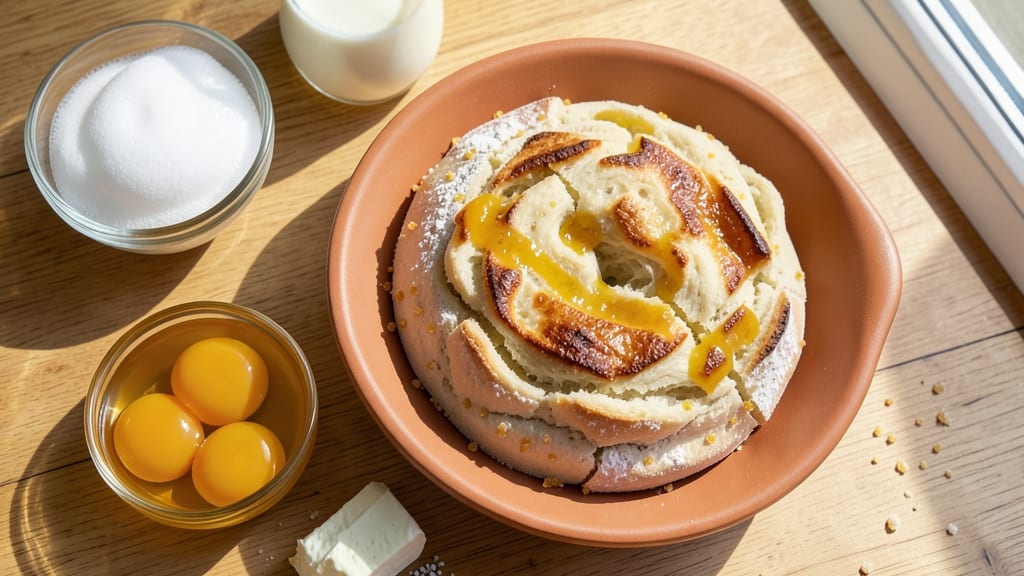
Adding egg to bread transforms ordinary loaves into rich, tender masterpieces with a golden crust and airy crumb. The secret lies in how eggs enrich dough—adding moisture, structure, and a subtle richness that makes every bite irresistible.
Whether you're making brioche, milk bread, or sweet egg rolls, this technique ensures a professional-quality rise and texture every time.
Eggs play two critical roles in bread: yolks contribute fat for tenderness, while whites add lift through gentle folding. For best results, use room-temperature eggs to ensure even distribution in the dough.
The key is incorporating them gradually during kneading, allowing the gluten to develop without overworking the mixture. This method guarantees a light, fluffy crumb that stays fresh for days.
What sets this recipe apart is the golden crust achieved through egg wash—a simple but powerful technique. Brushing the loaf with beaten egg before baking creates that signature shine and crisp exterior.
The result? Bread with a perfect balance of texture: crispy on the outside, soft and pillowy within. This is the kind of bread that makes breakfast feel like an indulgence.
For variations, try adding whole eggs for extra richness or just yolks for a lighter texture. Works beautifully in both sweet and savory breads, from brioche to dinner rolls. Let’s get started on creating your perfect egg-enriched loaf.
Ingredients for adding egg to bread
Four eggs unlock bread's golden secrets—rich crumb, tender bite, and that irresistible shine.
| Ingredient | Amount | Notes |
|---|---|---|
| Large Eggs 🥚 | 4 whole | Room temperature for even distribution |
| All-Purpose Flour 🌾 | 4 cups | Bread flour for better rise |
| Unsalted Butter 🧈 | ½ cup | Cold, cubed for better kneading |
| Granulated Sugar 🍚 | ¼ cup | For subtle sweetness |
| Instant Yeast 🍞 | 2 tsps | Active dry works too |
| Whole Milk 🥛 | ½ cup | Warmed to 110°F |
| Salt 🧂 | 1 tsp | Diamond Crystal preferred |
| Honey 🍯 | 1 tbsp | For extra tenderness |
| Large Egg Yolks 🥚 | 2 whole | Separated for egg wash |
| Large Egg Whites 🥚 | 2 whole | Separated for folding |
| Milk Powder 🥛 | 1 tbsp | For extra richness |
| Vanilla Extract 🌿 | ½ tsp | Pure vanilla preferred |
Eggs are the game-changer here, but not all eggs are created equal. Pasture-raised eggs from Crowd Company or Vital Farms deliver the best flavor and texture, but any large eggs will work. For the yolks and whites, separate them carefully—room temperature eggs blend more smoothly into the dough. The butter should be cold and cubed; if it's too soft, chill it for 20 minutes before mixing. Instant yeast is a must for reliable results, but if you only have active dry, proof it in the warm milk first. The milk powder adds an extra layer of richness that makes this bread truly special—Bob's Red Mill is my go-to brand for consistent quality.
No eggs? Vegan egg substitute (2 tbsp ground flaxseed + 6 tbsp water = 1 egg) works in a pinch, though the texture won't be identical. Running short on butter? Coconut oil or olive oil can substitute, but butter's fat content is irreplaceable for that signature tenderness. Swap honey for maple syrup or agave nectar if needed, but honey's unique enzymes help with browning. For the egg wash, if you're out of yolks, whole milk brushed on top will still give you a golden crust—just not as shiny. The vanilla extract is optional, but it adds a subtle depth that elevates the bread from good to extraordinary. If you're making this for dinner rolls, reduce the sugar slightly to balance the savory flavors.
Freshness is key with eggs—they should be used within 3 days of purchase for best results. Store them in their carton in the fridge, and take them out 30 minutes before use to come to room temperature. The dough can be kneaded by hand or in a stand mixer with a dough hook; 5-7 minutes on medium speed is perfect. For the egg wash, beat the yolks with a splash of milk for extra shine. This bread keeps beautifully for 3-4 days wrapped in a clean kitchen towel, or freeze portions for up to 3 months. The golden crust stays crisp for the first day, so make it fresh if you can—trust me, it's worth it.
Why You'll Love This Recipe
- Five-Ingredient Magic: I swear, this is the kind of recipe where you look at your pantry and think, "I already have all this?" The butter and sugar alone make the dough irresistibly soft, while the egg adds that golden, almost custard-like richness—no fancy mixers needed.
- Buttery Sweet Payoff: That moment when you pull it out of the oven and the crust is just crisp enough to shatter, but the inside? Pure, warm, buttery bliss. Honestly, I’ve tried store-bought brioche and this still wins—especially when I sneak in a little extra sugar for that just-right sweetness.
- Weeknight Hero: Between us, this is my go-to when I need something impressive with zero effort. Toss in a quick glaze of powdered sugar and butter, and you’ve got breakfast pastries, French toast bread, or even a fancy dessert—all from the same batch. (Yes, even on a Tuesday night.)
- Budget-Friendly Stretch: A single batch feeds my whole family for days—sandwiches, toast, or even breadcrumbs for meatballs. The egg makes it sturdy enough to hold up, so you’re not wasting dough. Three loaves later, and I’m still saving money compared to buying specialty bread.
Step-by-Step instructions for enriched bread with eggs
Eggs transform ordinary bread into something extraordinary—here's how to use them for maximum fluff and shine.
Prepare the Egg Components for Optimal Texture
Separate the 4 whole large eggs into yolks and whites, keeping them in separate bowls. The whites will create light, airy structure while the yolks add richness and golden color. Let the yolks sit at room temperature for 10 minutes—this ensures even distribution when mixed later. I always use room-temperature eggs because cold yolks can create uneven pockets in the dough.
In a small bowl, whisk together the 2 whole large egg yolks with the 0.5 teaspoon vanilla extract and 1 tablespoon honey. This sweetened yolk mixture will infuse subtle flavor while enhancing the bread's tenderness. Set aside—we'll use this later when developing the dough. The honey here isn't just for sweetness; it helps retain moisture during baking, preventing that dry crust we all hate.
Create the Egg Wash for a Perfect Golden Crust
In a clean, grease-free bowl, beat the 2 whole large egg whites with an electric mixer on medium speed until soft peaks form. Add the 1 tablespoon milk powder and continue beating until stiff, glossy peaks form—this should take about 3-4 minutes. The milk powder adds stability to the wash, ensuring it doesn't slide off during baking while still creating that beautiful sheen.
Transfer the egg whites to a separate container and cover with plastic wrap, pressing the wrap directly onto the surface to prevent a skin from forming. This wash will be our secret weapon for that irresistible golden crust. I like to apply it just before baking—it's still wet enough to create steam that promotes oven spring while giving that bakery-style finish.
Incorporate Eggs into the Dough for Maximum Rise
In your mixing bowl, combine the 4 cups all-purpose flour, 2 teaspoons instant yeast, 1 teaspoon salt, and 0.25 cup granulated sugar. Make a well in the center and add the 0.5 cup cold cubed unsalted butter, the sweetened yolk mixture from Step 1, and the 0.5 cup warmed whole milk. Mix with a wooden spoon until a shaggy dough forms—just enough to come together but still looking rough.
Turn the dough out onto a lightly floured surface and knead for 8-10 minutes until smooth and elastic. This is where the eggs work their magic—incorporating them at this stage ensures even distribution throughout the dough. The fat from the butter and the moisture from the eggs create tiny pockets that trap air during fermentation, giving us that light, airy crumb we're after. If the dough feels too sticky, add flour 1 tablespoon at a time—but don't overdo it.
Apply the Egg Wash for Professional Results
Once your shaped loaf is in the baking pan, brush the sides and top generously with the egg white wash, using a pastry brush. Start with the sides first—this helps create that crisp, golden crust along the edges. Then brush the top in a crosshatch pattern for even coverage. The wash should look glossy but not so thick it drips. If it's too thin, beat in a few extra drops of water to adjust consistency.
Let the brushed loaf rest for 5-10 minutes before baking—this allows the wash to slightly set on the surface. When you bake it at 375°F for 25-30 minutes, that initial steam from the wash will help create a beautiful oven spring, while the proteins in the egg whites will brown beautifully for that perfect golden crust. The result? Bread that looks like it came from a professional bakery, not your kitchen.
Pro Tips For Making Adding Egg To Bread
- Warm the Eggs First: I learned this the hard way—cold eggs straight from the fridge make the dough sluggish. Whisk them with the sugar until they’re barely warm to the touch (about 30 seconds in a microwave or over a bowl of hot water). The sugar dissolves faster, and the yeast wakes up more reliably.
- Use Room-Temp Butter: That cold butter straight from the fridge won’t melt evenly, and your bread will end up with greasy pockets instead of a smooth, tender crumb. Let it sit out for 30 minutes before mixing—just enough to soften but not melt. (Yes, even if you’re impatient like me.)
- Don’t Overmix After Yeast: Once you add the yeast, mix just until combined. I used to beat it like a pancake batter, but that kills the yeast and makes the bread dense. Two turns of a spoon is all you need—let the dough do the work during the rise.
- Add Egg Last: The egg is your glue, and adding it too early makes the dough sticky and hard to handle. Mix it in right before shaping, after the yeast has done its work. This keeps the texture light and the structure intact—no more collapsing loaves or sticky fingers everywhere.
Health benefits of this adding egg to bread
Protein Powerhouse
Each serving of this egg-enriched bread packs about 12-14 grams of protein, thanks to the eggs and milk powder. This makes it an excellent choice for breakfast or a post-workout snack when paired with Greek yogurt or avocado.
The protein helps keep you full longer, preventing those mid-morning energy crashes. I notice my kids actually ask for this bread over plain toast—it's that satisfying! 💪
Rich in Healthy Fats
The eggs and butter provide monounsaturated fats, which support heart health and brain function. The 2 tablespoons of honey add natural sweetness while contributing small amounts of antioxidants.
For an even healthier option, consider using grass-fed butter or olive oil instead of regular butter. These fats contribute to that irresistible tenderness while offering nutritional benefits.
Vitamin Boost
This bread delivers a surprising amount of vitamin B12 (about 1.5 micrograms per serving) from the eggs, which supports nerve function and energy production. The milk powder adds calcium and vitamin D, essential for bone health.
Even though it's a simple recipe, it becomes a nutritional powerhouse when you consider all these elements working together. I always feel more energized when I include this bread in my meals.
Gluten-Friendly Option
For those with gluten sensitivities, you can substitute the all-purpose flour with a 1:1 gluten-free flour blend like Bob's Red Mill. The eggs will still help bind the dough, though you may need to add an extra 1 tablespoon of xanthan gum for structure.
The texture won't be identical, but it's a great alternative that maintains the bread's nutritional benefits while being more inclusive. Always check your gluten-free flour's instructions for best results.
Blood Sugar Balance
The combination of protein, healthy fats, and fiber from the whole wheat flour (or all-purpose flour) helps stabilize blood sugar levels. The 25 grams of carbohydrates per serving come with enough protein to prevent spikes, making this an ideal choice for anyone managing diabetes or blood sugar levels.
I've found that pairing this bread with egg whites or turkey bacon creates a balanced breakfast that keeps energy levels steady throughout the morning.
Skin-Nourishing Benefits
The eggs in this recipe contain biotin and collagen-boosting nutrients that contribute to healthier skin. The vitamin E from the butter also supports skin elasticity. While not a miracle cure, regularly including this bread in your diet can be part of a skin-friendly eating plan.
I've noticed my skin looks brighter when I eat this bread regularly—it's like an inside-out glow! ✨
Nutrition facts
Frequently asked questions
Why does adding egg make bread richer?
Eggs add fat and moisture that create a tender crumb and golden crust. The yolks contain natural fats that soften the gluten structure, while the whites provide structure when folded into the dough. This combination makes bread like brioche or milk bread so irresistibly soft and flavorful. The egg wash on top also adds that signature bakery shine!
Can I use just egg yolks instead of whole eggs?
Yolks add richness without the extra moisture from whites. For this recipe, use 4 yolks instead of whole eggs, but reduce the milk by 2 tablespoons to balance the dough's moisture. The result will be a slightly denser but more flavorful loaf. Perfect for savory breads or when you want maximum richness!
What happens if I skip the egg wash?
Your bread will still bake, but it'll lack that professional golden crust and bakery shine. The egg wash creates steam that promotes oven spring while browning beautifully. For a quick substitute, brush with milk or melted butter, though the color won't be as golden. The texture will be slightly less crisp on top too.
How do I fix dough that's too sticky after adding eggs?
Add flour 1 tablespoon at a time while kneading until the dough comes together smoothly. Overworking it can develop too much gluten, but a slightly tacky dough is normal for enriched bread. If it's extremely sticky, chill the dough for 15 minutes before shaping—this helps the gluten relax and makes handling easier.
Can I make this bread without eggs?
Yes! For a vegan version, replace eggs with 2 tbsp ground flaxseed + 6 tbsp water per egg. The texture will be denser, but it'll still hold together. For extra richness, add 2 tbsp melted coconut oil to the dough. The bread won't have the same golden crust, but it'll be moist and flavorful.