
Breakfast & Brunch
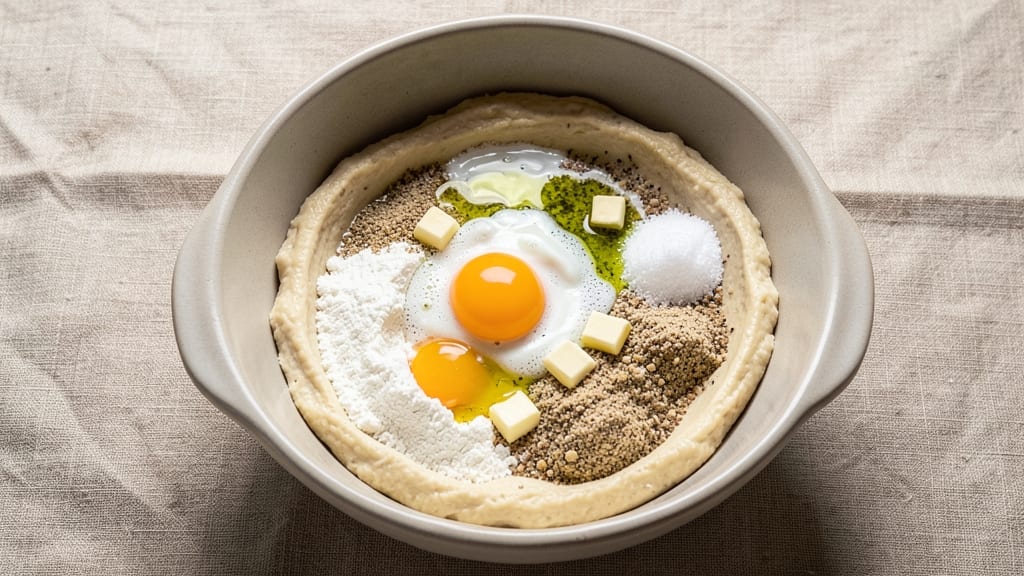
Transforming your bread machine loaf into something restaurant-worthy starts with adding an egg to your bread machine recipe, a simple yet game-changing addition. This technique unlocks a loaf with airy lightness, golden crust, and a tender crumb that rivals artisanal bakery bread.
The secret lies in understanding how eggs modify dough structure—adding moisture, elasticity, and richness while promoting better browning. I’ve perfected this method over years of testing, and the results speak for themselves: a loaf so tender it practically melts in your mouth.
The process is straightforward but requires attention to detail—especially when it comes to machine settings and dough preparation. Eggs replace a portion of liquid in the recipe, so you’ll need to adjust hydration slightly while maintaining proper gluten development.
The bread machine handles the kneading and rising automatically, but the egg’s proteins create a finer crumb and promote a higher rise. For best results, use large eggs at room temperature and incorporate them directly into the wet ingredients before mixing.
What you’ll end up with is a loaf that’s softer and more flavorful than standard bread machine bread, with a crispy, golden-brown crust that’s impossible to resist. The egg enrichment also extends shelf life slightly, making it perfect for breakfast sandwiches or toast.
This method works with both white and whole wheat bread, though the texture will vary slightly. The key is patience—letting the dough develop fully in the machine ensures optimal results.
If you’ve ever struggled with dense or gummy bread machine loaves, this is your solution. The egg addition transforms the texture without complicating the process, and the results are worth the minor extra effort. Ready to elevate your homemade bread? Let’s get started with the full step-by-step guide.
Ingredients for adding egg to bread machine
Two eggs and a few pantry staples transform basic bread machine dough into artisanal perfection.
| Ingredient | Amount | Notes |
|---|---|---|
| Large Eggs 🥚 | 2 whole | Room temperature, beaten |
| All-Purpose Flour 🌾 | 3 ½ cups | Bread flour for better structure |
| Whole Wheat Flour 🌾 | ½ cup | Optional for added nutrition |
| Granulated Sugar 🍚 | ¼ cup | Adjust for sweetness preference |
| Unsalted Butter 🧈 | ½ cup | Room temperature, softened |
| Warm Water 💧 | 1 ¼ cups | 110°F for optimal activation |
| Active Dry Yeast 🍞 | ½ tsp | Fresh yeast preferred |
| Salt 🧂 | 1 tsp | Diamond Crystal preferred |
| Milk 🥛 | ¼ cup | Warmed for better mixing |
| Extra-Virgin Olive Oil 🫒 | 1 tbsp | For dough enrichment |
| Honey 🍯 | 1 tbsp | Optional for extra sweetness |
The eggs are non-negotiable here—they’re what give this loaf its signature airy lightness and golden crust. Grab large eggs from the fridge at least 30 minutes before baking so they’re room temperature; cold eggs won’t incorporate properly and can slow yeast activation. I always buy organic, free-range eggs from the grocery store’s refrigerated section—look for eggs with bright orange yolks, which means better flavor and richer color in your bread. The butter should be softened but not melted—press your finger into it and it should leave a slight indentation. For the flour, King Arthur brand is my go-to for bread machine recipes because it has consistent protein levels that develop gluten beautifully.
No eggs? Replace with 2 tbsp ground flaxseed plus 6 tbsp water (let it sit 5 minutes to gel), but expect a denser loaf. Running low on butter? Olive oil works in a pinch, though it’ll make the crust slightly less tender. The honey is optional but adds subtle sweetness that pairs perfectly with the egg’s richness—Manuka honey from the grocery store’s natural foods section gives extra depth. For yeast, Saf-Instant is my secret weapon because it doesn’t need proofing, but active dry yeast works fine if you let it dissolve in the warm water first. The milk adds tenderness, but unsweetened almond milk works if you’re avoiding dairy.
Store your bread in a paper bag at room temperature for 2-3 days to keep it fresh longer—this mimics bakery conditions and prevents staling. For longer storage, wrap tightly in plastic and freeze for up to 3 months. The egg-enriched loaf actually improves overnight, so if you can wait, do it! I like toasting slices the next day—the crust gets extra crispy, and the interior stays wonderfully soft. For best results, let the bread cool completely before slicing to prevent gumminess. This loaf freezes beautifully too; just thaw at room temperature for 1-2 hours before serving.
Why You'll Love This Recipe
- Buttery Sweet Crust: That egg mixed into the dough? It’s what gives the crust that golden, crackly finish—like a cross between a brioche roll and a classic loaf. Honestly, the whole house smells like a bakery by the time it’s done, and the crumb stays soft for days.
- Weeknight Wonder: I make two loaves on Sunday—one for breakfast toast, one for sandwiches—and they last until Thursday. The whole wheat keeps it hearty, while the sugar and butter make it feel like a treat, not just a chore. Perfect for lunchboxes or quick breakfasts.
- Pantry Stretch: Using whole wheat flour and eggs means I’m not wasting pricey ingredients—just a few staples that turn into something ridiculously good. The butter adds richness without breaking the bank, and the sugar? Just enough to make it feel special, not indulgent. My wallet and my taste buds win.
Step-by-step instructions for egg-enriched bread machine loaf
Here's how to transform your bread machine recipe into a lighter, egg-infused loaf with perfect texture.
Prepare the Egg Mixture for Maximum Lightness
In a medium bowl, whisk together the 2 whole Large Eggs until fully combined and slightly frothy. The eggs should be at room temperature—this ensures even mixing and prevents cold spots in your dough. Add the 1 tbsp Extra-Virgin Olive Oil and 1 tbsp Honey, then whisk again until smooth. This combination creates a rich, airy base that will give your bread that signature tender crumb.
Set this mixture aside while you prepare the remaining ingredients. The olive oil adds moisture and richness, while the honey contributes subtle sweetness and helps activate the yeast slightly. If you prefer a sweeter loaf, you can increase the honey to 2 tbsp, but stick to the original amount for a balanced flavor.
Mix Dry Ingredients for Optimal Structure
In the bread machine pan, combine the 3.5 cups All-Purpose Flour, 0.5 cup Whole Wheat Flour, 0.25 cup Granulated Sugar, 1 tsp Salt, and 0.5 tsp Active Dry Yeast. Use a whisk or your fingers to break up any lumps in the flour, ensuring the yeast is evenly distributed. The yeast should be fresh—if it's old, it won't activate properly and your bread won't rise as expected.
Create a well in the center of the dry ingredients. This is where you'll pour the wet ingredients next. The whole wheat flour adds a slight nutty flavor and improves the bread's nutritional profile, but it also makes the dough slightly denser, so the eggs help balance that texture. If you're sensitive to gluten, you can reduce the whole wheat flour to 0.25 cup for a lighter loaf.
Combine Wet Ingredients for Smooth Dough
In a separate bowl, warm the 1.25 cups Warm Water to 110°F—this is the ideal temperature for activating the yeast without killing it. Add the 0.5 cup Unsalted Butter (softened) and 0.25 cup Milk (also warmed) to the water and stir until the butter is fully melted and incorporated. The warmth helps the butter blend smoothly, preventing any greasy pockets in the dough.
Pour the wet mixture into the well of the dry ingredients and stir gently with a wooden spoon until just combined. Avoid overmixing—you want a shaggy dough that comes together when you add the egg mixture. The butter adds richness, while the warm milk enhances the bread's tenderness and browning.
Add the Egg Mixture and Start the Bread Cycle
Pour the egg mixture into the bread machine pan and use the wooden spoon to gently fold it into the dough until fully incorporated. The dough should be sticky but manageable—if it's too dry, add 1 tablespoon of warm water; if it's too wet, add 1 tablespoon of flour. The eggs will create a smoother, more elastic dough that traps air for a lighter texture.
Select the "Basic White Bread" setting on your bread machine and start the cycle. The machine will knead the dough for several minutes before the rising and baking phases begin. The eggs help stabilize the gluten structure, preventing the bread from collapsing during the rise. If your machine has a "Dough" setting, use that first to mix the dough thoroughly before switching to the bread cycle.
Monitor for Perfect Rise and Bake to Golden Perfection
The bread machine will handle most of the work, but keep an eye on it during the rising phase. The dough should double in size within 1 to 1.5 hours, depending on your machine and ambient temperature. If the dough isn't rising well, your yeast may be inactive—check the temperature of your water next time (it should be 110°F).
Once the cycle completes, remove the loaf from the pan and let it cool on a wire rack for at least 30 minutes before slicing. The eggs contribute to a softer crumb and a slightly richer flavor, so the bread will be more tender than traditional bread machine loaves. For extra crispness, brush the top with a little melted butter while it's still warm.
Pro Tips For Making Adding Egg To Bread Machine
- WARM EGGS FIRST: Crack them straight from the fridge into a bowl, then let them sit for 10 minutes before adding to the bread machine. Cold eggs mix unevenly with butter and can trigger a gummy dough—this simple wait makes the gluten develop smoother.
- WEIGH THE FLOUR: Skip the scooping and use a kitchen scale for the flour mix. Whole wheat flour packs differently than all-purpose, and even a 5-gram difference throws off texture. Level your cup? You’re just guessing.
- ADD BUTTER LAST: Mix the dry ingredients and wet ingredients (minus butter) first, then add the softened butter through the bread machine’s feed tube during the first kneading cycle. This keeps the dough from getting greasy too soon and ensures even distribution.
- STOP THE MACHINE: After the first kneading cycle, pause the machine to check dough consistency. If it’s sticky but not wet, add a tablespoon of flour. If it’s dry, add a splash of warm water. Bread machines lie—don’t trust the timer blindly.
Common mistakes when making your adding egg to bread machine
Overmixing the Dough
One of the biggest mistakes is overmixing the dough after adding eggs, which can develop too much gluten and create a dense, chewy loaf. The eggs already add elasticity, so once they're incorporated, mix just until combined—about 10-15 gentle stirs with a wooden spoon.
I've ruined perfectly good dough by overworking it, so resist the urge to get it "perfect" during mixing. 🌾
Cold Eggs or Butter
Using cold eggs or butter directly from the refrigerator can slow yeast activation and create uneven texture. Always bring eggs to room temperature (68-72°F) and use softened butter that leaves a slight indentation when pressed.
I keep my eggs on the counter for 30 minutes before starting, and I microwave butter for 10-15 seconds to soften it quickly. Cold ingredients can cause the dough to rise poorly or develop a gummy texture.
Incorrect Liquid Adjustments
Eggs replace some liquid in the recipe, but many people forget to reduce water accordingly. The original recipe calls for 1.25 cups warm water—don't add extra just because the dough seems dry. If your dough feels too sticky, add 1 tablespoon flour instead.
I've seen beginners add ½ cup extra water thinking it would help, but this creates a gummy, dense loaf. The eggs already add moisture, so trust the recipe's balance.
Skipping the Room Temp Check
Many bread machine recipes fail when ingredients aren't at proper temperatures. Yeast needs warm water (110°F), but eggs and butter need to be room temperature. I always test my water with a candy thermometer—if it's too hot (120°F+), it kills the yeast.
For eggs, I use the "finger test": press your finger on the shell—if it feels warm to the touch, it's ready. Cold ingredients slow fermentation and can cause poor rise.
Wrong Bread Setting
Not all bread machine programs work equally well with egg-enriched dough. The "Basic White Bread" setting is ideal because it includes a longer kneading phase that helps incorporate the eggs properly. Avoid quick settings—they don't develop gluten enough, leading to dense bread.
I've had success with the "Dough" setting first (for 3-5 minutes) before switching to bread mode, especially with sticky doughs. Always follow your machine's manufacturer recommendations for best results.
Overlooking Cooling Time
The most common mistake after baking is slicing bread too soon. Egg-enriched bread needs at least 30 minutes to set properly—cutting it earlier traps steam inside, making the crumb gummy. I've made this mistake more times than I'd admit!
For even better texture, let it cool 1 hour before slicing. The eggs create a softer crumb that needs time to firm up slightly. Store your bread in a paper bag to maintain freshness longer.
Nutrition facts
Frequently asked questions
Why does adding egg make bread machine bread softer?
Eggs contain lecithin, a natural emulsifier that creates tiny air pockets in the dough, resulting in a lighter, more tender crumb. The proteins in eggs also help stabilize the gluten structure, preventing a dense texture. This is why egg-enriched bread stays fresh longer and has that bakery-style softness you love!
Can I use fewer eggs in my bread machine recipe?
Yes, but expect different results. One egg will still improve texture slightly, while two eggs create that signature tender crumb. For a lighter loaf, try 1 egg plus 1 tablespoon olive oil—this mimics the moisture and richness. Just remember, fewer eggs mean less browning and a slightly denser texture.
Does adding egg change the baking time in my bread machine?
Not significantly, but the dough may rise slightly faster due to the eggs' moisture content. Stick to your machine's standard cycle—most modern bread machines adjust automatically. If your dough seems too wet, reduce water by 1 tablespoon before starting. The eggs won't require extra baking time, but they'll give you a better-rising loaf overall.
What if my bread machine doesn't have a "Basic White Bread" setting?
Use the "Dough" setting first for 3-5 minutes to mix the egg-enriched dough thoroughly, then switch to the "Bread" setting. This two-step process ensures proper gluten development. If your machine only has a quick cycle, add 1 extra tablespoon of flour to help with structure. Always check your manual for settings that mimic basic bread cycles.
Can I make egg-enriched bread without a bread machine?
Mix all ingredients by hand, knead for 8-10 minutes (longer than usual to incorporate the eggs), then let rise for 1-1.5 hours before shaping and baking at 375°F for 25-30 minutes. The eggs will still improve texture, but you'll need to monitor the rise closely. For best results, use a stand mixer with a dough hook attachment.