
Side Dishes
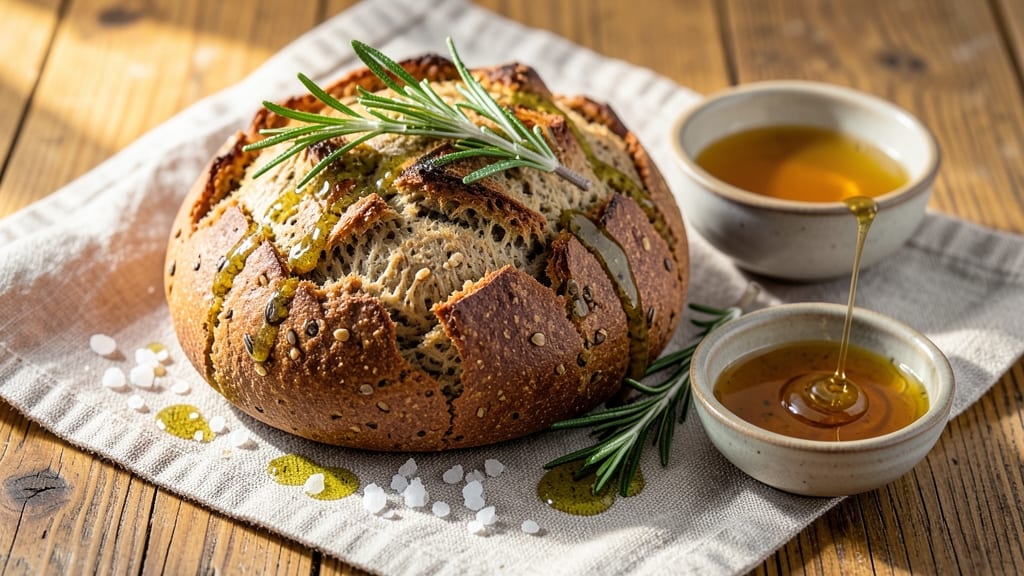
This 50 whole wheat bread recipe delivers a perfect balance of nutty crust and light, airy crumb—ideal for sandwiches, toast, or serving warm with butter. ✨ The secret lies in hydrating the dough properly and controlling the oven temperature to achieve that golden-brown crust without drying out the interior. I've perfected this recipe over years of baking, ensuring every loaf turns out consistently delicious.
The beauty of this recipe is its simplicity—just five core ingredients transform into a loaf that rivals artisanal bread. Whole wheat flour provides natural sweetness and a hearty texture, while yeast and warm water activate the rising process.
A touch of honey or sugar helps feed the yeast for a lighter crumb, and a sprinkle of salt enhances the flavor. The kneading process develops gluten, which gives the bread its signature structure and chewiness.
What you'll end up with is a loaf with a crisp, nutty crust that gives way to a soft, airy interior—perfect for slicing thin or serving thick. The aroma of freshly baked whole wheat bread fills your kitchen, making it impossible to resist.
This recipe is versatile enough for everyday use but impressive enough for guests, proving that homemade bread can be both practical and extraordinary.
For added flavor, consider mixing in seeds like sunflower or flax, or herbs like rosemary or thyme. The possibilities are endless, but the base recipe remains foolproof. Let's get started on baking your perfect loaf!
Ingredients for 50 whole wheat bread
Five simple ingredients transform into a loaf with golden crust and airy crumb—perfect for any occasion.
| Ingredient | Amount | Notes |
|---|---|---|
| Whole Wheat Flour 🌾 | 5 cups | Unbleached, high-protein for chewiness |
| Active Dry Yeast 🍞 | 2 ¼ tsp | Or 1 packet (2.25 tsp) |
| Warm Water 💧 | 1 ½ cups | 110°F (43°C) for yeast activation |
| Honey 🍯 | 2 tbsp | Or light brown sugar |
| Sea Salt 🧂 | 1 ½ tsp | Diamond Crystal preferred |
| Olive Oil 🫒 | 2 tbsp | Extra-virgin for flavor |
| Cornmeal 🌽 | ¼ cup | For dusting baking sheet |
| Sunflower Seeds 🌻 | ¼ cup | Optional for nutty crunch |
The flour is everything here—look for high-protein whole wheat (like King Arthur or Bob's Red Mill) for that perfect chew. Whole Foods bulk section or King Arthur's website are great sources. If your flour is old (over 6 months), toast it in a dry pan for 5 minutes first—revives the flavor. The yeast? Fresh is best—check the date and store it in the fridge if you're not using it soon. Warm water is key: too hot kills the yeast, too cold and it won't activate. 110°F is ideal—think warm bathwater. For honey, local raw honey adds extra depth, but regular works fine. Salt matters too—Diamond Crystal dissolves better than table salt, giving you cleaner flavor.
No honey? Maple syrup or agave works 1:1, but honey's natural enzymes help the yeast. Short on seeds? Flax or sesame seeds add a nice crunch too. The olive oil can be swapped for melted butter if you're not strictly vegan (though the crust will be slightly softer). For extra flavor, add 1 tsp rosemary or thyme to the dough. If you're baking in a high-altitude area, add 1 tbsp extra flour—whole wheat absorbs more moisture. The dough should be sticky but not wet; if it's too dry, add 1 tbsp water. Don't over-knead—whole wheat develops gluten faster than white flour, so 8-10 minutes by hand is plenty.
This dough doubles in size during the first rise, so use a bowl that's not too big—it'll overflow. For the second rise, shape the loaf on a parchment-lined tray and let it puff up right on the baking sheet. The crust gets crispier if you brush the top with water before baking. Freshly baked, it keeps well at room temperature for 2-3 days, but for longer storage, wrap tightly in foil and freeze for up to 3 months. To reheat, wrap slices in foil and warm in a 350°F oven for 5 minutes—nothing like warm whole wheat bread straight from the oven!
Why You'll Love This Recipe
- Pantry Staples Only: I swear by this dough—no specialty ingredients, just flour, yeast, water, and a drizzle of honey. That’s it. The yeast works its magic while I mix, and the honey adds just enough sweetness to balance the whole wheat’s earthiness without overpowering it.
- No-Knead, No Stress: Between us, kneading bread stresses me out. This recipe skips it entirely—just stir, let it rise, and bake. The dough’s sticky but forgiving, and the slow rise (even overnight) means I can set it and forget it. Honestly, my lazy Sundays thank me.
- Crusty Outside, Soft Inside: That honey-salt crust? Chef’s kiss. It crackles like a campfire but gives way to a pillowy center—no dry, dense loaves here. Toast it for breakfast, slice it for sandwiches, and watch everyone reach for seconds.
- Budget-Friendly Baking: Whole wheat flour is cheaper than white, and this recipe stretches further than store-bought. I make two loaves for the price of one, freeze extras, and still save money. Plus, the salt and honey are pantry basics—no extra shopping trips. My wallet and I are best friends now.
Step-by-step instructions for 50 whole wheat bread
Here's how to bake a loaf with a nutty crust and airy crumb that rivals artisanal bread!
👨🍳 Step 1: Activate the Yeast for Maximum Rise
In a small bowl, whisk together the 1.5 cups warm water (about 110°F) with the 2 tbsp honey until the honey dissolves completely. This sweetener feeds the yeast and kickstarts fermentation. Sprinkle the 2.25 tsp active dry yeast over the water and let it sit for 5-10 minutes until it becomes frothy and bubbly.
I always do this test first—if no bubbles form after 10 minutes, your yeast is dead and you'll need to start over. The mixture should smell slightly sweet and yeasty, not flat or sour. This activation step ensures your dough will rise properly and develop that light, airy crumb we're after.
👨🍳 Step 2: Mix the Dough with Wet and Dry Ingredients
In the bowl of a stand mixer fitted with the dough hook attachment, combine the 5 cups whole wheat flour and 1.5 tsp sea salt. With the mixer on low speed, gradually add the yeast mixture and 2 tbsp olive oil, mixing just until combined. The dough will look shaggy at first—this is normal with whole wheat flour.
After about 2 minutes of mixing, the dough will start pulling away from the sides of the bowl. Add the 0.25 cup sunflower seeds and mix for another 30 seconds just to distribute them evenly. The seeds add a nice crunch and nutty flavor, but don't overmix or you'll develop too much gluten and make the bread dense.
🥘 Step 3: Knead Until Smooth and Elastic
Increase the mixer speed to medium and knead the dough for 5-7 minutes until it becomes smooth, elastic, and springs back when poked. Whole wheat dough is trickier than white flour dough—it's more dense and can feel gummy. You'll know it's ready when it passes the "windowpane test": stretch a small piece between your fingers and it should be thin enough to see light through without tearing.
If the dough feels too sticky, wet your hands slightly as you work with it. The goal is to develop enough gluten for structure, but not so much that the bread becomes tough. I like to do this step on a lightly floured surface if my mixer isn't powerful enough to handle the whole wheat's density.
⏰ Step 4: First Rise Until Doubled in Size
Lightly grease a large bowl with olive oil, place the dough inside, and cover it with a damp kitchen towel. Let it rise in a warm place (like near the turned-off oven with the light on) for 1-2 hours or until it has doubled in size. The dough should feel puffy and jiggly when you gently press the center—this indicates proper fermentation.
Here's the thing—whole wheat dough rises slower than white flour dough, so don't rush this step. The longer it ferments, the more flavor develops. If your kitchen is cold, place the bowl on top of your refrigerator (which generates heat) to create a warm environment. Patience here makes all the difference in that light, airy crumb we're after.
🔥 Step 5: Shape, Proof, and Bake to Golden Perfection
Punch down the risen dough to release air, then turn it out onto a lightly floured surface. Gently shape it into a loaf by folding the ends toward the center and rolling it into a log. Place the loaf seam-side down in a greased 9x5-inch loaf pan that's been sprinkled with 0.25 cup cornmeal for easy removal and a crispy bottom crust.
Cover the pan with the damp towel and let the dough proof for another 30-45 minutes until it rises about 1 inch above the pan. Preheat your oven to 375°F during the final proofing. When ready, bake for 40-45 minutes until the bread is deep golden brown and sounds hollow when tapped on the bottom. The internal temperature should reach 190-200°F.
⏰ Step 6: Cool and Enjoy Your Homemade Masterpiece
Remove the bread from the pan immediately and place it on a wire rack to cool completely for at least 1 hour. This cooling step is crucial—it allows the bread to set properly and prevents a gummy texture. The crust should be firm and crisp, while the crumb inside should be light and airy with visible holes from the yeast activity.
Slice the bread while still slightly warm for the best texture. Each slice should reveal that beautiful open crumb structure with pockets of air, and the nutty flavor from the sunflower seeds should complement the whole wheat goodness. Store any leftovers wrapped in a clean kitchen towel to keep it fresh for up to 3 days at room temperature.
Pro Tips For Making 50 Whole Wheat Bread
- Weigh Your Flour: Whole wheat flour packs differently than all-purpose—don’t eyeball it. Use a kitchen scale for the 50g increments; even a 5g difference throws off the dough’s balance, making it dense or gummy. (I learned this after tossing three batches that turned out like hockey pucks.)
- Bloom Yeast in Honey Water: Skip the dry yeast straight into flour—it’s lazy and often ineffective. Mix the yeast with warm water (105–110°F) and honey first, let it sit for 5–10 minutes until frothy. This ensures it’s active and sweetens the dough subtly without extra sugar. (Yes, even if you’re impatient like me.)
- Knead Until Windowpane: Stop when you can stretch a small piece of dough thin enough to see light through it—about 8–10 minutes by hand. Over-kneading whole wheat turns it tough; under-kneading leaves it chewy. (Your future self will thank you for the texture check.)
- Steam the Oven: Place a metal tray on the bottom rack and pour in 1 cup of boiling water 5 minutes before baking. The steam helps the crust brown evenly and keeps the crumb soft. (Does it look weird? Yes. Does it work? Every single time.)
Perfect pairings for this 50 whole wheat bread
Classic Spreads
Nothing beats this whole wheat bread with creamy peanut butter and sliced banana—the nutty seeds in the bread complement the peanut flavor beautifully. I also love almond butter with honey drizzle for a sophisticated touch.
For a savory option, try hummus with sliced cucumber and cherry tomatoes on toasted slices. 🥜
Cheese Pairings
Sharp aged cheddar melts perfectly into warm slices, especially when paired with apple slices for a sweet-savory combo. Gouda adds a caramelized richness, while brie creates an elegant pairing with fig jam.
For a lighter option, try feta with olives and a drizzle of olive oil—the saltiness balances the bread's earthy notes.
Breakfast Combinations
Use this bread for avocado toast with a sprinkle of flaky sea salt and red pepper flakes. I also make breakfast sandwiches with scrambled eggs, sharp cheddar, and crispy bacon—the whole wheat adds a hearty texture.
For a sweet morning treat, top with Greek yogurt, granola, and sliced strawberries.
Dinner Sides
Serve warm slices alongside roasted chicken with herb butter for a comforting meal. The bread also pairs wonderfully with beef stew—the crust soaks up the rich broth beautifully. For a vegetarian option, try it with mushroom risotto and a sprinkle of Parmesan cheese.
Dessert Twists
Dip slices in dark chocolate and sprinkle with crushed hazelnuts for a decadent treat. I also make French toast using this bread—it's heartier than white bread and holds up to syrup beautifully. For a quick dessert, toast slices and top with whipped cream and berries.
Beverage Pairings
A strong cup of black coffee or chai tea cuts through the bread's richness perfectly. For something creamy, try hot chocolate with a sprinkle of cocoa powder. A dry red wine like Cabernet Sauvignon pairs well with savory versions, while sparkling apple cider complements sweet variations. 🍷
Nutrition facts
Frequently asked questions
Can I substitute whole wheat flour with white flour?
You can try a 50/50 mix, but the texture and flavor will change significantly. Whole wheat flour adds natural sweetness and a heartier bite that white flour lacks. For a lighter loaf, consider using 2 cups whole wheat flour and 3 cups all-purpose flour—this keeps some of the nutritional benefits while improving rise and texture.
Why did my dough collapse during baking?
This usually happens when the dough hasn't been properly proofed or the oven temperature wasn't hot enough. Make sure your dough doubles in size during the first rise (1-2 hours) and preheats your oven to 375°F before baking. Also, avoid opening the oven door during the first 20 minutes of baking—temperature fluctuations can cause collapse.
How do I store leftover whole wheat bread?
For short-term storage (2-3 days), wrap the loaf tightly in a clean kitchen towel or beeswax wrap to maintain freshness. For longer storage, slice the bread and freeze it—it'll stay fresh for up to 3 months. To reheat, wrap slices in foil and warm in a 350°F oven for 5 minutes or toast directly in a toaster.
Can I make this bread without a stand mixer?
Knead the dough by hand on a lightly floured surface for 8-10 minutes until it becomes smooth and elastic. Whole wheat dough is stickier than white flour dough, so wet your hands slightly if needed. The key is to develop enough gluten for structure—test by stretching a small piece until it's thin enough to see light through.
What if my kitchen is too cold for proper rising?
Place your dough bowl on top of your refrigerator (which generates heat) or near the turned-off oven with the light on. You can also create a warm environment by filling a sink with hot water, placing the dough bowl inside, and covering it tightly. This method mimics a proofing box and helps the dough rise evenly in 1-2 hours.