
Side Dishes
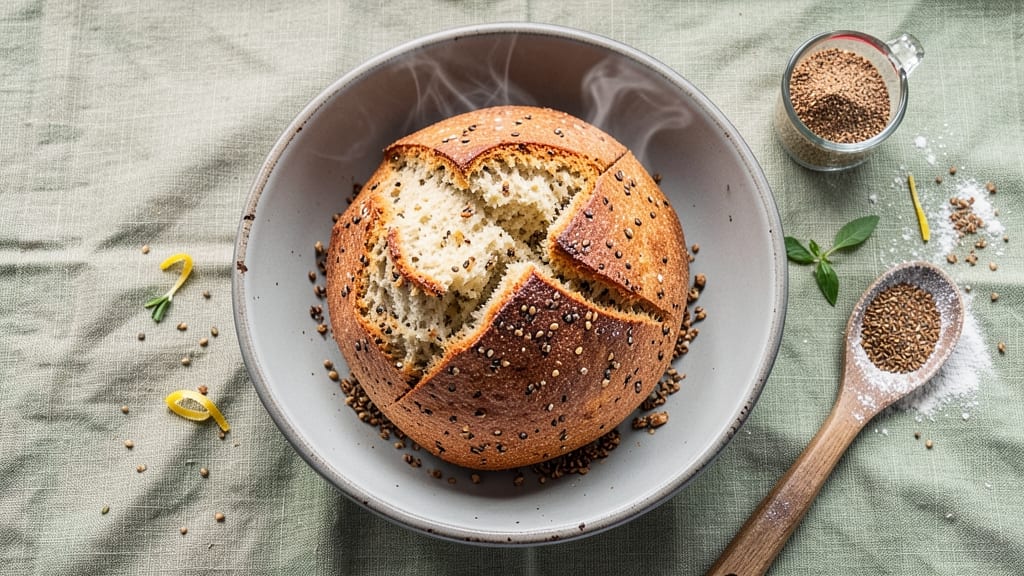
Adding flaxseed meal to your bread recipe transforms ordinary loaves into nutty, dense, and hearty vegan masterpieces. This simple swap replaces eggs while boosting fiber, omega-3s, and moisture—perfect for those seeking plant-based nutrition without sacrificing texture.
The flaxseed meal binds the dough beautifully, creating a tender crumb that stays fresh longer than traditional bread.
The magic happens when you mix 1 tablespoon ground flaxseed with 3 tablespoons water to create a gel-like substitute for each egg in your recipe. This method works seamlessly in both yeasted and quick breads, delivering a subtle earthy flavor that complements whole grains and seeds.
For best results, let the flax "egg" sit for 5 minutes before adding it to your dough—this ensures maximum binding power.
What you’ll end up with is a loaf that’s richer in nutrients, slightly denser in texture, and packed with that satisfying nutty aroma. The flaxseed meal also extends shelf life, making this an ideal choice for meal prep or sharing with friends.
Whether you’re baking sourdough, whole wheat, or multigrain bread, this addition elevates every bite while keeping the process simple and foolproof.
This technique works particularly well for vegan bread recipes, where traditional binders like eggs are absent. The flaxseed meal not only mimics the binding properties of eggs but also adds a satisfying chewiness that many find irresistible.
Ready to bake? Here’s how to incorporate it seamlessly into your favorite bread recipe.
Ingredients for adding flaxseed meal to bread
Nine ingredients transform basic bread into nutty, hearty vegan loaves with perfect texture and extended freshness.
| Ingredient | Amount | Notes |
|---|---|---|
| All-Purpose Flour 🌾 | 3 cups | Unbleached for best texture |
| Ground Flaxseed Meal 🌰 | ½ cup | Freshly ground preferred |
| Water 💧 | 1 ½ cups | Room temperature for activation |
| Active Dry Yeast 🍞 | 2 tsps | Or 1 packet instant yeast |
| Granulated Sugar 🍚 | 1 tbsp | Or coconut sugar for refined-free |
| Salt 🧂 | 1 ½ tsp | Diamond Crystal preferred |
| Extra-Virgin Olive Oil 🫒 | 2 tbsp | For dough elasticity |
| Whole Wheat Flour 🌾 | 1 cup | For added nutrition |
| Ground Flaxseed 🌰 | 2 tbsp | Extra for nutty flavor |
| Chia Seeds 🌱 | 1 tbsp | Optional for omega boost |
| Sesame Seeds 🌻 | 1 tbsp | For crust enhancement |
| Water 💧 | ¼ cup | For dough hydration |
The flaxseed meal is the star here—Bob's Red Mill or Anthony's Goods are my go-tos for quality. Freshly ground flaxseed has more potency, but pre-ground works too (just check the expiration date—it goes rancid fast). For the yeast, Saf-Instant is my favorite because it doesn't need proofing, but active dry yeast works if you give it the 5-minute proof time. The whole wheat flour adds chewiness, so King Arthur brand is ideal—it blends better than some store brands. Pro tip: Toast your whole wheat flour for 5 minutes in a dry pan before mixing to mellow its flavor.
No flaxseed meal? Chia seeds soaked in water (1 tbsp chia + 3 tbsp water) make a decent substitute, though the texture will be slightly gummier. Short on yeast? Baking soda (1 tsp) + apple cider vinegar (1 tbsp) can replace it for quick breads, but you'll lose that sourdough-like rise. Olive oil can be swapped for avocado oil or melted coconut oil—just keep it at room temperature for best results. The sesame seeds are optional but add that perfect crunchy contrast. If you're avoiding gluten, Bob's Red Mill 1:1 Gluten-Free Flour Blend works beautifully with this ratio.
This dough keeps covered in the fridge for 3 days—perfect for meal prep. For longer storage, freeze the shaped loaf (unbaked) for up to 3 months. Thaw overnight in the fridge, then bake as directed. The flaxseed meal extends shelf life by 2-3 days compared to regular bread. I always bake two loaves—one for the week, one to freeze for lazy Sundays. The nutty aroma intensifies as it cools, so let it rest for 10 minutes before slicing. Store in a bread box or paper bag to maintain freshness.
Why You'll Love This Recipe
- No Fancy Tools Needed: I swear by this—just a bowl, a spoon, and your hands. The flaxseed meal mixes right into the flour and water like a dream, no food processor or special skills required. Honestly, my first loaf turned out better than any store-bought bread I’ve bought in years.
- Nutty Earthy Crunch: That ground flaxseed? It’s the secret weapon. The bread develops this subtle, toasty depth—like a cross between whole wheat and sourdough—without tasting like health-food store pretension. (Yes, even my picky husband asks for seconds.)
- Weeknight Wonder: Toss in the yeast, let it rise overnight, and boom—warm bread ready when you wake up. I make a double batch on Sundays, and it’s still fresh by Thursday. Perfect for sandwiches, toast, or just soaking up soup when you’re too tired to cook.
- Pocketbook Hero: Flaxseed meal is cheaper than buying specialty flours, and it stretches the dough further. A single bag lasts me months, and the bread freezes beautifully. Between us, this is how I feed my family without breaking the bank.
Step-by-step instructions for fluffy flaxseed-enhanced bread
Transform simple dough into a nutty, hearty loaf with this foolproof method.
Activate the Yeast with Warm Water
In a small bowl, combine the 1.5 cups water (warmed to 105-110°F) with the 2 tsps active dry yeast and 1 tbsp granulated sugar. Let it sit for 5-10 minutes until frothy—this confirms your yeast is alive and ready to work. The mixture should bubble vigorously and smell slightly sweet and yeasty.
Here's the thing—if the water's too hot, you'll kill the yeast. Test it by sprinkling a pinch of sugar in; if it sizzles, let it cool slightly. This activation step is crucial for developing that perfect rise in your flaxseed bread. Don't skip waiting for the bubbles—patience now prevents flat bread later.
Mix the Wet and Dry Ingredients
In a large mixing bowl, whisk together the 3 cups all-purpose flour, 1 cup whole wheat flour, 0.5 cup ground flaxseed meal, and 1.5 tsp salt. Create a well in the center and pour in the yeast mixture along with the 2 tbsp extra-virgin olive oil. Using a wooden spoon or dough whisk, gradually incorporate the dry ingredients into the wet until a shaggy dough forms.
I like to press the flaxseed meal into the flour first—this prevents those nutty bits from clumping later. Add the 2 tbsp ground flaxseed, 1 tbsp chia seeds, and 1 tbsp sesame seeds now. These seeds will add texture and flavor as they toast during baking. Mix just until combined—overworking the dough develops gluten too early, which can make the final bread dense.
Knead the Dough to Develop Gluten
Turn the dough onto a lightly floured surface and knead for 8-10 minutes until smooth and elastic. The flaxseed meal makes this dough slightly stickier than regular bread dough, so don't be afraid to use a bit more flour if needed—just keep it to a minimum. You'll know it's ready when it springs back slowly when poked and feels slightly firm to the touch.
Real talk: flaxseed dough can be tricky. If it feels too wet, add flour 1 tablespoon at a time—too much can dry it out. The goal is a dough that's just slightly tacky but holds its shape when pinched. The flaxseed meal absorbs moisture differently than regular flour, so expect it to behave a bit differently during kneading.
First Rise for Maximum Flavor Development
Lightly oil a large bowl, place the dough inside, and cover with a damp kitchen towel or plastic wrap. Let it rise in a warm place (75-80°F) for 1-1.5 hours, or until doubled in size. The flaxseed will give your bread a denser texture, so don't worry if it doesn't rise as dramatically as white bread—just look for about 50% increase in volume.
Here's where the magic happens: the yeast ferments the flaxseed meal's natural sugars, creating deeper flavor. Poke the dough gently—if it springs back slowly and leaves a slight indentation, it's ready. If your kitchen isn't warm enough, place the bowl over a bowl of warm water to speed up the process. The flaxseed's oils also help retain moisture during this rise, so you won't need to worry about drying out.
Shape, Proof, and Bake to Golden Perfection
Punch down the dough to release air, then shape it into a loaf. For a classic look, use a 9x5-inch loaf pan lightly greased with olive oil. Let the dough rise again for 30-45 minutes until it domes slightly above the pan. Preheat your oven to 375°F while the final proof happens.
Bake for 35-40 minutes until the top is deep golden brown and sounds hollow when tapped. The flaxseed will create a beautiful, textured crust with those toasted sesame seeds peeking through. For extra browning, brush the top with a bit of water after 20 minutes in the oven. Let it cool on a wire rack for at least 30 minutes—this prevents a gummy interior from the flaxseed's moisture.
Pro Tips For Making Adding Flaxseed Meal To Bread
- Mix Flaxseed First: Mix the ground flaxseed meal with the water first—let it sit for 5 minutes to form a gel before adding it to the flour. This prevents clumping in the dough and ensures the flaxseed’s moisture and nutrients distribute evenly (yes, even if you’re impatient like me).
- Use Warm Water: The yeast needs warmth to activate, but don’t use boiling water—aim for 105–110°F (40–43°C). If your tap water runs cold, let it sit for 10 minutes after boiling and cooling. Cold water kills the yeast, and dead yeast means no rise.
- Don’t Over-Knead: Flaxseed meal makes dough stickier and denser, so resist the urge to knead like you’re punishing it. Three to four minutes by hand (or three 30-second bursts in a mixer) is enough—overworking it turns your bread into a tough brick.
- Add Extra Yeast: Flaxseed absorbs moisture differently, which can slow fermentation. Toss in 0.25 teaspoons extra yeast per cup of flour if your dough isn’t bubbly after an hour. It’s a small tweak that saves you from a flat loaf.
Pro cooking tips for this recipe
Flaxseed Activation
Always mix your 1 tablespoon ground flaxseed meal with 3 tablespoons water and let it sit for 5-10 minutes before adding to dough. This creates a gel-like consistency that mimics eggs perfectly.
I use Bob's Red Mill flaxseed meal because it activates more reliably than cheaper brands. The longer you wait, the stronger the binding power—don't skip this step! 💧
Dough Consistency
Flaxseed dough tends to be stickier than regular bread dough due to its moisture content. Add flour 1 tablespoon at a time only when necessary—too much can make your bread dry.
I find King Arthur whole wheat flour blends best with flaxseed for texture. If your dough feels too wet after kneading, let it rest covered for 15 minutes before shaping.
Kneading Technique
The flaxseed meal requires slightly less kneading than regular dough—aim for 8-10 minutes total. Overworking develops too much gluten, which can make your bread dense. I use a wooden dough scraper to keep everything contained while kneading. The dough should be smooth but slightly tacky—this is normal with flaxseed!
Yeast Handling
Flaxseed's natural sugars can overfeed yeast, causing excessive rising. Use Saf-Instant yeast and proof at 75-80°F for 1-1.5 hours. If your dough rises too quickly, it may collapse during baking.
For better control, reduce yeast by 25% if using whole grains, which ferment faster. Always check yeast freshness—old yeast won't activate properly.
Baking Adjustments
Flaxseed bread benefits from a 5°F lower temperature (370°F) for the first 20 minutes to prevent over-browning. The seeds toast quickly! I brush the top with water at 20 minutes for extra shine. Let baked loaves cool 30+ minutes before slicing—the flaxseed's moisture makes warm bread gummy. 🍞
Storage Secrets
Flaxseed bread stays fresh 3-4 days at room temperature thanks to the seeds' natural preservatives. For longer storage, freeze the baked loaf for up to 3 months. Thaw overnight in the fridge, then reheat wrapped in foil at 350°F for 10 minutes.
The flaxseed's oils actually improve with time, making day-old bread even more flavorful!
Nutrition facts
Frequently asked questions
Why does my flaxseed bread turn out dense instead of light?
The flaxseed meal adds moisture and natural oils that can make bread denser if overmixed. Knead for only 8-10 minutes and avoid adding extra flour—this disrupts the gluten structure. Also, let the dough rise fully (until doubled) and bake at 375°F for even heat distribution. The flaxseed's binding properties work best with gentle handling.
Can I substitute whole flaxseeds for flaxseed meal?
While you can grind whole flaxseeds yourself, freshly ground flaxseed meal works best for binding. Whole seeds won't activate properly to replace eggs. If you must use whole seeds, grind them into a fine powder first—1 tablespoon ground seeds = 1 tablespoon meal. For texture, toast the seeds separately and sprinkle on top after baking.
How much flaxseed meal replaces one egg in bread?
Use 1 tablespoon ground flaxseed meal + 3 tablespoons water per egg. Mix and let sit for 5-10 minutes to form a gel. This ratio works for most bread recipes, including quick breads and yeasted loaves. For extra moisture, add 1 teaspoon extra water if your dough feels dry after kneading.
Does flaxseed bread taste different than regular bread?
Yes! Flaxseed adds a subtle nutty, earthy flavor that pairs beautifully with whole grains and seeds. The texture becomes slightly denser and chewier, with a moist crumb that stays fresh longer. Many describe it as "toasted" or "toffee-like" when baked properly. The flavor develops more with time—try toasting slices for extra depth!
Can I add flaxseed meal to gluten-free bread?
Flaxseed meal works wonderfully in gluten-free bread as a binder and moisture enhancer. Use 1.5 tablespoons flaxseed meal per cup of gluten-free flour blend (instead of 0.5 cups). For best results, combine with 1 tablespoon xanthan gum and let the dough rest 20 minutes before shaping to improve elasticity.