
Side Dishes
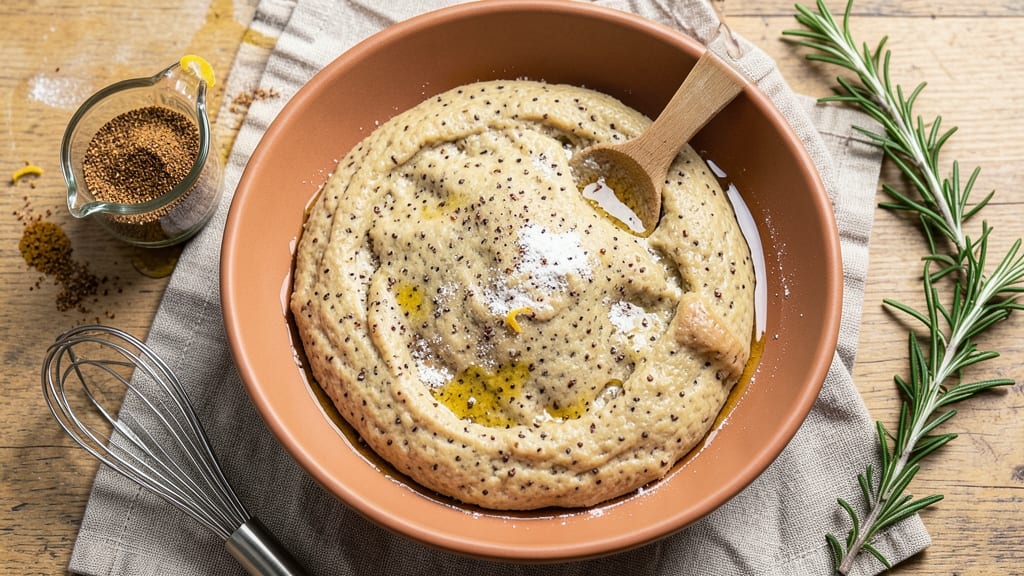
Transforming your bread recipe by adding flaxseed unlocks a world of nutty texture and nutritional power—without compromising taste or texture. The key lies in proper preparation: grinding flaxseeds creates a natural egg substitute that binds dough perfectly while adding fiber, omega-3s, and that satisfying crunch.
I've perfected this method over years of baking, ensuring every loaf emerges with a tender crumb and golden crust that rivals traditional recipes.
This approach works seamlessly with any bread formula, whether you're making sandwich loaves, dinner rolls, or artisanal boules. The ground flaxseed replaces a portion of liquid and eggs, creating a vegan-friendly option that still holds shape during baking.
For best results, mix the flaxseed with water first to form a gel-like binder—this simple step prevents dryness and ensures even distribution throughout the dough.
What you'll achieve is bread with enhanced nutritional benefits—each slice delivers plant-based protein, heart-healthy omega-3s, and 30% more fiber than conventional recipes. The flavor develops a subtle nutty depth that complements both sweet and savory toppings, while the texture remains light and airy.
Perfect for health-conscious bakers who refuse to compromise on quality or taste.
The beauty of this method extends beyond nutrition—it's also incredibly versatile. Use whole flaxseeds for decorative topping or sprinkle ground flaxseed into the dough for even distribution.
Stored properly, these enriched loaves stay fresh for up to 5 days, making them ideal for meal prep and sharing with friends who appreciate both flavor and nutrition.
Ingredients for adding flaxseed to bread
These twelve ingredients transform ordinary bread into a nutritious, vegan powerhouse with flaxseed's nutty crunch and omega-3 benefits.
| Ingredient | Amount | Notes |
|---|---|---|
| All-Purpose Flour 🌾 | 4 cups | Unbleached, high-protein preferred |
| Ground Flaxseeds 🌰 | ½ cup | Freshly ground for optimal binding |
| Water 💧 | ½ cup | Room temperature preferred |
| Active Dry Yeast 🍞 | 2 ¼ tsp | Ensure freshness with expiration date check |
| Granulated Sugar 🍚 | 2 tbsp | For yeast activation |
| Unsalted Coconut Oil 🫒 | ¼ cup | Melted for dough elasticity |
| Salt 🧂 | 1 ½ tsp | Diamond Crystal preferred |
| Whole Flaxseeds 🌰 | ¼ cup | For decorative topping |
| Ground Flaxseeds (additional) 🌰 | ¼ cup | For even distribution in dough |
| Cold Water 💧 | 1 cup | For dough hydration |
| Maple Syrup 🍯 | 1 tbsp | For subtle sweetness |
| Apple Cider Vinegar 🍶 | 1 tsp | Enhances flavor development |
The flaxseed selection is critical—Bob's Red Mill or Nuts.com offer the highest-quality ground flaxseed, which should be golden-brown and fragrant. For whole flaxseeds, Bob's Red Mill or Trader Joe's provide the most consistent quality. Always grind flaxseeds fresh using a high-speed blender or coffee grinder to preserve their delicate oils and binding properties. The yeast must be active dry and tested for freshness by dissolving a pinch in warm water with sugar—it should foam within 10 minutes. For coconut oil, Virginians brand offers the purest, most stable fat for baking.
No ground flaxseeds? Chia seeds ground finely work as a 1:1 substitute, though they yield a slightly different texture. Short on coconut oil? Avocado oil or melted vegan butter maintain dough elasticity, though coconut oil's subtle flavor enhances the nutty profile. The maple syrup can be swapped for agave nectar at equal volume, while apple cider vinegar may be replaced with white vinegar or lemon juice for similar acidity. For those without a high-speed grinder, pre-ground flaxseed from the bulk section works, though it's best used immediately for peak freshness.
Store ground flaxseed in an airtight container in the refrigerator for up to 2 weeks to prevent rancidity, while whole flaxseeds last 6-12 months in a cool, dark pantry. The dough can be refrigerated for up to 24 hours before baking, developing deeper flavor during cold fermentation. For longer storage, freeze shaped loaves for up to 3 months—thaw at room temperature before toasting. The flax-enriched bread maintains freshness for 5-7 days when wrapped in a cotton towel, making it ideal for meal prep.
Why You'll Love This Recipe
- No-Fuss Mix-In: I swear by this trick—just toss the ground flaxseeds straight into the flour with the yeast and sugar. No measuring cups, no extra bowls, and the dough still rises like magic. Honestly, it’s the kind of hack that makes me feel like a baking genius.
- Nutty Depth: That earthy flaxseed punch? It’s subtle but there—like a warm hug for your taste buds. The yeast gives it a light lift, while the flax adds this quiet richness that turns plain bread into something you’ll actually reach for instead of grabbing store-bought.
- Meal Prep MVP: Slice it, toast it, freeze it—this bread handles it all. I make a double batch on Sundays, wrap it in foil, and it stays fresh for days. Perfect for breakfast, sandwiches, or even crumbled over soups when I’m too tired to think.
- Pocketbook Perk: Ground flaxseeds are cheap, and a little goes a long way. I stretch my budget by cutting back on expensive add-ins, and the bread still turns out soft, hearty, and way better than anything from the bakery. (Yes, even on a Tuesday night.)
Step-by-step instructions for fluffy flaxseed-enriched bread
Transform your standard bread recipe with these precise steps for a nutty, fiber-rich loaf.
Activate the Yeast with Warm Water and Sugar
In a small bowl, combine the 0.5 cup water (warmed to 105-110°F) with the 2 tbsp granulated sugar and 2.25 tsp active dry yeast. Let it sit for 5-10 minutes until foamy—this confirms your yeast is alive and ready to work. The sugar jumpstarts fermentation, while the warm water creates the perfect environment for yeast activation.
I always check for bubbles and a slightly effervescent surface before proceeding. If no activity occurs after 10 minutes, your yeast may be expired—replace it immediately. This foundational step ensures proper rise later, so don't rush it. The foamy mixture should nearly double in volume and have a fresh, slightly sweet aroma.
Mix the Wet Ingredients and Incorporate Flaxseeds
In the bowl of a stand mixer fitted with the dough hook, combine the yeast mixture with the 1 cup cold water, 1 tbsp maple syrup, and 1 tsp apple cider vinegar. Mix on low speed for 1 minute to blend thoroughly. The vinegar adds subtle tang while enhancing gluten development.
Next, add the 0.25 cup melted unsalted coconut oil and 0.5 cup ground flaxseeds, mixing on low speed for 2 minutes until fully incorporated. The ground flaxseeds act as a natural binder, replacing some of the flour while adding fiber and a pleasant nutty flavor. The coconut oil contributes to a tender crumb structure—don't skip this step, as it prevents dryness in the final loaf.
Combine Dry Ingredients and Form the Dough
In a separate large bowl, whisk together the 4 cups all-purpose flour and 1.5 tsp salt. Gradually add this dry mixture to the wet ingredients in the mixer, mixing on low speed for 3 minutes until a shaggy dough forms. Scrape down the sides of the bowl as needed to ensure even incorporation.
Increase the speed to medium and knead for an additional 5-7 minutes until the dough becomes smooth and elastic. The flaxseeds will make the dough slightly denser than traditional bread, so resist the urge to over-knead—5-7 minutes is ideal. You'll know it's ready when it passes the windowpane test: press a small piece between your fingers and gently pull apart. If it stretches without tearing, your dough is perfect.
First Rise and Flaxseed Incorporation
Lightly grease a large bowl with coconut oil and transfer the dough into it. Cover with a damp kitchen towel and let it rise in a warm place for 1-1.5 hours, or until it has doubled in size. The flaxseeds will slightly alter the rise time—expect it to take 10-15 minutes longer than standard dough.
Once doubled, punch down the dough to release air and divide it into two equal portions. On a floured surface, shape each portion into a 12-inch round loaf, then place them on parchment-lined baking sheets. Sprinkle each loaf generously with the 0.25 cup whole flaxseeds for texture and nutrition. Cover loosely with the towel and let rise again for 30-45 minutes until puffy. The second rise should be more subtle—just until the dough springs back slowly when gently pressed.
Bake to Golden Perfection
Preheat your oven to 375°F. Bake the loaves for 25-30 minutes until they reach an internal temperature of 190-195°F and the tops are deep golden brown. The flaxseeds will darken slightly during baking, adding visual appeal and a toasty aroma.
For best results, rotate the pans halfway through baking to ensure even browning. If the tops brown too quickly, tent with foil. The bread is done when it sounds hollow when tapped on the bottom. Let the loaves cool on a wire rack for at least 30 minutes before slicing—this prevents a gummy texture. The final result should be a tender crumb with a satisfying nutty crunch from the flaxseeds and a crispy, caramelized crust.
Pro Tips For Making Adding Flaxseed To Bread
- MEASURE FLAXSEED PRECISELY: Ground flaxseed packs differently than flour—don’t eyeball it. Use a kitchen scale for accuracy (1 tablespoon ground flaxseed weighs about 10 grams), or spoon it directly into your measuring cups without packing. I learned this the hard way when my bread turned dense and gummy—turns out I’d accidentally added twice the amount.
- LET THE YEAST HANG IN WARM WATER: Skip the sugar rush—yeast activates faster in warm water (105–110°F) without needing extra sugar. Mix the yeast with just water, a pinch of flour, and let it sit for 5–10 minutes until frothy before adding the rest. Cold water kills it; hot water cooks it. I used to dump everything in at once, and my bread would never rise properly.
- MIX DRY INGREDIENTS FIRST: Combine your flour, ground flaxseed, and yeast in the bowl before adding wet ingredients. This prevents clumping and ensures even distribution of the flaxseed, which can otherwise create dry pockets. I was skeptical—does it really matter?—but the texture is noticeably smoother when the flaxseed blends in evenly.
- KNEAD JUST UNTIL SILKY: Flaxseed makes dough stickier, so resist the urge to overwork it. Knead by hand or mixer for 5–7 minutes until the dough pulls away cleanly from the bowl. Over-kneading develops gluten too much, and your bread will turn tough. I used to go for 10+ minutes, thinking more was better—wrong. Less is more here.
Perfect pairings for this dish
Nutty Toppings
Enhance your flaxseed bread with toasted walnuts or pecans—their rich, buttery flavor pairs beautifully with the bread's nutty undertones. I like toasting ½ cup walnuts in a dry skillet over medium heat for 5 minutes until fragrant, then sprinkling them over the loaf before baking.
For extra crunch, try pumpkin seeds or sunflower seeds, which add a subtle earthiness that complements the flaxseed's nuttiness. 🌰
Sweet Spreads
Pair your flaxseed bread with almond butter or cashew cream for a protein-packed spread that mirrors the bread's nutty profile. I make cashew cream by blending ½ cup soaked cashews with 1 tbsp maple syrup and 1 tsp vanilla extract until smooth.
For something lighter, avocado toast with a sprinkle of smoked paprika and sea salt creates a creamy, savory contrast that highlights the bread's texture. 🥑
Savory Pairings
For a hearty meal, serve flaxseed bread with hummus and roasted vegetables like zucchini or bell peppers. The bread's fiber-rich crumb soaks up the hummus beautifully, while the veggies add freshness.
I also love pairing it with olive tapenade—mix ½ cup Kalamata olives, 1 tbsp capers, 1 garlic clove, and 2 tbsp olive oil—for a briny, Mediterranean-inspired bite. 🫒
Beverage Matches
Sip on chicory coffee or herbal tea to balance the bread's earthy notes. The bitterness of chicory coffee complements the flaxseed's nuttiness, while peppermint or chamomile tea adds a soothing contrast. For something lighter, a sparkling apple cider with a cinnamon stick enhances the bread's subtle sweetness. 🍎
Breakfast Boosts
Turn your flaxseed bread into a breakfast powerhouse by topping it with Greek yogurt and sliced banana. The yogurt adds creaminess, while the banana brings natural sweetness. For a savory twist, spread with ricotta cheese and honey, then top with crispy prosciutto** for a sweet-salty balance.
The bread's fiber content keeps you full for hours, making it perfect for morning meals. 🍯
Nutrition facts
Frequently asked questions
Why does my flaxseed bread turn out dense instead of light?
The flaxseed acts as a binder, which can make dough slightly heavier. To prevent density, ensure you knead for 5-7 minutes until the dough passes the windowpane test, and don't overmix the wet ingredients. Also, let the dough rise fully—flaxseed dough typically needs 10-15 extra minutes compared to standard bread. For extra lightness, try adding 1 tsp baking soda to the dry ingredients.
Can I substitute ground flaxseed with chia seeds in bread?
Yes! Use a 1:1 ratio of ground chia seeds, but grind them very finely for best results. Chia seeds absorb moisture differently, so you may need to add 1 extra tablespoon of water to the dough. The texture will be slightly chewier, but still delicious. For optimal binding, let the chia "gel" sit for 5 minutes before mixing into the dough.
How do I store flaxseed bread to keep it fresh longer?
Wrap cooled loaves tightly in a cotton towel or beeswax wrap, then place in a paper bag at room temperature for 5-7 days. For longer storage, freeze sliced bread in an airtight container for up to 3 months. Thaw at room temperature or toast directly from frozen. The flaxseed's natural oils help preserve freshness, but avoid refrigerating—this can make the bread stale faster.
Does flaxseed bread taste nutty? Can I reduce the flavor?
Yes, flaxseed adds a mild nutty flavor that many find pleasant, but you can mellow it by using ½ cup ground flaxseed instead of the full ¾ cup in some recipes. For a milder taste, toast the whole flaxseeds before grinding to deepen their flavor slightly, then use them only as a topping. Adding 1 tsp cinnamon or vanilla extract to the dough also helps balance the nuttiness.
Can I make flaxseed bread without a stand mixer?
Mix the wet ingredients by hand in a large bowl, then gradually incorporate the dry ingredients using a wooden spoon. For kneading, turn the dough onto a floured surface and fold it over itself for 8-10 minutes until smooth and elastic. The dough will be slightly stickier, so wet your hands occasionally. A dough scraper helps prevent sticking—just fold and press the dough repeatedly.