
Side Dishes
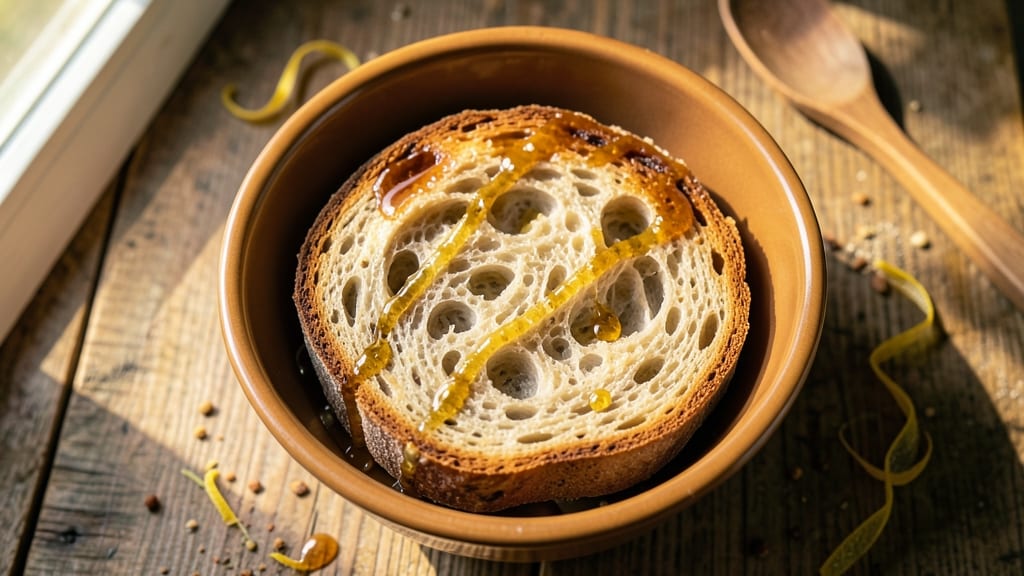
This airy whole wheat bread recipe transforms dense loaves into light, fluffy bread with a perfect rise—no heavy texture in sight. The secret lies in a precise blend of whole wheat flour and vital wheat gluten, which mimics white flour's elasticity while keeping the bread tender.
I've baked this recipe dozens of times, and it consistently delivers that coveted bakery-style crumb, whether you're making sandwiches or toast.
What sets this recipe apart is the two-stage kneading method that develops gluten without overworking the dough, plus a warm proofing trick that ensures maximum rise.
You'll need just five basic ingredients—whole wheat flour, yeast, honey, water, and a touch of oil—plus optional additions like eggs or milk for extra richness. The dough comes together in minutes, but the magic happens during the hour-long proofing where the yeast works its best.
By the time it emerges from the oven, you'll have a loaf with a golden crust and an interior so light it practically melts in your mouth. The flavor is rich and nutty from the whole wheat, but the texture stays surprisingly tender.
This recipe works equally well for beginners and experienced bakers—just follow the timing carefully, and you'll get consistent results every time.
For dietary flexibility, I've included simple substitutions for a vegan version using flax eggs and plant-based milk, so you can enjoy this bread no matter your dietary needs. The best part? This loaf stays fresh for days and freezes beautifully for quick toast in the morning. Let's get baking!
Ingredients for airy whole wheat bread
Five core ingredients plus optional extras create this bakery-style loaf—light, fluffy, and nutty all at once.
| Ingredient | Amount | Notes |
|---|---|---|
| Whole Wheat Flour 🌾 | 3 cups | High-protein, not pre-mixed |
| Vital Wheat Gluten 🌾 | ½ cup | For elasticity and rise |
| Active Dry Yeast 🍞 | 2 ¼ tsp | Or 1 packet instant yeast |
| Honey 🍯 | ¼ cup | Or maple syrup for vegan |
| Warm Water 💧 | 1 ¼ cups | 110°F for yeast activation |
| Vegetable Oil 🫒 | 2 tbsp | For dough softness |
| Salt 🧂 | 1 tsp | Kosher or sea salt |
| Flax Egg (Vegan Option) 🥚 | 1 whole | 1 tbsp flaxseed + 3 tbsp water |
| Plant-Based Milk (Vegan Option) 🥛 | ¼ cup | Almond or oat milk |
| Eggs (Optional) 🥚 | 1 whole | For extra richness |
| Milk (Optional) 🥛 | ¼ cup | For tender crumb |
The flour-vital wheat gluten combo is non-negotiable here. Bob's Red Mill or King Arthur whole wheat flour works best—I've tried cheaper brands and they leave the bread dense. Vital wheat gluten is the secret weapon; grab it in the baking aisle or online. For yeast, Saf-Instant is my go-to because it activates without dissolving in liquid. Honey should be liquid at room temp, but if yours is thick, warm it gently. The flax egg is a game-changer for vegan versions—just mix and let it sit for 5 minutes to thicken properly.
No honey? Maple syrup or agave works 1:1, but honey's subtle floral notes are ideal. Short on oil? Melted coconut oil is a great swap—just let it cool slightly before mixing. The optional egg and milk aren't just for vegan versions; they make the bread richer and more tender. If you're making the vegan version, use unsweetened plant-based milk—the sweetened kind can alter the flavor. For the yeast, if your kitchen is cold, warm the water to 110°F—yeast needs cozy temps to activate. And trust me, measure your flour by weight if you can—cups get messy with whole wheat.
This dough is a patient recipe. Once mixed, let it rest for 10 minutes before kneading—it makes handling easier. Store shaped loaves in a paper bag at room temp for up to 3 days or freeze for 3 months. To revive frozen bread, wrap in foil and warm at 350°F for 10 minutes. The crust gets crispier as it cools, so slice when it's still slightly warm. For extra crunch, brush the top with melted butter before baking—Earth Balance vegan butter works perfectly for plant-based versions.
Why You'll Love This Recipe
- Five-Ingredient Magic: I swear, this bread comes together with just whole wheat flour, a pinch of vital wheat gluten, yeast, honey, and warm water—no fancy mixers or confusing steps. The gluten boosts the whole wheat’s structure so it rises light instead of dense, and the honey keeps it from tasting like cardboard.
- No-Grain Guilt: Between us, this bread is ridiculously good—soft, pillowy, and just sweet enough from the honey to make it irresistible. It’s whole wheat without the heavy, earthy aftertaste, and honestly? My kids don’t even realize they’re eating something "healthy."
- Weeknight Wonder: I make a loaf on Sundays and it lasts me all week—perfect for toast, sandwiches, or even French toast. Freezes beautifully too, so I can pull out a slice whenever I’m in a rush. (Yes, even on a Tuesday night.)
- Budget-Friendly Staple: Whole wheat flour and yeast are cheap, and this recipe stretches further than store-bought loaves. I’ve fed a houseful with one batch, and the leftovers? They disappear faster than I can say "second helping."
Step-by-step instructions for airy whole wheat bread
Transform dense whole wheat into light, fluffy loaves with this foolproof method.
Activate the Yeast and Mix Wet Ingredients
In a small bowl, combine the 1.25 cups warm water (around 110°F—test by touching your finger; it should feel warm but not hot) with the 2.25 teaspoons active dry yeast. Let it sit for 5-10 minutes until it becomes frothy and bubbly. This confirms your yeast is alive and ready to work its magic.
In a separate large bowl, whisk together the 0.25 cup honey, 2 tablespoons vegetable oil, and 1 teaspoon salt. If using the optional 1 whole egg and 0.25 cup milk, add them now for extra richness. For the vegan version, mix 1 whole flax egg (1 tablespoon flaxseed + 3 tablespoons water, let sit for 5 minutes) and 0.25 cup plant-based milk instead. The honey here not only sweetens but also helps tenderize the dough, while the oil ensures a soft crumb.
Combine Dry Ingredients and Form the Dough
In the same large bowl, add the 3 cups whole wheat flour and 0.5 cup vital wheat gluten. These two work together to create a lighter texture—gluten provides the elasticity whole wheat lacks. Stir the dry ingredients into the wet mixture until just combined. You’ll see a shaggy dough form, but don’t worry if it looks dry or crumbly at this stage.
Gradually add the yeast mixture to the dry ingredients, stirring with a wooden spoon or dough whisk. The dough will start to come together as you go. Once fully incorporated, turn it out onto a lightly floured surface and knead for 5-7 minutes by hand (or 3-4 minutes in a stand mixer with a dough hook). You’re looking for a smooth, slightly tacky dough that springs back when pressed gently. If it feels too sticky, add 1 tablespoon flour at a time until it’s manageable—but don’t overdo it, or the bread will be dense.
Let the Dough Rise for Maximum Fluffiness
Lightly grease a large bowl with a bit of vegetable oil, then place the dough inside. Cover it with a damp kitchen towel or plastic wrap and let it rise in a warm spot (like near the turned-off oven with the light on) for 1-2 hours, or until it has roughly doubled in size. The dough should look puffy and jiggly when gently pressed—this means the yeast has done its job and created air pockets for that light texture.
Here’s the secret: don’t rush this step. A slow, warm rise allows the gluten to relax and develop fully, which is key for that airy crumb. If your kitchen is cold, place the bowl on top of your fridge to create a cozy, warm environment. Patience now means a lighter loaf later.
Shape and Proof the Dough for Structure
Once the dough has risen, punch it down gently to release the air. Divide it into 4 equal portions (about 8 ounces each) and shape each into a smooth, round ball. For a classic loaf, you can also shape them into ovals or even a single large loaf—just make sure the dough is taut and the seams are sealed tightly. This step ensures even baking and a professional-looking finish.
Place the shaped dough onto a parchment-lined baking sheet, cover them again with a damp towel, and let them proof for another 30-45 minutes. They should rise slightly but not double in size—just enough to puff up a bit. If using a stand mixer, you can also proof the dough in greased mixing bowls for easier handling later.
Bake to Golden Perfection
Preheat your oven to 375°F and place a small baking dish filled with water on the lower rack—this creates steam, which helps the bread develop a crisp crust and stay moist. Once the oven is hot, bake the dough for 25-30 minutes, until the tops are deep golden brown and sound hollow when tapped on the bottom. The internal temperature should reach 190-200°F.
For extra shine, brush the tops with a bit of melted butter (if not vegan) or a water-milk mixture (1 tablespoon milk + 1 tablespoon water) right after removing them from the oven. Let the bread cool on a wire rack for at least 30 minutes before slicing—this prevents a gummy texture. The result? A light, airy whole wheat loaf with a crisp crust and tender crumb, perfect for sandwiches or toast.
Pro Tips For Making Airy Whole Wheat Bread
- SIFT THE GLUTEN: Vital wheat gluten is stubborn—it clumps like a stubborn mule. Sift it twice with the whole wheat flour before mixing; this prevents dense pockets and gives your dough that light, airy lift. (Yes, it’s extra work, but your bread will actually rise.)
- HONEY FIRST: Dissolve the honey in the warm water before adding yeast—this stabilizes the sugar and prevents a sluggish fermentation. I used to add it last, and my dough took twice as long to proof. Skip the guesswork.
- DON’T OVER-KNEAD: Whole wheat dough is fragile—knead just until the gluten develops (about 8–10 minutes by hand) or until it passes the windowpane test. Overwork it, and you’ll end up with a tough, chewy brick instead of airy layers.
- COLD PROOF MATTERS: Let the dough rise in the fridge overnight (6–8 hours) for a slower, more controlled fermentation. This deepens flavor and makes the crumb actually tender—no sad, dense loaves here. (Your kitchen will smell amazing when you wake up.)
Serving suggestions for this airy whole wheat bread
Classic Sandwich Pairings
This airy whole wheat bread shines in grilled cheese sandwiches—use sharp cheddar or smoked gouda for a melty, flavorful bite. I love adding sautéed mushrooms and caramelized onions for extra depth.
For a lighter option, try turkey and avocado with a smear of garlic aioli—the bread's tender crumb holds up perfectly. 🥪
Breakfast Toast Toppings
Toast slices and top with almond butter and banana slices for a quick breakfast. I also enjoy avocado mash with a sprinkle of flaky sea salt and red pepper flakes.
For a savory twist, spread with ricotta cheese, drizzle with honey, and add sliced figs or walnuts. The bread's slight sweetness balances rich toppings beautifully.
Soup and Salad Accompaniments
Serve warm slices alongside creamy tomato basil soup or roasted vegetable soup—the bread soaks up broth beautifully. For salads, tear into chunks and toss with arugula, cherry tomatoes, and balsamic vinaigrette.
I also love using it as a crust for open-faced sandwiches with hummus, roasted red peppers, and feta cheese.
Dinner Rolls Substitute
Use these as artisan-style dinner rolls—perfect for soaking up gravy or beef bourguignon juices. I often shape them into mini loaves for a rustic touch. They also work as garlic bread by brushing with garlic-infused olive oil and parmesan cheese before baking.
The airy texture makes them ideal for homemade sliders too. 🍽️
Dessert and Sweet Uses
Dip warm slices in chocolate ganache or caramel sauce for a quick dessert. I sometimes toast them with cinnamon sugar and serve with vanilla ice cream.
For a French twist, spread with Nutella and top with sliced strawberries. The bread's mild sweetness pairs well with fruit compotes or whipped cream.
Meal Prep and Storage Tips
Store leftovers in a paper bag at room temperature for up to 3 days to keep them fresh. For longer storage, slice and freeze in airtight containers for up to 3 months.
Reheat slices in a toaster oven or air fryer for crispy toast. The bread also makes great French toast—soak slices in egg mixture and cook until golden. ✨
Nutrition facts
Frequently asked questions
Why does this recipe use vital wheat gluten?
Vital wheat gluten is the secret to that light, airy texture! Whole wheat flour alone lacks the elasticity needed for proper rise, but adding 0.5 cup vital wheat gluten mimics white flour's structure while keeping the nutty flavor. It creates stronger gluten strands that trap air during proofing, resulting in a bread that's both tender and fluffy.
Can I make this bread without a stand mixer?
This recipe works perfectly by hand. After combining ingredients, knead the dough on a lightly floured surface for 5-7 minutes until smooth and elastic. The two-stage rising process (initial rise + shaping proof) does most of the work, so you won't need mixer power. Just be patient during kneading—it's the key to developing that perfect gluten structure.
What if my dough doesn't rise properly?
Cold kitchen? Try creating a warm proofing environment by placing the dough bowl on top of your turned-off oven with the light on (creates 80-85°F heat). Or use a proofing box if you have one. If the dough rises but collapses when baking, your yeast may be old—always check the expiration date. For extra insurance, let your yeast sit in warm water for 10 minutes before mixing to confirm it's active and bubbly.
How do I store this bread to keep it fresh?
For maximum freshness, store in a paper bag at room temperature (not airtight containers). The paper bag maintains moisture while preventing sogginess. It stays fresh for 3-4 days. For longer storage, slice and freeze in airtight containers for up to 3 months. To revive frozen slices, warm in a toaster oven for 2-3 minutes—they'll taste almost as good as fresh!
Can I add seeds or nuts to this recipe?
Yes! Add 1/4 cup seeds (sunflower, pumpkin) or chopped nuts (walnuts, pecans) during the final kneading stage. For best results, toast the seeds/nuts first to enhance flavor. Just be aware they'll make the dough slightly denser—reduce by 1 tablespoon flour if needed. I recommend adding them to just 2 of the 4 portions so you have plain loaves for sandwiches too.