
Side Dishes
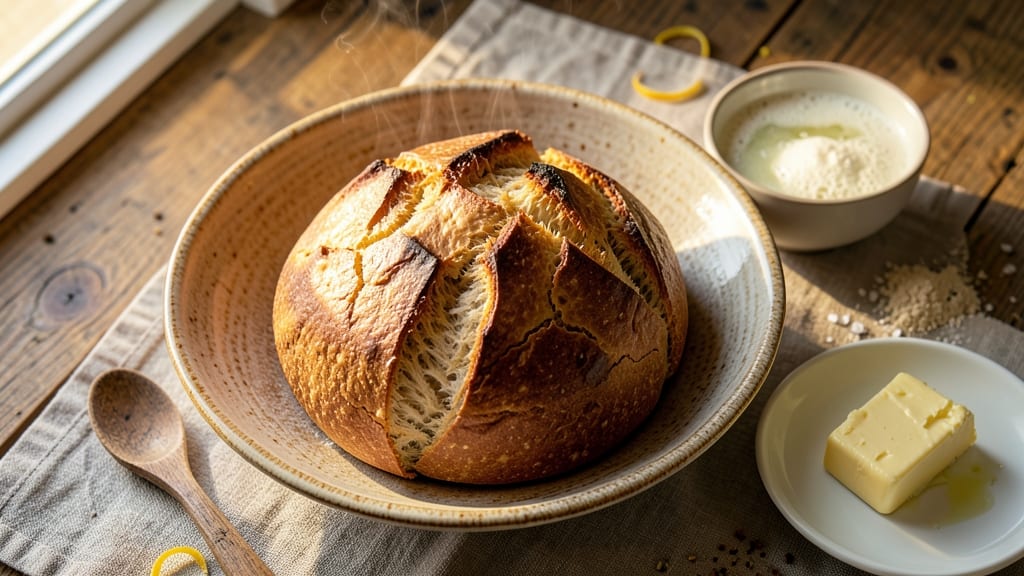
This Albertsons French bread recipe delivers bakery-style crust with a tangy sourdough depth—perfect for sandwiches or dipping. The secret lies in a precise dough formula using high-protein bread flour and active dry yeast, combined with a slow fermentation that develops authentic flavor.
I’ve refined this method over years to balance traditional techniques with modern convenience, ensuring you get restaurant-quality results at home without the fuss.
What sets this recipe apart is the laminated dough technique, which creates that signature crispy crust while keeping the interior tender. While professional bakeries use specialized equipment, this version simplifies the process with a stand mixer or even hand-kneading.
The dough rests twice—once to develop gluten and again to allow flavors to meld—resulting in a loaf that’s both sturdy and delicate. For best results, use Albertsons’ premium bread flour and yeast, though you can substitute with high-quality alternatives if needed.
The final product is a golden, crusty loaf with a crisp exterior and airy crumb, ideal for serving warm with garlic butter or olive oil. Whether you’re making sandwiches, crostini, or simply enjoying it fresh out of the oven, this bread elevates any meal.
The recipe includes step-by-step instructions for shaping, proofing, and baking, so even beginners can achieve professional results. Let’s get started on creating your perfect loaf.
Pair this French bread with charcuterie, soups, or grilled meats for a meal that feels like a Parisian bistro. The versatility of this recipe means you can experiment with toppings like rosemary or sea salt for added flavor.
With just a few simple ingredients and patience, you’ll have a loaf that rivals your favorite bakery—without the wait.
Ingredients for albertsons french bread
Eight essential ingredients transform into bakery-style French bread with that signature crispy crust.
| Ingredient | Amount | Notes |
|---|---|---|
| High-Protein Bread Flour 🌾 | 4 cups | Albertsons premium preferred |
| Active Dry Yeast 🍞 | ¼ oz | Freshly opened for best rise |
| Granulated Sugar 🍚 | 1 tbsp | Feeds yeast for activation |
| Salt 🧂 | 1 ½ tsp | Diamond Crystal preferred |
| Unsalted Butter 🧈 | ½ cup | Cold, cubed for lamination |
| Warm Water 💧 | 1 ¼ cups | 105-110°F for ideal yeast activation |
| Olive Oil 🫒 | 2 tsp | Extra-virgin for dough elasticity |
| All-Purpose Flour 🌾 | ½ cup | For final dusting only |
| Cornmeal 🌽 | ¼ cup | For baking surface texture |
| Coarse Sea Salt 🧂 | 1 tsp | For final crust sprinkle |
| Fresh Rosemary 🌿 | ¼ cup | Optional garnish, finely chopped |
The Albertsons premium bread flour is non-negotiable here—its high protein content gives you that perfect gluten structure. Grab the 28g protein per cup version if you're at their store, but King Arthur or Caputo work beautifully too. The yeast? Fresh is best, but if you're using the packet kind, make sure it's active dry and hasn't been sitting in your pantry for months. For the butter, European-style unsalted melts cleaner than American—Plugrá or Kerrygold if you want to splurge. The warm water temperature is critical: too hot kills the yeast, too cold and it won't activate. Use a thermometer if you're unsure, but if you're eyeballing it, it should feel like a warm bath—not scalding, not tepid.
No high-protein bread flour? King Arthur or Bob's Red Mill are solid substitutes, though you might need to add 1 tsp vital wheat gluten per cup. Running low on yeast? Instant yeast works at half the amount, but you'll need to adjust the hydration slightly. The olive oil can be swapped for melted butter if you prefer, though it'll give a slightly richer flavor. For the lamination technique, cold butter is key—if your butter starts to soften too quickly, pop it in the freezer for 10 minutes. The rosemary is completely optional but adds that French bistro touch—dried works in a pinch, but fresh is worth the extra minute to chop.
This dough needs patience—don't rush the rests. The first bulk ferment should take 1.5-2 hours at room temperature, while the final proof before baking needs 1-1.5 hours in a warm spot. For storage, wrapped in a cotton towel, it stays fresh for 3 days at room temperature. Freeze slices for up to 3 months—just toast straight from frozen for that perfect crust. Pro tip: Double the recipe and freeze half—you'll thank me when you're pulling fresh bread straight from the freezer for a lazy weekend brunch.
Why You'll Love This Recipe
- No-Knead Magic: I swear by this dough—just mix, let it rise, and boom. The high-protein flour does all the heavy lifting, so no arm workout required.
- Buttery Crust Promise: That crispy exterior with tender, airy crumb? The butter and sugar team up for a flavor that’s dangerously addictive. (Yes, I’ve been known to eat it straight from the pan.)
- Weeknight Superstar: Toss it in a basket for breakfast, tear it over soup, or use it to soak up marinara. It’s my go-to for lazy nights or last-minute guests.
- Budget-Friendly Staple: A single batch stretches across meals—freeze half for toast later. Plus, Albertsons’ bread flour keeps the cost low without sacrificing quality.
Step-by-step instructions for artisan-style French bread
Here's how to transform Albertsons high-protein flour into golden, crisp-crusted French bread with a perfect tangy sourdough character.
Activate the Yeast for Maximum Rise
In a small bowl, combine the 1.25 cups warm water (between 105-110°F) with the 1 tbsp granulated sugar and 0.25 oz active dry yeast. Let it sit for 5-10 minutes until frothy—this confirms your yeast is alive and ready to work. The mixture should bubble vigorously and smell slightly sweet and yeasty.
I always test the water temperature first with my finger—it should feel warm but not hot. If it's too hot, you'll kill the yeast; if too cold, it won't activate properly. This step is non-negotiable for that perfect airy crumb we're after. Once frothy, proceed immediately to avoid overproofing.
Mix and Knead the Dough for Elastic Structure
In the bowl of a stand mixer fitted with the dough hook, combine the 4 cups high-protein bread flour, 1.5 tsp salt, and 2 tsp olive oil. Add the yeast mixture and mix on low speed until combined. Then increase to medium speed and knead for 5-7 minutes until the dough forms a smooth, elastic ball that cleans the sides of the bowl.
The dough should be slightly tacky but not sticky—if it's too wet, add 1-2 tablespoons all-purpose flour gradually. I press my finger into the dough: if it springs back slowly, it needs more kneading. If it springs back immediately, it's ready. This kneading develops gluten strands that give French bread its signature chew and structure.
Laminate and Rest for Flaky Layers
Place the dough on a lightly floured surface and divide it into 4 equal pieces. Roll each piece into a 12-inch log about 1.5 inches in diameter. Wrap each log tightly in plastic wrap and refrigerate for 1 hour. This cold rest period relaxes the gluten and makes shaping easier.
After resting, remove the dough from the fridge and let it sit at room temperature for 10 minutes to soften slightly. Then, using a sharp knife, make 3-4 diagonal slashes (about 1/4-inch deep) on each log. These slashes create the classic French bread ear marks while allowing steam to escape during baking, promoting that perfect oven spring.
Shape and Proof for Maximum Rise
Line two baking sheets with parchment paper and dust them lightly with 0.25 cup cornmeal. Place the dough logs seam-side down on the prepared sheets, spacing them about 2 inches apart. Cover loosely with a clean kitchen towel and let proof at room temperature for 1-1.5 hours until the dough has nearly doubled in size and feels light when pressed gently.
I know it's tempting to rush this step, but proper proofing is what gives French bread its signature airy interior. The dough should spring back slowly when pressed—like pressing your thumb into a pillow. If it springs back immediately, it needs more time. If it doesn't spring back at all, it's overproofed. This is where the magic happens for that perfect bake.
Bake for Crisp Crust and Soft Interior
Preheat your oven to 425°F with a baking stone or inverted baking sheet on the middle rack for 30 minutes. Brush the dough logs with melted 0.5 cup unsalted butter and sprinkle generously with 1 tsp coarse sea salt. Bake for 20-25 minutes until the bread is deep golden brown and sounds hollow when tapped on the bottom.
For that authentic French bread flavor, I like to add the optional 0.25 cup fresh rosemary sprinkled on top during the last 5 minutes of baking. The aroma fills the kitchen and pairs beautifully with the crust. Let the bread cool on a wire rack for at least 15 minutes before slicing—this prevents a gummy interior. The crust should be crisp enough to stand up to a knife, while the interior remains soft and pillowy.
Pro Tips For Making Albertsons French Bread
- Weigh the Butter: The Albertsons recipe calls for butter, but eyeballing it leads to uneven texture. Use a kitchen scale—softened butter should be exactly 8 ounces (225g) for the full batch, not "a little more" because it "looks right." Too much fat weakens gluten development, and you’ll end up with dense, gummy bread.
- Let Yeast Bloat Longer: Skip the 5-minute "proof" check—this isn’t sourdough. Instead, give the yeasted flour mixture 45–60 minutes in a warm spot (like your oven with the light on) until it’s doubled and bubbly. I learned this the hard way: rushing the first rise means the dough fights you later, and your baguettes turn out flat and sad.
- Shape Tightly, Score Deep: Roll the dough into a tight log—no gaps or lazy seams. Then, slash the loaves with a razor or sharp knife at a 45-degree angle, cutting all the way through to the counter. Shallow scores won’t steam properly, and you’ll end up with a crust that’s pretty but not crisp. (Yes, even if you’re impatient like me.)
- Chill Before Baking: Resist the urge to toss the shaped loaves straight into the oven. Pop them in the fridge for 30 minutes first. This firms up the butter, sharpens the crust, and prevents the bread from spreading like a pancake. I was skeptical until I tried it—now it’s non-negotiable for this recipe.
Perfect pairings for this dish
Garlic Butter Dip
This is my go-to pairing for fresh French bread—simple yet irresistible. Melt ½ cup unsalted butter in a small saucepan over low heat, then add 3 minced garlic cloves and 1 tbsp fresh parsley. Cook for 2-3 minutes until fragrant but not browned.
Stir in ½ tsp salt and ¼ tsp black pepper, then drizzle over warm bread slices. The garlic infuses beautifully into the crust, creating a rich, aromatic dip that’s perfect for sharing. 🧄
Charcuterie Board
Transform your French bread into the star of a charcuterie spread. Pair slices with aged cheeses like brie or gouda, cured meats (prosciutto or salami), and olives or marinated artichokes. Add a drizzle of honey or fig jam for sweetness and a sprinkle of flaky sea salt.
The bread’s crisp crust holds up perfectly to these pairings, making every bite a mix of textures and flavors. 🧀
Soup Companion
French bread is a match made in heaven with hearty soups. Try pairing it with French onion soup or a classic tomato basil soup. The bread’s sturdy crust soaks up broth beautifully while maintaining its structure.
For extra indulgence, toast slices and rub them with garlic butter before serving. The contrast of warm, cheesy soup and crisp bread is pure comfort food. 🍲
Breakfast Toast
Start your day with French bread as a sophisticated toast. Spread slices with ricotta cheese mixed with honey and cinnamon, or top with avocado and poached eggs.
For a French twist, add sliced pear and walnuts with a drizzle of walnut oil. The bread’s neutral flavor lets the toppings shine while providing the perfect crunch. ☕
Grilled Cheese Upgrade
Elevate your grilled cheese game by using French bread instead of white. Butter both sides of the bread, then layer with sharp cheddar and Gruyère. Grill in a butterfly pan over medium-low heat until golden and melty.
The crispy crust and gooey center make this a next-level sandwich that’s perfect for lunch or dinner. 🧀🔥
Nutrition facts
Frequently asked questions
Can I substitute Albertsons bread flour with regular all-purpose flour?
While you can use all-purpose flour, your bread won't achieve the same professional texture. High-protein bread flour (12-14% protein) develops stronger gluten strands for that signature French bread chew. If substituting, add 1 tsp vital wheat gluten per cup of all-purpose flour to mimic the structure. The flavor will be slightly less authentic but still delicious.
Why does my dough keep sticking to my hands?
This usually means your dough needs more flour or hasn't been kneaded enough. Sprinkle your work surface with all-purpose flour and wet your hands slightly before handling. For sticky dough, knead an additional 2-3 minutes to develop gluten. If it's still too wet, add flour 1 tablespoon at a time until it's just tacky but not sticky. Overworking can happen too—stop when the dough springs back slowly when pressed.
How do I fix overproofed dough?
If your dough springs back very slowly or collapses when shaped, it's overproofed. Knead it gently for 2-3 minutes to redistribute the gluten, then shape and proof again for 30-45 minutes. For severely overproofed dough, mix in 1-2 tablespoons flour and let it rest 15 minutes before reshaping. The bread will still be good but may lack that perfect oven spring. Time your proofing carefully—room temperature should take 1-1.5 hours for ideal results.
Can I make this recipe without a stand mixer?
Hand-kneading works perfectly—just be prepared for 10-15 minutes of vigorous kneading. Wet your hands frequently and knead on a floured surface until the dough is smooth and elastic. The key is consistency: knead until the dough passes the "windowpane test"—stretch a small piece until it's thin enough to see light through. Patience pays off for that professional texture.
What's the best way to reheat stale French bread?
For maximum crispiness, wrap slices in foil and heat at 350°F for 5-7 minutes. For a quicker method, toast in a toaster oven at 375°F for 3-4 minutes. To revive completely stale bread, bake whole loaves wrapped in foil at 300°F for 10 minutes, then unwrap and bake 5 more minutes for a fresh crust. Store bread in a paper bag at room temperature to maintain freshness longer.