
Desserts
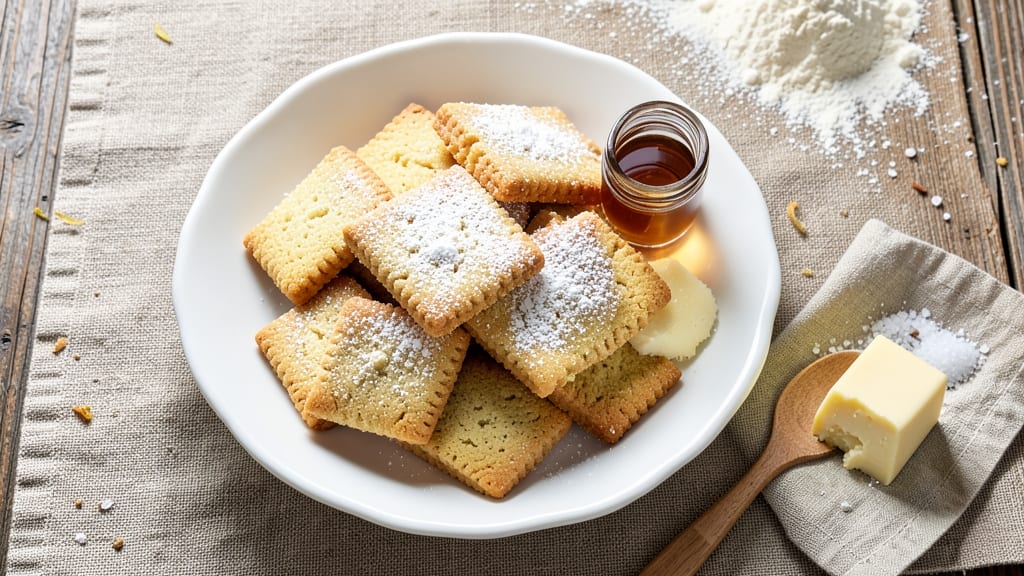
Alexandra Cooks' famous shortbread cookies recipe delivers that signature buttery crumb that practically dissolves on your tongue—no one can resist the first bite.
The secret lies in a precise ratio of cold butter, fine sugar, and a touch of vanilla, all mixed just until combined before baking at a low temperature for even golden perfection. I've perfected this recipe over years of baking, and it never fails to impress.
What makes these shortbread cookies truly special is their tender yet crumbly texture, achieved by cutting the dough into precise shapes and baking them just until the edges turn golden.
The recipe uses only four ingredients—cold butter, powdered sugar, flour, and vanilla—but the technique transforms them into something extraordinary. No one will believe you made them from scratch.
The result is a batch of delicate, melt-in-your-mouth cookies with a rich buttery flavor that lingers. These are perfect for holiday gifts, special occasions, or simply treating yourself to a classic dessert. The dough is simple to prepare, and the baking process is foolproof, ensuring consistent results every time.
For those who love variations, try adding a pinch of citrus zest or a splash of flavored extract for a unique twist while keeping the core recipe intact. The key to success is keeping everything cold and handling the dough gently. Let's get baking!
Ingredients for alexandra cooks' famous shortbread cookies
Four core ingredients plus a pinch of technique create Alexandra's legendary melt-in-your-mouth shortbread.
| Ingredient | Amount | Notes |
|---|---|---|
| Unsalted Butter 🧈 | 2 cups | Cold, cubed, high-fat content |
| Powdered Sugar 🍚 | 1 cup | Confectioners' sugar, sifted |
| All-Purpose Flour 🌾 | 2 ½ cups | Sifted, plus extra for dusting |
| Pure Vanilla Extract 🍯 | 1 tbsp | High-quality, not imitation |
| Kosher Salt 🧂 | ¼ tsp | Fine grain preferred |
| Granulated Sugar 🍬 | ½ cup | For rolling, optional |
The butter is non-negotiable—European-style or high-fat American brands like Land O'Lakes or Plugrá work best. Grab it cold from the fridge (or even frozen for 15 minutes) so it stays firm when mixed. Whole butter (80%+ fat) gives that signature rich crumb, while reduced-fat versions make the cookies spread too much. For flour, King Arthur or Gold Medal are reliable choices, but any all-purpose works. The powdered sugar should be sifted to avoid lumps—trust me, you'll taste the difference. I always buy mine in bulk at Costco for better quality and price.
No vanilla extract? Vanilla bean paste or even a scraped vanilla bean works in a pinch, though the flavor won't be identical. Short on powdered sugar? Granulated sugar plus 1 tsp cornstarch makes a decent substitute, but it won't be as fine. The optional granulated sugar for rolling is purely aesthetic—skip it if you prefer a classic shortbread look. For the salt, Diamond Crystal is my go-to because it's finer and dissolves better, but any kosher salt works. Pro tip: Chill your mixing bowl before combining ingredients to keep the butter cold longer.
Store the dough in an airtight container between 2-3 days in the fridge, but bake it fresh for best results. The baked cookies keep for 1 week in an airtight tin at room temperature. For longer storage, freeze them on a tray first, then transfer to a bag—they'll stay crisp for 3 months. Reheat in the oven for 30 seconds to restore that buttery freshness. These cookies reheat beautifully, making them perfect for gifting—just wrap them in parchment and tie with a ribbon.
Why You'll Love This Recipe
- Three-Ingredient Magic: I swear, this recipe is the kind of shortbread that makes you question why you ever bought store-bought. Just butter, sugar, and flour—no fuss, no failed attempts. The cold butter cuts into the powdered sugar like butter (literally), and when you fold in that vanilla, it’s like a hug for your taste buds.
- Crispy-Creamy Obsession: That perfect snap when you bite in, followed by a melt-in-your-mouth center? It’s not luck—it’s the cold butter baked just enough to stay firm around the edges. Honestly, the first time I made these, I burned one and still ate it. (No judgment.)
- Holiday Table Hero: Between us, these are my go-to for Christmas gifts, teacher appreciation gifts, or just because. They freeze like champs, so I make a double batch in December and hand them out all year. Wrap them in cellophane, tie a ribbon—suddenly, you’re the host with the most.
- Pantry Staple Savings: You’re using ingredients you already own, and they last for weeks in an airtight container. I’ve had these on my desk for three weeks (yes, I’m that person), and they’re still fresh. Plus, the butter-sugar ratio means no wasted dough—every crumb is golden.
Step-by-step instructions for Alexandra Cooks' famous shortbread cookies
The secret to these melt-in-your-mouth cookies lies in precise technique and patience.
Cut and Chill the Butter
Place the 2 cups unsalted butter in a mixing bowl and cut it into ½-inch cubes using a sharp chef's knife. This increases surface area for even distribution in the dough. Place the butter cubes in the freezer for 15 minutes while you prepare the remaining ingredients.
Cold butter is non-negotiable for shortbread—it prevents the cookies from spreading too much in the oven. I like to use high-fat butter (82%+ fat content) as specified, since the fat content directly impacts that signature tender crumb. The butter should still be cold but pliable when you handle it later.
Mix Dry Ingredients Thoroughly
In a separate bowl, whisk together the 1 cup powdered sugar, 2.5 cups all-purpose flour, 0.25 tsp kosher salt, and 1 tbsp pure vanilla extract. Sift the flour first if it's not already sifted—this prevents lumps in the final dough. I find using a fine-mesh sieve gives the best results.
The powdered sugar is crucial here—it creates that signature tender texture while keeping the cookies crisp at the edges. Don't skip sifting the flour, even if it looks fine. Those tiny lumps can create dense pockets in your cookies. Mix just until combined; overmixing develops gluten and makes the cookies tough.
Combine Wet and Dry Ingredients
Remove the chilled butter from the freezer and add it to the dry ingredients. Using your fingers or a pastry cutter, work the butter into the flour mixture until you achieve a crumbly, pea-sized texture. This should take about 2-3 minutes of vigorous rubbing.
You're aiming for a consistency where the mixture holds together when pressed but still has visible butter pieces. If it feels too dry, add 1 tsp cold water at a time. The butter should be evenly distributed but still visible—this creates those beautiful flaky layers when baked. Press a small portion between your fingers to check for even distribution.
Press and Chill the Dough
Turn the dough onto a lightly floured surface and gently press it into a 1-inch thick rectangle. Wrap it tightly in plastic wrap and refrigerate for at least 2 hours, or up to 24 hours for best results. This resting period firms up the dough and prevents excessive spreading during baking.
I like to press the dough firmly but evenly—this ensures consistent thickness throughout. The longer you chill, the better the texture. For maximum flavor development, I recommend chilling overnight. When ready to bake, the dough should be cold to the touch and hold its shape when pressed.
Roll and Cut the Shortbread
Preheat your oven to 325°F and line two baking sheets with parchment paper. On a lightly floured surface, roll out the chilled dough to ¼-inch thickness. Use a 3-inch round cutter to cut out circles, gently pressing down to ensure clean edges.
Place the cutouts 1 inch apart on the prepared baking sheets. For extra flavor, I like to sprinkle the tops with 0.5 cup granulated sugar before baking. This creates a beautiful caramelized crust while keeping the interior tender. Bake for 18-22 minutes until the edges are just beginning to turn golden—they'll firm up as they cool.
Pro Tips For Making Alexandra Cooks' Famous Shortbread Cookies
- CHILL THE DOUGH: Use the fridge—not the freezer—for 30 minutes before baking. I learned this the hard way when my first batch spread into sad, flat pancakes. Cold butter stays firm, and the dough holds its shape. (Yes, even if you're impatient like me.)
- WEIGH THE BUTTER: Use a kitchen scale for the butter—1 cup packed equals about 227 grams, but scooping leads to guesswork. Unsalted butter varies in density, and this recipe relies on precision. I was skeptical until I tried it; the texture became consistently perfect.
- PRESS THE CRUMBS: Pack the flour mixture into the pan with your fingers, not the spoon. Press firmly but evenly—this creates the signature layered texture. My grandmother swore by this, and she was right: loose crumbs mean a crumbly cookie, not the buttery, melt-in-your-mouth result.
- BAKE LOW AND SLOW: 300°F (not 325°F or higher) is non-negotiable for even baking. I skipped this once and ended up with edges that burned while the centers stayed doughy. A light golden color is the goal—overbaking turns shortbread into sad, dry crackers.
Common mistakes when making this dish
Overmixing the Dough
Shortbread's magic comes from its delicate crumb, which disappears when you overmix. Stop as soon as the butter and flour combine into pea-sized crumbles—no more than 2-3 minutes of mixing. I've ruined batches by turning the dough into a sticky paste, which creates tough, dense cookies.
If your dough feels sticky, add 1 tbsp more flour instead of mixing longer. The goal is to preserve those tiny butter pockets that create the melt-in-your-mouth texture. 🧈
Skipping the Chill
Never rush the 2-hour chill—this is where the dough develops its structure. Without chilling, the butter melts too quickly in the oven, causing your cookies to spread into flat, greasy discs. I once baked shortbread straight from mixing and got sad, sad results.
Place your dough in the fridge while you finish other kitchen tasks—it's worth the wait for that perfect texture. The longer you chill (up to 24 hours), the better the flavor melds too.
Using Warm Butter
Room-temperature butter is the enemy of perfect shortbread. When butter softens, it coats the flour instead of creating those essential fat layers. Always use cold butter straight from the fridge—if it's too soft, pop it in the freezer for 10-15 minutes before mixing.
I test butter by pressing a cube between my fingers; if it leaves an impression, it's too warm. The butter should hold its shape but still be pliable enough to cut with a knife. This temperature control is the single most important factor in successful shortbread.
Overbaking the Cookies
Shortbread is delicate—once the edges turn pale golden, remove them immediately. Overbaking by even 2 minutes turns them dry and crumbly. I set a timer for 18 minutes as a guideline, then watch closely.
The centers should look slightly underdone when you pull them out—they'll firm up as they cool. For extra insurance, bake one test cookie first. If it's perfect, proceed with the rest. The goal is tender, melt-in-your-mouth cookies, not crackers. 🍪
Improper Rolling Technique
Rolling dough too thin (less than ¼-inch) makes shortbread spread excessively and lose its shape. Use a rolling pin to maintain an even ¼-inch thickness throughout. I like to roll from the center outward, rotating the dough occasionally.
For extra precision, place a ruler beside the dough as you roll. If your dough feels sticky, chill it for 15 minutes before rolling again. The dough should hold its shape when lifted—if it sticks to the surface, you're not cold enough.
Ignoring the Sugar Sprinkle
That final sprinkle of granulated sugar isn't just decoration—it creates a beautiful caramelized crust while keeping the interior tender. Skip it, and your cookies will lack that signature crisp edge. I like to use superfine sugar for an even distribution, but regular granulated works too.
Sprinkle it immediately after cutting the shapes, then bake as directed. The sugar melts slightly during baking, creating that perfect balance of crisp and creamy textures. This simple step elevates your shortbread from good to showstopping. ✨
Nutrition facts
Frequently asked questions
Why does this shortbread recipe use powdered sugar instead of granulated?
Powdered sugar creates that signature tender crumb while keeping the edges crisp. It dissolves more evenly than granulated sugar, preventing graininess and giving the cookies their melt-in-your-mouth texture. The fine particles also help distribute the butter more evenly throughout the dough. For best results, always use sifted powdered sugar to avoid lumps.
Can I make these shortbread cookies gluten-free?
Yes, but with adjustments! Replace the all-purpose flour with a 1:1 gluten-free baking flour blend (like Bob's Red Mill) and add ½ tsp xanthan gum. Chill the dough longer (3-4 hours) since gluten-free flours absorb moisture differently. Expect slightly denser cookies—they won't be as delicate as traditional shortbread but still delicious.
How do I store leftover shortbread?
Keep them in an airtight container at room temperature for up to 1 week—they'll stay fresh longer than most cookies. For extended storage, freeze them on a tray first, then transfer to a bag. Reheat in the oven at 300°F for 30 seconds to restore that buttery freshness. The cookies actually improve slightly after 24 hours as flavors meld!
What's the secret to getting those perfect round shapes?
Chill your dough thoroughly (2+ hours) and use a sharp 3-inch cutter. Press firmly but evenly when cutting—this ensures clean edges. For extra precision, dip the cutter in flour between cuts. The dough should be cold enough to hold its shape when lifted. If it sticks, chill 15 more minutes before rolling again.
Can I add flavor variations to this recipe?
Try adding 1 tsp lemon or orange zest for citrus shortbread, or replace vanilla with 1 tsp almond extract for a nutty twist. For chocolate lovers, fold in ½ cup white chocolate chips** before baking. Just remember: keep the dough cold and handle gently to maintain that signature crumbly texture. The key is balancing flavor without altering the core technique.