
Side Dishes
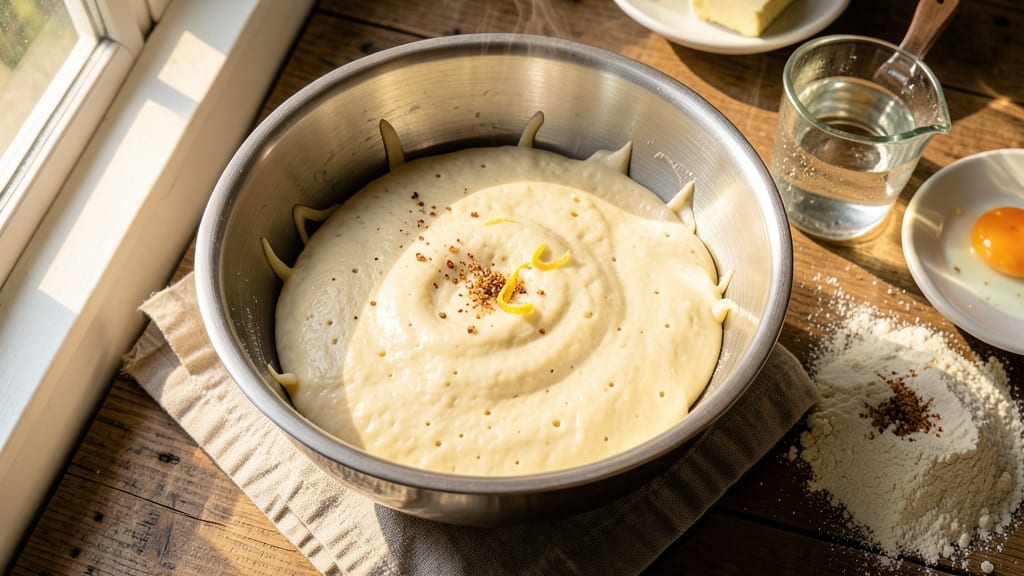
This all-purpose bread dough recipe transforms simple ingredients into a versatile foundation for sandwich bread, pizza crusts, or dinner rolls—all ready in just 45 minutes.
The secret lies in a balanced mix of flour, yeast, and a touch of honey, which creates a dough that's easy to shape and bakes up with a perfect crusty exterior and soft interior. Whether you're a beginner or an experienced baker, this recipe delivers consistent results every time.
The beauty of this dough is its adaptability—customize it with herbs, seeds, or even dietary swaps like vegan yeast without sacrificing texture. The kneading process is straightforward, and the proofing stage builds flavor naturally, ensuring your final loaf has that homemade aroma and satisfying chew.
No special equipment is needed, just patience and a little time.
Once baked, this dough yields a golden-brown loaf with a crisp crust and tender crumb, perfect for slicing into sandwiches or tearing into warm rolls.
The recipe also includes storage tips to keep your dough fresh in the fridge or freezer, so you can bake fresh bread whenever you need it. Whether you're making a classic loaf or experimenting with flavors, this dough is your go-to base.
From pizza crusts to dinner rolls, the possibilities are endless. Let’s get started on creating your perfect loaf—simple, versatile, and always impressive.
Ingredients for all purpose bread dough
Nine simple ingredients transform into the perfect dough base for anything from sandwich loaves to crispy pizza crusts.
| Ingredient | Amount | Notes |
|---|---|---|
| All-Purpose Flour 🌾 | 4 cups | Plus 2 tbsp for dusting |
| Active Dry Yeast 🍞 | 2 ¼ tsp | Or 1 packet instant yeast |
| Granulated Sugar 🍯 | 1 tbsp | Or honey for deeper flavor |
| Salt 🧂 | 1 tsp | Kosher or sea salt |
| Large Eggs 🥚 | 1 whole | Room temperature preferred |
| Unsalted Butter 🧈 | ½ cup | Softened to room temp |
| Warm Water 💧 | 1 ¼ cups | 110°F (43°C) ideal |
| Extra-Virgin Olive Oil 🫒 | 1 tbsp | For dough elasticity |
| Poppy Seeds 🌱 | 1 tbsp | Optional for flavor |
| Cornmeal 🌽 | 1 tbsp | For dusting work surface |
| Coarse Sea Salt 🧂 | 1 tbsp | For sprinkling crust |
The yeast is the magic here—Bob's Red Mill or Saf-Instant are my go-tos, but any active dry yeast works if you let it bloom in warm water first. Flour matters too: King Arthur or Gold Medal give the best rise. The butter should be soft but not melted—press it with your finger, it should dent slightly but hold shape. For the water, 110°F is ideal, but if you don't have a thermometer, let tap water sit for 10 minutes after boiling to cool. Poppy seeds add subtle crunch, but sesame or everything bagel seasoning works just as well if you're feeling adventurous.
No yeast? Vegan yeast or sourdough starter can substitute, though timing changes. Short on butter? Olive oil or coconut oil keeps things flexible. The honey can be swapped for maple syrup or even applesauce for vegan dough. For a lighter texture, add 1 tsp baking powder to the flour. And if your kitchen's cold, warm the bowl with hot water before mixing—yeast loves warmth but not heat.
Freshly mixed dough keeps 24 hours in the fridge, wrapped tightly in plastic. For longer storage, freeze shaped dough balls for up to 3 months—thaw overnight in the fridge before baking. Baked loaves? Room temp in a bread bag for 2 days, or freeze sliced for toast. Pro tip: Spritz dough balls with water before baking for that perfect crust. The aroma alone makes it worth it.
Why You'll Love This Recipe
- Pantry Staples Only: I keep this dough alive on my counter just using flour, yeast, sugar, and eggs—no specialty ingredients, no last-minute grocery runs. Honestly, I’ve made it three times this week already because it never feels like a chore to mix up.
- Golden Crust Magic: That little pinch of sugar in the dough caramelizes into a crisp, golden crust while the inside stays soft—like a bakery loaf without the fuss. My kids still ask for seconds even though I swear I overcooked it.
- Dough for Days: Make it once, shape it twice. I’ve turned this into garlic bread, dinner rolls, and even a cheesy pull-apart loaf—all from the same batch. Between us, I’ve had it last four days in the fridge without drying out.
- Budget-Friendly Blank Slate: Flour, yeast, and eggs? That’s it. No pricey bread machines or artisanal flours here—just reliable, cheap ingredients that stretch to feed the whole family. I’ll be real: this is how I feed my crew for under $5 a loaf.
Step-by-step instructions for all-purpose bread dough
This dough comes together faster than you'd think—just follow these simple steps for a perfect loaf every time.
Activate the Yeast for Maximum Rise
In a small bowl, combine the 1.25 cups warm water (about 110°F) with the 1 tbsp granulated sugar and 2.25 tsp active dry yeast. Let it sit for 5-10 minutes until foamy. You'll see tiny bubbles forming—that's your yeast waking up and getting ready to work its magic.
Here's the thing—if the water's too hot, you'll kill the yeast. Test it by dipping your finger in; it should feel warm like bathwater, not scalding. If it doesn't foam after 10 minutes, your yeast might be dead, and you'll need to start over. But don't worry, fresh yeast usually works perfectly.
Mix the Dough Until Just Combined
In the bowl of a stand mixer fitted with the dough hook, combine the 4 cups all-purpose flour, 1 tsp salt, and 0.5 cup softened unsalted butter. Mix on low speed until the butter is fully incorporated, about 1 minute. The butter should look like tiny pea-sized pieces throughout the flour.
Add the yeast mixture and 1 tbsp extra-virgin olive oil to the bowl. Mix on low speed for 1 minute until everything comes together. Then add the 1 large egg and mix for another 30 seconds. The dough will look shaggy at first—that's normal. Don't be tempted to add more flour yet; we want to develop the gluten properly.
Knead Until Smooth and Elastic
Increase the mixer speed to medium and knead for 5-7 minutes until the dough becomes smooth and elastic. You'll know it's ready when it forms a windowpane—poke it with your finger and stretch gently; if it springs back and forms a thin membrane, you're good to go.
If the dough sticks to the sides too much, you can add 1-2 tbsp of the reserved flour (from the 2 tbsp for dusting mentioned in ingredients), but try to avoid adding more than that. Over-kneading develops too much gluten and makes the bread dense. The dough should be slightly tacky but not sticky when you're done.
Let the Dough Rise Until Doubled
Lightly grease a large bowl with olive oil and place the dough inside. Cover with a clean kitchen towel or plastic wrap and let it rise in a warm place for 1-1.5 hours or until doubled in size. I like to turn my oven on low (200°F) for 5 minutes first to create a warm environment, then turn it off and place the bowl inside.
You'll see the dough puff up dramatically—this is the yeast doing its job, creating air pockets that will make your bread light and airy. If it doesn't double, it might need more time. Don't rush this step; proper rising is what gives bread its texture. Poke the dough gently with your finger—if it springs back slowly, it's ready.
Shape and Proof the Dough
Turn the dough out onto a surface lightly dusted with 1 tbsp cornmeal and gently shape it into a round loaf. Place it seam-side up in a greased 9x5-inch loaf pan. Cover again and let it rise for another 30-45 minutes until it's just about to overflow the pan.
For extra flavor, sprinkle the 1 tbsp poppy seeds and 1 tbsp coarse sea salt on top before baking. This gives you that beautiful crust and adds a nice crunch. The dough should be puffy and slightly domed above the pan edges when ready. If it's not quite there, give it another 10 minutes—don't overproof or your bread will be dense.
Pro Tips For Making All Purpose Bread Dough
- Bloom the Yeast First: Skip mixing everything at once—dissolve the yeast, sugar, and warm water (110°F) together first and let it sit for 5 minutes until frothy. I learned this the hard way when my dough took forever to rise because the yeast was sluggish from dry flour. This guarantees it’s active before you even start kneading.
- Weigh Your Flour: Scooping flour from the bag packs too much air, making your dough dry and tough. Use a kitchen scale for precision—this recipe needs about 500g all-purpose flour (spooned and leveled). After burning three batches with inconsistent texture, I finally invested in a scale and never looked back.
- Knead Until Windowpane: Stop guessing when the dough is ready—perform the windowpane test: stretch a small piece until it’s translucent like a thin window. If it tears without cracking, you’re good. Over-kneading is just as bad as under-kneading, and this trick saves you from gummy or dense bread every time.
- Let It Rest Before Shaping: After kneading, let the dough rise again for 10–15 minutes before shaping—this relaxes the gluten and makes it easier to handle. I was skeptical until I tried it: the dough became silky, and my loaves held their shape perfectly in the pan. (Yes, even if you’re impatient like me.)
Serving suggestions for this recipe
Classic Sandwich Loaf
Shape your dough into a classic 9x5-inch loaf and bake at 375°F for 25-30 minutes until golden brown. Slice into ½-inch thick pieces for perfect sandwiches. I love toasting these slices lightly before adding fillings like turkey, avocado, and honey mustard.
The crust stays crisp even after toasting, while the interior remains soft and pillowy. 🥖
Crispy Pizza Crust
Roll your dough into a 12-inch circle about ¼-inch thick and bake on a preheated pizza stone at 425°F for 8-10 minutes. Top with your favorite sauce, cheese, and toppings immediately after baking.
For extra crispiness, brush the crust with garlic-infused olive oil before adding toppings. My go-to is a simple margherita with fresh basil and mozzarella—it’s restaurant-quality at home.
Warm Dinner Rolls
Divide your dough into 12 equal balls, place them on a baking sheet, and let them rise for 30 minutes until puffy. Bake at 375°F for 12-15 minutes until golden. Serve warm with butter, honey, or garlic herb butter for dipping.
These rolls are perfect for soaking up gravy or pairing with soups. I often make a double batch—one for dinner and one for freezing.
Garlic Breadsticks
Roll your dough into 1-inch thick ropes and cut into 6-inch lengths. Brush with a mix of melted butter, minced garlic, and parsley, then bake at 400°F for 10-12 minutes until golden and crisp.
Serve with marinara sauce for dipping. The garlic flavor infuses perfectly into the dough, giving each bite a savory punch. These are a crowd-pleaser at parties or game nights. 🍽️
Cinnamon Swirl Rolls
Add a ½ cup cinnamon-sugar mix (equal parts cinnamon and sugar) to your dough before shaping. Roll into 12 balls, flatten slightly, and bake as directed for dinner rolls. The warm, spiced aroma fills your kitchen instantly.
These are perfect for breakfast or dessert—pair with vanilla ice cream or a drizzle of caramel sauce. A little extra effort yields big rewards!
Savory Focaccia
Press your dough into a 9x13-inch pan, dimple with your fingers, and bake at 400°F for 15-18 minutes. Top with olive oil, flaky sea salt, and rosemary while still warm.
The result is a crispy, airy bread perfect for dipping in balsamic glaze or pairing with charcuterie. Focaccia is my go-to for a no-fuss, impressive side dish that feels gourmet. 🌿
Nutrition facts
Frequently asked questions
Can I make this dough without a stand mixer?
If you don't have a stand mixer, knead the dough by hand on a lightly floured surface for about 8-10 minutes until smooth and elastic. Press down hard with the heel of your hand and fold the dough over itself repeatedly. This develops the gluten just as effectively as a mixer. Just be prepared for a bit of arm work!
Why did my dough not rise properly?
There are a few common reasons: the water might have been too hot (killing the yeast), the yeast could be old or expired, or the environment was too cold. Always use water around 110°F and let the dough rise in a warm spot (like a turned-off oven with the light on). If your yeast didn't foam after 10 minutes, it's likely dead—start fresh with new yeast.
How do I know when the dough is fully kneaded?
The dough is ready when it forms a "windowpane"—poke it with your finger and stretch gently. If it thins out without tearing and springs back like a window, you're good to go! It should also feel smooth, slightly tacky, and no longer sticky to the touch. Over-kneading can make the bread dense, so stop as soon as it passes this test.
Can I add herbs or cheese to this dough?
Yes! This dough is incredibly versatile. For herbs, try 1 tbsp fresh rosemary or thyme mixed into the flour before kneading. For cheese, add ½ cup shredded parmesan or mozzarella to the dough after mixing the wet ingredients. Just be mindful that additions may slightly alter texture—start with small amounts to test the effect.
How long can I keep the dough in the fridge before baking?
Unbaked dough keeps well in the fridge for up to 24 hours if wrapped tightly in plastic wrap or stored in an airtight container. For longer storage, shape the dough into balls, place them on a tray, freeze for 1 hour, then transfer to a freezer bag. Frozen dough lasts 3 months—thaw overnight in the fridge before baking. The cold slows yeast activity, preserving freshness.