
Side Dishes
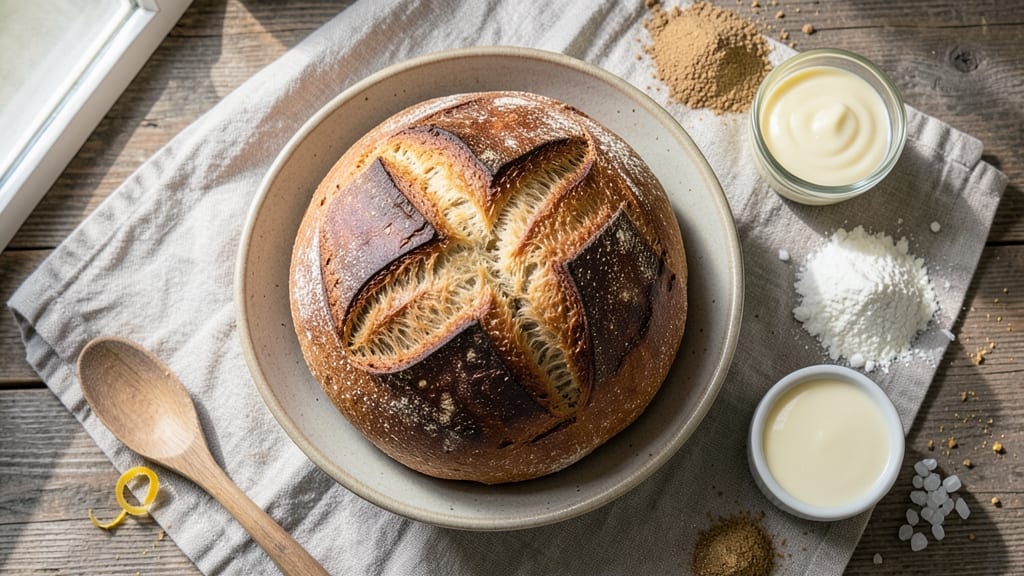
This all rye flour bread recipe delivers the deep, earthy flavor and satisfying density that makes rye bread a staple in artisan bakeries. The key lies in balancing hydration and fermentation—just enough moisture for a tender crumb while maintaining that signature crisp crust.
I developed this version after years of experimenting with traditional rye techniques, perfecting the ratio of water to flour for a bread that's both hearty and approachable for home bakers.
The process begins with a long fermentation (overnight in the fridge) that develops complex flavors and improves digestibility. Unlike quick breads, rye requires patience—this step transforms simple ingredients into something rich and aromatic.
The dough is stiff but manageable, and shaping it properly ensures an even bake with that coveted crackly crust. For those short on time, a commercial yeast option works, though sourdough yields the most authentic results.
By the time it emerges from the oven, you'll have a loaf with a deep amber crust that snaps satisfyingly and a dense, moist crumb packed with nutty rye flavor. The aroma alone—warm, slightly tangy, with hints of caramelized malt—will have everyone reaching for seconds.
This bread shines as a side for hearty meals or as a base for open-faced sandwiches, but its true magic is in the first slice, still warm from the oven.
Let the bread cool completely before slicing to preserve its structure, and store it wrapped at room temperature for up to 5 days. For longer storage, freeze slices wrapped individually—they'll toast up just like fresh.
Whether you're a seasoned baker or trying your hand at artisan bread, this recipe delivers professional-quality results with minimal fuss.
Ingredients for all rye flour bread
Dark rye flour, yeast, and milk create this artisan loaf's signature hearty crumb and crisp crust.
| Ingredient | Amount | Notes |
|---|---|---|
| All Rye Flour 🌾 | 3 ½ cups | Dark rye flour for authentic flavor |
| All-Purpose Flour 🌾 | 1 cup | Balances rye's density for structure |
| Active Dry Yeast 🍞 | ½ tsp | Or 1 packet instant yeast |
| Granulated Sugar 🍚 | ½ tsp | Feeds yeast for fermentation |
| Malt Powder 🌾 | 1 tbsp | Enhances rye flavor and browning |
| Diamond Crystal Kosher Salt 🧂 | 1 ½ tsp | Adjusts to taste after baking |
| Whole Milk 🥛 | 1 ½ cups | Adds richness and tenderness |
| Unsalted Butter 🧈 | ½ cup | Cold, cubed for dough enrichment |
| Water 💧 | 1 ½ cups | Adjust for hydration preference |
| Cornmeal 🌽 | ¼ cup | Prevents sticking during shaping |
| Sesame Seeds 🌻 | 1 tbsp | Optional for decorative crust |
The all rye flour is non-negotiable here—it delivers that signature tangy, earthy flavor. Bob's Red Mill or King Arthur brands are excellent choices, but any dark rye flour will work. For best results, store your flour in an airtight container away from light and heat, as exposure can degrade its quality over time. The malt powder is key for that deep caramelized crust; if unavailable, a pinch of extra sugar can substitute, though the flavor won't be identical. For the yeast, always check the expiration date—old yeast won't activate properly, and you'll end up with flat, flavorless bread.
No rye flour? Substitute with a mix of whole wheat and all-purpose flour, though the flavor will be less authentic. The whole milk can be swapped for water if you're avoiding dairy, but expect a slightly denser crumb. For those without sesame seeds, poppy seeds or coarse salt work beautifully as a crust topping. If your dough feels too stiff after mixing, add water 1 tablespoon at a time until it reaches a manageable consistency—rye flour absorbs moisture differently than all-purpose, so don't be afraid to adjust. The unsalted butter should be cold when mixed in; if it melts, chill the dough for 30 minutes before shaping.
This dough benefits from overnight cold fermentation, which develops its complex flavors. Store it in the fridge, covered, for up to 12 hours before baking. Once baked, the bread is best enjoyed within 3 days at room temperature, wrapped in a clean kitchen towel to maintain moisture. For longer storage, slice the loaf and freeze the pieces—up to 3 months—then toast directly from frozen for a fresh-tasting slice. The crust will crisp up beautifully during toasting, making it perfect for open-faced sandwiches or serving alongside soups.
Why You'll Love This Recipe
- No-Knead Magic: I swear by this—just mix, let it rise overnight, and bake. The all-rye flour does most of the work while you sleep, so you wake up to bread that’s practically done for you.
- Earthy, Toasty Richness: That malt powder? It’s the secret weapon—deepens the rye flavor without tasting artificial. One bite and you’ll forget about bland sandwich bread forever.
- Weeknight Workhorse: Toss it in lunchboxes, toast it for breakfast, or use it to soak up soup. It’s my go-to for when I’m too tired to think but still need something hearty.
- Budget-Friendly Staple: Rye flour’s cheaper than specialty breads, and a loaf lasts me days. Freeze slices for quick toast later—no waste, all flavor. My wallet (and taste buds) thank me.
Step-by-step instructions for all rye flour bread
Mastering this dense, flavorful loaf requires precision in mixing and shaping—here's how to achieve an artisan crust and hearty crumb.
Activate the Yeast and Prepare the Dough Base
In a small bowl, combine the 1.5 cups whole milk with the 0.5 cup unsalted butter and warm it in the microwave for 30 seconds until the butter melts completely. The mixture should be warm to the touch but not hot—around 100°F. If it's too hot, let it cool for 2 minutes before proceeding.
In a separate large bowl, whisk together the 3.5 cups all rye flour, 1 cup all-purpose flour, 0.5 tsp active dry yeast, 0.5 tsp granulated sugar, 1 tbsp malt powder, and 1.5 tsp diamond crystal kosher salt. The rye flour will create a coarse, rustic texture, while the all-purpose flour adds structure to prevent cracking. Sprinkle this dry mixture over the warm milk-butter mixture and gently stir with a wooden spoon until a shaggy dough forms.
Develop the Dough Through Kneading
Add the 1.5 cups water gradually while stirring, allowing the dough to come together. Once combined, turn the dough onto a lightly floured surface and knead for 8-10 minutes until smooth and elastic. The rye dough will be denser than wheat dough, so focus on stretching and folding rather than aggressive pounding. You'll know it's ready when it springs back slowly when pressed.
Shape the dough into a round loaf and place it back in the bowl. Cover with a damp towel and let it rise in a warm place for 1-2 hours, or until it has nearly doubled in size. The yeast should create small bubbles on the surface, indicating fermentation is active. If the dough doesn't rise significantly, it may need more time or a warmer environment.
Shape and Proof the Dough
Once the dough has risen, punch it down gently to release air and shape it into a 9x5-inch loaf pan lined with parchment paper. Sprinkle the 0.25 cup cornmeal evenly over the bottom of the pan to prevent sticking. The cornmeal will create a crisp, golden crust along the bottom of the loaf.
Cover the pan with a damp towel and let the dough proof again for 30-45 minutes until it rises 1-2 inches above the pan. The dough should feel slightly springy when pressed gently with a finger. Preheat your oven to 375°F while the dough proofs—this ensures even baking once the loaf goes in.
Bake for a Crisp Crust and Dense Crumb
Bake the loaf for 45-50 minutes until the top is deep golden brown and the internal temperature reaches 205°F. The crust should be firm to the touch, and the bread should sound hollow when tapped on the bottom. If the top browns too quickly, tent the loaf with foil after 20 minutes to prevent over-browning.
Remove the loaf from the oven and let it cool in the pan for 10 minutes before transferring it to a wire rack. While still warm, brush the top with a little water and sprinkle the 1 tbsp sesame seeds evenly for a decorative, nutty finish. The sesame seeds add texture and a subtle flavor contrast to the dense rye interior.
Rest and Slice for Maximum Flavor
Allow the bread to cool completely for at least 1 hour before slicing. The internal structure will firm up as it cools, making it easier to achieve clean slices without crumbling. Rye bread benefits from resting—this step ensures the flavors meld and the crumb becomes even more tender.
Slice the loaf into ½-inch thick portions and serve warm for the best texture. The crust should be crisp and slightly caramelized, while the crumb remains dense and moist. Store any leftovers wrapped in a bread bag at room temperature for up to 3 days, or freeze for longer storage.
Pro Tips For Making All Rye Flour Bread
- Bloom Yeast Slowly: Skip the 5-minute hot water rush—rye’s acidity needs patience. Mix yeast with just warm water (105°F) and let it sit 10 minutes before adding sugar or malt powder. This prevents overproofing later, especially when rye’s natural tang slows fermentation.
- Sift the Rye: Rye flour is dense; don’t skip sifting it with the all-purpose flour. I learned this the hard way—unsifted rye creates dense pockets that never rise properly. Use a fine-mesh sieve and tap it hard against the bowl.
- Avoid Over-Kneading: Rye dough is fragile. Knead just until the gluten barely forms—about 5 minutes by hand. Overworking it turns the crumb gummy, and rye’s low gluten won’t bounce back. Stop when the dough sticks to your fingers but doesn’t tear.
- Use Malt Powder Early: Sprinkle malt powder directly into the dry ingredients, not with the yeast. It dissolves better this way and boosts fermentation faster—critical for rye’s sluggish rise. (Yes, even if the recipe says “add later.”)
Regional styles of this all rye flour bread
Scandinavian Dark Rye
In Sweden and Norway, rye bread is a cultural cornerstone, often baked with a higher hydration ratio and a touch of cardamom for warmth. Replace 1 tbsp malt powder with ½ tsp ground cardamom and increase water to 1¾ cups for a lighter, slightly sweet loaf.
Bake in a Dutch oven at 350°F for 50-55 minutes to create a thick, crusty crust—perfect for open-faced sandwiches with smoked salmon and cream cheese. 🌍
German Pumpernickel Style
For an authentic German Pumpernickel, use 100% dark rye flour (no all-purpose) and add 1 tbsp molasses to the dough. Shape into a round loaf and bake at 325°F for 2-2½ hours in a covered pan for a dense, moist interior with a deep mahogany crust.
The slow bake develops a rich, almost coffee-like flavor. Serve with butter and jam or as a side for sausage and sauerkraut.
Russian Borodinsky
This rustic Russian loaf incorporates 1 tbsp caraway seeds and ½ cup barley malt syrup (or honey) for sweetness. Shape the dough into a round and bake at 375°F for 40-45 minutes until the crust is dark and crackly.
The caraway adds a licorice-like depth, while the malt syrup balances the rye’s earthiness. Traditionally served with borsch or pickled vegetables.
American Soda Rye
A lighter, quicker version popular in the Midwest, this bread uses 1 tsp baking soda instead of yeast.
Mix 3 cups rye flour, 1 cup whole wheat flour, 1 tsp baking soda, 1 tsp salt, 1 tbsp sugar, 1 cup buttermilk, and 1 egg. Shape into a round and bake at 375°F for 30-35 minutes.
The result is a soft, slightly tangy loaf—ideal for Reuben sandwiches or toast with cream cheese.
Swedish Limpa Twist
For a festive variation, fold ½ cup chopped almonds and ½ cup raisins into the dough before baking. Brush the baked loaf with egg wash and sprinkle with coarse sugar for a sweet-savory balance.
This Limpa-style bread is traditionally enjoyed during Christmas but works year-round. Pair it with cheese and charcuterie for a hearty snack. 🎄
Modern Sourdough Rye
Swap the commercial yeast for ½ cup active sourdough starter (fed and bubbly) and reduce water to 1¼ cups. Ferment overnight in the fridge for deeper flavor. Bake at 400°F for 45 minutes with steam (place a pan of boiling water in the oven) for a crisp crust.
The sourdough tang elevates the rye’s natural acidity—perfect for avocado toast or grilled cheese.
Nutrition facts
Frequently asked questions
Why does my rye dough feel so stiff compared to wheat dough?
Rye flour absorbs more moisture than wheat flour due to its higher protein content and dense structure. The dough should be stiff but workable—think of it like wet sand rather than soft cookie dough. If it's too dry, add water 1 tablespoon at a time until it holds together when pressed. The stiffness actually helps create that signature dense crumb!
Can I substitute all-purpose flour for rye flour in this recipe?
Not for an authentic rye flavor, but you can blend 2 cups all-purpose flour with 1½ cups whole wheat flour for a lighter version. The texture will be less dense and the flavor milder. For true rye character, use at least 70% dark rye flour—the malt and acidity in rye are essential for that deep, earthy taste.
How do I know when my rye bread is fully baked?
Look for three key signs: the internal temperature should reach 205°F, the crust should be deep golden brown, and the bread should sound hollow when tapped on the bottom. If the top browns too quickly, tent with foil after 20 minutes to prevent over-browning while the center finishes baking.
Can I make this bread without a loaf pan?
Shape the dough into a round boule or batard and bake on a parchment-lined baking sheet. For extra crust development, bake at 425°F for the first 10 minutes with steam (spray the oven walls with water or place a tray of boiling water on the lower rack). This creates that classic artisan crust without a pan.
Why does my rye bread taste bland?
Underdeveloped flavor is usually from insufficient fermentation or weak ingredients. Let the dough ferment overnight in the fridge for deeper flavor, and use high-quality rye flour with malt powder. For extra richness, add 1 tbsp molasses or 1 tsp caraway seeds to the dough before baking.