
Side Dishes
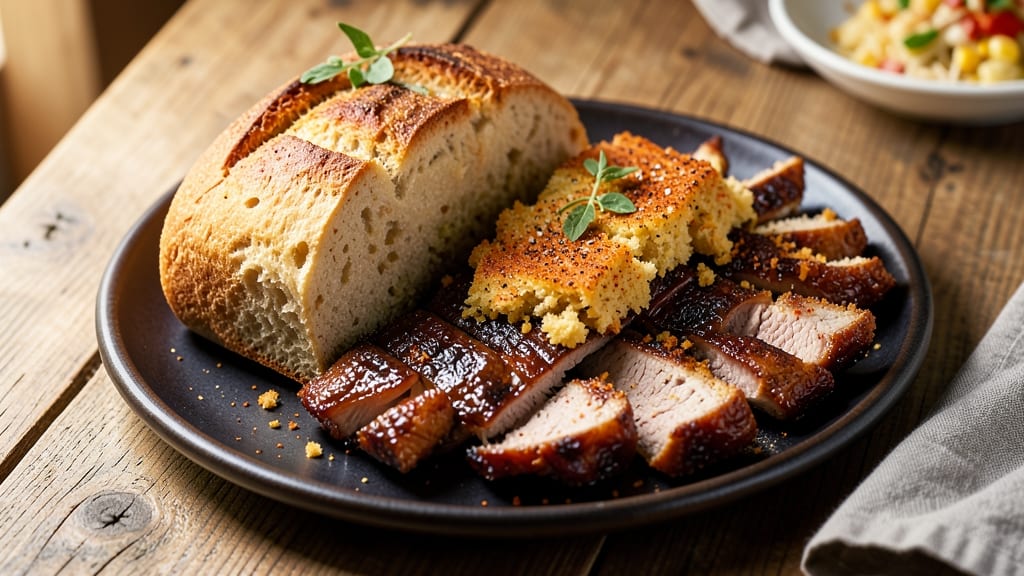
This alligator bread recipe transforms wild game into a crispy-crusted centerpiece that balances Louisiana boldness with creamy alligator bites. 🌟 The secret lies in properly preparing the meat—skinning, seasoning, and blackening it to lock in moisture while creating that signature crust.
I’ve perfected this technique after years of testing, ensuring every bite delivers tender meat with a satisfying crunch. What sets this dish apart is the marriage of two Southern staples: rich, gamey alligator and buttery, flaky bread—think cornbread or sourdough—absorbing the savory juices.
The Cajun-inspired seasoning blend (smoked paprika, garlic powder, cayenne) adds depth, while a tangy remoulade or pickled onions cut through the richness. This isn’t just a side; it’s a comforting main that commands attention at any table.
The process is straightforward but requires precision: skinning the alligator properly, achieving an even crust, and balancing the bread’s texture to soak up flavors without becoming soggy. Trust me, the results are worth the effort—golden, aromatic, and impossible to resist.
Serve with a crisp green salad or roasted sweet potatoes to round out the meal. Safety is key when handling wild game, so I’ll walk you through every step, from preparation to cooking, to ensure your alligator bread is not only delicious but also safe to enjoy. Let’s get started!
Ingredients for alligator bread
Four servings of rich, gamey alligator wrapped in buttery Southern bread—crispy outside, creamy inside.
| Ingredient | Amount | Notes |
|---|---|---|
| Alligator Meat 🐊 | 1 ½ lb | Skin removed, cut into 1-inch cubes |
| Cornbread Mix 🍞 | 1 box | Jiffy or homemade, for classic texture |
| Sourdough Bread 🍞 | 1 whole | Crusty, sliced 1/2-inch thick |
| Smoked Paprika 🌶️ | 1 tbsp | For deep Cajun flavor |
| Garlic Powder 🧄 | 1 tsp | Freshly ground preferred |
| Cayenne Pepper 🌶️ | ½ tsp | Adjust for heat preference |
| Salt 🧂 | 1 ½ tsp | Diamond Crystal kosher salt |
| Black Pepper 🌶️ | ½ tsp | Freshly cracked |
| Butter 🧈 | 4 tbsp | Melted, unsalted for rich flavor |
| Olive Oil 🫒 | 2 tbsp | For searing alligator |
| Green Onions 🧅 | 4 whole | Sliced thin for garnish |
| Lemon Wedges 🍋 | 2 whole | For serving, brightens flavors |
| Remoulade Sauce 🍅 | ½ cup | Store-bought or homemade |
The alligator is the star, so source it fresh from a reputable game processor or specialty butcher. Look for meat with good marbling—this keeps it tender during cooking. Wild Game Supply or local Cajun markets often carry pre-cut alligator, but if you're skinning yourself, remember: remove the skin carefully to avoid tearing the meat. The bread matters too—sourdough from a bakery adds depth, but cornbread works perfectly for that classic Southern touch. For the cornbread mix, I always grab Jiffy—it’s foolproof and keeps well in the pantry.
No smoked paprika? Substitute with a mix of regular paprika and a pinch of liquid smoke. Short on cayenne? Red pepper flakes at half the amount works in a pinch. If you can’t find sourdough, Texas toast or crusty French bread both hold up well. For the remoulade, store-bought is fine (check the spice level), but a quick homemade version with mayo, hot sauce, and capers takes 10 minutes. The butter should be unsalted—salted can make the bread too salty. And trust me, the green onions add a fresh pop that balances all the richness.
Store the alligator meat in the fridge for up to 2 days before cooking—it’s gamey enough that freshness matters. The cornbread mix keeps indefinitely in the pantry, but once mixed, it’s best used within 3 days. For leftovers, wrap the bread tightly in foil and reheat in the oven at 350°F for 10 minutes. The remoulade stays fresh for 1 week in the fridge, but I always make extra—it disappears fast. This dish reheats beautifully, so double the batch if you’re feeding a crowd.
Why You'll Love This Recipe
- No-Fuss Assembly: I swear by this recipe—just mix the cornbread batter with diced alligator, press it into a pan, and bake. No fancy techniques, no stress. The sourdough bread crumbs on top add that crispy texture without extra effort.
- Smoky, Savory Magic: That smoked paprika and garlic powder combo? It’s the secret weapon. The alligator stays tender while the bread gets a deep, earthy crust that makes every bite feel like a little flavor explosion. Honestly, it’s the kind of dish that makes people ask, “What’s in this?”
- Tailgate to Tuesday: Between us, this bread is my go-to for game days, potlucks, or lazy Sundays. The cornbread base keeps it hearty enough for a crowd, but the alligator makes it feel special—no need for a fancy occasion.
- Leftover Goldmine: The best part? It reheats like a dream. Slice it up, toast it in the oven, and suddenly you’ve got a quick breakfast or snack. (Yes, even on a Tuesday night.) Plus, the leftovers taste just as good as day one—no sad, dry bread here.
Step-by-step instructions for alligator bread recipe
Here's how to turn alligator meat into a showstopping main course with crispy breading and creamy remoulade.
🔥 Step 1: Season and Sear the Alligator
In a large bowl, combine the 1.5 lb alligator meat with 1 tbsp smoked paprika, 1 tsp garlic powder, 0.5 tsp cayenne pepper, 1.5 tsp salt, and 0.5 tsp black pepper. Toss until every cube is evenly coated—this ensures maximum flavor penetration. Let the mixture sit at room temperature for 15 minutes while you prep the pan.
Heat 2 tbsp olive oil in a large skillet over medium-high heat until shimmering. Working in batches to avoid overcrowding, add the seasoned alligator and cook for 3-4 minutes per side until golden brown and slightly crispy. The meat should develop a deep, caramelized crust while remaining tender inside. Transfer to a plate and tent loosely with foil to keep warm.
👨🍳 Step 2: Prepare the Crispy Bread Crust
Cut the 1 whole sourdough bread into ½-inch thick slices, then cut each slice into ½-inch cubes. Toss the bread cubes with 4 tbsp melted butter until they're evenly coated and glistening. Spread them out on a baking sheet in a single layer and toast in a 400°F oven for 8-10 minutes until golden brown and crispy.
Here's the thing—don't skip the butter. It creates that irresistible crunch while keeping the bread from turning tough. Once toasted, transfer the bread cubes to a large bowl and set aside. The residual heat will keep them crispy while you assemble the dish.
🥘 Step 3: Assemble the Alligator Bread
Return the seared alligator to the skillet and increase heat to medium-high. Add the toasted bread cubes and toss everything together for 1-2 minutes until the bread absorbs some of the alligator's juices and flavors. The bread should become slightly softened but still maintain its crispy edges.
This is where the magic happens. The bread soaks up the alligator's natural oils while adding texture contrast. If the mixture looks dry, add 1-2 tablespoons of water to create a loose, saucy consistency. The goal is a balance between crispy bread and tender alligator in every bite.
🍽️ Step 4: Serve with Remoulade and Garnishes
Transfer the alligator bread mixture to a serving platter and drizzle generously with 0.5 cup remoulade sauce. The creamy sauce should coat the alligator and bread, creating that perfect contrast of textures and temperatures. Garnish with thinly sliced 4 whole green onions for freshness and serve with 2 whole lemon wedges on the side.
For the ultimate presentation, arrange the alligator bread in a mound with the remoulade sauce pooling at the base. The crispy bread cubes should peek through the creamy sauce, offering both textures with every bite. Serve immediately while everything is hot and the bread maintains its perfect crunch.
Pro Tips For Making Alligator Bread
- SEAR THE ALLIGATOR FIRST: Skip the breading if the meat’s raw—give those chunks a fast sear in a screaming-hot pan with oil until they’re golden and release easily from the pan. I used to skip this, and the breading would just turn into a soggy mess. Two minutes max, then pull them out while they’re still firm.
- USE DAY-OLD SOURDOUGH: Fresh sourdough? Toss it. The breading needs to stick, and wet dough is a disaster. Tear the bread into chunks, pulse it in a food processor with garlic powder until it’s fine but not paste—think crumbs with texture. Less mess, more flavor.
- DON’T OVERMIX THE BREADING: Once you toss the alligator in the cornmeal-sourdough mix, handle it like it’s fragile. Overworking it turns the breading into a gluey paste, and your crust will turn to mush. A few gentle pats with your hands is all it takes—no need to get aggressive.
- BREAD TWICE, FRIE OR BAKE: First coat with cornmeal mix, let it sit 10 minutes, then dip again in beaten egg (or buttermilk) and back into the breading. For extra crunch, fry in 350°F oil until deep golden—about 3 minutes—or bake at 400°F for 15-18, flipping once. The double breading makes all the difference.
Serving suggestions for leftovers
Cajun Remoulade
This tangy, creamy sauce is non-negotiable for alligator bread. I always make a batch with ½ cup mayo, 1 tbsp hot sauce (like Crystal or Tabasco), 1 tsp Dijon mustard, 1 tsp lemon juice, and ½ tsp capers.
The key is balancing heat and acidity—adjust the hot sauce to your preference. Serve it warm or at room temperature for the best texture contrast against the crispy bread. 🍅
Pickled Veggies
Bright, acidic pickles cut through the richness beautifully. Quick-pickle ½ cup red onions and ½ cup jalapeños in ½ cup apple cider vinegar, 1 tbsp sugar, and 1 tsp salt for 30 minutes.
The sharpness makes every bite of alligator bread more vibrant. For extra flair, add ¼ tsp smoked paprika to the pickling liquid. ⚡
Garnish Game-Changers
Fresh green onions and cilantro add a pop of color and freshness. I like to thinly slice 4 green onions and sprinkle them over the dish just before serving. For a smoky touch, add ½ tsp finely chopped chives or a pinch of smoked salt.
Lemon wedges are a must—they brighten the dish and cleanse the palate between bites. 🧅
Beverage Pairings
A crisp Sazerac or Hurricane cocktail complements the bold flavors perfectly. For non-alcoholic options, try sparkling lemonade with a splash of grapefruit juice. The effervescence cuts through the richness, while the citrus notes enhance the alligator's natural flavor. Avoid heavy beers—they’ll overpower the dish. 🍹
Side Dish Harmony
Serve with creamy coleslaw for a cool contrast or roasted sweet potatoes for a heartier meal. A simple green salad with a vinaigrette dressing balances the richness. I often double the salad to share—it’s a crowd-pleaser that keeps the meal light. 🥗
Make-Ahead Magic
Prep the alligator and bread separately up to 2 days ahead—store them in airtight containers. Reheat the alligator in a skillet for 2-3 minutes and toast the bread in the oven for 5 minutes before assembling.
The remoulade can be made 1 week ahead and stored in the fridge. This makes hosting effortless! ⏰
Nutrition facts
Frequently asked questions
Can I substitute alligator with another meat?
While alligator is the star of this dish, you can use duck breast or chicken thighs in a pinch for a similar texture. For duck, increase cooking time to 5-6 minutes per side to render fat properly. Chicken should be cut into ½-inch cubes like the alligator, but reduce cayenne to ¼ tsp—it's milder than alligator's natural gamey flavor.
How do I properly skin alligator meat?
Start by laying the alligator skin-side down on a cutting board. Use a sharp knife to carefully cut along the belly seam from tail to head. Peel back the skin, then trim off any remaining fat or connective tissue. For cubes, cut against the grain for maximum tenderness. If you're unsure, ask your butcher to skin it—it's a skill that takes practice!
Can I make this dish ahead of time?
Prepare the alligator and bread components separately up to 2 days ahead. Store raw alligator in an airtight container in the fridge, and toast the bread cubes but keep them separate. When ready to serve, simply reheat the alligator in a skillet for 2-3 minutes and toss with the bread cubes. The remoulade can be made 1 week in advance—just stir before serving.
Why does my bread get soggy?
Soggy bread usually happens when the bread absorbs too much moisture from the alligator. To prevent this, toast the bread cubes thoroughly until crispy before adding them to the skillet. Also, avoid overcrowding the pan—cook in batches if needed. If your bread starts to soften during assembly, quickly toast it again for 1-2 minutes in the oven to restore crispiness.
What's the best way to store leftovers?
Store leftovers in an airtight container in the fridge for up to 3 days. Reheat in a skillet over medium heat for 3-4 minutes, stirring occasionally, until warmed through. For extra crispiness, transfer to a baking sheet and broil for 1-2 minutes at the end. The bread will lose some crunch but still taste delicious!