
Side Dishes
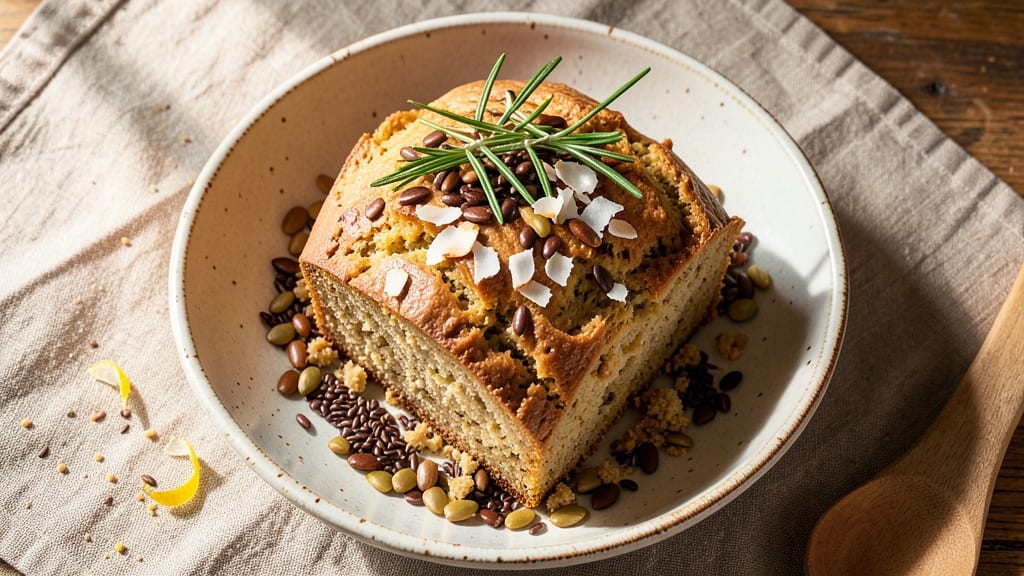
This almond flax bread recipe transforms simple pantry staples into a nutty, seed-packed loaf that’s vegan, hearty, and perfect for sandwiches or toast. The magic lies in flaxseed as an egg substitute and almond flour for a tender yet sturdy crumb—no dairy, no eggs, just rich flavor and texture.
I developed this recipe after years of baking vegan breads that either crumbled or tasted bland, and this version delivers restaurant-quality results at home.
The process is straightforward but requires patience: mixing ground flaxseed with water creates a gel that binds the dough, while almond flour adds a subtle nuttiness and moisture-retaining properties.
Baking at 350°F for 45-50 minutes ensures a golden crust and even rise, with seeds like sunflower or pumpkin adding crunch and nutrition. The aroma alone—warm, nutty, and slightly sweet—will have everyone asking for seconds.
What you’ll end up with is a loaf that’s dense yet tender, with a crisp crust and pockets of seeds throughout. It’s ideal for savory sandwiches (try hummus and veggies) or sweet toast with almond butter and banana.
The bread keeps well for 5-7 days at room temperature, making it a great make-ahead option for meal prep.
For variations, swap in chia seeds for extra omega-3s or add walnuts for deeper flavor. The recipe scales easily—double the batch for a family or share with neighbors. Let’s get baking!
Ingredients for almond flax bread
Transform simple pantry staples into a vegan masterpiece with these carefully chosen ingredients.
| Ingredient | Amount | Notes |
|---|---|---|
| Ground Flaxseed 🌾 | ½ cup | Plus 3 tbsp water for flax egg |
| Almond Flour 🥜 | 3 cups | Fine, blanched preferred |
| Sunflower Seeds 🌻 | ½ cup | Raw, unsalted for crunch |
| Pumpkin Seeds 🎃 | ¼ cup | Toasted for enhanced flavor |
| Whole Flaxseeds 🌾 | ¼ cup | For texture contrast |
| Coconut Flakes 🥥 | ¼ cup | Unsweetened, toasted |
| Baking Powder 🧂 | 2 tsp | Aluminum-free preferred |
| Salt 🧂 | 1 ½ tsp | Fine sea salt |
| Apple Cider Vinegar 🍎 | 1 tbsp | For dough activation |
| Maple Syrup 🍁 | ¼ cup | Grade B for depth |
| Extra-Virgin Olive Oil 🫒 | ⅓ cup | Cold-pressed for flavor |
| Water 💧 | ½ cup | Room temperature |
The foundation starts with almond flour—opt for blanched, fine-ground from brands like Bob's Red Mill or Anthony's for optimal texture. Ground flaxseed must be freshly ground if possible, as pre-ground loses potency quickly; Bob's Red Mill sells it pre-ground, but grind your own if you have a coffee grinder. Seeds are where the magic happens: sunflower and pumpkin seeds provide crunch and nutrition, while whole flaxseeds add subtle earthiness. Toast seeds separately for 3 minutes at 350°F to enhance flavor before incorporating. For the flax egg, mix ground flaxseed with water and let sit for 5 minutes to thicken properly—this is non-negotiable for proper binding.
No almond flour? Cashew flour works in a pinch (use 1:1 ratio), though texture will differ slightly. Substitute seeds with chia seeds for extra omega-3s or walnuts for deeper flavor, but toast them first. Maple syrup can be swapped for agave nectar, though grade B maple adds richer caramel notes. The apple cider vinegar activates the baking powder—don't skip it. For extra moisture, add 1 tbsp more olive oil, but avoid overmixing once wet ingredients are combined. The dough will be thick and sticky; don't panic—this is normal for seed-packed breads. If using a stand mixer, opt for the paddle attachment to avoid overdevelopment.
Store the cooled loaf in a bread box or airtight container at room temperature for 5-7 days, though it typically disappears within 24 hours. For longer storage, wrap tightly in parchment paper and freeze for up to 3 months. Toast slices directly from frozen—no thawing needed. The crust hardens as it cools, so wrap in a clean kitchen towel for the first hour to maintain softness. This bread freezes exceptionally well, making it ideal for meal prep; slice before freezing for easy grab-and-toast portions. Avoid refrigerating unless necessary, as it accelerates staling.
Why You'll Love This Recipe
- No Mixer Needed: Mixing this dough is just stirring wet ingredients into dry—no stand mixer, no overworking. The ground flaxseed and almond flour blend like butter (literally, if you use a little oil), and the seeds add texture without extra effort.
- Nutty Crunch Magic: That first bite? Warm, slightly sweet almond flour with a pop of sunflower and pumpkin seeds—like a cross between a scone and a granola bar. Honestly, I reach for this over store-bought bread just for the flavor alone.
- Weeknight & Picnic Hero: Slice it for toast in the morning, pack it for lunch, or serve it with soup—it holds up everywhere. Between us, it’s also the only bread I bring to potlucks because it doesn’t get soggy or stale.
- Zero-Waste Pantry Staple: Uses up flaxseed and almond flour before they go rancid, and the seeds? They’re cheap in bulk. I’ve made three loaves from one bag of flour—plus, leftovers last days if you store them right (wrapped tightly, in the fridge).
Step-by-step instructions for almond flax bread
This nutty-crusted loaf combines almond flour's delicate texture with flax's earthy richness. Precision in mixing and baking ensures a tender crumb with satisfying crunch.
Create the Flax Egg and Mix Wet Ingredients
In a small bowl, whisk together the 0.5 cup ground flaxseed with 3 tablespoons water. Let this mixture sit for 5 minutes until it thickens into a gelatinous flax egg—this acts as our binder in place of traditional eggs. The texture should resemble raw egg whites in consistency.
In a separate large bowl, combine the 0.33 cup extra-virgin olive oil, 0.25 cup maple syrup, 1 tablespoon apple cider vinegar, and the thickened flax egg. Whisk vigorously for 1 minute until fully emulsified. The vinegar will react with the maple syrup, creating subtle tanginess that balances the bread's natural sweetness.
Blend Dry Ingredients with Seeds
In a separate mixing bowl, sift together the 3 cups almond flour, 2 teaspoons baking powder, and 1.5 teaspoons salt. This pre-sifting prevents dense pockets in your final loaf. Add the 0.5 cup sunflower seeds, 0.25 cup pumpkin seeds, 0.25 cup whole flaxseeds, and 0.25 cup coconut flakes to this dry mixture and stir gently with a spatula—just until the seeds are evenly distributed throughout the flour.
Here's the thing—don't overmix. The seeds should maintain their individual texture rather than getting pulverized into the flour. This ensures those delightful crunchy pockets throughout each slice.
Combine Wet and Dry Mixtures
Pour the wet ingredient mixture into the dry ingredients and stir gently with a wooden spoon for 2 minutes until just combined. The dough will be thick and sticky—this is normal. Avoid using an electric mixer as it can develop too much gluten in the almond flour, making the bread dense.
Add the 0.5 cup room temperature water gradually, 1 tablespoon at a time, mixing after each addition until the dough comes together. You're looking for a consistency similar to thick cookie dough that holds its shape when pressed but still feels slightly tacky to the touch.
Prepare the Loaf Pan and Bake
Preheat your oven to 350°F and lightly grease a 9x5-inch loaf pan with olive oil or line it with parchment paper. Transfer the dough to the prepared pan and spread it evenly, pressing down gently with an oiled spatula to remove any air bubbles. The top should be smooth but still retain some texture from the seeds.
Bake for 45-50 minutes until the top is golden brown and a toothpick inserted in the center comes out clean. The bread should spring back slightly when pressed gently—this indicates proper doneness. If the top browns too quickly, tent loosely with aluminum foil after 30 minutes to prevent over-browning while allowing the center to cook through.
Cool and Serve
Remove the bread from the oven and let it cool in the pan for 10 minutes, then transfer to a wire rack to cool completely. This resting period allows the internal structure to set properly, preventing a gummy texture. The bread will firm up as it cools, developing that perfect balance between tender crumb and crispy crust.
Slice the loaf into 8 equal portions with a serrated knife. Each slice should reveal a beautiful marbled pattern from the seeds and a moist, tender crumb with subtle sweetness from the maple syrup. Store any leftovers wrapped in a clean kitchen towel to maintain freshness for up to 3 days at room temperature.
Pro Tips For Making Almond Flax Bread
- Mix Flax First: Combine ground flaxseed with water before adding other ingredients—it thickens like an egg, and skipping this step means your bread will turn out gummy. I learned this the hard way when my loaf collapsed like a sad soufflé.
- Toast the Seeds: Dry-toast sunflower and pumpkin seeds in a pan for 3-4 minutes until fragrant—this deepens their flavor and prevents a bland, nutty aftertaste. (Yes, even if you’re impatient like me, don’t skip it.)
- Don’t Overmix: Stir the batter just until combined; almond flour develops gluten when overworked, leading to a dense, brick-like loaf. Fold in whole flaxseeds last—they’ll distribute better without sinking.
- Bake Low and Slow: Preheat to 325°F (not higher) and bake for 50-60 minutes—almond flour burns easily, and rushing it turns the crust bitter. A toothpick should come out clean, but the center stays slightly soft. (Your future self will thank you.)
Health benefits of this dish
Heart-Healthy Fiber
This almond flax bread is a fiber powerhouse, packing 12 grams of fiber per serving from the combination of flaxseeds, sunflower seeds, and whole grains. Fiber supports digestive health by promoting regularity and feeding beneficial gut bacteria.
The flaxseeds alone provide 4 grams of soluble fiber, which helps lower cholesterol by binding to bile acids in your digestive tract. 💪
Plant-Based Protein
With 10 grams of plant-based protein per slice, this bread is perfect for vegans or anyone looking to reduce meat consumption. Almond flour contributes 6 grams of protein per serving, while the seeds add an extra 4 grams.
This makes it an excellent choice for breakfast toast or sandwiches that need staying power. The protein content helps keep you full longer, preventing mid-morning energy crashes.
Omega-3 Boost
The flaxseeds and sunflower seeds provide 1,200mg of omega-3 fatty acids per serving, which is crucial for brain health and reducing inflammation. Omega-3s are typically found in fish, but this bread delivers a plant-based alternative that's just as effective.
Regular consumption can improve cognitive function and support heart health by reducing triglycerides. I notice my focus improves after eating this bread regularly.
Rich in Antioxidants
Almonds and seeds are packed with vitamin E, a potent antioxidant that protects your cells from oxidative damage. A single slice provides 15% of your daily vitamin E needs, which supports skin health and immune function.
The seeds also contain selenium, another antioxidant mineral that works synergistically with vitamin E to protect your body's tissues. This makes the bread not just delicious but also a functional food.
Blood Sugar Balance
The low glycemic index ingredients like almond flour and flaxseeds help stabilize blood sugar levels, making this bread ideal for diabetics or anyone monitoring their glucose intake. The maple syrup adds natural sweetness without spiking blood sugar like refined sugars would.
I've found that pairing this bread with hummus or avocado helps maintain steady energy levels throughout the morning.
Vitamin and Mineral Powerhouse
Each slice delivers 10% of your daily magnesium, which supports muscle function and nerve signaling, along with 15% of your manganese needs for bone health. The seeds also provide zinc and copper, essential minerals for immune function and iron metabolism.
This nutritional density makes every bite of this bread a healthful choice that goes beyond simple carbohydrates. 🌱
Nutrition facts
Frequently asked questions
Can I make this almond flax bread without a loaf pan?
For a free-form loaf, shape the dough into a round or oval on a parchment-lined baking sheet. Bake at 350°F for 35-40 minutes until golden. The texture will be slightly denser but still delicious. For extra crispiness, brush the top with olive oil before baking.
Why does my dough seem too sticky?
The dough should be thick and slightly tacky—this is normal for seed-packed breads. If it's extremely sticky, add 1 tablespoon more almond flour at a time until it's workable. Overmixing can develop gluten, making the bread dense. Use a wooden spoon or wet hands to handle it gently.
How can I make this bread sweeter?
Increase the maple syrup to 0.33 cup or add 1-2 tablespoons of molasses for deeper flavor. For a dessert version, fold in 0.5 cup chopped dates or raisins with the wet ingredients. The seeds will balance the sweetness beautifully.
Can I substitute almond flour with another nut flour?
Yes! Try cashew flour (1:1 ratio) for a richer taste or hazelnut flour for nutty depth. Walnut flour works but may make the bread denser. Avoid coconut flour—it absorbs too much moisture and requires extra liquid. Always sift the flour to prevent dense pockets.
Why did my bread turn out gummy?
Underbaking or not cooling properly causes gummy texture. Ensure the center reaches 205°F (use an instant-read thermometer) and let it cool completely before slicing. If it's still gummy after cooling, reheat slices in a 300°F oven for 5-10 minutes to crisp up.