
Side Dishes
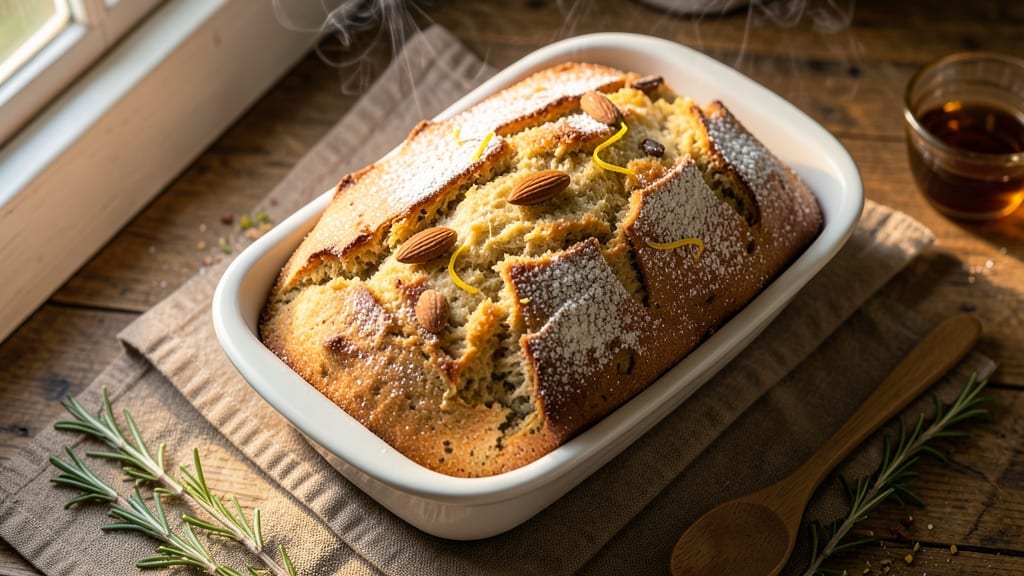
This almond flour sweet bread recipe delivers a tender crumb and nutty sweetness that rivals traditional loaves—without a single grain of gluten. The secret lies in properly hydrating the almond flour and incorporating a touch of honey to enhance the rise, creating a loaf that's both delicate and satisfying.
I've perfected this recipe over years of baking experiments, and it's become a staple in my kitchen for breakfast toast or dessert slices.
The beauty of this recipe is its versatility—it's naturally gluten-free, vegetarian-friendly, and packed with protein from the almond flour. You'll work with simple ingredients like eggs, honey, and vanilla, all combined to create a dough that's easy to shape and bake.
A light glaze of powdered sugar and lemon juice adds that final touch of sweetness and shine.
What you'll end up with is a golden-brown loaf with a tender crumb and subtle nutty flavor that pairs beautifully with butter or jam. The texture is surprisingly light for an almond flour bread, making it perfect for toasting or slicing into thick pieces.
This recipe is ideal for those with dietary restrictions or anyone looking to enjoy a healthier take on sweet bread.
Serve warm with a pat of butter or a drizzle of honey for the ultimate indulgence. The aroma alone will have everyone asking for seconds—this bread disappears quickly, so you might want to make two batches. Let's get started on creating your perfect loaf!
Ingredients for almond flour sweet bread
Simple ingredients transform into a golden loaf with tender crumb and nutty sweetness—no gluten needed.
| Ingredient | Amount | Notes |
|---|---|---|
| Almond Flour 🌰 | 3 cups | Finely ground, unsweetened preferred |
| Granulated Sugar 🍚 | ½ cup | White or light brown |
| Large Eggs 🥚 | 4 whole | Room temperature for best mixing |
| Unsalted Butter 🧈 | ½ cup | Softened, not melted |
| Honey 🍯 | ¼ cup | Wildflower or clover variety |
| Vanilla Extract 🌿 | 1 tbsp | Pure, not imitation |
| Baking Powder 🍞 | 1 tsp | Aluminum-free preferred |
| Salt 🧂 | ½ tsp | Fine sea salt |
| Lemon Juice 🍋 | 1 tbsp | Freshly squeezed |
| Powdered Sugar 🍚 | ¼ cup | For glaze |
| Whole Milk 🥛 | ¼ cup | Room temperature |
| Almond Extract 🌰 | ½ tsp | Optional, for extra flavor |
Almond flour is the star here, so don't skimp on quality. Bob's Red Mill or Anthony's Goods are my go-tos—they're finely ground and consistently delicious. If you're using pre-ground flour, sift it first to avoid lumps in your dough. The honey should be liquid at room temperature—if it's crystallized, warm it gently before measuring. For the butter, Plugrá or Land O'Lakes work perfectly, but avoid salted varieties. The eggs should be large, not jumbo, for the right texture. Room temperature ingredients mix together beautifully, so take everything out of the fridge about 30 minutes before baking.
No almond extract? Extra vanilla extract works in a pinch—just double up to 1 tbsp. Running low on honey? Maple syrup is a great swap, though it adds a different depth of flavor. Whole milk substitute? Unsweetened almond milk works, but the bread may be slightly denser. For the glaze, powdered sugar is non-negotiable—it dissolves smoothly. If you're watching sugar, you can reduce the powdered sugar to 2 tbsp and add a splash of milk for a lighter finish. The baking powder should be fresh—if it's over 6 months old, test it by mixing with water to see if it bubbles.
This loaf keeps beautifully for 3-4 days wrapped in a clean kitchen towel at room temperature. For longer storage, freeze slices wrapped in parchment paper for up to 3 months. To reheat, wrap slices in foil and warm in a 350°F oven for 5-7 minutes. The bread is best served warm, so bake fresh batches for company—it disappears fast! Store your almond flour in the freezer to keep it fresh longer, and always measure it by weight for consistency. This recipe doubles easily, so make two loaves when you can—trust me, you'll want seconds.
Why You'll Love This Recipe
- No Mixer Needed: I swear by this—just fold, shape, and bake. The almond flour handles like a dream, so no kneading or overworking. Honestly, my first attempt turned into a lumpy mess, but now I just press it gently into a pan and let the butter do the work.
- Honey-Butter Magic: That combo of honey and melted butter? It’s the secret weapon. The crust gets this golden, crackly finish while the inside stays tender—like a cross between a brioche and a shortbread cookie. (Yes, even on a Tuesday night.)
- Breakfast or Dessert: Serve it warm with jam for a lazy morning, or dust it with powdered sugar for an after-dinner treat. I’ve even sliced it thin for French toast—crispy edges every time. It’s the one loaf that does double duty without apology.
- Lasts All Week: The almond flour keeps it fresh longer than regular bread, so I bake a batch on Sundays and snack on it all week. No sad, stale ends here—just buttery, sweet slices whenever I want. (My kids fight over the leftovers.)
Step-by-step instructions for almond flour sweet bread
Here's how to transform simple ingredients into a tender, nutty-sweet loaf with a perfect rise.
Mix Wet Ingredients for Maximum Fluffiness
In a large mixing bowl, combine the 4 whole Large Eggs, 0.5 cup Unsalted Butter (softened), 0.25 cup Honey, 1 tbsp Vanilla Extract, and 0.5 tsp Almond Extract (if using). Whisk vigorously for 3-4 minutes until the mixture is pale, thick, and nearly tripled in volume. This step incorporates air—critical for that light, airy texture we're after.
I like to use a hand mixer here for efficiency, but if you prefer elbow grease, just keep whisking until the mixture holds soft peaks when you lift the whisk. The honey will make the batter slightly sticky, but that's normal and actually helps with moisture retention in the final bread. Taste a small spoonful—the sweetness should be balanced, not overwhelming.
Combine Dry Ingredients Gently
In a separate bowl, sift together the 3 cups Almond Flour, 0.5 cup Granulated Sugar, 1 tsp Baking Powder, and 0.5 tsp Salt. This prevents lumps and ensures even distribution of leavening. The almond flour needs to be finely ground—if you notice any gritty bits, pulse it briefly in a food processor before measuring.
With the mixer on low speed, gradually add the dry mixture to the wet ingredients. Mix just until combined—you should still see small streaks of flour. Overmixing develops gluten, which can make the bread dense. The batter will be thick and sticky, almost like a very rich cookie dough. This is perfect for our almond flour-based recipe.
Incorporate Lemon Juice and Milk for Moisture
Add the 1 tbsp Lemon Juice and 0.25 cup Whole Milk to the batter. Mix gently with a spatula until just combined. The lemon juice brightens the flavors and helps balance the richness of the almond flour and butter. The milk adds just enough moisture to keep the bread tender without making it gummy.
Here's the thing—this batter is thick, and it might seem like it won't rise properly. But trust me, the almond flour absorbs moisture differently than wheat flour, and this consistency is exactly what we want for that dense yet tender crumb. Let the batter rest at room temperature for 10 minutes while you prepare your baking pan.
Bake for a Golden, Fragrant Loaf
Preheat your oven to 350°F and grease a 9x5-inch loaf pan thoroughly with butter or line it with parchment paper. Pour the batter into the prepared pan and smooth the top with a spatula. Bake for 45-50 minutes, until the top is golden brown and a toothpick inserted in the center comes out clean.
Don't be tempted to open the oven door early to check—this can cause the bread to sink. The almond flour bread has a longer baking time than wheat-based breads, but it's worth the wait. The internal temperature should reach 200°F for perfect doneness. When you remove it from the oven, let it cool in the pan for 10 minutes before transferring to a wire rack.
Glaze and Serve for Maximum Appeal
While the bread is still warm, whisk together the 0.25 cup Powdered Sugar and 1-2 tablespoons of milk (from the original 0.25 cup) to make a simple glaze. Drizzle this generously over the top of the bread and let it set for 5 minutes before slicing. The glaze adds a beautiful finish and enhances the sweetness without overpowering the nutty flavor of the almond flour.
Slice into 8 equal portions—this bread is best enjoyed fresh when it's still warm and fragrant. The texture should be tender with a slightly dense crumb, and each bite should deliver that perfect balance of sweetness, nuttiness, and a hint of citrus brightness. Store any leftovers in an airtight container for up to 3 days, or freeze for longer storage.
Pro Tips For Making Almond Flour Sweet Bread
- CHILL THE DOUGH: Mix your almond flour batter, then refrigerate it for at least 30 minutes before baking—yes, even if you’re itching to pop it in the oven. I learned this the hard way when my first batch spread like pancake batter and turned into a sad, flat pancake. Cold dough rises better and holds its shape, so don’t rush this step.
- WEIGH YOUR ALMOND FLOUR: Scooping almond flour by volume is a recipe for disaster—it’s lighter than regular flour and compacts when packed. Use a kitchen scale for accuracy; aim for 120 grams per cup. I was skeptical until I tried it, and now my bread has the perfect crumb instead of dense, uneven pockets.
- CREAM THE BUTTER SUGAR: Whisk your softened butter and sugar together until the mixture is pale and fluffy—about 2-3 minutes. This isn’t just for texture; it aerates the batter, giving your bread that light, airy quality. I used to skip this, and my bread always tasted heavy and dense. Trust the process.
- UNDERBAKE THEN BRUSH: Pull the bread from the oven when the edges are golden but the center still jiggles slightly—it’ll firm up as it cools. Immediately brush the top with a mix of warmed honey and a splash of water. This keeps the crumb moist and adds a glossy finish. Sounds weird, but it works—your bread will taste fresher for days.
Storing and reheating your almond flour sweet bread
Room Temperature Storage
Keep your almond flour sweet bread at room temperature for up to 3 days by storing it in an airtight container or wrapped tightly in a clean kitchen towel. I always use a glass container with a locking lid to maintain freshness.
The towel helps prevent moisture loss, which keeps the bread tender. Place it in a cool, dark spot away from direct sunlight—this preserves the delicate flavors and prevents drying out. 🌰
Refrigerator Storage
If you need to extend freshness beyond 3 days, refrigerate the bread wrapped in foil or plastic wrap. The cold air helps maintain moisture but can make the crumb slightly drier.
To revive, wrap slices in a damp paper towel and warm in a 350°F oven for 5-7 minutes before serving. I find this works best for bread that's been stored for 4-5 days—any longer, and I prefer freezing.
Freezer Storage
For long-term storage, slice the bread and wrap each piece individually in parchment paper before placing in a freezer bag. This prevents freezer burn and makes it easy to grab single slices. The bread stays fresh for up to 3 months in the freezer.
When ready to eat, thaw at room temperature for 30 minutes or warm directly from frozen in the oven at 300°F for 10-12 minutes. The texture remains tender when reheated properly. ❄️
Reheating Methods
For the best results, reheat slices wrapped in foil at 350°F for 5-7 minutes. This method restores moisture and warmth without drying out the bread.
If you're short on time, use the microwave on 50% power for 20-30 seconds—just add a splash of water to a paper towel covering the slice to prevent drying.
I avoid the toaster for this bread, as it can make the almond flour too crispy and lose its tender crumb.
Reviving Stale Bread
If your bread develops a slightly dry texture, don't toss it! Place slices in a 250°F oven for 5-10 minutes with a small cup of water in the bottom of the pan to create steam. This method works wonders for restoring moisture without making the bread soggy.
Alternatively, brush slices with a little melted butter and warm for 3 minutes—the fat helps soften the crumb naturally. This trick saves me from food waste all the time! 💡
Nutrition facts
Frequently asked questions
Why does my almond flour sweet bread turn out dense?
Almond flour absorbs moisture differently than wheat flour, so overmixing or skipping the 10-minute rest before baking can create a dense crumb. Always mix just until combined (small flour streaks remain) and ensure your almond flour is finely ground. The thick batter is normal—it's what gives that tender texture when baked properly!
Can I substitute coconut flour for almond flour?
Not directly—coconut flour absorbs 4x more liquid than almond flour and has a completely different texture. For a 1:1 swap, you'd need to adjust the recipe significantly (more eggs, less milk), but the flavor and crumb won't be the same. Stick with almond flour for that signature nutty sweetness!
How do I make this bread more moist?
Add 1 extra tablespoon of honey or maple syrup to the wet ingredients, or replace the milk with 2 tablespoons of Greek yogurt for extra richness. For a moisture boost, brush warm slices with melted butter or a simple syrup (equal parts sugar + water, heated until dissolved) before serving.
Is this recipe naturally gluten-free?
Yes! This sweet bread is completely gluten-free since it relies solely on almond flour and natural leaveners (baking powder + egg whites). Just ensure your almond flour is certified gluten-free if you have celiac disease or severe gluten sensitivity. The texture differs from wheat bread but offers a delicious, nutty alternative.
Can I add chocolate chips or nuts?
Fold in ½ cup chocolate chips or chopped nuts (like walnuts or pecans) during Step 2 when combining dry ingredients. For best results, use mini chocolate chips—they distribute evenly without sinking. If adding nuts, toast them first for enhanced flavor!