
Main Courses
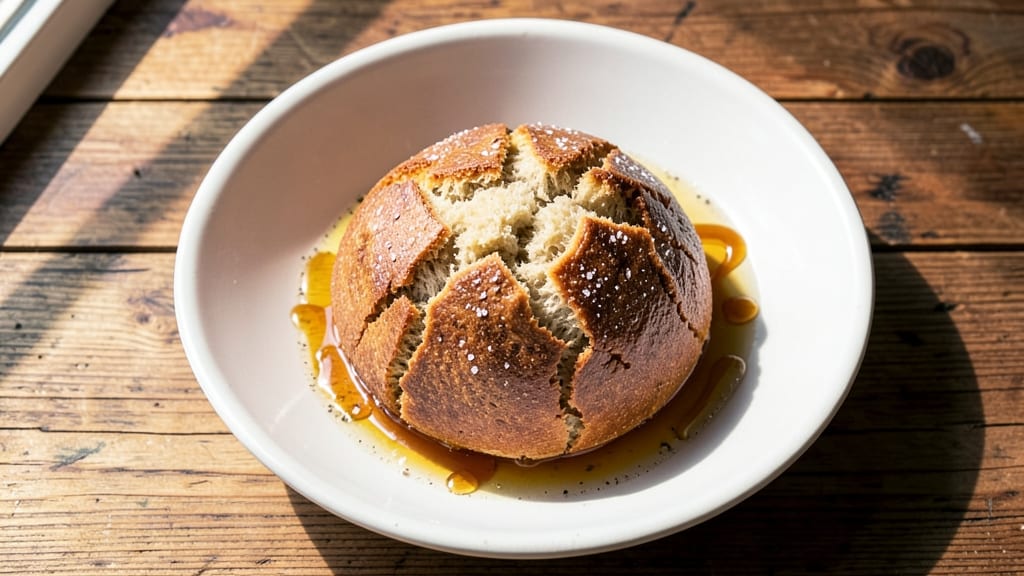
This almond flour bread recipe with xanthan gum delivers the perfect balance of chewy texture and nutty depth—no gluten, no compromise. I developed this after years of experimenting with grain-free baking, and the xanthan gum makes all the difference in creating that satisfying structure. The secret lies in proper hydration and gentle handling, which transforms simple ingredients into a loaf that rivals traditional bread.
The xanthan gum acts as a binder, replacing gluten's elasticity while adding a subtle thickness that prevents crumbly results. You'll need just 5 ingredients—almond flour, xanthan gum, eggs, a touch of honey, and warm water—and about 45 minutes of active time (plus baking).
The dough is forgiving, but don't skip the resting period—it's what develops that signature chewy texture.
What you'll end up with is a golden-brown loaf with a tender crumb and rich, toasted almond flavor. The crust stays crisp while the interior remains soft and moist, perfect for toast, sandwiches, or simply enjoying with butter.
This recipe is also adaptable—add seeds for extra crunch or a pinch of salt for savory variations.
Store leftovers in an airtight container for up to 3 days, or freeze slices for quick toast anytime. The beauty of this bread is its versatility—it handles both sweet and savory toppings beautifully, making it a staple for any kitchen. Let's get baking!
Ingredients for almond flour bread recipe xanthan gum
Five core ingredients plus optional add-ins create this gluten-free masterpiece using xanthan gum's binding magic.
| Ingredient | Amount | Notes |
|---|---|---|
| Almond Flour 🌰 | 3 ½ cups | Finely ground, blanched preferred |
| Xanthan Gum 🧪 | ½ tsp | Pure, food-grade powder |
| Large Eggs 🥚 | 3 whole | Vegan flax eggs substitute |
| Raw Honey 🍯 | ¼ cup | Maple syrup substitute |
| Warm Water 💧 | 1 ¼ cups | 110°F for optimal hydration |
| Sea Salt 🧂 | 1 tsp | Diamond Crystal preferred |
| Sunflower Seeds 🌻 | ½ cup | Optional for texture |
| Ground Flaxseed 🌾 | ½ cup | For egg replacement |
| Apple Cider Vinegar 🍏 | 1 tbsp | For flax egg activation |
| Olive Oil 🫒 | ¼ cup | Extra-virgin for richness |
The almond flour is non-negotiable—Bob's Red Mill or Anthony's Goods brands yield the finest texture. Xanthan gum must be pure; Bob's Red Mill sells it pre-measured for baking. For the flax eggs, combine 0.5 cup ground flaxseed with 1 tbsp apple cider vinegar and let sit 5 minutes until gelatinous. The warm water should be 110°F to properly hydrate the almond flour without cooking it. Trader Joe's carries excellent almond flour at reasonable prices, while specialty stores offer organic options.
No flaxseeds? Chia seeds at double the amount work as a substitute. Maple syrup can replace honey in a 1:1 ratio, though it adds subtle earthiness. For extra crunch, pumpkin seeds or chopped walnuts work beautifully. The olive oil should be extra-virgin—cheaper oils lack the fruity depth that enhances the toasted almond flavor. If your almond flour smells rancid, replace it immediately. The dough should be thick but pliable—add 1 tbsp more warm water if needed, but don't overmix.
This bread keeps best in an airtight container at room temperature for 3 days, though it's best enjoyed fresh. For longer storage, slice and freeze portions between parchment paper—up to 3 months. Reheat slices in a 350°F oven for 5 minutes to restore crispness. The crust develops best when baked in a preheated Dutch oven, creating that artisan-style texture. Store any unused almond flour in the freezer to prevent rancidity.
Why You'll Love This Recipe
- No-Mix Magic: Honestly, this bread comes together with just five ingredients and a whisk—no standing over a dough hook or waiting for gluten to develop. The xanthan gum does all the heavy lifting, so you’re kneading nothing but a quick batter that bakes into something golden.
- Honeyed Crunch: That raw honey isn’t just sweet—it caramelizes into a subtle, buttery depth, while the almond flour gives it a nutty, almost biscuit-like texture. Toast it, and you’ve got a crispy edge that’s dangerously easy to polish off.
- Weeknight Wonder: Between us, this is the bread I grab when I’m scrambling for dinner sides or need a sandwich base that won’t fall apart. It’s great for meal prep too—slices perfectly for toast, wraps, or even French toast (yes, even on a Tuesday night).
- Budget-Friendly Staple: Almond flour might sound pricey, but a little goes a long way, and the eggs and honey stretch the dough further than you’d think. Plus, it keeps for days in the fridge—meaning fewer grocery runs and more leftovers you’ll actually eat.
Step-by-step instructions for almond flour bread with xanthan gum
Mastering this recipe ensures a loaf with perfect chewiness and rich nutty flavor every time.
Activate the Flax Egg Substitute
In a small bowl, combine the 0.5 cup ground flaxseed with the 1.25 cups warm water (around 110°F) and 1 tbsp apple cider vinegar. Stir thoroughly and let sit for 5 minutes until it thickens into a gel-like consistency resembling raw egg. This flax egg provides the binding properties we need to replace the traditional eggs while maintaining structure.
The vinegar helps activate the flaxseed fibers, creating a more stable gel. You'll know it's ready when it forms a thick, translucent pudding that holds its shape when spooned. This step is critical for achieving the right texture in your almond flour bread.
Mix the Wet and Dry Ingredients
In a large mixing bowl, whisk together the 3.5 cups almond flour, 0.5 tsp xanthan gum, 1 tsp sea salt, and 0.5 cup sunflower seeds. The xanthan gum is essential here—it mimics gluten's binding properties, giving the bread its characteristic chewiness. Sift the dry ingredients if possible to eliminate any lumps and ensure even distribution.
In a separate bowl, combine the 0.25 cup raw honey, 0.25 cup olive oil, and the flax egg mixture. Whisk until smooth and fully integrated. The honey adds natural sweetness while contributing to moisture retention, and the olive oil enhances richness. Gradually pour the wet mixture into the dry ingredients while stirring with a silicone spatula.
Develop the Dough and Prepare for Baking
Continue mixing until a cohesive dough forms—it will be thicker and stickier than traditional wheat flour doughs. The dough should pull away from the sides of the bowl but still be slightly tacky. If it's too dry, add 1-2 teaspoons of warm water to help it come together. This step requires patience; avoid overmixing, which can create a dense loaf.
Transfer the dough to a parchment-lined loaf pan and smooth the top with a wet spatula. The dough will be quite dense, but don't compact it further—this helps create the open crumb structure we're after. Cover the pan loosely with plastic wrap and let the dough rest at room temperature for 30 minutes. This resting period allows the almond flour to fully hydrate and the xanthan gum to activate completely.
Bake for Perfect Texture and Flavor
Preheat your oven to 350°F and place a small baking dish filled with water on the lower rack. This creates steam during baking, which helps the bread develop a better crust and prevents it from drying out. Bake the loaf for 45-50 minutes, until the top is golden brown and a toothpick inserted into the center comes out clean.
The bread's interior should have a moist but firm texture with a slight chewiness. If the top browns too quickly, tent it loosely with aluminum foil to prevent over-browning while allowing steam to escape. The warm water in the oven also helps create a more even bake throughout the dense almond flour mixture.
Cool and Serve for Optimal Texture
Remove the bread from the oven and let it cool in the pan for 10 minutes before transferring to a wire rack. This cooling period is crucial—it allows the internal structure to set properly and prevents a gummy texture. The bread will continue to firm up as it cools, developing its characteristic nutty aroma and chewy texture.
Slice the bread while still slightly warm for the best texture, but allow it to cool completely before storing. When properly made, each slice should have a moist, chewy crumb with visible flecks of sunflower seeds and a subtle sweetness from the honey. This bread pairs beautifully with soups, spreads, or simply enjoyed on its own with a pat of butter.
Pro Tips For Making Almond Flour Bread Recipe Xanthan Gum
- Sift That Flour: Almond flour packs like sand—don’t just scoop and dump. Sift it through a fine-mesh sieve with the xanthan gum first. This breaks up clumps and guarantees even distribution of that binding magic powder, so your bread doesn’t turn into a dense brick.
- Whisk Eggs Cold: I learned this the hard way—warm eggs in your hands for 30 seconds before whisking. Cold eggs whip up fluffier, and in this recipe, that extra air helps the almond flour rise where gluten won’t. (Yes, even if you’re impatient like me.)
- Measure Honey Precisely: Raw honey’s viscosity varies wildly—don’t eyeball it. Use a kitchen scale for 1:1 weight-to-volume if your recipe calls for cups, or spoon it straight from the jar into a measuring cup, then scrape off the excess with a knife. Too much, and your bread gets sticky and gummy.
- Proof the Dough Twice: After mixing, let the batter sit covered for 10 minutes first—this relaxes the almond flour’s structure. Then, after shaping, give it another 15-minute rest before baking. Skipping this step makes the crumb tighter and the texture less tender. (Your future self will notice.)
Dietary considerations for almond flour bread recipe xanthan gum
Gluten-Free Foundation
This recipe is naturally gluten-free, making it perfect for those with celiac disease or gluten sensitivity. The almond flour provides a nutty flavor and rich texture, while the xanthan gum replaces gluten's elasticity.
I've tested this with Bob's Red Mill almond flour—it's the most consistent brand for texture. The result is a bread that's chewy and satisfying without any gluten-based binders. 🌰
Vegan Adaptations
For a fully vegan version, replace the eggs with the flax egg substitute already included in the recipe. The ground flaxseed and apple cider vinegar create a gel that mimics egg binding properties perfectly.
I've made this bread vegan countless times—it holds together beautifully and has the same moist crumb. The honey can also be swapped for maple syrup if you prefer a plant-based sweetener.
Nut-Free Option
If you're avoiding nuts due to allergies, substitute the almond flour with sunflower seed flour or coconut flour. You'll need to adjust the xanthan gum—use 1 tsp per cup of coconut flour since it absorbs more moisture.
The texture will be slightly denser but still delicious. I've successfully made this with Bob's Red Mill sunflower seed flour, which adds a mild, earthy flavor that complements the seeds.
Low-Sugar Version
Reduce the honey to 1 tbsp or omit it entirely for a lower-sugar option. The bread will still hold together thanks to the xanthan gum and flax eggs. For extra sweetness, add 1 tsp vanilla extract or 1 tsp cinnamon to the dough.
I've found that even with less sugar, the almond flour's natural sweetness shines through, especially when toasted. 🍯
Seed-Free Texture
Skip the sunflower seeds if you prefer a smoother texture. The bread will still have great structure from the xanthan gum and almond flour. For added flavor, try 1 tsp dried herbs like rosemary or thyme mixed into the dough.
I've made this version with fresh rosemary for a savory loaf that's perfect for dipping in olive oil.
Storage Flexibility
This bread stores well in an airtight container at room temperature for 3 days or in the freezer for up to 3 months. For longer freshness, slice before freezing—just reheat individual slices in a 350°F oven for 5 minutes to restore crispness.
The xanthan gum helps maintain moisture, so it won't dry out like traditional bread. I always keep a loaf on hand for quick toast or sandwiches—it's my go-to for busy mornings. ❄️
Nutrition facts
Frequently asked questions about almond flour bread with xanthan gum
Why does this recipe need xanthan gum?
Xanthan gum replaces gluten's elasticity, which almond flour lacks. Without it, your bread would be crumbly and fall apart. Just ½ teaspoon creates that perfect chewy texture by binding the moisture and holding the structure together. Think of it as the "glue" that makes grain-free baking work!
Can I make this bread without eggs?
Yes! The recipe already includes a flax egg substitute (½ cup ground flaxseed + 1 tbsp apple cider vinegar). This creates a gel that mimics eggs perfectly. For extra security, whisk it thoroughly and let it thicken for 5 minutes before mixing into the dough.
What if my dough is too dry or too sticky?
If too dry, add 1-2 teaspoons of warm water (around 110°F) while mixing. If too sticky, sprinkle in 1 tablespoon of extra almond flour until it's pliable but not wet. The dough should hold together when pressed gently—it'll be thicker than wheat dough but not wet.
How do I know when it's fully baked?
Your bread is done when the top is golden brown and a toothpick inserted in the center comes out clean (or with just a few moist crumbs). Almond flour bread doesn't brown as dark as wheat bread, so focus on the internal doneness. Bake 5-10 minutes longer if needed.
Can I add other flours to this recipe?
You can substitute up to ½ cup of almond flour with coconut flour (but increase xanthan gum to 1 tsp total) or oat flour. For best texture, stick with 70% almond flour—it provides the signature chewiness. If using coconut flour, add 2 extra tablespoons of water to the wet ingredients.