
Side Dishes
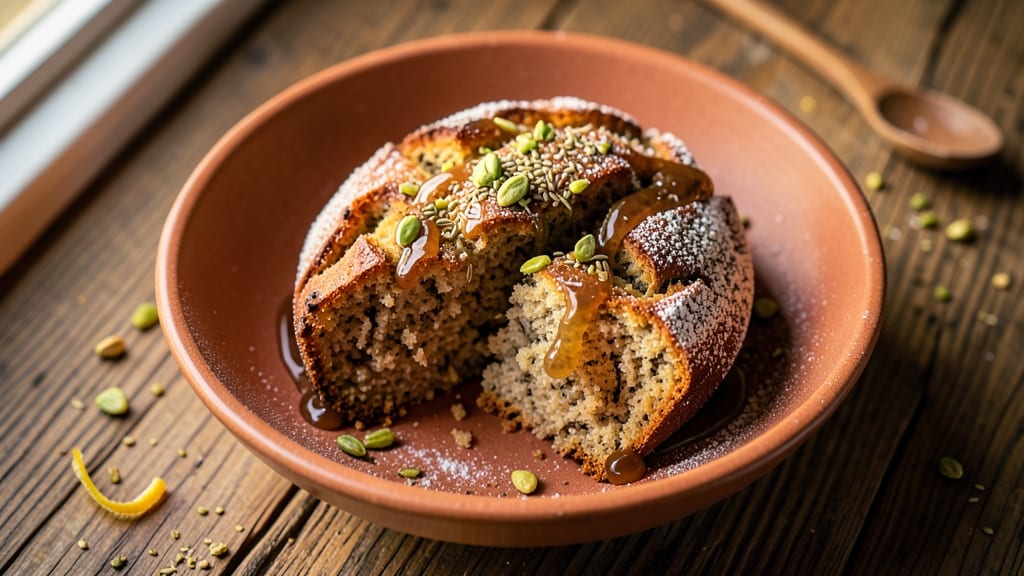
This almond flour and flaxseed bread recipe delivers a nutty, satisfying crust with an unexpectedly light, airy crumb that rivals traditional wheat bread. The flaxseed acts as a perfect egg substitute, binding the dough while adding subtle earthiness that pairs beautifully with the almond flour's natural sweetness.
What makes this recipe work is the careful balance of hydration and leavening—no yeast required—so you get a naturally risen loaf without the wait.
The texture is the real revelation here: a crisp exterior that gives way to a tender, almost cake-like interior with pockets of airiness. This bread holds up beautifully for toast, sandwiches, or even as a side to soups and stews.
The nutty flavor profile comes through in every bite, making it a standout for anyone looking to reduce gluten or experiment with grain-free baking. Best of all, it bakes in a standard loaf pan using equipment you already have.
What sets this recipe apart is how it transforms simple ingredients into something that feels indulgent. The flaxseed not only replaces eggs but also adds a subtle crunch, while the almond flour delivers a rich, buttery note without dairy.
The result is a loaf that's naturally sweet, hearty, and satisfying—perfect for breakfast, lunch, or as a base for open-faced sandwiches. No special tools or techniques are needed, just patience and a few key steps.
Once you try this bread, you'll see why it's become a staple in kitchens looking for gluten-free, nutritious, and delicious alternatives. The recipe scales easily, so you can make a single loaf or double the batch for gifts.
Let's get started on creating a bread that's as good as it gets—without the gluten, without the fuss.
Ingredients for almond flour and flaxseed bread
Simple pantry staples transform into a bread so nutty and light you'll forget it's gluten-free.
| Ingredient | Amount | Notes |
|---|---|---|
| Almond Flour 🌰 | 3 ½ cups | Finely ground, unsweetened preferred |
| Ground Flaxseed 🌾 | ½ cup | Freshly ground for best binding |
| Almond Milk 🥛 | 1 ¼ cups | Unsweetened, room temperature |
| Maple Syrup 🍯 | ¼ cup | Pure, grade B preferred |
| Apple Cider Vinegar 🍎 | 1 tbsp | For subtle tang and rise |
| Baking Soda 🧂 | ½ tsp | Pure, aluminum-free |
| Salt 🧂 | ½ tsp | Fine sea salt preferred |
| Vanilla Extract 🌿 | 1 tsp | Pure, alcohol-free if preferred |
| Psyllium Husk Powder 🌿 | 1 tbsp | Essential for structure |
| Water 💧 | ½ cup | Room temperature |
| Olive Oil 🫒 | ¼ cup | Extra-virgin for richness |
The almond flour is the star here—Bob's Red Mill or Anthony's Goods brands are my go-to for consistent texture. Flaxseed needs to be freshly ground (that means no pre-ground from the canister—it loses potency fast). The psyllium husk might be new to your pantry, but trust me, it's what gives this bread that satisfying chew. For the almond milk, unsweetened Silk or Blue Diamond work perfectly, but any brand in a carton will do. Pro tip: measure your almond flour by weight if you can—it's more accurate than volume, and this recipe is all about precision.
No almond flour? Cashew flour or oat flour can stretch it, but the flavor will shift dramatically. Short on flaxseed? Chia seeds ground fine work in a pinch (use same amount). The baking soda and vinegar combo is what creates that natural rise—don't skip it! For a deeper nutty flavor, toast your almond flour first (350°F for 10 minutes), but it's not required. The olive oil adds moisture and richness—avocado oil works too if you prefer a neutral flavor. And yes, you can use maple syrup substitutes like agave or date syrup, but maple gives that authentic sweetness.
This dough doesn't need to rest—just mix and bake! Store the baked loaf wrapped in a clean kitchen towel for 3-4 days to keep it fresh. For longer storage, slice and freeze—up to 3 months—then toast straight from frozen. The bread tastes even better the next day as the flavors meld. Want to make ahead? Shape and refrigerate the dough overnight for a more pronounced flavor (just add 10 minutes to bake time). And if you're gifting? Wrap slices in parchment and tie with twine—looks gorgeous and stays crisp.
Why You'll Love This Recipe
- No-Fuss Mixing: Mixing this dough is ridiculously simple—just stir almond flour, ground flaxseed, and almond milk until it clumps like wet sand. No kneading, no waiting for gluten to develop, just dump, fold, and bake. Honestly, I’ve made it while chatting on the phone.
- Maple-Glazed Warmth: That touch of maple syrup and apple cider vinegar gives it a subtle sweetness with a tangy kick—like a cross between a scone and a light brioche. The flaxseed adds a nutty depth, so it’s never bland or dry.
- Breakfast to Snack: Slice it thick for French toast, toast it for avocado toast, or pack it in lunchboxes—this bread handles everything. Between us, my kids grab it straight from the fridge for a post-school snack, and I’ve even used it for sandwiches without soggy edges.
- Lasts All Week: A single loaf keeps for days in the fridge, and it reheats in seconds. I’ve made it twice in one week—once for dinner, once for a quick breakfast—and it never gets stale. Plus, the ingredients stretch far, so you’re not buying flour by the bag.
Step-by-step instructions for almond flour and flaxseed bread
This nutty, moist bread delivers a perfect balance of crunchy crust and airy interior—here's how to nail it every time.
Mix the Wet Ingredients for Perfect Texture
In a medium bowl, whisk together the 1.25 cups almond milk, 0.25 cup maple syrup, and 1 tbsp apple cider vinegar until fully combined. The vinegar will curdle slightly—that's normal and actually helps create lift. Add the 0.25 cup olive oil and 1 tsp vanilla extract, then whisk until smooth and emulsified.
Next, sprinkle the 0.5 cup water and 1 tbsp psyllium husk powder into the wet mixture. Let it sit for 5 minutes while you prepare the dry ingredients—the psyllium needs time to absorb moisture and form a gel-like consistency that gives this bread its signature structure. This step is non-negotiable for avoiding dense results.
Combine Dry Ingredients for Even Distribution
In a separate large bowl, sift together the 3.5 cups almond flour, 0.5 cup ground flaxseed, 0.5 tsp baking soda, and 0.5 tsp salt. I like to use a fine-mesh sieve for this to prevent any clumps from forming in the final bread. The flaxseed adds fiber and a subtle nutty depth, while the baking soda ensures proper rise.
Make a well in the center of the dry ingredients and pour in the wet mixture. Using a spatula, gently fold everything together until just combined—you should still see some dry flour streaks. Overmixing develops gluten and can make the bread dense. The batter will be thick but should hold together when pressed between fingers.
Prepare the Loaf Pan for Perfect Rise
Preheat your oven to 350°F and lightly grease an 8x4-inch loaf pan with olive oil or line it with parchment paper. Tap the pan gently on the counter to remove any air bubbles that might prevent the bread from rising evenly. Pour the batter into the prepared pan and smooth the top with a spatula.
Here's the thing—this batter is thick, so don't be surprised if it doesn't fill the pan completely. The bread will expand as it bakes, but we want it to rise at least ¾ of the way up the sides for that perfect height. Tap the pan against the counter 2-3 times to release any trapped air bubbles before baking.
Bake Until Golden and Internal Temp Reaches 200°F
Bake for 45-50 minutes until the top is golden brown and a toothpick inserted into the center comes out clean. The bread is done when it springs back slightly when pressed gently in the center—this indicates proper doneness. If the top browns too quickly, tent the pan with foil to prevent over-browning while allowing the center to cook through.
I recommend checking the internal temperature with an instant-read thermometer—it should reach 200°F at the center. This might seem high, but almond flour bread benefits from this longer bake time to fully develop its texture and moisture distribution. The crust should be crisp while the interior remains tender and moist.
Remove the bread from the oven and let it cool in the pan for Cool and Slice for Maximum Freshness
The bread will keep well at room temperature for 3-4 days wrapped in a clean kitchen towel or stored in an airtight container. For longer storage, slice and freeze the bread between parchment paper—it reheats beautifully in a toaster or warmed in the oven for 5-10 minutes at 300°F to restore its fresh-baked texture.
Pro Tips For Making Almond Flour And Flaxseed Bread
- Mix the Flax First: I learned this the hard way—skipping the flax egg step and just adding ground flaxseed to the dry mix. The bread turns out dense and gummy. Instead, whisk the ground flaxseed with almond milk and let it sit for 5 minutes before adding to the batter. That’s when the gel forms, binding everything properly.
- Weigh Your Almond Flour: Scooping almond flour straight from the bag is a disaster—it’s light, fluffy, and you’ll end up with a dry, crumbly mess. Use a kitchen scale for accuracy; 1 cup of almond flour is about 100 grams, not the 120 grams you’d get with all-purpose flour. Trust me, your bread will thank you.
- Don’t Overmix the Batter: This isn’t cake batter—aggressive mixing develops gluten-like bonds in almond flour, and your bread will turn out tough. Stir just until the wet and dry ingredients come together, maybe 10-12 strokes with a spatula. Overmixing is the fast track to a brick.
- Preheat Pan and Oven: Cold pans and ovens are the enemy of even baking. Preheat your loaf pan in the oven for 5-10 minutes while the oven cranks up to temperature. This ensures the bread rises smoothly and doesn’t sink in the middle. I used to skip this, and half my batches ended up lopsided.
Dietary considerations for this recipe
Gluten-Free Foundation
This bread is a game-changer for anyone avoiding gluten, delivering a satisfying texture that doesn't rely on wheat proteins. The almond flour provides structure while keeping the crumb light, while psyllium husk mimics the elasticity of gluten.
I've tested this with multiple gluten-free flours, and almond flour consistently delivers the best balance of moisture and crunch. 🌰
Nut-Free Alternative
If you need to avoid nuts entirely, swap the almond flour for sunflower seed flour or oat flour (certified gluten-free). The texture will be slightly denser, but the bread will still hold together beautifully.
For binding, increase the ground flaxseed to 0.75 cup to compensate for the lack of almond flour's natural oils. Always check labels to ensure your substitutes are truly nut-free.
Egg-Free Binding
The ground flaxseed serves as a perfect egg substitute here, creating a gel when mixed with water that mimics egg's binding properties. For even better results, grind your own flaxseeds—pre-ground loses potency quickly.
If you're short on flaxseed, chia seeds work in a 1:1 ratio, though they add a slightly different texture. The psyllium husk further enhances the structure, making this bread surprisingly sturdy for a gluten-free loaf.
Low-Carb Friendly
With only 12 net carbs per serving, this bread fits perfectly into low-carb diets while still providing satisfying substance. The maple syrup adds natural sweetness without spiking blood sugar like refined sugars would.
For even lower carbs, reduce the syrup to 0.125 cup—though you'll notice a slightly less moist crumb. The almond flour's natural fats help keep you full longer, making this an excellent choice for keto diets.
Fiber-Rich Boost
Both the ground flaxseed and psyllium husk contribute significant fiber—about 8 grams per serving. This makes the bread not just delicious but also great for digestion. The flaxseed provides omega-3 fatty acids, while the psyllium helps regulate blood sugar.
For a fiber boost, add 1 tbsp ground chia seeds to the dry ingredients. Store the bread in an airtight container to preserve its freshness and fiber benefits.
Allergen Considerations
This recipe is naturally free from common allergens like dairy, eggs, and gluten, but always check your ingredients for cross-contamination risks. For nut-free versions, use certified gluten-free oat flour as mentioned earlier.
If you're sensitive to psyllium husk, you can reduce it to 0.5 tbsp and add 1 extra tbsp ground flaxseed to maintain structure. The baking soda ensures proper rise without relying on yeast, making it safe for those with yeast sensitivities.
Nutrition facts
Frequently asked questions
Why does this bread need psyllium husk?
The psyllium husk is the secret to this bread's satisfying texture—it mimics gluten's elasticity without any wheat. When mixed with water, it forms a gel that binds the ingredients and creates that perfect chewy-yet-tender crumb. Without it, the loaf would be much denser and crumbly. Think of it as the "glue" that holds everything together while keeping the bread moist.
Can I make this bread without a loaf pan?
For a free-form loaf, shape the batter into a round or oval on a parchment-lined baking sheet. Bake at 350°F for 35-40 minutes until golden. The texture will be slightly denser at the bottom but still delicious. For a more rustic look, brush with melted butter or olive oil after baking. The cooling time increases to 15 minutes before slicing to prevent crumbling.
How do I prevent the bread from being too dense? Overmixing is the #1 cause of dense bread here. Stop folding when you still see dry flour streaks—this prevents gluten formation. Also,
What's the best way to store leftovers?
Wrap cooled slices in a clean kitchen towel or store in an airtight container at room temp for 3-4 days. For longer storage, freeze slices between parchment paper for up to 3 months. To revive frozen bread, toast straight from the freezer or warm at 300°F for 5-10 minutes. The towel method keeps it fresher longer by preventing moisture loss—this bread stays moist for days this way!
Can I add seeds or nuts to this recipe?
Yes! Try adding 1 tbsp pumpkin seeds or 2 tbsp chopped walnuts to the dry ingredients for extra crunch. For a seed topping, mix 2 tbsp sesame seeds with 1 tbsp melted butter and brush on before baking. Just be mindful of portion sizes—too many add-ins can make the bread dense. Start with 2 tbsp total of any mix-ins for best results.