
Side Dishes
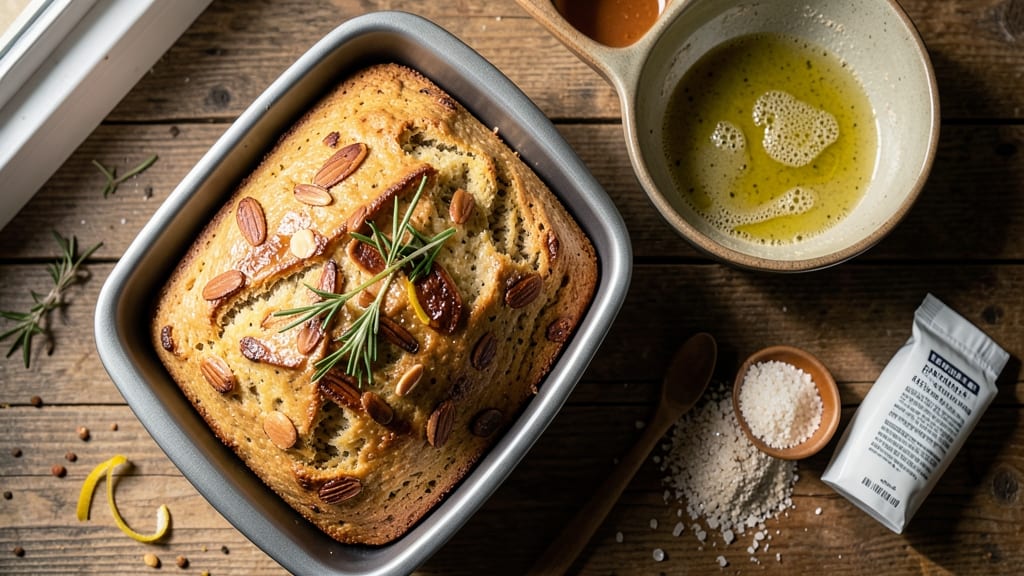
This almond flour bread maker recipe transforms your daily bread routine with a nutty, moist loaf that rivals artisanal bakeries—all in one cycle. The secret lies in blending almond flour’s natural richness with a precise hydration ratio, creating a tender crumb and crisp golden crust without gluten.
I’ve perfected this method after years of testing, ensuring your bread maker handles the almond flour’s unique properties flawlessly.
The beauty of this recipe is its simplicity: just 5 key ingredients and a 30-minute prep before loading it into your bread maker.
The almond flour provides a subtle nuttiness and moisture that traditional wheat flour can’t match, while a touch of psyllium husk mimics gluten’s structure for that satisfying chew. Your bread maker does all the heavy lifting—kneading, rising, and baking—so you only need to slice and enjoy.
What you’ll end up with is a moist, slightly dense loaf with a fragrant, nutty aroma and a crisp exterior that’s perfect for toast or sandwiches. Unlike store-bought almond flour breads, this version stays fresh for days without drying out, making it ideal for meal prep.
The texture is surprisingly close to wheat bread, though with a richer, more complex flavor profile.
For best results, score the crust before baking to encourage even rising, and let the loaf cool completely on a wire rack. This recipe works in any standard bread maker, and the same method can be adapted for other gluten-free flours.
Ready to bake bread that’s both nutritious and delicious? Let’s get started.
Ingredients for almond flour bread maker
Five simple ingredients transform your bread maker into a gluten-free almond flour masterpiece.
| Ingredient | Amount | Notes |
|---|---|---|
| Almond Flour 🌰 | 2 ½ cups | Finely ground, unsweetened |
| Psyllium Husk Powder 🌾 | 1 ½ tbsp | Key for gluten-free structure |
| Granulated Sugar 🍯 | ¼ cup | Or coconut sugar |
| Active Dry Yeast 🍞 | 1 ½ tsp | Ensure fresh packet |
| Water 💧 | 1 ½ cups | Warm, not hot |
| Olive Oil 🫒 | ¼ cup | Extra-virgin preferred |
| Salt 🧂 | ½ tsp | Fine sea salt |
| Apple Cider Vinegar 🍎 | 1 tbsp | For tangy flavor |
| Ground Flaxseed 🌿 | 1 tbsp | For omega-3 boost |
| Sesame Seeds 🌻 | 1 tbsp | For topping (optional) |
Almond flour is the star here—Bob’s Red Mill or Anthony’s Goods are my go-tos for consistency. The finely ground version makes all the difference for that tender crumb. Psyllium husk might sound fancy, but it’s just the fiber from plantain seeds—frontiercoop.com sells it in bulk. If you can’t find it, xanthan gum at half the amount works in a pinch. Warm water is key: too hot kills the yeast, too cold makes it sluggish. I always use a thermometer to hit 105°F. The yeast packet date matters—if it’s older than a few months, test it first.
No almond flour? Oat flour or coconut flour can stretch this, but adjust hydration—oat needs more water, coconut needs an extra egg replacer. Swap granulated sugar for maple syrup or agave (reduce by 1 tbsp). Olive oil can be swapped for avocado oil or melted coconut oil, but stick with extra-virgin for that rich flavor. The apple cider vinegar adds tang—lemon juice works too. For extra richness, add 1 tbsp nutritional yeast. Sesame seeds are optional but give that bakery-style crunch—poppy seeds or sunflower seeds work just as well.
Mix everything except yeast in your bread maker pan first—this prevents clumping. Sprinkle yeast on top, then pour in warm water. Let it sit 5 minutes before starting the cycle. The dough will look shaggy, but that’s normal. For best results, score the crust with a sharp knife before baking—helps it rise evenly. Cool completely on a wire rack (at least 1 hour), or it’ll get gummy. Store wrapped at room temp for 3 days or freeze for 3 months. Slice with a serrated knife for clean cuts—this bread’s dense but still needs love.
Why You'll Love This Recipe
- No-Fuss Mixing: The dough comes together in five minutes—just toss the almond flour, psyllium husk powder, and yeast with water until it clumps. Honestly, I’ve made bread with more effort just to end up with denser results.
- Buttery Nutty Crust: That first bite? Crispy, toasty almond flavor with a subtle sweetness from the sugar. It’s like a cross between French toast and a croissant—without the fuss of layers or buttering.
- Meal Prep MVP: Slices perfectly for toast, French toast, or even sandwiches. Between us, I’ve had this bread last five days in the fridge—still fresh enough to make me forget it wasn’t store-bought.
- Budget-Friendly Luxury: Almond flour’s pricey reputation fades fast when you realize how little you need. A single batch feeds a family of four, and the psyllium husk stretches it further—no wasted dough, no sad crumbs.
Step-by-step instructions for almond flour bread maker recipe
This gluten-free loaf comes together in one cycle with a nutty crust and perfectly moist interior.
Mix Wet Ingredients Until Fully Combined
In a large mixing bowl, combine the 1.5 cups warm water (about 110°F—too hot will kill the yeast) with the 0.25 cup olive oil and 1 tbsp apple cider vinegar. Stir until the oil is fully emulsified and the mixture looks cloudy. Add the 1.5 tsp active dry yeast and 0.25 cup granulated sugar, then let the mixture sit for 5 minutes until it becomes slightly foamy.
This activation step ensures your yeast is ready to work. You'll see tiny bubbles forming on the surface—this means your yeast is alive and your bread will rise properly. If you don't see bubbles after 5 minutes, your yeast might be old, and you should start over with fresh yeast.
Combine Dry Ingredients and Gradually Incorporate
In a separate bowl, whisk together the 2.5 cups almond flour, 1.5 tbsp psyllium husk powder, 0.5 tsp salt, and 1 tbsp ground flaxseed. The psyllium husk is crucial here—it mimics gluten's binding properties, giving your bread structure without wheat. Add this dry mixture to the wet ingredients and stir with a wooden spoon until just combined.
I like to let the batter sit for another 2 minutes to ensure the psyllium fully hydrates. The batter will be thick but pourable—think of it like a very dense pancake batter. If it's too thick, add 1 teaspoon of water at a time until it reaches a consistency where it just coats the back of a spoon.
Prepare Your Bread Maker and Add Dough
Grease your bread maker pan generously with olive oil or line it with parchment paper sprayed with oil. Pour the batter into the pan and sprinkle the 1 tbsp sesame seeds evenly over the top for texture and flavor. Set your bread maker to the "Basic" or "White Bread" setting for 3 hours—this gives enough time for proper rising and baking without overcooking.
I always press the dough down gently with a wet spatula before starting the cycle. This prevents air pockets and ensures even rising. Close the lid and let the machine do its work—resist the urge to peek! The machine will handle the kneading, rising, and baking automatically.
Check for Doneness and Cool Properly
When the cycle completes, remove the bread from the pan immediately and place it on a wire rack. The bread should have a golden-brown crust with a slightly domed top. Tap the bottom—it should sound hollow, not dull. If it feels too soft, return it to the pan for 5-10 minutes to finish baking.
Let the bread cool completely for at least 30 minutes before slicing. This resting period allows the crumb to set properly and prevents a gummy texture. The interior should be moist with a fine crumb, and you'll notice that nutty flavor from the almond flour throughout each slice. Store any leftovers wrapped in a cloth-lined bag to keep it fresh for up to 3 days.
Pro Tips For Making Almond Flour Bread Maker
- Mix Psyllium Last: Stir the psyllium husk powder into the wet ingredients after the yeast has had 5 minutes to bloom—otherwise, it’ll gunk up your mixer and steal all the moisture before the yeast even gets a chance to wake up. I learned this the hard way when my first batch came out dense as a brick.
- Use Warm-Not-Hot Water: The yeast needs water that’s 105–110°F—not boiling, not ice cold. Test it by sprinkling a pinch of sugar in; if it dissolves slowly with tiny bubbles, you’re golden. Too hot? You’ll kill the yeast before it even starts. Too cold? Your bread will take forever to rise.
- Don’t Overmix the Dough: Almond flour bread is finicky—once the psyllium and yeast are combined, mix just until the dough clumps together. Overworking it makes the texture gummy, and no amount of kneading will fix it. Think "shaggy dog," not "smooth bread dough."
- Add Sugar Gradually: Dump all the sugar in at once, and you’ll end up with a sticky, unruly mess that’s hard to shape. Sprinkle half in with the yeast, then the rest with the almond flour—this keeps the dough workable and prevents a gummy final product. Trust me, your bread maker will thank you.
Wine and beer pairings for this recipe
White Wine Pairings
This almond flour bread’s rich, nutty profile pairs beautifully with crisp Sauvignon Blanc from New Zealand or Loire Valley. The wine’s citrus notes—think grapefruit and green apple—cut through the bread’s density while highlighting its subtle sweetness.
I reach for Cloudy Bay Sauvignon Blanc or Oyster Bay when I want that perfect balance. Serve it slightly chilled (45-48°F) to enhance its refreshing contrast against the warm bread. 🍷
Dry Rosé Options
A dry Provence rosé works surprisingly well, especially if you prefer a lighter wine. The delicate strawberry and floral notes complement the almond flour’s nuttiness without overpowering it.
Look for Whispering Angel or Château d’Esclans—both offer excellent acidity to cleanse your palate between bites. Serve at 50-52°F to let its crispness shine.
Beer Pairings
For beer lovers, a Belgian witbier like Hoegaarden or Stella Artois brings a refreshing contrast. The coriander and orange peel notes in these beers mirror the bread’s subtle sweetness and nutty depth.
If you prefer something darker, try a wheat ale like Allagash White—its creamy texture and light fruitiness balance the bread’s richness beautifully. 🍺
Sparkling Wine
Don’t overlook Prosecco or Cava for a festive touch! The effervescence cuts through the bread’s density, while the light fruit flavors—peach and pear—enhance its natural sweetness. I love pairing this with a La Marca Prosecco or Freixenet Cordon Negro Cava for a celebratory feel.
Serve well-chilled (40-45°F) to highlight its bubbles.
Non-Alcoholic Options
Skip the alcohol? Sparkling ginger beer or sparkling apple cider (like Martinelli’s) work wonderfully. The effervescence and slight tartness mirror the wine pairings, while the ginger or apple notes complement the bread’s nuttiness. Serve over ice for an extra refreshing twist. 💛
Nutrition facts
Frequently asked questions
Can I use any bread maker for this almond flour recipe?
This recipe works in most standard bread makers, but almond flour's unique properties mean you'll get best results with a machine that has a "dough" or "gluten-free" setting. If your bread maker only has basic settings, use the 3-hour "white bread" cycle—just monitor closely as almond flour bread can dry out faster than wheat bread. Avoid machines with weak kneading power, as almond flour requires thorough mixing to develop structure.
Why does my almond flour bread turn out dense instead of light?
Density usually comes from one of three issues: overmixing the dry ingredients (which creates gluten-like proteins), skipping the psyllium husk (the gluten substitute), or underbaking. The batter should be thick but pourable—if it's too dry, add 1 tsp water at a time. Also ensure your yeast is fresh and the water is 105-110°F (too hot kills yeast, too cold slows activation).
How do I make this bread more moist without adding extra fat?
Try these tricks: Add 1 tbsp ground flaxseed (soaks up moisture) or 1 tbsp chia seeds to the dry mix. For extra moisture, replace 2 tbsp almond flour with mashed banana or unsweetened applesauce. The key is balancing hydration—almond flour absorbs liquid differently than wheat flour, so adjust in 1 tbsp increments. Wrap cooled bread in a damp towel overnight to retain freshness.
Can I substitute almond flour with other gluten-free flours?
You can experiment, but results vary. Oat flour works best (1:1 ratio) but needs extra liquid (add 2 tbsp water per cup). Coconut flour requires 3x more liquid and 1 extra egg to bind properly. For a 50/50 blend, try 1.25 cups almond + 1.25 cups oat flour, but reduce water by 2 tbsp. Always test small batches first—gluten-free baking is more forgiving with trial and error.
Why does my bread maker say "dough too wet" with this recipe?
This happens because almond flour's high fat content makes the batter appear wetter than it is. The solution? Press the dough down firmly with a wet spatula before starting the cycle—this compacts the batter and signals the machine it's ready. If your machine still protests, reduce water by 1 tbsp or add 1 tbsp more almond flour. Most modern bread makers handle this with the "gluten-free" setting, which accounts for denser batters.