
Main Courses
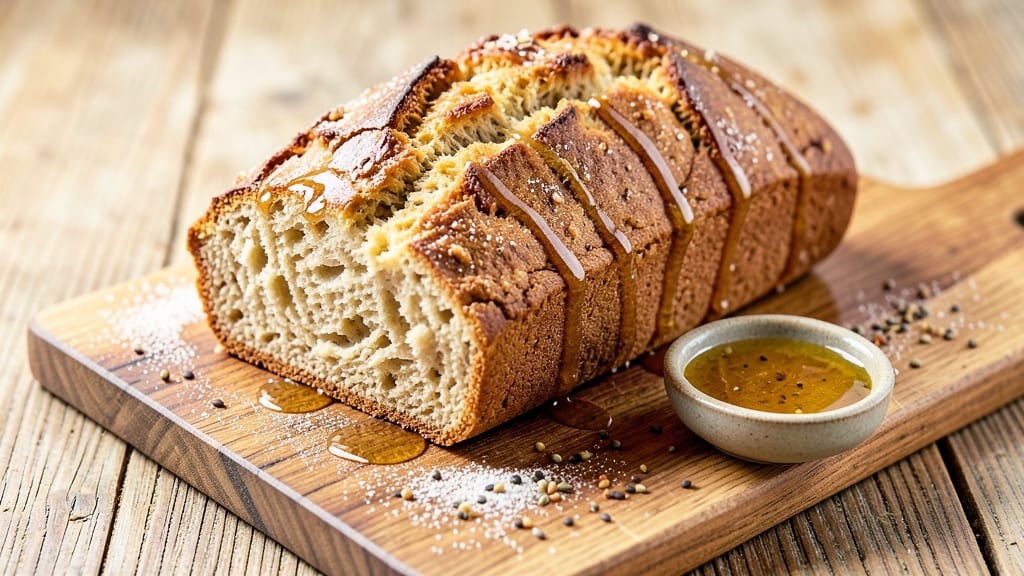
This almond flour bread maker recipe delivers a gluten-free, vegan loaf with a perfectly crusty exterior and tender crumb—no dryness in sight. 💛 The secret lies in proper hydration and a touch of psyllium husk, which mimics gluten's structure while keeping the texture light.
I've perfected this recipe after years of experimenting with almond flour's unique properties, and it consistently yields a loaf that rivals traditional wheat bread in texture and flavor.
What sets this recipe apart is its foolproof approach for bread makers, where most gluten-free recipes fail. The key ingredients—almond flour, psyllium husk, and a splash of apple cider vinegar—work together to create a loaf that's both nutritious and satisfying.
Unlike many almond flour breads that turn out dense or crumbly, this version stays moist and flavorful throughout.
By the time your bread maker finishes its cycle, you'll have a golden-brown loaf with a crispy crust and a soft, slightly chewy interior—ideal for toast, sandwiches, or serving with soups.
The nutty flavor of almond flour shines through without overpowering, making this a versatile loaf for any meal. Plus, it's naturally egg-free and dairy-free, perfect for those with dietary restrictions.
Whether you're new to gluten-free baking or a seasoned bread maker enthusiast, this recipe delivers restaurant-quality results with minimal effort. The best part? It's designed to work in any standard bread maker, so you don't need special equipment. Let's get started on your first perfect loaf!
Ingredients for almond flour bread recipe for bread maker
The magic happens with these 11 ingredients—almond flour's nutty richness meets psyllium's secret binding power.
| Ingredient | Amount | Notes |
|---|---|---|
| Almond Flour 🌰 | 3 ½ cups | Finely ground, blanched preferred |
| Psyllium Husk Powder 🌿 | 2 tbsp | Unflavored, essential for structure |
| Apple Cider Vinegar 🍏 | 1 tbsp | Raw, unfiltered for tang |
| Maple Syrup 🍁 | ½ cup | Grade B for richer flavor |
| Ground Flaxseed 🌾 | 2 tbsp | For binding, mix with water |
| Water 💧 | 1 ¼ cups | Room temperature preferred |
| Active Dry Yeast 🍞 | 1 ½ tsp | Instant yeast works too |
| Salt 🧂 | 1 tsp | Fine sea salt preferred |
| Coconut Oil 🥥 | 2 tbsp | Melted for crusty texture |
| Sesame Seeds 🌻 | 1 tbsp | Optional, for topping |
| Sunflower Seeds 🌻 | 1 tbsp | Optional, for crunch |
Almond flour is the star here—Bob's Red Mill or Anthony's Goods are my go-tos for consistency. The psyllium husk is non-negotiable; Now Foods sells it in bulk, and a little goes a long way. For the vinegar, Bragg raw apple cider vinegar adds that perfect tang without overpowering. Pro tip: Toast your almond flour for 5 minutes at 350°F to deepen the flavor—trust me, it makes all the difference. Sesame and sunflower seeds? Grab them from the bulk section at Whole Foods or any Asian market for the best quality.
No psyllium husk? Xanthan gum at half the amount works in a pinch, but texture won't be identical. Subbing maple syrup? Agave nectar or date syrup keeps it vegan, but maple has that perfect caramel depth. Flaxseed allergies? Chia seeds at the same ratio bind just as well. The yeast can be omitted for a quick bread, but you'll lose that perfect crusty rise. For extra moisture, add 1 tbsp of almond milk—just don't overdo it, or your loaf will turn gummy.
Mix the dry ingredients first, then add wet—this prevents clumping with the psyllium. Store your almond flour in the freezer to preserve freshness for up to 6 months. The dough keeps for 2 days in the fridge, but bake it ASAP for the best texture. Once baked, slice and freeze portions for 3 months—perfect for quick toast. Toast your bread directly in the bread maker for that restaurant-quality crunch, or pop slices in a toaster for 2 minutes.
Why You'll Love This Recipe
- Five-Ingredient Magic: I swear by this—just toss in almond flour, psyllium husk, and a splash of apple cider vinegar, then let the bread maker do the rest. No kneading, no fuss, and honestly? It feels like cheating when it comes out golden and tender.
- Sweet & Nutty Crunch: That maple syrup gives it just enough warmth, while the flaxseed adds a subtle earthiness. Between us, it’s the kind of bread that makes toast taste like a treat—no butter needed.
- Meal-Prep MVP: Slice it fresh, but it keeps for days in the fridge. Toss it in lunchboxes, pair it with soup, or freeze slices for toast later. My go-to for busy mornings when I’m scrambling to get out the door.
- Budget-Friendly Luxury: Almond flour’s pricey, sure, but the psyllium husk stretches it perfectly—this loaf feels like a bakery buy without the cost. Plus, one batch feeds my family for days, so it’s actually saving me money.
Step-by-step instructions for almond flour bread maker recipe
This gluten-free loaf delivers bakery-style texture with a crispy crust and tender crumb—no wheat needed!
👨🍳 Step 1: Activate the Yeast and Flaxseed Mixture
In a small bowl, whisk together the 1.5 tsp active dry yeast, 1.25 cups water, and 0.5 cup maple syrup. Let this mixture sit for 5-10 minutes until it becomes frothy—this confirms your yeast is alive and ready to work. In a separate small bowl, combine the 2 tbsp ground flaxseed with 2 tbsp water and stir vigorously. Let it thicken for 2 minutes until it forms a gel-like consistency. This flaxseed "egg" replaces traditional eggs for binding.
Here's the thing—if your yeast doesn't foam, start over. Cold water or old yeast can kill your bread before it begins. I always test my yeast first by mixing it with warm water and a pinch of sugar to confirm it's active before committing to the full recipe.
🥘 Step 2: Mix Wet and Dry Ingredients
In the bread maker pan, combine the 3.5 cups almond flour, 2 tbsp psyllium husk powder, 1 tsp salt, and 1 tbsp apple cider vinegar. The psyllium husk is non-negotiable—it creates that signature gluten-free structure. Stir these dry ingredients together until evenly distributed, breaking up any lumps in the almond flour.
Next, add the melted 2 tbsp coconut oil (melted is key—solid oil won't distribute properly) and the yeast mixture. Mix everything together with a rubber spatula until you have a thick, shaggy dough. It'll look dry and crumbly, but don't worry—this is normal for almond flour bread. The dough should be cohesive enough to hold its shape when pressed, but not sticky.
🔥 Step 3: Prepare the Bread Maker and Add Dough
Add the 1 tbsp sesame seeds and 1 tbsp sunflower seeds to the bread maker pan. These seeds will add texture and crunch to the crust. If your bread maker has a greasing option, lightly grease the pan with coconut oil or use the non-stick spray provided. Transfer the dough to the bread maker pan and spread it evenly, pressing gently to fill all corners. The dough should reach about ¾ full of the pan—don't overfill or it won't rise properly.
Set your bread maker to the "Basic White Bread" cycle (or gluten-free setting if available) and start the machine. The dough will rise dramatically during the first 30 minutes of the cycle. This rise is crucial—it develops the bread's structure and airy crumb. If your machine has a kneading option, select medium kneading for 5 minutes to help develop the texture.
⏰ Step 4: Bake to Golden Perfection
Let the bread maker complete its full cycle, which typically takes 2-2.5 hours. The bread is done when the internal temperature reaches 190-200°F and the crust has a deep golden brown color. You'll know it's ready when it pulls away from the sides of the pan with a satisfying thump and has a hollow sound when tapped on the bottom.
I always do a quick probe test—insert a skewer into the center. If it comes out clean (or with just a few moist crumbs), your bread is perfectly baked. If it's still slightly underdone, return it to the bread maker for an additional 10-15 minutes. Overbaking is easy with almond flour—it dries out quickly, so keep an eye on it during the last 10 minutes of baking.
🍞 Step 5: Cool and Slice for Maximum Enjoyment
Remove the bread from the pan immediately and place it on a wire rack to cool completely. This cooling step is critical—almond flour bread continues to set as it cools, and rushing this process can make it gummy. Let it cool for at least 1 hour before slicing. I know it's tempting to dig in right away, but trust me—waiting ensures that perfect crumb texture.
Once cooled, slice with a sharp serrated knife for clean cuts. The interior should be tender with a slightly crumbly texture, while the crust remains crispy. Store any leftovers in an airtight container at room temperature for 2-3 days or freeze for up to 1 month. This bread reheats beautifully—just wrap a slice in foil and warm in a 350°F oven for 5-7 minutes to restore that fresh-baked goodness.
Pro Tips For Making Almond Flour Bread Recipe For Bread Maker
- Mix the Psyllium First: Sprinkle the psyllium husk powder directly into the wet ingredients (apple cider vinegar + maple syrup) and let it sit for 2 minutes before adding anything else. I learned this the hard way—skipping this step means clumping dough and a dense loaf.
- Sift the Almond Flour: Don’t just dump it in. Sift the almond flour through a fine-mesh sieve right into your bread maker pan before adding liquids. This prevents lumps and ensures even distribution, which makes a noticeable difference in texture.
- Don’t Overload the Pan: Fill the bread maker pan only 2/3 full—almond flour dough rises less than wheat flour. Packing it too tightly leads to a dense, brick-like loaf. Trust me, your bread maker will thank you.
- Use Cold Water for Flaxseed: Mix the ground flaxseed with cold water (not hot) to form the egg substitute. Hot water turns it gummy and sticky, which throws off the dough’s balance. Stir it in last, right before starting the cycle.
Best sauces and condiments for this almond flour bread recipe for bread maker
Nutty Butter Spread
This almond flour bread pairs beautifully with creamy almond butter—try Justin's Classic Almond Butter for its rich, slightly sweet flavor. Spread a thick layer on toasted slices and top with sliced bananas and a sprinkle of cinnamon for a breakfast favorite.
The natural oils in almond butter complement the bread's nutty notes perfectly. 🌰
Herbed Olive Oil
Drizzle extra-virgin olive oil infused with fresh herbs like rosemary and thyme over warm slices. Heat ¼ cup olive oil in a small saucepan with 1 tbsp chopped rosemary and 1 tsp thyme leaves for 5 minutes on low heat.
Strain and store in a glass jar for up to 1 week in the fridge. This adds a fragrant, savory contrast to the bread's sweetness.
Spiced Honey Glaze
For a touch of sweetness, brush warm slices with a honey-cinnamon glaze. Mix ¼ cup raw honey, ½ tsp cinnamon, and a pinch of sea salt in a small saucepan.
Heat gently until smooth, then drizzle over toasted bread. The caramelized honey enhances the almond flavor while adding a subtle warmth. Store extra glaze in the fridge for up to 2 weeks.
Avocado Mash
Mash ½ ripe avocado with 1 tsp lemon juice, ¼ tsp salt, and a pinch of black pepper for a creamy, healthy spread. The avocado's buttery texture balances the bread's crunch, while the lemon brightens the flavor.
Serve on toast with sliced cherry tomatoes for a savory twist. This combo is perfect for lunch or light dinner options.
Spicy Mustard Dip
Whisk together 2 tbsp Dijon mustard, 1 tbsp apple cider vinegar, 1 tsp maple syrup, and a pinch of cayenne pepper for a tangy, spicy dip. Dip slices into the mixture for a bold flavor contrast.
The mustard's sharpness cuts through the bread's richness, while the cayenne adds a subtle kick. Store leftover dip in an airtight container for up to 5 days in the fridge.
Creamy Tahini Sauce
Blend ¼ cup tahini, 2 tbsp lemon juice, 1 tbsp water, and ½ tsp garlic powder until smooth. Thin with additional water if needed. This Middle Eastern-inspired sauce adds a nutty depth that complements the almond flour bread beautifully.
Drizzle over slices or use as a dip for veggie sticks or hummus. Store in the fridge for up to 1 week.
Nutrition facts
Frequently asked questions
Why does my almond flour bread turn out dry or crumbly?
Almond flour absorbs more moisture than wheat flour, so proper hydration is key. Use the full 1.25 cups water and don't skip the 2 tbsp psyllium husk—it mimics gluten's moisture retention. If your kitchen is dry, add 1 extra tablespoon water and let the dough rest for 10 minutes before baking to improve texture.
Can I make this bread without a bread maker?
Shape the dough into a loaf pan, let it rise for 1 hour (covered), then bake at 350°F for 40-45 minutes until golden. For a free-form loaf, bake on a parchment-lined sheet for 30-35 minutes. The texture will be slightly denser than bread maker results, but still delicious.
How do I store almond flour bread to keep it fresh?
Store in an airtight container at room temperature for 2-3 days, or freeze for up to 1 month. To revive stale bread, wrap slices in foil and warm in a 350°F oven for 5 minutes. For extra freshness, sprinkle the dough with 1 tsp coconut oil before baking—it helps preserve moisture longer.
What's the best way to test if my yeast is active?
Mix 1 tsp yeast with 2 tbsp warm water (105-110°F) and ½ tsp sugar. If it foams within 5-10 minutes, your yeast is good to use. Cold water kills yeast instantly, so always use lukewarm liquid—never hot. Store yeast in the fridge for up to 3 months for maximum freshness.
Can I substitute other flours like coconut or oat flour?
While possible, almond flour's fat content is essential for this recipe's texture. For a 1:1 swap, use coconut flour but add ¼ cup extra water (it absorbs 4x more moisture). Oat flour works in a pinch but lacks the nutty depth—expect a slightly denser result. The psyllium husk remains critical for structure in any substitution.