
Side Dishes
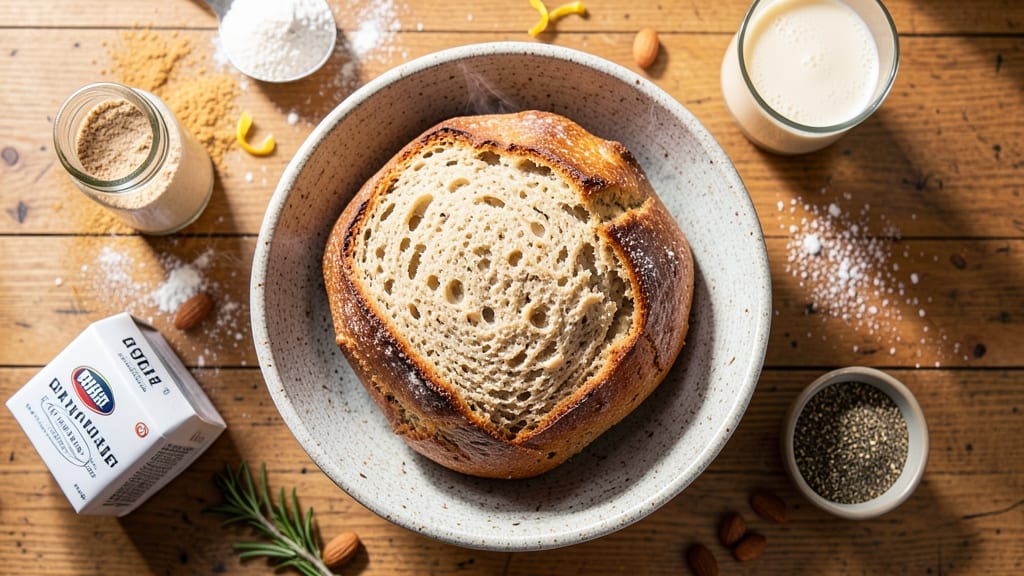
This almond flour soda bread recipe delivers the perfect balance of nutty flavor, crispy crust, and light, airy crumb—all without gluten or dairy. The secret lies in properly hydrating the almond flour and using a simple soda bread technique that creates that signature tender interior. I developed this recipe after years of perfecting gluten-free baking, and it's finally the version that actually holds together without crumbling.
The beauty of almond flour lies in its natural richness and ability to absorb moisture differently than wheat flour. This recipe achieves that classic soda bread texture by combining almond flour with a small amount of tapioca starch for structure, while baking soda creates the signature rise.
The result is a loaf with a golden, crisp exterior and a moist, slightly dense crumb that's perfect for sandwiches or serving alongside soups.
What makes this recipe truly special is how it transforms a simple side into a showstopper—no one will guess it's gluten-free. The nutty flavor from the almond flour adds depth, while the crispy crust provides satisfying texture with every bite.
Best of all, it bakes in just 45 minutes, making it ideal for weeknight meals or holiday gatherings.
Whether you're avoiding gluten, looking for a nutty bread alternative, or simply want to try something new, this almond flour soda bread delivers restaurant-quality results at home. The recipe is completely self-contained—no special ingredients or techniques required beyond basic baking skills. Let's get started!
Ingredients for almond flour soda bread
Fourteen simple ingredients transform into a golden, nutty loaf with a crisp crust and tender crumb.
| Ingredient | Amount | Notes |
|---|---|---|
| Almond Flour 🌰 | 2 ½ cups | Finely ground, blanched preferred |
| Tapioca Starch 🌾 | ¼ cup | For structure and binding |
| Baking Soda 🍞 | 1 tsp | Ensures proper rise |
| Salt 🧂 | ½ tsp | Fine sea salt preferred |
| Flaxseed Meal 🌱 | 2 tbsp | Mixed with 6 tbsp water for egg replacer |
| Plain Unsweetened Almond Milk 🥛 | ¾ cup | Room temperature preferred |
| Apple Cider Vinegar 🍏 | 1 tbsp | Activates baking soda |
| Maple Syrup 🍯 | 2 tbsp | For subtle sweetness |
| Extra-Virgin Olive Oil 🫒 | ¼ cup | For moisture and richness |
| Ground Flaxseed 🌱 | 1 tbsp | Sprinkled on top for crunch |
| Sesame Seeds 🌾 | 1 tbsp | Optional for extra texture |
| Water 💧 | ½ cup | Adjust for almond flour moisture |
Almond flour is the star here, so don't cut corners—blanched almond flour has a milder taste and better texture. Bob's Red Mill or Anthony's Goods are my go-tos, but any finely ground almond flour works. The key is to measure it by weight if possible (2.5 cups equals about 8 ounces), since scooping can pack it too tightly. Tapioca starch is non-negotiable for that classic soda bread structure—it binds the crumb without adding gluten. For the flax egg, mix the flaxseed meal and water first and let it thicken for 5 minutes before adding to the batter.
No almond milk? Oat milk or coconut milk works just as well—just use the same amount. Short on flaxseed? Chia seeds at double the amount (2 tbsp chia + 6 tbsp water) will do in a pinch, but flax has a better texture. The apple cider vinegar is essential—it reacts with the baking soda to create that signature rise. No vinegar? Lemon juice works too. For the topping, sesame seeds add a nice crunch, but you can skip them if you're avoiding nuts entirely. The olive oil matters here—use extra-virgin for that fruity depth that shines through in the crust.
This dough is sticky—don't panic, it's normal! Line your loaf pan with parchment paper for easy removal. The bread keeps best in an airtight container at room temperature for 2 days, but it reheats beautifully in a 350°F oven for 5-10 minutes to restore that crisp crust. For longer storage, freeze slices wrapped in plastic for up to 3 months. I always make an extra batch—it freezes perfectly and becomes my go-to toast bread for the week.
Why You'll Love This Recipe
- No Mixer Needed: I swear by this—just toss the almond flour, tapioca starch, and flaxseed meal into a bowl, add water, and stir. The baking soda does all the work, so no kneading, no waiting for dough to rise. Honestly, it’s the kind of recipe that makes me feel like a baking genius.
- Nutty Crunch Magic: That first bite? The almond flour gives it this irresistible crumbly texture, while the tapioca starch keeps it tender. It’s not sweet, not heavy—just pure, satisfying bread with a subtle richness that pairs with everything from jam to savory soups.
- Lunchbox Hero: Between us, this bread is my secret weapon for school lunches or work snacks. It stays fresh for days, slices neatly, and—here’s the kicker—it’s gluten-free but foolproof for kids (and adults) who miss the comfort of classic soda bread.
- Budget-Friendly Staple: Almond flour’s pricey reputation is a myth when you use it in small batches like this. The flaxseed meal adds protein without breaking the bank, and a single loaf lasts me a week—no wasted crusts or sad, stale ends. My wallet and my taste buds thank me.
Step-by-step instructions for almond flour soda bread
Here's how to bake a golden-crusted, nutty almond flour loaf with a light interior—no yeast needed!
Make the Flax Egg Substitute
In a small bowl, whisk together the 2 tablespoons flaxseed meal with 6 tablespoons water (yes, double the listed amount). Let it sit for 5 minutes until it thickens into a gel-like consistency—this is your egg replacement. The mixture should resemble raw egg whites in texture. If it's still runny, add another teaspoon of flaxseed meal.
I always double-check this step because proper thickening is crucial. The flax egg binds the batter just like real eggs would, so don't skip the waiting time. While you're waiting, preheat your oven to 350°F and line a 9-inch loaf pan with parchment paper, leaving an overhang for easy removal later.
Combine Wet and Dry Ingredients
In a large mixing bowl, combine the 2.5 cups almond flour, 0.25 cup tapioca starch, 1 teaspoon baking soda, and 0.5 teaspoon salt. Whisk these dry ingredients together until fully integrated—you should see no more visible baking soda clumps. This ensures even distribution for that perfect rise.
In a separate bowl, mix the 0.75 cup plain unsweetened almond milk, 1 tablespoon apple cider vinegar, 2 tablespoons maple syrup, and 0.25 cup extra-virgin olive oil. The vinegar will react with the baking soda to create lift, so don't skip this step. Once the flax egg is ready, add it to the wet ingredients and stir until smooth.
Form the Batter and Prepare the Pan
Pour the wet mixture into the dry ingredients and stir gently with a spatula until just combined—you'll still see some almond flour streaks, and that's perfect. Overmixing develops gluten (which almond flour has very little of), so stop as soon as everything comes together. The batter should be thick but pourable, like pancake batter.
Transfer the batter to your prepared loaf pan and smooth the top with a spatula. Sprinkle the 1 tablespoon ground flaxseed and 1 tablespoon sesame seeds evenly over the top for that beautiful crunchy crust. Tap the pan gently on the counter once to remove any air bubbles that might have formed during pouring.
Bake Until Golden and Springy
Place the loaf pan in the preheated oven and bake for 40-45 minutes. You'll know it's done when the top is deep golden brown and a toothpick inserted into the center comes out clean (or with just a few moist crumbs). The bread should also pull away slightly from the sides of the pan.
I like to check for doneness at the 35-minute mark because almond flour bread can dry out if left too long. If the top browns too quickly, tent it loosely with aluminum foil after 25 minutes to prevent over-browning while the interior finishes baking. The crust should be crisp, while the interior remains tender and moist.
Cool and Serve with Confidence
Remove the bread from the oven and let it cool in the pan for 10 minutes before transferring it to a wire rack. This resting period allows the interior to set properly and prevents the bread from falling apart when sliced. While cooling, you'll notice the aroma of toasted almonds filling your kitchen—that's your reward for a job well done.
Slice the bread when it's completely cool—this gives you clean cuts through the tender crumb. Serve warm with butter or your favorite jam, or toast slices for a delightful breakfast. The nutty flavor comes through beautifully, and the light, airy texture makes it perfect for sandwiches or enjoyed on its own.
Pro Tips For Making Almond Flour Soda Bread
- Mix the Flaxseed First: The flaxseed meal needs to sit for at least 5 minutes before mixing—it’s the glue that holds this bread together. I used to skip this, and the bread would crumble like dry sand. Just add it to 3 tablespoons of water, stir, and let it thicken while you measure the almond flour.
- Weigh Your Almond Flour: Scooping almond flour from the bag is a recipe for disaster—it packs unevenly and throws off the ratio. Use a kitchen scale for precision, especially since almond flour varies wildly in density. A packed cup is not your friend here.
- Steam the Loaf: Place a metal tray on the oven rack before baking, then pour in 1 cup of boiling water. The steam keeps the crust from drying out too fast, which is especially important with almond flour’s tendency to toughen. I learned this after my first batch turned into a dense brick.
- Don’t Overmix the Batter: Once you fold in the wet ingredients, stop mixing after 10 strokes—just until combined. Overworking the batter makes the bread dense and chewy instead of light. The tapioca starch is there to help with texture, but it won’t forgive rough handling.
Serving suggestions for this almond flour soda bread
Breakfast Pairings
Start your day with this almond flour bread by toasting slices and topping with avocado mash—just mash ½ ripe avocado with 1 tbsp lime juice and a pinch of salt.
The creamy texture contrasts perfectly with the bread's crisp crust. For a sweet option, spread with almond butter and drizzle with honey—the nutty flavors complement each other beautifully. 🌰
Soup and Salad Companions
This bread is ideal for hearty soups like minestrone or lentil soup, where its sturdy texture holds up to broths. Pair it with a simple arugula salad tossed in lemon vinaigrette—the peppery greens balance the bread's richness.
For a lighter option, serve with tomato-basil soup and a sprinkle of Parmesan cheese (if not keeping it vegan).
Sandwich Potential
Use this bread for nutty, gluten-free sandwiches! Try a hummus and cucumber combo with sliced cucumbers, red bell peppers, and a drizzle of tahini. For a savory twist, layer with roasted red peppers, olives, and vegan mayo.
The almond flour adds a satisfying crunch that traditional bread lacks. 🥪
Dessert Twist
Warm slices make a fantastic base for fruit compotes or dark chocolate ganache. Spread with mashed berries and a dollop of coconut whipped cream for a light dessert.
For a decadent option, drizzle with melted dark chocolate and sprinkle with sea salt—the contrast of sweet and salty is unbeatable.
Cheese Board Showstopper
Slice the bread into thick pieces and arrange on a vegan cheese board with options like cashew cheese, walnut-based brie, and marinated artichokes.
The nutty flavor of the bread enhances the cheeses, while dried apricots and walnuts add texture. Serve with sparkling apple cider for a refreshing pairing. 🧀
Nutrition facts
Frequently asked questions
Why does this almond flour bread need tapioca starch?
The tapioca starch acts as a binder and structure enhancer—almond flour alone can create a crumbly texture. It mimics the gluten structure of wheat flour while keeping the recipe gluten-free. The 0.25 cup creates that signature tender crumb you'd expect from traditional soda bread.
Can I make this bread without flaxseed?
Yes! Use chia seeds instead—just double the amount (2 tbsp chia + 6 tbsp water) and let it thicken for 5 minutes. For a non-seed option, try 1 tbsp ground psyllium husk mixed with 3 tbsp water, but flaxseed remains the best texture match. The key is achieving that gel-like consistency for proper binding.
My bread turned out dense—what went wrong?
Overmixing the batter or underbaking are common culprits. Stir just until combined (you'll see almond flour streaks), and bake until a toothpick comes out clean with few moist crumbs. Also check your oven temperature—almond flour bread benefits from accurate heat. For extra moisture, add 1 extra tablespoon almond milk to the batter.
How do I store leftovers to keep them fresh?
Wrap cooled slices tightly in plastic wrap or store in an airtight container at room temperature for 2 days. For longer storage, freeze individual slices for up to 3 months. To revive, warm in a 350°F oven for 5-10 minutes until crisp again. The nutty flavor actually improves slightly when toasted!
Can I add seeds or nuts to the batter?
Fold in ¼ cup chopped walnuts or pumpkin seeds with the dry ingredients for extra texture. For a seed mix, try sunflower seeds + sesame seeds (1 tbsp each). Just be mindful of portion sizes—too many can make the bread dry. The topping seeds are optional, but the batter can handle a few tablespoons of add-ins.