
Side Dishes
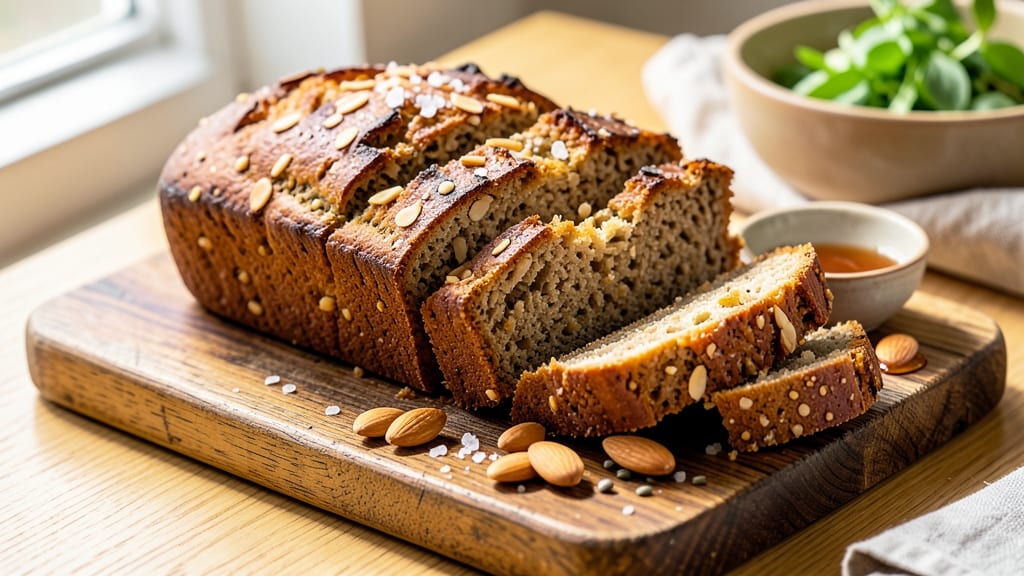
This almond pulp bread recipe transforms humble almonds into a loaf with pillowy softness and nutty crunch in every bite. The secret starts with blending almonds into a smooth pulp—no fancy equipment needed, just patience and a high-speed blender.
What makes this recipe special is how it balances the earthy richness of almonds with a light, airy texture that defies expectations for nut-based breads.
Unlike traditional breads, this recipe skips refined flour entirely, relying instead on almond pulp, flaxseed for binding, and a touch of coconut sugar for subtle sweetness. The dough comes together effortlessly—no kneading required—and bakes into a loaf with a golden crust and tender crumb.
Perfect for sandwiches, toast, or simply enjoyed with butter, this bread proves nutty flavors can be both hearty and delicate.
What you’ll achieve is a loaf that’s surprisingly sturdy yet soft, with a subtle almond aroma that fills your kitchen as it bakes. The texture is a revelation: crispy edges give way to a moist, almost cake-like interior, making it ideal for those who crave nutritious yet indulgent bread.
Best of all, it’s naturally gluten-free and packed with plant-based protein.
Ready to bake? This recipe scales perfectly for small batches or a full loaf pan, and optional add-ins like chia seeds or rosemary can customize it to your taste. Let’s get started—your kitchen will smell like a bakery in no time.
Ingredients for almond pulp bread
Eight simple ingredients transform almonds into a loaf with golden crust and tender crumb.
| Ingredient | Amount | Notes |
|---|---|---|
| Raw Almonds 🌰 | 2 ½ cups | Unsalted, blanched or unblanched |
| Ground Flaxseed 🌾 | ½ cup | Freshly ground for best binding |
| Coconut Sugar 🍯 | ¼ cup | Or maple syrup for liquid sweetness |
| Baking Soda 🧂 | 1 tsp | Ensures proper rise |
| Salt 🧂 | ½ tsp | Fine sea salt preferred |
| Apple Cider Vinegar 🍎 | 1 tbsp | Activates baking soda |
| Pure Coconut Oil 🥥 | ¼ cup | Melted, not solid |
| Plant-Based Milk 🥛 | ½ cup | Unsweetened almond or oat milk |
| Vanilla Extract 🌸 | 1 tsp | Pure vanilla for flavor depth |
| Chia Seeds 🌱 | ¼ cup | Optional for extra crunch |
| Fresh Rosemary 🌿 | 1 tbsp | Chopped, optional herb |
| Water 💧 | ½ cup | For almond blending |
The almonds are the foundation—raw, unsalted, and preferably blanched for a smoother texture. Trader Joe's and bulk bins at natural food stores offer the best prices, but any grocery store carries them. For optimal pulp, soak almonds in warm water for 10 minutes before blending to soften. The high-speed blender is non-negotiable here; regular blenders leave gritty bits. If you don’t have one, a food processor works in batches, but expect more work. Store almonds in a cool, dark place for up to 6 months—they’ll keep longer than you’ll need them.
No chia seeds? Skip them—the recipe still works beautifully. Maple syrup is a perfect substitute for coconut sugar, though it adds moisture. The flaxseed must be freshly ground; pre-ground loses binding power within weeks. For extra richness, swap half the plant-based milk for cashew cream (blend soaked cashews with water). The rosemary is optional but adds an earthy depth that pairs perfectly with almond’s nuttiness. If you’re short on time, dried rosemary at half the amount works in a pinch, though fresh is ideal.
This dough doesn’t require kneading—just mix and rest for 10 minutes before baking. The loaf keeps well at room temperature for 3 days in an airtight container, though it’s best enjoyed fresh. For longer storage, wrap tightly in foil and freeze for up to 3 months. Toast slices before serving to revive crispiness. The aroma alone makes this worth baking—your kitchen will smell like a bakery, even if you’re just making one loaf.
Why You'll Love This Recipe
- No-Fuss Mixing: I just blend raw almonds into pulp—no fancy equipment, no waiting for dough to rise. The flaxseed binds it all together while I’m still deciding what to watch on TV.
- Nutty Sweet Crunch: That first bite? Warm, dense bread with a subtle coconut caramel note from the sugar and a satisfying crunch from the almond pulp. Honestly, it’s the kind of flavor that makes you pause mid-slice.
- Breakfast or Snack Star: Slice it thick for toast with almond butter, or pack it for lunch—it holds up perfectly for days. Between us, I’ve even used it as a base for sweet or savory toppings when I’m too tired to bake.
- Zero Waste, Zero Guilt: Uses the entire almond—pulp, skin, and all—so nothing goes to waste. Plus, the ingredients are cheap staples, and a single batch lasts my family a week. My wallet and the planet win.
Step-by-step instructions for almond pulp bread
Transform simple ingredients into a loaf with nutty depth and tender crumb—here's the exact method.
👨🍳 Step 1: Process the Almonds into Pulp
Place the 2.5 cups raw almonds in a high-speed blender or food processor. Pulse in short bursts until you achieve a fine almond flour consistency—think of it like a cross between almond flour and almond butter. Stop before it becomes buttery; you want a dry, sandy texture that still holds some texture. This pulp will form the bread's structure and contribute that signature nutty flavor.
Transfer the almond pulp to a large mixing bowl. Add the 0.5 cup ground flaxseed and 0.25 cup coconut sugar, then whisk together until evenly combined. The flaxseed provides binding properties while the coconut sugar adds natural sweetness and helps with browning. This dry mixture is the foundation of your bread, so make sure it's thoroughly blended to distribute all ingredients evenly.
🍳 Step 2: Combine Wet Ingredients and Activate the Leavening
In a separate bowl, melt the 0.25 cup pure coconut oil until completely liquid—this ensures it blends smoothly with the other wet ingredients. Add the 0.5 cup plant-based milk, 1 tsp vanilla extract, 1 tbsp apple cider vinegar, and 1 tbsp fresh rosemary (finely chopped). The vinegar will react with the baking soda later to create lift, while the rosemary adds a subtle herbal note that pairs beautifully with the almond flavor.
Pour the wet mixture into the dry ingredients and stir vigorously for 2-3 minutes until fully combined. The batter should be thick but pourable, similar to a dense cake batter. This is where the magic happens—the almond pulp absorbs the liquid, creating a cohesive dough that will rise beautifully in the oven. If the mixture seems too thick, add the 0.5 cup water gradually until it reaches a smooth, spreadable consistency.
🔥 Step 3: Prepare the Dough for Baking
Preheat your oven to 350°F and line a 9x5-inch loaf pan with parchment paper, allowing it to extend slightly over the edges for easy removal. Grease the parchment lightly with coconut oil to prevent sticking. Transfer the batter to the prepared loaf pan, spreading it evenly with a spatula. Sprinkle the 0.25 cup chia seeds evenly over the top—they'll add texture and a subtle crunch that contrasts with the soft interior.
Bake for 45-50 minutes until the top is golden brown and a toothpick inserted into the center comes out clean. The bread should have risen noticeably and pull away slightly from the edges of the pan. This indicates the baking soda has done its job, creating a light yet dense crumb. If the top browns too quickly, tent the pan with foil to prevent over-browning while ensuring the interior cooks through.
⏰ Step 4: Cool and Slice for Perfect Texture
Remove the bread from the oven and let it cool in the pan for 10 minutes before transferring it to a wire rack to cool completely. This resting period allows the internal structure to set, preventing crumbly slices. The bread will continue to firm up as it cools, developing that perfect balance between tender crumb and nutty crunch.
Once fully cooled, slice the bread into 8 equal servings using a sharp serrated knife. Each slice should reveal a moist, pillowy interior with pockets of air from the baking soda's action, surrounded by the nutty almond flavor. The chia seeds on top will add a delightful textural contrast with each bite. Store any leftovers in an airtight container for up to 5 days or freeze for longer storage.
Pro Tips For Making Almond Pulp Bread
- TOAST YOUR ALMONDS FIRST: I learned this the hard way—raw almonds release too much moisture when blended, turning your batter into a sticky mess. Toss them in a dry pan over medium heat for 5-7 minutes until they smell nutty and fragrant, then cool before pulping. This step makes all the difference in texture.
- MEASURE FLAXSEED BY WEIGHT: Ground flaxseed packs differently, and eyeballing it leads to dense or crumbly bread. Use a kitchen scale for the flaxseed—aim for 100g for a standard batch—and tap the measuring cup firmly to level it off. No, it’s not the prettiest method, but it’s the tastiest.
- DON’T OVERMIX THE BATTER: The moment you start folding in the wet ingredients, stop. Stir just until the coconut sugar dissolves and the flax "eggs" are evenly distributed—overmixing develops gluten-like bonds in the almond pulp, leaving you with a tough, rubbery loaf. Think "marbled," not "smooth."
- USE A DARK PAN FOR EVEN BROWNING: Almond pulp bread has a tendency to dry out on top while staying undercooked inside. Skip the nonstick spray and use a dark-colored metal or cast-iron pan—it conducts heat better and gives you that golden crust without burning. (Yes, even if you’re impatient like me.)
Serving suggestions for this recipe
Toasted Perfection
Toast your almond pulp bread slices in a dry skillet over medium heat for 1-2 minutes per side until golden and crisp. The heat enhances the nutty flavors while creating a satisfying crunch.
For extra richness, brush with melted coconut oil before toasting. This method works beautifully for breakfast toast or as a base for avocado mash or hummus. 🌟
Sandwich Game-Changer
Use this bread for hearty sandwiches—its sturdy yet tender crumb holds up perfectly to fillings like mashed chickpeas, sliced avocado, and spicy mustard. For a sweet version, layer with almond butter, sliced banana, and a drizzle of maple syrup.
The nutty flavor complements both savory and sweet fillings without overpowering them.
French Toast Twist
Transform leftovers into decadent French toast by dipping slices in a mixture of ½ cup plant-based milk, 1 tbsp maple syrup, and 1 tsp vanilla extract.
Cook in a buttered pan over medium-low heat until golden brown. Top with powdered sugar or fresh berries for a brunch-worthy dish that feels indulgent yet nutritious.
Dessert Upgrade
Drizzle warm bread with melted dark chocolate and sprinkle with flaky sea salt for a dessert that’s equal parts satisfying and elegant. The nutty crunch pairs beautifully with the chocolate’s richness.
For a lighter option, spread with almond butter and top with sliced strawberries—this dessert bread is perfect for afternoon cravings.
Bread Pudding Innovation
Cubed almond pulp bread makes an incredible bread pudding. Toss with 1 cup coconut milk, 2 eggs, ¼ cup maple syrup, and 1 tsp cinnamon, then bake at 350°F for 30-35 minutes until set.
The bread’s natural sweetness and texture elevate this classic dessert into something truly special.
Garnish Like a Pro
Elevate every serving with simple garnishes: a sprinkle of toasted coconut flakes, a few fresh raspberries, or a drizzle of honey. For savory dishes, try a pinch of smoked paprika or chopped parsley.
These finishing touches add visual appeal and complement the bread’s nutty profile without overpowering its natural flavors. ✨
Nutrition facts
Frequently asked questions
Why does this bread need almonds blended into a pulp instead of just using almond flour?
The pulp creates a unique texture that's more moist and tender than traditional almond flour bread. Blending almonds into a fine pulp (not butter) preserves the natural oils and fibers that give this bread its signature pillowy crumb. Almond flour alone would make a denser, crumbly result—this method captures the best of both worlds: nutty flavor with a light, airy texture.
Can I substitute the chia seeds on top?
If you don't have chia seeds, try sunflower seeds or pumpkin seeds for crunch, or skip them entirely for a smoother finish. For sweet applications, crushed walnuts or pecans work beautifully. The seeds primarily add texture, so any small seed or nut will do—just adjust the quantity to taste.
How do I fix if my dough is too wet or too dry?
If too wet, add 1-2 tablespoons more almond pulp and mix well. If too dry, gradually add 1 tablespoon plant-based milk at a time until pourable. The batter should hold its shape when dropped from a spoon but still spread easily in the pan. Remember: almond pulp absorbs liquid differently than flour, so go slow with adjustments.
Is this bread truly gluten-free?
Yes, this recipe is completely gluten-free by design. The almond pulp and flaxseed provide all the binding and structure without any wheat products. However, always check your flaxseed and coconut sugar labels to confirm they're certified gluten-free, especially if you have celiac disease or severe gluten sensitivity.
Can I make this bread without a loaf pan?
Certainly! Shape the batter into a freeform loaf on a parchment-lined baking sheet. For best results, use a round or oval shape about 1-inch thick. Bake for 35-40 minutes until golden, then let cool completely before slicing. The texture will be slightly denser at the edges but still delicious—great for rustic-style sandwiches!