
Side Dishes
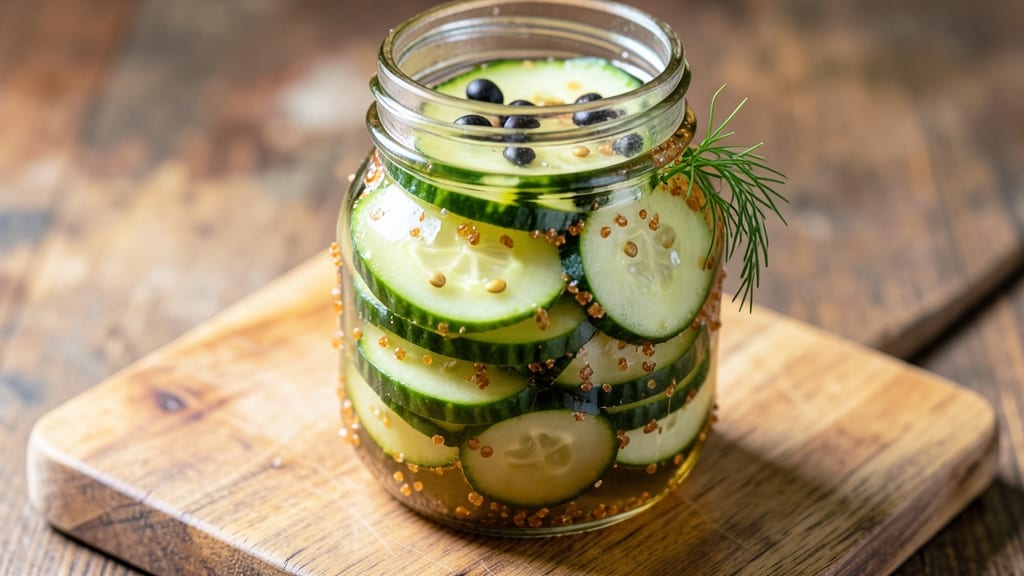
Alton Brown’s bread and butter pickle recipe delivers that perfect balance of sweet, tangy, and crunchy—every bite is a nostalgic trip to your grandma’s kitchen. The secret lies in thinly sliced pickles that soak up the perfect blend of vinegar, sugar, and spices, creating a texture that’s crisp yet tender.
This isn’t your average pickle; it’s a side dish that elevates fried chicken, burgers, or even a classic BLT to new heights.
What makes this recipe stand out is Alton’s signature method: a slow, flavor-infused brine that transforms ordinary cucumbers into bite-sized magic. The process is straightforward—sterilize jars, prepare the spiced vinegar mixture, and let the pickles cure for at least 24 hours (or can for long-term storage).
The result? A bright, sweet-and-sour flavor with just the right crunch, every time.
Once ready, these pickles become the star of any meal. Serve them alongside crispy fried chicken, pile them high on a juicy burger, or spread them on sandwiches for a tangy twist.
The versatility is endless, but the magic is in the making—where science meets tradition for a side dish that’s both foolproof and unforgettable.
Whether you’re canning a batch for the pantry or whipping up a quick refrigerator version, this recipe ensures crisp, flavorful pickles that taste like a labor of love. Let’s get started—your taste buds (and dinner guests) will thank you.
Ingredients for alton brown bread and butter pickle
Cucumbers, vinegar, sugar, and spices—Alton’s perfect balance for nostalgic, crunchy pickles.
| Ingredient | Amount | Notes |
|---|---|---|
| Fresh Cucumbers 🥒 | 2 lb | Thinly sliced, 1/4-inch thick |
| White Vinegar 💧 | 2 cups | Distilled white vinegar preferred |
| Granulated Sugar 🍚 | 1 ½ cups | White or light brown sugar |
| Turbinado Sugar 🍚 | ½ cup | For crunchy texture |
| Pickling Salt 🧂 | ½ cup | Diamond Crystal preferred |
| Mustard Seeds 🌶️ | 1 tbsp | Whole, yellow seeds |
| Celery Seeds 🌿 | 1 tbsp | Ground or whole |
| Black Peppercorns 🌶️ | 1 tsp | Freshly cracked |
| Dried Dill Weed 🌿 | 1 tbsp | Or 2 tbsp fresh dill |
| Garlic Cloves 🧄 | 3 cloves | Smashed, not minced |
| Onion 🧅 | 1 whole | Thinly sliced, yellow or red |
| Canning Salt 🧂 | 1 tsp | For final brine adjustment |
| Lemon Juice 🍋 | 1 tbsp | Freshly squeezed |
| Water 💧 | 2 cups | For final brine mixture |
Cucumbers are the star, so pick firm, crisp ones—the thicker the better for slicing. Trader Joe’s or local farms often have the best quality. Thinly slicing them (about 1/4-inch) is key—too thick and they stay crunchy, too thin and they get mushy. The turbinado sugar gives those little crunchy bits that make these pickles special, so don’t skip it. For the vinegar, distilled white is best—it’s consistent and won’t add unwanted flavors. If you’re canning, sterilize jars and lids properly to avoid spoilage.
No turbinado sugar? Brown sugar at 1:1 ratio works, but you’ll lose that signature crunch. Fresh dill is ideal, but dried works at half the amount. No mustard seeds? Skip them or use 1/2 tsp ground mustard—just know the texture will differ. The garlic and onion add depth, but if you’re sensitive to strong flavors, reduce to 1 clove garlic and half the onion. For the brine, Diamond Crystal kosher salt, so use that if you can. The lemon juice brightens everything up, so fresh is best—bottled won’t give the same zing.
These pickles keep for 3-4 weeks refrigerated if stored in a sealed jar with the brine. For canning, they’ll last up to 1 year unopened. The longer they sit, the more flavor they develop—wait at least 24 hours before eating for the best taste. I always make a double batch—one for immediate use, one to can for later. The onions and garlic can be prepped ahead and stored in the fridge for 3 days before pickling, saving you time on the day you’re ready to can.
Why You'll Love This Recipe
- No-Fuss Prep: I swear by this recipe because it’s the kind of thing you can make while waiting for a pot to boil—just slice cucumbers, toss them in a jar, and let the vinegar and sugar do their magic. The turbinado sugar adds those little crunchy bits that make it feel special, but you don’t have to stress over fancy techniques.
- Sweet-Sour Magic: That perfect balance of tangy vinegar and just enough sweetness? It’s like a flavor hug. The pickling salt keeps it bright, and the turbinado sugar gives it that satisfying crunch on every bite—no weird aftertaste, just pure, addictive goodness.
- Party in a Jar: Between us, this is my go-to for potlucks, BBQs, or even just snacking straight from the fridge. It’s the kind of thing that disappears fast—whether you’re serving it with burgers, sandwiches, or just eating it with a spoon (no judgment).
- Lasts All Week: Honestly, I make a big batch and it’s still crisp and delicious by day five. The vinegar preserves it beautifully, and the sugar keeps it from getting mushy. Plus, it’s cheap to make—just cucumbers and pantry staples—and you’ll have leftovers for days.
Step-by-step instructions for Alton Brown's signature pickles
Here's how to make the perfect sweet-and-sour crunchy pickles that'll have everyone asking for seconds.
Prepare the Cucumber Mixture
Start by cutting the 2 lb fresh cucumbers into ¼-inch thick slices—this thickness ensures they stay crispy. I like to work in batches to keep everything even. Spread the slices out on a clean kitchen towel and sprinkle lightly with the ½ cup pickling salt. Let them sit for 30 minutes while you prep the rest.
This salting step draws out excess moisture, which prevents the pickles from becoming soggy. You'll see little pools of water form—don't worry, this is normal. After 30 minutes, give the cucumbers a good rinse under cold water to remove the salt, then drain thoroughly in a colander. This step is non-negotiable for crispy results.
Create the Sweet-Sour Brine
In a large saucepan, combine the 2 cups white vinegar, 1.5 cups granulated sugar, and ½ cup turbinado sugar. Stir over medium heat until the sugars dissolve completely—this should take about 3-4 minutes. You're aiming for a smooth, syrupy consistency where no crystals remain.
While the mixture heats, toast the spices in a dry skillet over low heat for 1-2 minutes until fragrant. Add the 1 tbsp mustard seeds, 1 tbsp celery seeds, 1 tsp black peppercorns, 1 tbsp dried dill weed, 3 smashed garlic cloves, and 1 whole thinly sliced onion. Stir constantly to prevent burning. Remove from heat and let cool slightly.
Combine and Pack the Pickles
Add the cooled spice mixture to the vinegar mixture and stir well. Pack the drained cucumbers tightly into a clean quart-sized jar, leaving about 1 inch of headspace at the top. Pour the hot brine over the cucumbers until they're completely covered. Tap the jar gently on the counter to remove any air bubbles trapped between the slices.
This packing technique ensures every bite gets that perfect balance of sweet, tangy, and spicy flavors. The headspace allows for proper sealing. I always use a clean spoon to press down the cucumbers one final time before sealing—they should be snug but not compressed.
Seal and Process for Crispy Perfection
Seal the jar tightly with a lid and let it cool to room temperature. Once cooled, refrigerate for at least 24 hours before eating—this allows all the flavors to meld together. The pickles will develop their signature sweet-and-sour balance and maintain that perfect crunch.
For best results, store in the refrigerator and enjoy within 2-3 weeks. The longer they sit, the more complex the flavors become. I know it's tempting to dive in immediately, but patience here makes all the difference. The first bite after 24 hours? Absolute magic.
Pro Tips For Making Alton Brown Bread And Butter Pickle
- CHOP CUCS THIN: Alton’s recipe calls for ¼-inch slices—don’t eyeball it. Grab a mandoline or a sharp knife and hold it steady; uneven slices mean some pickles stay crunchy while others turn mushy. I learned this the hard way after a batch where half the jar was sad and limp.
- DON’T RUSH THE BRINE: Let the vinegar-sugar-salt mix cool to room temp before adding cucumbers. Dumping them in hot liquid shocks the texture—you’ll end up with mealy pickles. Five minutes of patience makes a real difference, especially if you’re impatient like me.
- WEIGH THE TURBINADO: That turbinado sugar isn’t just for looks—it’s the crunch. But don’t eyeball it. Use a scale for ¼ cup (about 50g) to avoid a jar that’s either too sweet or too gritty. My first batch had half the texture I wanted because I guessed.
- COVER THEM TIGHT: After packing the jar, press down hard on the cucumbers to force out air bubbles—this prevents mold. Then, add a clean weight (a small plate or a folded paper towel) before sealing. I skipped this once and came back to a jar with a fuzzy top. Not pretty.
Dietary considerations for these flavors
Gluten-Free Adaptations
This recipe is naturally gluten-free, but the pickling salt and mustard seeds are critical to check for cross-contamination. I always use Diamond Crystal kosher salt (certified gluten-free) and verify that my mustard seeds come from a dedicated gluten-free facility.
The turbinado sugar and granulated sugar are also safe, as long as they’re processed in gluten-free facilities. 🌱
For added assurance, I like to prep my cucumbers and spices in a separate, clean workspace to avoid any accidental cross-contact. The vinegar, garlic, onion, and lemon juice are all inherently gluten-free, so no substitutions are needed there.
Just be mindful of the spices—some brands process them in shared facilities with gluten-containing grains.
Low-Sugar Options
If you're watching your sugar intake, you can reduce the granulated sugar by ½ cup and replace it with an equal amount of erythritol or monk fruit sweetener. I’ve found that monk fruit sweetener works best because it dissolves smoothly in the brine without leaving a gritty texture.
The turbinado sugar can be kept as-is for that signature crunch, but you might want to reduce it to ¼ cup if you’re sensitive to sugar. 💛
For a slightly less sweet but still flavorful result, I’ve also experimented with stevia (liquid form), but it requires careful measurement—start with ½ the amount of the reduced sugar and adjust to taste.
The key is balancing the sweetness with the vinegar and spices, so don’t skip the lemon juice—it adds brightness that helps mask any sugar reduction.
Allergen-Friendly Swaps
For those avoiding sulfites, opt for bottled lemon juice instead of fresh, as some fresh citrus can contain trace sulfites. If you’re sensitive to mustard, simply omit the mustard seeds—the celery seeds and dill will still provide plenty of flavor.
For a dill-free version, increase the dried oregano to ½ tsp to add depth without overpowering the dish. 🌿
If you’re allergic to onions, skip the sliced onion entirely and boost the garlic to 4 cloves for extra punch. The black peppercorns and celery seeds will still give that classic bread-and-butter pickle profile.
Always double-check your spices for hidden allergens—some brands process them in facilities with nuts, soy, or other common allergens.
Vegan Considerations
This recipe is already vegan-friendly! All ingredients—cucumbers, vinegar, sugar, salt, spices, garlic, onion, and lemon juice—are plant-based. Just ensure your vinegar is vegan-certified (some brands use animal-derived processing aids). I recommend Heinz white vinegar or Bragg apple cider vinegar, both of which are reliably vegan. 🌱
For extra assurance, I like to use organic cucumbers and spices to avoid any potential cross-contamination with non-vegan products. The turbinado sugar is also typically vegan, but if you’re unsure, check the label or opt for coconut sugar as a backup.
The recipe’s simplicity makes it easy to adapt while keeping all the nostalgic flavor intact.
Nutrition facts
Frequently asked questions
Why do the cucumbers need to sit in salt before pickling?
The salting step draws out excess moisture from the cucumbers, which prevents them from becoming soggy during pickling. This crucial step ensures your bread and butter pickles stay crispy rather than turning mushy. After 30 minutes, you'll rinse away the salt and drain thoroughly—this is what guarantees that perfect crunch.
Can I make these pickles without canning for longer storage?
For refrigerator storage, follow the same recipe but use a clean glass jar with a tight-sealing lid. These pickles will stay fresh for 3-4 weeks in the fridge. The flavor actually improves over time, so wait at least 24 hours before eating for the best taste. Just make sure they're fully submerged in the brine.
What's the secret to getting that perfect sweet-and-sour balance?
The magic is in the ratio of vinegar to sugar—Alton's recipe uses 2 cups vinegar to 1.5 cups sugar, plus the tangy kick from lemon juice. The turbinado sugar adds crunch while the white vinegar provides the sharp tang. Let the pickles sit for 24+ hours to let these flavors meld perfectly.
Can I use regular table salt instead of pickling salt?
Technically yes, but pickling salt (especially Diamond Crystal) dissolves completely without adding extra minerals that can affect texture. If using table salt, reduce by about 20% since it contains anti-caking agents. The salting step is critical for crispness, so don't skip it—just adjust the amount carefully.
How can I tell if my homemade pickles have gone bad?
Watch for cloudy brine, off smells (sour or putrid), or slimy texture—these are red flags. If the pickles lose their crunch or develop an unusual taste, it's time to toss them. Properly stored pickles should keep their vibrant color and crispness. When in doubt, trust your nose—if it smells funky, don't risk it!