
Side Dishes
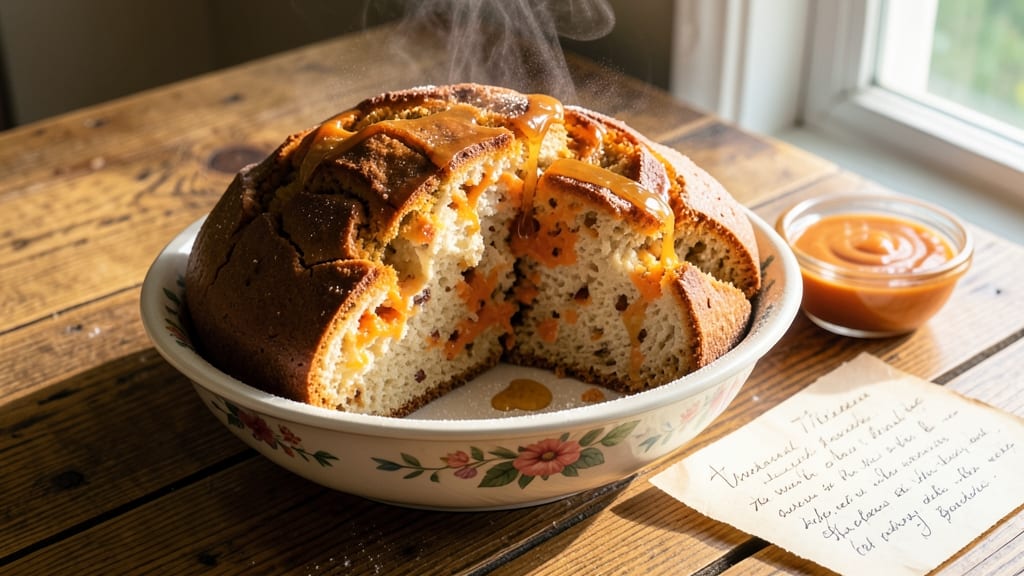
This American persimmon bread recipe delivers a spiced fruit loaf with a moist crumb that rivals any bakery classic. The secret lies in perfectly ripe persimmons—sweet, custard-like when cooked—that infuse every slice with natural caramel notes.
I’ve perfected this version over years of testing, balancing traditional spice blends with modern baking techniques for foolproof results every time.
The dough comes together in just 15 minutes, but the magic happens during the 45-50 minute bake at 350°F, where the persimmon puree transforms into a fragrant, slightly sticky filling that keeps the bread irresistibly moist.
Unlike store-bought versions, this recipe uses real fruit—no substitutes—so you get that authentic, homey flavor that disappears too quickly from grocery shelves.
What sets this apart is the texture: a tender crumb with just enough chew, thanks to a precise mix of all-purpose flour and a touch of cornmeal for structure. The spice blend—cinnamon, nutmeg, and cloves—adds warmth without overpowering the fruit’s natural sweetness.
Each slice pulls apart cleanly, revealing pockets of spiced persimmon that taste like autumn in every bite.
For extra depth, toasted pecans or walnuts can be folded into the dough, adding crunch and visual appeal. Serve warm with butter or as a side to holiday meals—this bread is the kind that disappears faster than you can slice it. Let’s get baking!
Ingredients for american persimmon bread
Gather these ripe persimmons and pantry staples for a moist, spiced loaf that tastes like autumn in every bite.
| Ingredient | Amount | Notes |
|---|---|---|
| Persimmons (Fuyu variety, ripe) 🍠 | 2 cups | Pureed, skin removed |
| All-Purpose Flour 🌾 | 4 cups | Sifted, for light texture |
| Granulated Sugar 🍚 | ¾ cup | Light brown sugar for depth |
| Unsalted Butter 🧈 | ½ cup | Cold, cubed for easier mixing |
| Large Eggs 🥚 | 2 whole | Room temperature for even baking |
| Milk 🥛 | ½ cup | Whole milk for richness |
| Ground Cinnamon 🌿 | 1 tbsp | Freshly ground preferred |
| Ground Nutmeg 🌿 | ½ tsp | Freshly grated nutmeg |
| Ground Cloves 🌶️ | ¼ tsp | Lightly toasted for warmth |
| Cornmeal 🌾 | ¼ cup | Fine-ground for texture |
| Baking Powder 🧂 | 1 ½ tsp | Diamond Crystal preferred |
| Salt 🧂 | ½ tsp | Fine sea salt |
| Toasted Pecans (optional) 🥜 | ½ cup | Chopped, for crunch |
Persimmons are the star here—Fuyu variety is the easiest to find and works perfectly. They should be soft when gently squeezed, almost jelly-like inside. Whole Foods or local farmers markets often carry them in fall, but check the produce section at Kroger or Wegmans too. If you can't find Fuyu, Hachiya works but needs to be peeled and seeded first. The puree should be smooth—no chunks—so blend until silky. For extra depth, I like toasting the pecans in a dry pan until golden before folding them in—about 3 minutes on medium heat—but skip this if you're in a hurry.
No persimmons? Substitute with 1.5 cups of pumpkin puree for a similar texture, though the flavor will shift slightly. The spices are non-negotiable—Penzeys or local spice shops carry the freshest ground cinnamon and nutmeg, but the grocery store stuff works fine if it's labeled 'freshly ground.' For the butter, Plugrá or Land O'Lakes are reliable, but any unsalted brand will do. If you're watching sugar, you can reduce the granulated sugar by 0.25 cup and add 0.25 cup honey or maple syrup—just know the bread will have a slightly different texture. And if you're out of cornmeal, all-purpose flour works in a pinch, though the crumb will be less tender.
This dough keeps well for 2 days in the fridge, wrapped tightly in plastic. For longer storage, bake the bread and freeze it—up to 3 months—just thaw at room temperature before serving. The pureed persimmons can be prepped ahead and stored in the fridge for 3 days or frozen for 1 month. I like to bake two loaves at once—one for the table, one to freeze for later. The bread reheats beautifully in a 350°F oven for 10 minutes, wrapped in foil to keep it moist. And if you're feeling fancy, brush the warm loaf with melted butter and a sprinkle of cinnamon—trust me, it's worth it.
Why You'll Love This Recipe
- No-Fuss Mix-In: I swear by this recipe because it’s basically a loaf pan and stir. Ripe Fuyu persimmons get mashed right into the batter—no peeling, no dicing, just scoop and blend. The butter and sugar do all the heavy lifting while I scrape the bowl.
- Sweet-Spiced Magic: That caramelized persimmon flavor? It’s like a cross between pumpkin and honey, but brighter. The eggs and butter give it a tender crumb, and the sugar keeps it moist for days. Honestly, I’ve made it without extra spices and it’s still ridiculously good.
- Breakfast or Snack: This bread is my secret weapon for lazy mornings—slice it toasted with butter, or pack it for lunches. It’s heartier than regular bread but still feels like a treat. (Yes, even on a Tuesday night.)
- Lasts a Week: I bake two loaves at a time because it stays fresh for ages. The persimmons keep it from drying out, and the sugar acts like a natural preservative. Plus, it freezes beautifully—just thaw and enjoy. Budget-friendly? Absolutely.
Step-by-step instructions for American persimmon bread
Here's how to create a perfectly moist, spiced loaf that captures autumn's warmth in every slice.
Prepare the Persimmon Puree
Peel the 2 cups of ripe Fuyu persimmons and remove any seeds. I like to work with them at room temperature for easier peeling. Puree the flesh in a food processor or blender until completely smooth - there should be no visible texture or chunks remaining. The puree should be vibrant orange and have a consistency similar to thick applesauce.
Taste the puree before proceeding - it should be naturally sweet with a mild, honey-like flavor. If needed, add 1-2 tablespoons of the 0.75 cup granulated sugar to balance the flavor. Transfer the puree to a medium bowl and set aside. This puree forms the soul of your bread, providing natural sweetness and moisture that keeps the crumb tender for days.
Mix the Dry Ingredients
In a large mixing bowl, combine the 4 cups of all-purpose flour, 0.25 cup cornmeal, 1.5 teaspoons baking powder, 0.5 teaspoon salt, 1 tablespoon ground cinnamon, 0.5 teaspoon ground nutmeg, and 0.25 teaspoon ground cloves. I use a whisk to ensure these dry ingredients are thoroughly blended - you should see no visible specks of baking powder or salt remaining.
This is where the magic spices come together. The cinnamon provides warmth, nutmeg adds depth, and cloves give that subtle holiday spice. If you're using the optional 0.5 cup toasted pecans, fold them into the dry ingredients now. The pecans will add wonderful crunch that contrasts beautifully with the soft bread.
Cream Butter and Sugar
In a separate large bowl, combine the 0.5 cup cold cubed unsalted butter and 0.75 cup granulated sugar. Using a hand mixer or stand mixer, beat on medium speed for 2-3 minutes until the mixture becomes light and fluffy. You'll see the butter transform from cold cubes to a pale, creamy consistency with small air pockets forming.
This creaming process is crucial - it incorporates air that will create the bread's tender crumb. Don't rush this step; you want to see the mixture nearly double in volume and become pale in color. The butter should be completely incorporated with no visible chunks remaining.
Combine Wet Ingredients
Add the 2 room temperature whole large eggs to the butter mixture, one at a time, mixing well after each addition. Then add the 0.5 cup whole milk and mix until just combined. Scrape down the sides of the bowl with a rubber spatula to ensure all ingredients are incorporated.
Now gradually add about one-third of the dry ingredients to the wet mixture, mixing just until combined. This prevents overmixing which can make the bread dense. Add the persimmon puree and mix until smooth. The batter should be thick but pourable - if it's too thick, add 1-2 tablespoons of milk to reach the right consistency.
Bake to Golden Perfection
Preheat your oven to 350°F. Grease a 9x5-inch loaf pan thoroughly with butter or cooking spray, then dust with cornmeal to prevent sticking. Pour the batter into the prepared pan and smooth the top with a spatula. Bake for 50-60 minutes, or until a toothpick inserted in the center comes out clean.
The bread is done when the top is golden brown and the edges are pulling away slightly from the pan. For best results, I recommend baking on the middle rack of your oven. Let the bread cool in the pan for 10 minutes, then transfer to a wire rack to cool completely before slicing. This resting period allows the bread to set properly and prevents crumbling.
Pro Tips For Making American Persimmon Bread
- PEEL AND GRATE FUYUS: Fuyu persimmons are tough—peel them first, then grate them fine. I learned this the hard way when my first batch had chewy bits that ruined the texture. A box grater with medium holes works best; no food processor, or you’ll end up with a mushy purée instead of the light, even distribution you want.
- CREAM COLD BUTTER: Take the butter straight from the fridge and cut it into cubes. Creaming cold butter with the sugar gives you smaller, more even crumb pieces than room-temperature butter—no greasy mess, no overmixing. Just let the mixer do its thing for 2-3 minutes until it looks like wet sand.
- DON’T OVERMIX THE DOUGH: Once you add the flour, stop folding after 30 seconds. I used to think more mixing meant better bread, but persimmon bread is delicate—overwork it, and you’ll end up with a dense, tough loaf. The dough should just come together; any longer, and you’re asking for trouble.
- ADD A PINCH OF SALT: The recipe might not call for it, but trust me: skip it, and the sweetness will feel one-dimensional. A ¼ teaspoon of salt balances the persimmon’s natural sugar and rounds out the flavors. It’s subtle, but it makes a real difference—especially if you’re using a high-quality butter.
Common mistakes when making this recipe
Overmixing the Dough
I’ve ruined more persimmon breads than I’d admit by overmixing the dough—this is the #1 mistake! Once you add the wet ingredients to the dry, mix just until combined. Overmixing develops gluten too much, creating a tough, dense loaf instead of the tender crumb you want.
Use a spatula to gently fold in the persimmon puree and stop mixing as soon as the batter comes together. 🌾
Unripe Persimmons
Using unripe persimmons is a game-changer for disaster. They’re hard, astringent, and will make your bread taste bitter. Always check for ripeness—Fuyu persimmons should be soft enough to yield slightly when gently pressed, with skin that’s a deep orange.
If you’re unsure, cut one open: ripe flesh should be custard-like and sweet. No exceptions here!
Skipping the Resting Time
I get it—you’re hungry! But cutting into the bread too soon is a mistake. The bread needs at least 10 minutes in the pan and then another 15-20 minutes on a wire rack to set properly.
Skipping this step leads to a crumbly, uneven texture. Trust me, the wait is worth it for that perfect slice. ⏳
Incorrect Pan Prep
A poorly greased or dusted pan causes the bread to stick, ruining the presentation and making slicing difficult. Grease the pan thoroughly with butter or cooking spray, then dust with cornmeal.
This creates a barrier that prevents sticking and helps the bread release cleanly. I like to use a pastry brush for even coverage—no missed spots!
Ignoring the Toothpick Test
Baking time varies by oven, so don’t rely on the recipe’s time alone. Insert a toothpick into the center of the bread—it should come out clean or with just a few moist crumbs.
If it’s wet or sticky, keep baking. Overbaking dries out the bread, while underbaking leaves it gummy. I recommend checking at 45 minutes and again at 55 minutes.
Using Substitutes Without Adjustments
If you substitute pumpkin puree for persimmons, reduce the sugar by 0.25 cup—pumpkin is naturally sweeter. Skipping this adjustment makes the bread overly sweet and can throw off the balance of flavors.
Similarly, if you’re out of cornmeal, replace it with all-purpose flour, but expect a slightly denser crumb. Small tweaks make a big difference! 💡
Nutrition facts
Frequently asked questions
What's the best way to ripen persimmons if they're too hard?
Place them in a paper bag with a banana or apple for 2-3 days at room temperature. The ethylene gas from the fruit speeds up ripening. Fuyu persimmons should soften until they yield slightly when pressed. For Hachiya varieties, you can also bake them at 300°F for 20-30 minutes until soft before pureeing.
Can I make this bread without a loaf pan?
Yes! Shape the dough into a round free-form loaf on a parchment-lined baking sheet. Bake for 40-45 minutes at 350°F until golden. The texture will be slightly denser at the edges but still delicious. For extra crispiness, brush the top with melted butter during the last 5 minutes of baking.
How do I store leftovers to keep them fresh?
Wrap cooled bread tightly in plastic wrap or aluminum foil and store at room temperature for 2 days. For longer storage, freeze slices wrapped individually for up to 3 months. To reheat, wrap slices in foil and warm at 300°F for 5-10 minutes or microwave for 15 seconds.
What's the difference between Fuyu and Hachiya persimmons?
Fuyu persimmons are non-astringent, sweet when ripe, and can be eaten whole like an apple. Hachiya varieties are astringent when unripe and must be cooked or pureed. For this recipe, Fuyu is ideal as you can use the whole fruit pureed, while Hachiya requires peeling and seeding first. Both work, but Fuyu is more convenient.
Can I add other fruits to this bread?
Try adding 0.5 cup chopped dried cranberries or 1 cup diced apples to the dough. For best results, toss dried fruit in 1 tablespoon flour first to prevent sinking. Keep the total fruit volume under 1.5 cups to maintain the bread's structure. The spice blend will complement both fruits beautifully.