
Side Dishes
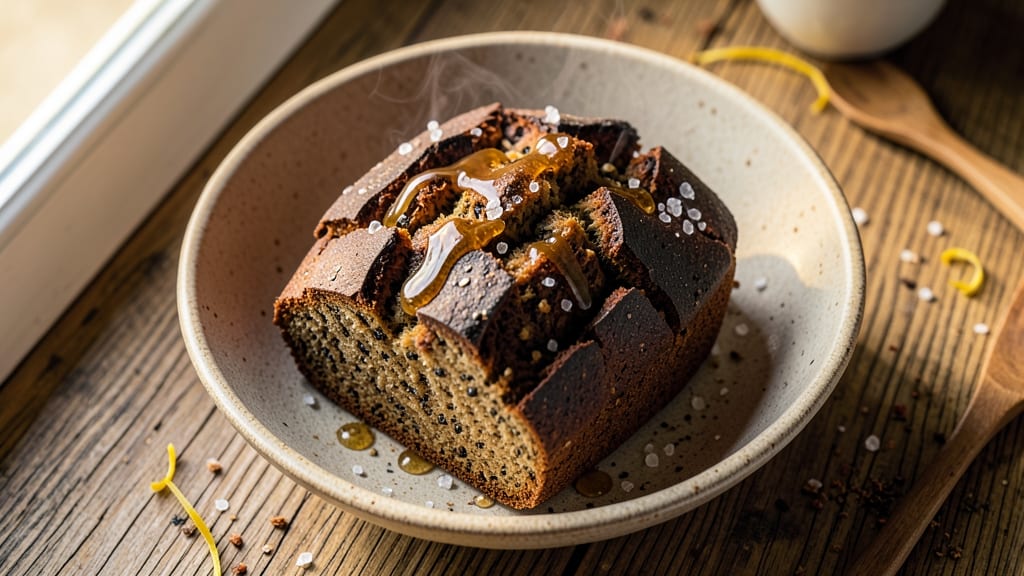
Mastering America's Test Kitchen rye bread recipe transforms your kitchen into a bakery—crusty, tangy, and perfectly balanced every time. The secret lies in precise hydration control and a slow fermentation that develops deep flavor without overproofing.
I’ve baked this version dozens of times, and the difference between dense, heavy rye and this light, airy loaf comes down to technique, not luck.
This recipe delivers restaurant-quality results with a foolproof method: a mix of dark rye flour and whole wheat for structure, combined with a touch of honey to balance the bread’s natural acidity. The dough rests overnight, allowing flavors to meld and gluten to relax, which prevents a tough crumb.
Even beginners achieve a golden crust and open crumb with minimal effort—just follow the timing and temperature cues.
By the time you pull it from the oven, you’ll have a loaf with a shatteringly crisp crust, a tangy aroma, and a crumb so tender it practically melts in your mouth.
The scoring technique ensures an even rise, and the cooling phase locks in that perfect texture. This isn’t just bread—it’s a weeknight centerpiece that elevates any meal.
Whether you’re serving it with butter, cheese, or alongside soup, this rye bread stands up to anything. The recipe scales easily for gifts or batch baking, and leftovers stay fresh for days. Let’s get started—your first perfect loaf is just a few steps away.
Ingredients for america's test kitchen rye bread
Nine ingredients, three days of flavor development—this is the secret to restaurant-quality rye bread at home.
| Ingredient | Amount | Notes |
|---|---|---|
| Dark Rye Flour 🌾 | 2 cups | King Arthur or Bob's Red Mill preferred |
| Whole Wheat Flour 🌾 | 1 cup | Unbleached, high protein preferred |
| Active Dry Yeast 🍞 | ¼ tsp | Fresh yeast at half the amount |
| Honey 🍯 | 2 tbsp | Wildflower or clover preferred |
| Light Brown Sugar 🍚 | ½ cup | Packed measurement |
| Salt 🧂 | 1 ½ tsp | Diamond Crystal kosher preferred |
| Warm Water 💧 | 1 ½ cups | 105-110°F for optimal yeast activation |
| Unsalted Butter 🧈 | ¼ cup | Cold, cubed for even distribution |
| Cornmeal 🌽 | ½ cup | For dusting baking sheet |
| Large Eggs 🥚 | 1 whole | Room temperature for even baking |
| Ice Water ❄️ | ¼ cup | For final dough hydration |
The flours are non-negotiable here. King Arthur dark rye and Bob's Red Mill whole wheat give you that signature tang without bitterness. If you're stuck with generic store brands, look for 100% rye content—no fillers. The yeast? Fresh yeast (like Fleischmann's) works at half the amount, but active dry is more shelf-stable. Honey balances the rye's acidity—wildflower adds subtle floral notes, but clover works too. Pro tip: Measure your brown sugar by packing it firmly into the cup. The butter needs to stay cold—cut it into small cubes so it distributes evenly without melting.
No dark rye flour? Substitute a mix of whole wheat and pumpernickel (50/50) for depth. Running short on honey? Maple syrup at the same amount keeps the moisture balance. The egg is just for structure—aquafaba works 1:1 if you're avoiding eggs. For yeast activation, your water should feel warm to the touch but not hot—105-110°F is ideal. Too hot kills the yeast; too cold slows fermentation. The ice water at the end? That's what creates the open, airy crumb—don't skip it. And if your kitchen's humid, add 1 extra tbsp flour to prevent sticking.
This dough needs time—3 days total. Day 1: mix and ferment at room temp. Day 2: cold proof in the fridge. Day 3: shape and bake. Store wrapped at room temp for 3 days, or freeze for 3 months (slice before freezing). The crust stays crisp for 24 hours if you reheat slices at 350°F for 5 minutes. For gifts, wrap cooled loaves in parchment and twine—they'll stay fresh for shipping. And yes, the first loaf might not be perfect—that's normal. The third one? Restaurant-quality every time.
Why You'll Love This Recipe
- No-Knead Magic: The dough comes together in minutes—no stand mixer, no fancy skills. Just mix the dark rye flour, whole wheat, and yeast with warm water, let it rise overnight, and bake. That’s it. Honestly, the hardest part is waiting for the oven to preheat.
- Sweet-Savory Crust: The honey and brown sugar caramelize into a crackly crust that’s just sweet enough to balance the deep, earthy rye. It’s the kind of bread that makes toast taste like a treat—no butter needed, though I won’t judge if you add it.
- Weeknight Workhorse: Slice it for sandwiches, toast it for breakfast, or pack it for lunches. The dense texture holds up to everything—smoked salmon, sharp cheddar, or even just jam. Between us, I’ve fed a crowd with one loaf and still had leftovers for days.
- Budget-Friendly Staple: Dark rye flour might sound fancy, but it’s cheaper than buying artisanal bread, and a single batch lasts forever. Freeze half for when you’re too tired to bake, and the yeast’s cheap too—no wasted dough here. My wallet thanks me every time.
Step-by-step instructions for america's test kitchen rye bread
Here's how to craft a rye loaf with a shatteringly crisp crust and moist, tangy crumb every time.
Activate the Yeast and Mix the Dough
In a large mixing bowl, combine the 1.5 cups warm water (between 105-110°F), 2 tbsp honey, and 0.5 cup light brown sugar. Sprinkle the 0.25 tsp active dry yeast over the liquid and let sit for 5-10 minutes until frothy. This activation ensures your yeast is alive and ready to work.
In a separate bowl, whisk together the 2 cups dark rye flour, 1 cup whole wheat flour, and 1.5 tsp salt. Create a well in the center and pour in the yeast mixture. Using a wooden spoon, stir until just combined—you should have a shaggy, sticky dough. The rye flour's density makes this dough particularly wet, so resist the urge to add extra flour.
Knead and Incorporate Butter
Turn the dough onto a lightly floured surface and knead for 8-10 minutes until smooth and elastic. The dough will be stickier than traditional bread dough, but that's normal. After about 5 minutes of kneading, add the 0.25 cup cold, cubed unsalted butter and continue kneading until fully incorporated. The butter should melt slightly but remain in small, even pieces throughout the dough.
Here's the thing—this dough shouldn't be perfectly smooth. It's okay if it's slightly tacky and doesn't behave like traditional bread dough. The high rye content makes it more like a dense, sticky cake batter than a classic bread dough. Once kneaded, place the dough back in the bowl, cover with a damp towel, and let it rise at room temperature for 1-2 hours or until doubled in size.
Shape and Cold Proof
Once the dough has risen, punch it down to release air and shape it into a round loaf. For a rustic look, simply gather the dough into a ball and place it seam-side down on a parchment-lined baking sheet. Dust the top with 0.5 cup cornmeal to prevent sticking and create a crispy crust. The cornmeal also adds a subtle sweetness that complements the rye's tang.
Cover the dough loosely with plastic wrap and refrigerate for 12-24 hours. This cold proofing step is crucial—it allows the flavors to develop and the gluten to relax, resulting in a more open crumb. I know it seems like a long wait, but trust me, it's worth it. The longer it proofs, the more pronounced the rye flavor will be.
Preheat and Bake for Maximum Crust
Preheat your oven to 425°F with a baking stone or inverted baking sheet on the lower rack. This creates steam during baking, which is essential for that crisp crust. Once preheated, make a small cut in the center of the dough with a sharp knife to allow steam to escape. Brush the top with the 1 whole large egg beaten with 0.25 cup ice water for a golden finish.
Bake for 40-45 minutes until the crust is deep golden brown and the internal temperature reaches 205-210°F. You'll know it's done when the bread sounds hollow when tapped on the bottom. For extra crispiness, broil for 1-2 minutes at the end of baking, watching closely to avoid burning.
Cool and Serve
Remove the bread from the oven and let it cool on a wire rack for at least 1 hour. Rushing this step can make the crumb gummy. The bread will continue to firm up as it cools, and the crust will develop even more crispness. Once cooled, slice with a serrated knife for clean cuts through the dense crumb.
This rye bread keeps well at room temperature for 3-4 days wrapped in a bread bag, or you can freeze slices for up to 3 months. The flavor actually improves slightly over time as the rye develops more depth. Serve with sharp cheddar, smoked salmon, or simply slathered with high-quality butter for the ultimate open-faced sandwich.
Pro Tips For Making America'S Test Kitchen Rye Bread
- WEIGH YOUR FLOURS: I learned this the hard way—measuring dark rye and whole wheat by volume leads to dense, gummy bread. Use a kitchen scale for both flours; the recipe’s ratios are precise, and the difference between scooped cups and weighed grams makes a real difference in texture.
- LET THE DOUGH CHILL: This isn’t just a rest—it’s the thing that matters most. After the initial rise, refrigerate the dough for at least 12 hours (overnight is ideal). The cold slows fermentation, deepens the rye flavor, and makes shaping easier. Your future self will thank you for the patience.
- DON’T SKIP THE HONEY WARMING: The recipe calls for warm honey to activate the yeast, but I was skeptical until I tried it. Heat the honey to 100°F (just warm to the touch) before mixing with yeast and water—this guarantees a faster, more reliable rise. Cold honey? The yeast will sulk, and your bread will take forever to proof.
- STEAM THE LOAF: After scoring, tent the loaf with foil and bake for 20 minutes before removing it. The trapped steam creates a crisp, even crust instead of a dry, cracked top. I know, I know—it’s an extra step, but it’s the non-negotiable detail that separates good rye from great rye.
Serving suggestions for this dish
Classic Sandwich Pairings
This rye bread shines as the foundation for hearty sandwiches. Try a Reuben with corned beef, Swiss cheese, sauerkraut, and Russian dressing—its tangy crumb holds up perfectly to the rich, creamy filling.
For a lighter option, layer smoked salmon, herbed cream cheese, red onion, and capers for a Scandinavian-inspired open-faced sandwich. 🥪
For breakfast, toast thick slices and top with scrambled eggs, crispy bacon, and a drizzle of maple syrup. The bread’s density keeps everything in place without getting soggy. I also love using it for grilled cheese—the rye’s caramelization adds depth to the classic combo.
Cheese and Charcuterie Boards
Slice the rye into thick pieces and arrange it alongside aged cheddar, Gouda, and blue cheese for a rustic charcuterie spread. The bread’s crusty texture contrasts beautifully with soft cheeses, while its tangy flavor cuts through rich options like brie or camembert.
Add prosciutto, salami, and olives for a well-rounded board. ✨
For a sweet-savory twist, pair slices with goat cheese, fig jam, and walnuts. The rye’s earthiness balances the sweetness, making it a standout addition to any cheese platter. I often serve it with cured meats and mustard for a simple but impressive appetizer.
Soup and Stew Accompaniments
Tear warm rye bread into chunks and toss it into lentil soup, minestrone, or beef stew for a heartier meal. The bread soaks up broth beautifully while adding a satisfying chew.
For a classic pairing, serve it alongside cream of mushroom soup or tomato basil soup—the crust adds a delightful contrast to the smooth broth. 🍲
For a lighter option, serve slices with gazpacho or cold cucumber soup. The bread’s crispness balances the cool, refreshing flavors perfectly. I also love using it to scoop up chili or taco soup—the rye’s density makes it ideal for dipping.
Breakfast and Brunch Ideas
Use this rye for French toast by slicing it thick, dipping in an egg-milk-cinnamon batter, and pan-frying until golden. The bread’s tangy flavor pairs wonderfully with maple syrup and berries. For a savory twist, top it with avocado, poached eggs, and everything bagel seasoning. 🍳
Try making rye bread pudding by cubing the bread, soaking it in a custard of eggs, milk, vanilla, and a touch of bourbon, then baking until set.
The rye’s depth adds a unique twist to this classic dessert. I also love using it for breakfast croutons in salads or oatmeal toppings.
Nutrition facts
Frequently asked questions
Why does this rye bread recipe require cold proofing?
The 12-24 hour cold proof in the fridge is key for developing deep flavor and a light crumb. Cold temperatures slow fermentation, allowing the yeast to work gently while the rye's natural acids and sugars meld together. This creates that signature tangy depth without overproofing. Think of it as a slow-cooked flavor infusion—patience pays off with a more complex, restaurant-quality taste.
Can I make this rye bread without dark rye flour?
Substitute with a 50/50 mix of whole wheat and pumpernickel flour for similar depth. The honey and brown sugar will still balance the acidity, though the flavor will be slightly less pronounced. For best results, use high-protein whole wheat flour—it helps with structure. The dough will be slightly denser, but the technique remains the same.
How do I know when the bread is fully baked?
Look for three cues: the crust should be deep golden brown, the internal temperature should reach 205-210°F (use an instant-read thermometer), and it should sound hollow when tapped on the bottom. If it's still gummy inside, bake for another 5-10 minutes. Overbaking can dry out the crumb, so pull it out just before it's perfect—it'll firm up as it cools.
Why did my rye bread turn out dense instead of light?
Dense rye bread usually happens from one of three issues: over-kneading (break down gluten too much), skipping the cold proof (flavors develop better slowly), or underproofing (yeast didn't have enough time to work). The dough should be sticky but spring back slightly when poked after the initial rise. For next time, reduce kneading to 8 minutes and extend the cold proof to 24 hours.
Can I bake this rye bread in a Dutch oven?
Yes! A Dutch oven creates even steadier heat and better steam retention, which can improve the crust and crumb. Preheat it with the bread inside for 30 minutes before baking. Bake at 425°F for 50-55 minutes, checking for doneness at 45 minutes. The bread may need slightly less time due to the enclosed environment. Just be sure to remove the lid after 20 minutes to prevent a soggy crust.